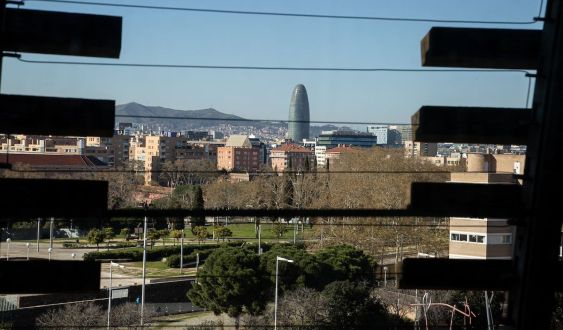
"Com cada any, el desembre ens acosta Nadal. I, amb uns passos de llebre, arribem a Cap d'Any. I tindràs nova agenda, i potser faràs balanç". This is how Josep Thió expresses it in his popular Christmas carol És un desig, reminding us that the end of the year is a time to look back and project the future. And from The New Barcelona Post we also stop to take stock of this year 2025: a year of journalism cooked over a slow fire, far from the constant urgency and the noise of the most immediate news.
Because we don't know if, when the twelve chimes ring, we will still have any grapes left on the plate —as the popular Christmas carol says—, but we do close 2025 with the conviction of leaving behind a year of calm journalism, explained with rigor, but also with soul. A journalism that invites reading without haste, to analyze calmly. And this is also reflected among readers: 3 minutes and 20 seconds is the average time readers dedicate to each article. A figure that contrasts with the society of immediacy and fast content, which imposes diagonal readings. In fact, it is estimated that users dedicate only 26 seconds on average to each article, according to a global study by Chartbeat. In this context, the 3 minutes and 20 seconds of average reading become much more than a figure: they are an indication of trust and willingness to read beyond the headline.
A journalism that focuses on those stories that drive and project Barcelona. On the Good News that move, inspire and project the city. Positive stories, but not naive or superficial, but True Stories. That is, they do not hide the city's debates or pending issues to be resolved.
It is no coincidence, therefore, that the most read articles this year in The New Barcelona Post —not counting opinion articles and interviews— end up drawing a faithful portrait of the headlines and stories that have marked this 2025, from all areas: business, cultural or lifestyle. From success stories of the city's business or scientific ecosystem and its surroundings, to the stories of those unknown faces that move and work, sometimes imperceptibly, to build a better city. Stories that, in short, summarize shared concerns, interests and perspectives.
1. La Rambla reinvents the 'souvenir' with which it wants to be remembered
Tourism is, without a doubt, one of the great city debates. On the one hand, the Catalan capital has turned the tourism industry into one of its major economic engines: it already represents 13% of GDP and generates more than 150,000 jobs, according to data from the Barcelona Tourism Observatory. On the other hand, the excess of visitors also generates social tensions, especially in a year in which the city has consolidated itself as the most crowded tourist destination in the world: with 20.37 million annual tourists and a density of more than 200,000 tourists per square kilometer.
These social tensions have led the city to redefine its tourism model towards a more sustainable one, focusing on quality, not quantity. A debate that has also been transferred to The New Barcelona Post: Barcelona is rethinking how it wants to be visited and lived, but also what memory it wants to leave in the visitors who walk and photograph the city every day.
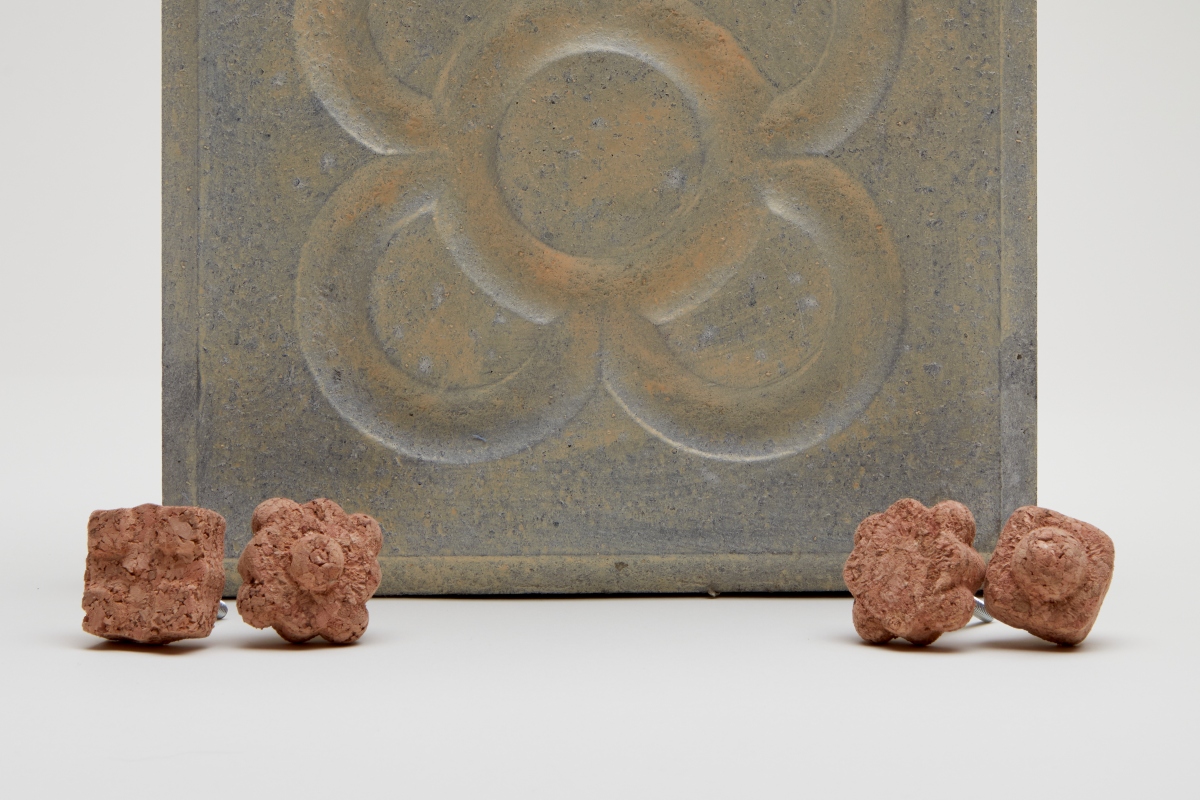
Against flamenco dresses, bull figures, or "I love BCN" t-shirts, which are frequently found in souvenir shops, Elisava students, in an initiative promoted by Amics de la Rambla, have decided to remodel these souvenir objects so that they are truly rooted in the city, with unique proposals that truly approach what the city wants to represent. From bottles with Barcelona scents to a glass spoon designed to break the sugar of Catalan cream, passing through glasses and trays that stack like a castell, the proposals seek to add to the renewed discourse that La Rambla, the city's most emblematic promenade, wants to project.
2. Casa Alfonso turns 90 thinking about its centenary
And it is in this Barcelona, where tourist overcrowding seems to impose fast-food chains, franchises, and 24-hour supermarkets, where historic establishments become icons of resistance and spaces where the city's culture and history are kept alive. Fortunately, Barcelona is still full of centenary —or almost centenary— establishments with history and stories, although many decide to close their doors every day, but there are also establishments that, renovated, come back to life.
Establishments like the Sant Jordi bookstore, led by Rafa Serra —who also revitalized Espai Quera—, or the emblematic Casa Leopoldo, founded in 1929 by Leopoldo Gil and which remained in the family's hands until 2015, when Rosa Gil decided to transfer it. Figures such as Eduardo Mendoza, Vázquez Montalbán, or Juan Marsé had been seen at its tables. A century later, the establishment returns to life thanks to the Banco de Boquerones group, remaining as faithful as possible, not only in its decoration but also in its gastronomic offering, to its glorious past.
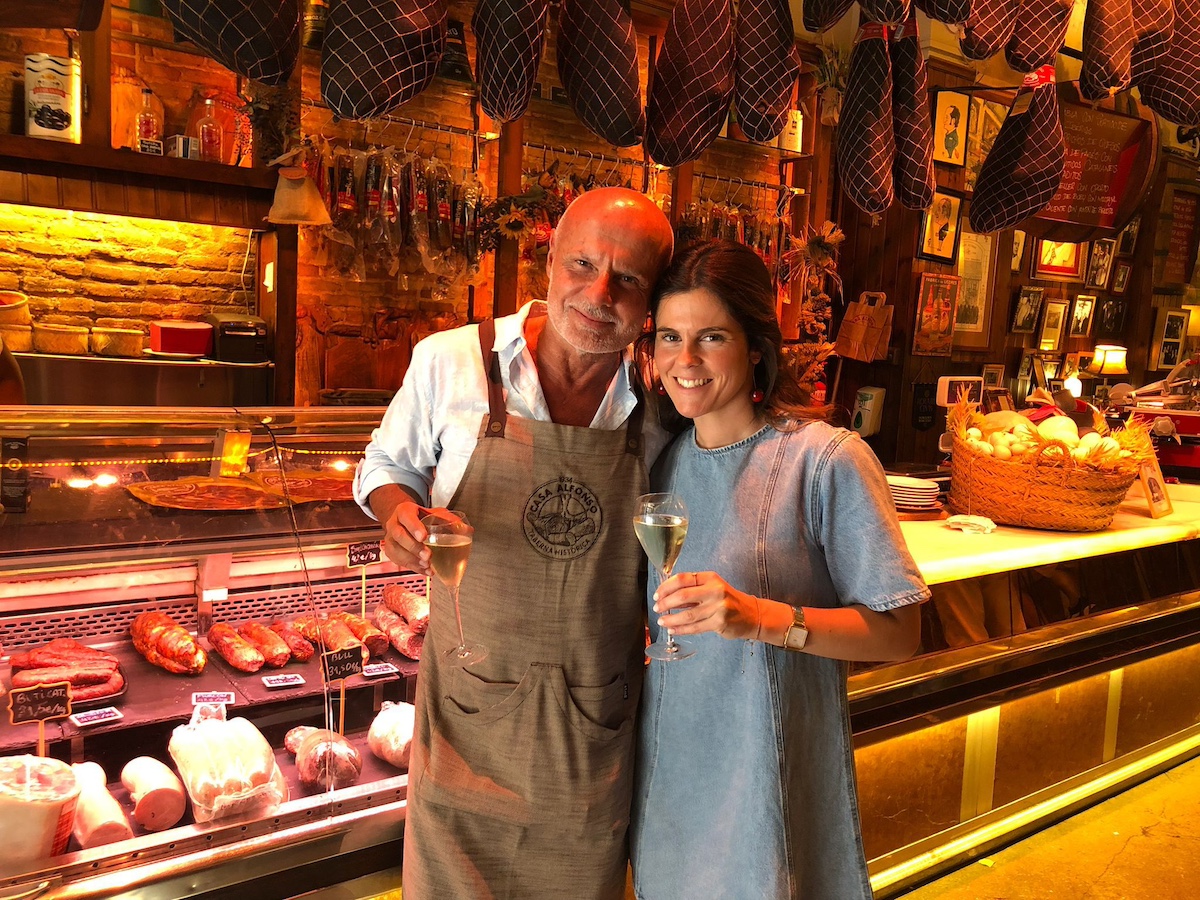
To this list are added spaces that have remained intact over time in the hands of the same family that inaugurated them, despite rising rental prices or globalization. Among them, Casa Alfonso stands out, founded in 1934 by a couple from Jaén —Alfonso and Rosario— and now managed by the third family generation, with Alfonso García as the alma mater of a project that still maintains the spirit of that marriage. "We are an oasis here. When people come to the center, they look for a place to eat and only find restaurant groups or franchises, but they want places with soul," says its owner, who celebrates the establishment's 90th anniversary and is already thinking about the centenary, with a fourth generation —Claudia and Lucía— beginning to take the reins of the family business.
3. The Gran Hotel La Florida is reborn appealing to Barcelonans with its restoration
Just as the stories behind century-old businesses have aroused great interest, so have the stories of the city's hotels. These spaces are witnesses to urban transformations, social changes, and the rethinking of the tourism model. Beyond being places of passage and rest, they are also spaces of memory: where illustrious figures, tourists of different generations crossed paths and where relevant agreements and businesses have also been formed.
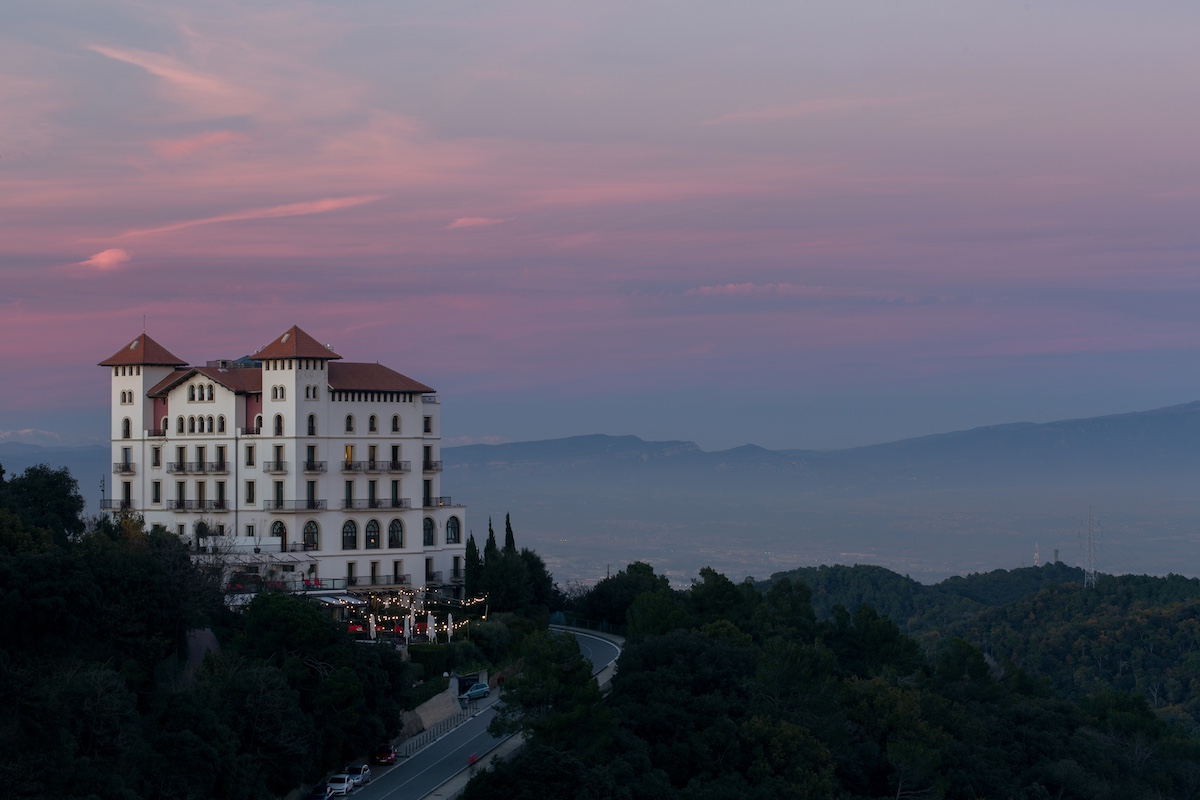
Spaces that, in short, also bear witness to how Barcelona has grown, internationalized, and adapted and reinvented itself over time. To adapt to social changes, the hotels themselves have transformed their appearance, with comprehensive renovations such as that of METT Barcelona —until this year known as Gran Hotel La Florida—, which, after eight months of renovation and 15 million euros, reopened in September, with Atom Hotels as owners. The space is now presented as a luxury establishment, aspiring to attract visitors from all over the world, but also Barcelonians, with its four restaurants and an exclusive spa.
Such is the interest in the history of these spaces that at The New Barcelona Post we have started the series Hotels with History, focused on large five-star establishments and also on inns, guesthouses, and hotels that, without ostentation, have witnessed the history of Barcelona: places that hosted geniuses, adventurers, or almost anonymous characters who left their mark. From the Cuatro Naciones —and the bill they demanded from the genius Chopin for the burned mattress— to the Lamaro Hotel created by Antonio Lamaro when he and his wife were told at The Ritz that they only had a room with a shared bathroom for them; without forgetting what was Pablo Picasso's first studio: the Serras; among many others.
4. Third life for Montjuïc
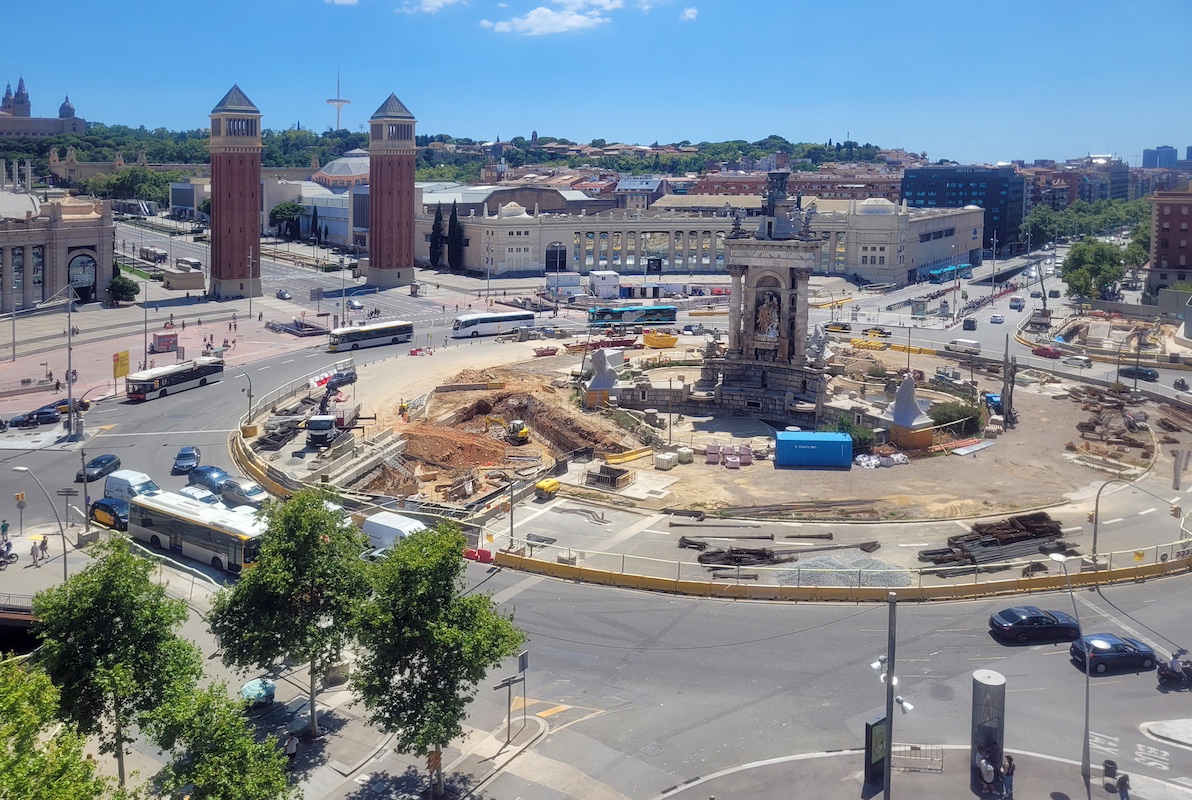
1929 was the year in which Montjuïc —and, therefore, Barcelona— showed itself to the world through the International Exhibition. A century later, the centenary of this event has ceased to be a distant date on the calendar to become a concrete horizon that has driven projects and great transformations on the mountain that was the great space for international projection.
With an eye on the celebration of this centenary, Montjuïc faces its third major transformation in less than a century: the first, with the International Exhibition of 1929; the second, with the 1992 Olympic Games —another event that projected and modernized the city—; and today, with an ambitious project that seeks to connect the mountain with the city. A project that includes the transformation of Plaça d'Espanya, with a more pedestrian-friendly image, the renovation of the Olympic Ring, and the construction of up to 500 homes between Paral·lel and Rius i Taulet.
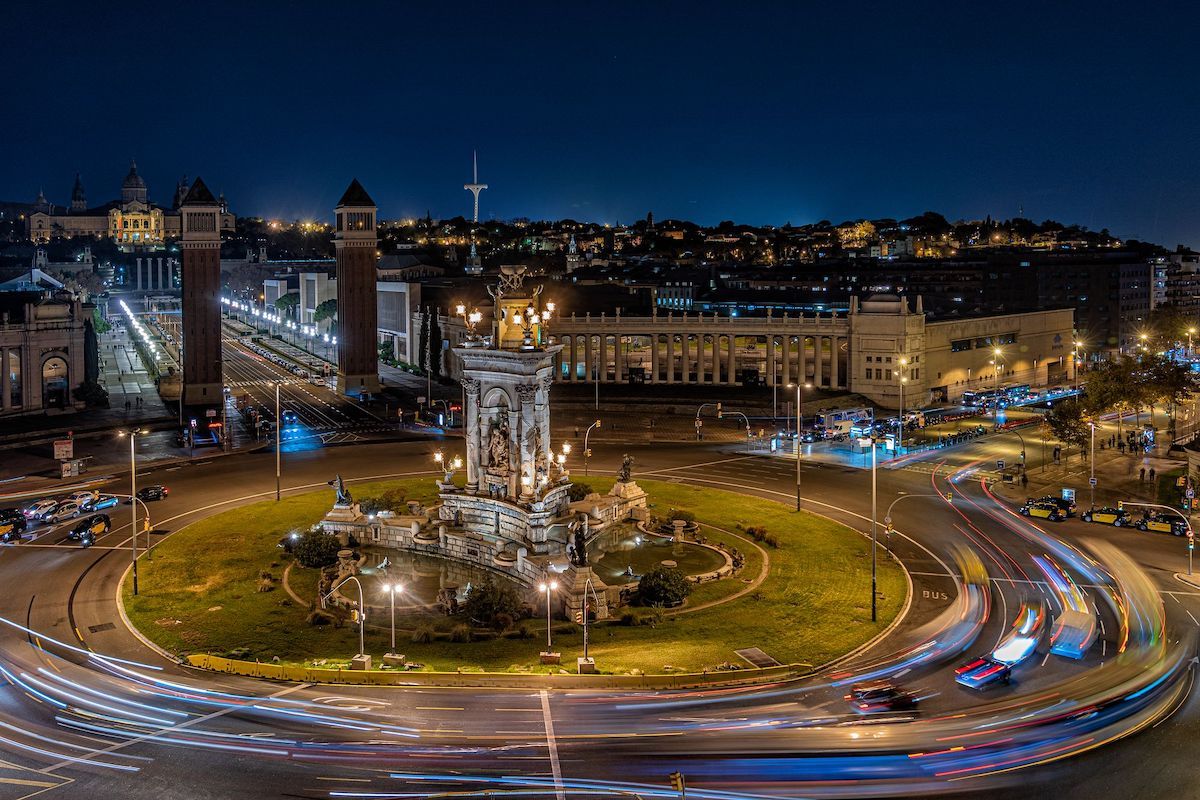
A project that also does not forget the historical elements of the mountain. Elements such as the Museu Nacional d'Art de Catalunya (MNAC), which stands triumphantly beyond the Venetian Towers, and which faces an expansion process with a budget of 122 million and its sights set on 2030. Or the Montjuïc exhibition center that will transition towards a more open design, integrating its surroundings and green spaces, and leaving behind the inaccessible monumentality of its first 100 years of life.
5. Barcelona will become the epicenter of amusement parks
Congresses are also one of the elements that define Barcelona as an open city connected to the world. Events such as the Mobile World Congress or the Integrated Systems of Europe not only place the Catalan capital on the international map, but also mark its economic pulse. In a year in which Fira de Barcelona has once again presented record results, with more than 350 million euros in revenue, a wide variety of events have marked a dynamic and active trade fair calendar.
Events that, beyond their economic impact, also manage to transform the city for a few days: with congress attendees from all over the world dialoguing with the local business fabric; and with talent, innovation and opportunities filling the halls of Fira de Barcelona. In fact, there are congresses of all types and sectors, beyond the well-known Mobile or ISE: from spas or swimming pools (Piscina Barcelona) to the latest gastronomic innovations (Gastronomic Forum Barcelona), including high-end boats and water sports (Salón Náutico).
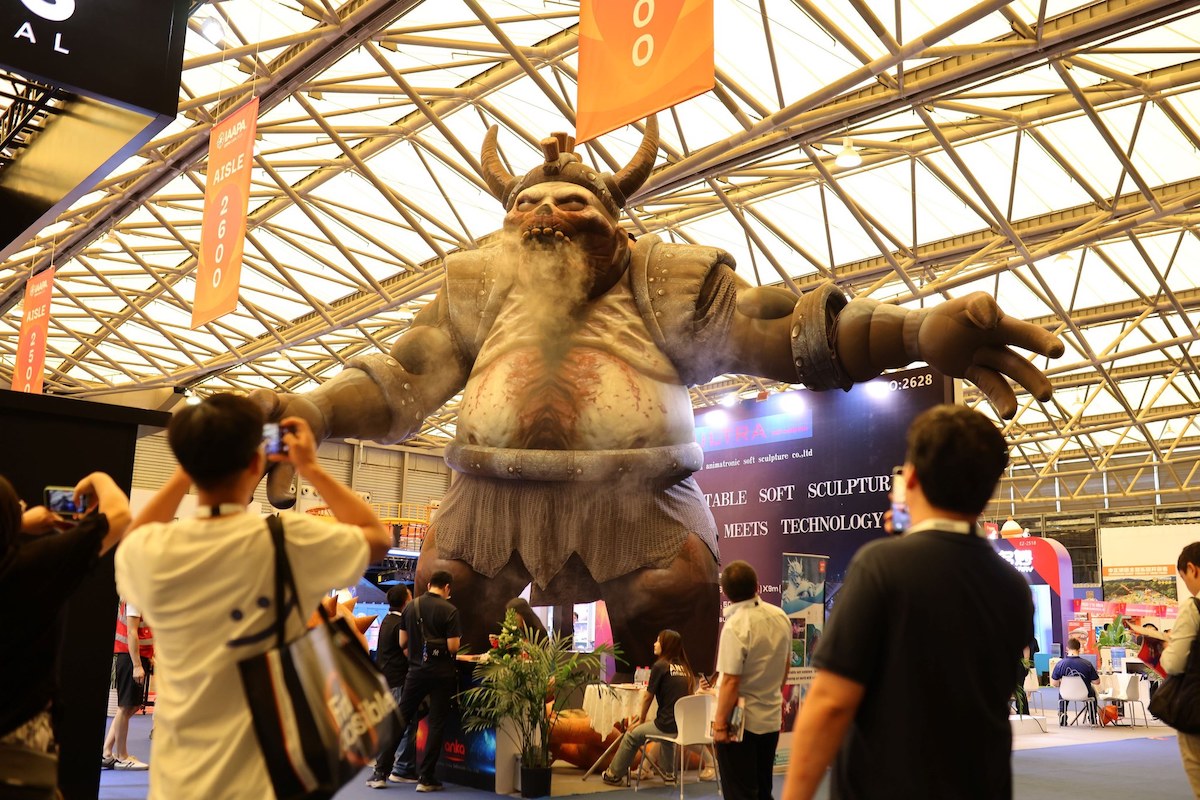
But the trade shows don't stop there: throughout the year, Fira de Barcelona transforms from a showcase of the latest trends in smart or electric cars during the Automobile, to an amusement park during the IAAPA Expo Europe, which has brought together more than 700 international exhibitors from 121 countries. Roller coasters, free falls, slides or Ferris wheels have traveled from their usual locations in theme parks to the Gran Via venue of Fira de Barcelona.
6. 9 keys that will mark the future of literature
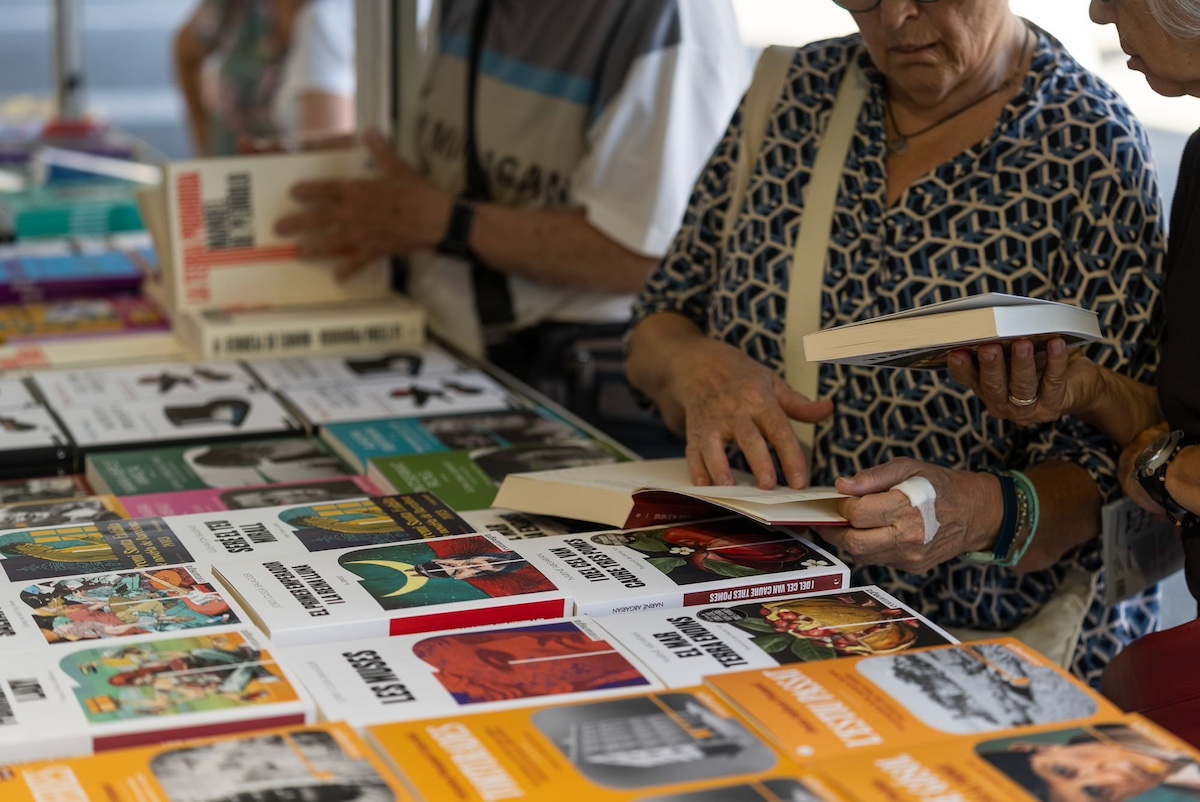
One of the most relevant news items of late 2025 has been Barcelona's participation as a guest city at the Guadalajara International Book Fair, an event that has once again placed the city at the epicenter of the international literary map. An event that the city has reached on its own merits, not only as the birthplace and inspiration of great writers and literary works, but also as the engine of a book industry that projects its influence to the world.
Catalonia concentrates, in fact, a third of Spain's publishing houses (with 268 imprints out of a total of 860) and exceeds the European average of imprints per population. Such is the importance of the Catalan publishing industry that The New Barcelona Post dedicated one of this year's thematic weeks to addressing literature and the publishing industry. The thematic weeks have emerged this year as a new format that bets on deep analysis and slow-cooked journalism, analyzing aspects of the city that project it to the world, such as science or the entrepreneurial ecosystem, through unhurried reports, interviews with relevant personalities, and reflective opinion articles.
During Literature Week, we asked ourselves: How is the role of writers evolving in a rapidly changing technological world? How does reading continue to be a tool for cohesion, critical thinking, and freedom, especially for new generations? Which literary voices are currently standing out? And, finally: what are the keys that will redefine how we write, what we read, and even what we consider reading?
7. Keys to a record airport year
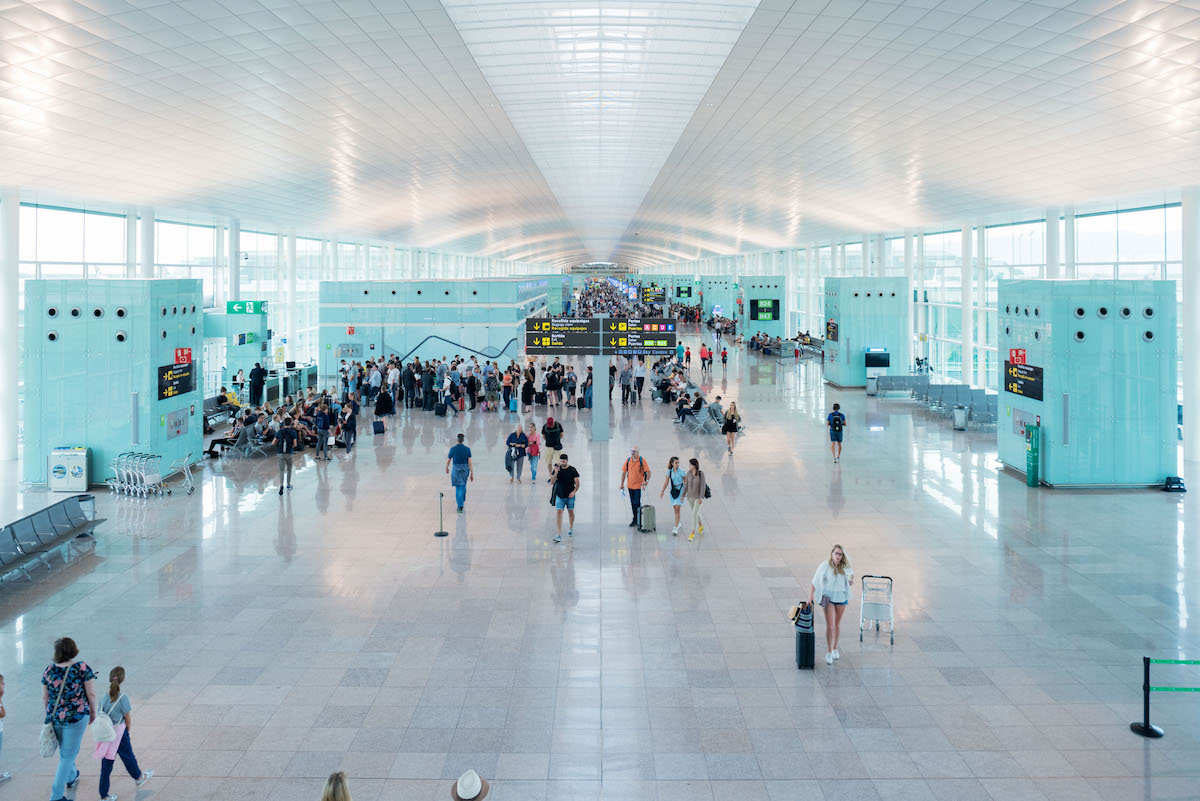
Another major debate that marked the city's agenda has been the expansion of the Josep Tarradellas Barcelona-El Prat airport. This year the agreement was signed between the Government, the Ministry of Transport, and Aena that will define the expansion of this strategic infrastructure for Barcelona and its economic future. With an investment of 3.200 million euros that will be allocated to extending the third runway, building a satellite terminal, and remodeling terminals T1 and T2. The forecast is to approve the Master Plan in 2028, begin its execution in 2030, and have the expansion ready by 2033.
The agreement, however, has not been without debate and controversy. On the one hand, due to its environmental implications: the expansion will affect the natural area of La Ricarda, compensated by the re-naturalization of some 270 hectares of agricultural land. On the other hand, due to the massive arrival of tourists, as the plan foresees going from 55 million annual travelers to some 70 million, in addition to adding about twenty intercontinental routes to the more than 50 existing ones, including the longed-for routes to Delhi and Tokyo.
While the expansion is expected to be unblocked, El Prat airport has closed another year close to its operational capacity. Factors such as new routes or airlines that open non-stop destinations —Uzbekistan or Honduras, for example—, the arrival of large-capacity aircraft such as Emirates' Airbus A380, the recovery of routes such as Barcelona-Hong Kong or Mexico City with AeroMexico, or the reinforcement of low cost airlines such as Vueling, Ryanair or the Catalan Volotea, explain why Barcelona has registered another record airport year.
8. The unusual luthier of Gràcia
But Barcelona is not built only from big names or projects. The city is also forged through small stories and anonymous people who, often silently, make it advance every day. Throughout 2025, The New Barcelona Post has wanted to be a voice for all these stories and people who turn every street, neighborhood, and community of the city into a corner with history and soul, especially through the section Cares Desconegudes, with diverse stories that draw a plural, but also deeply human Barcelona.
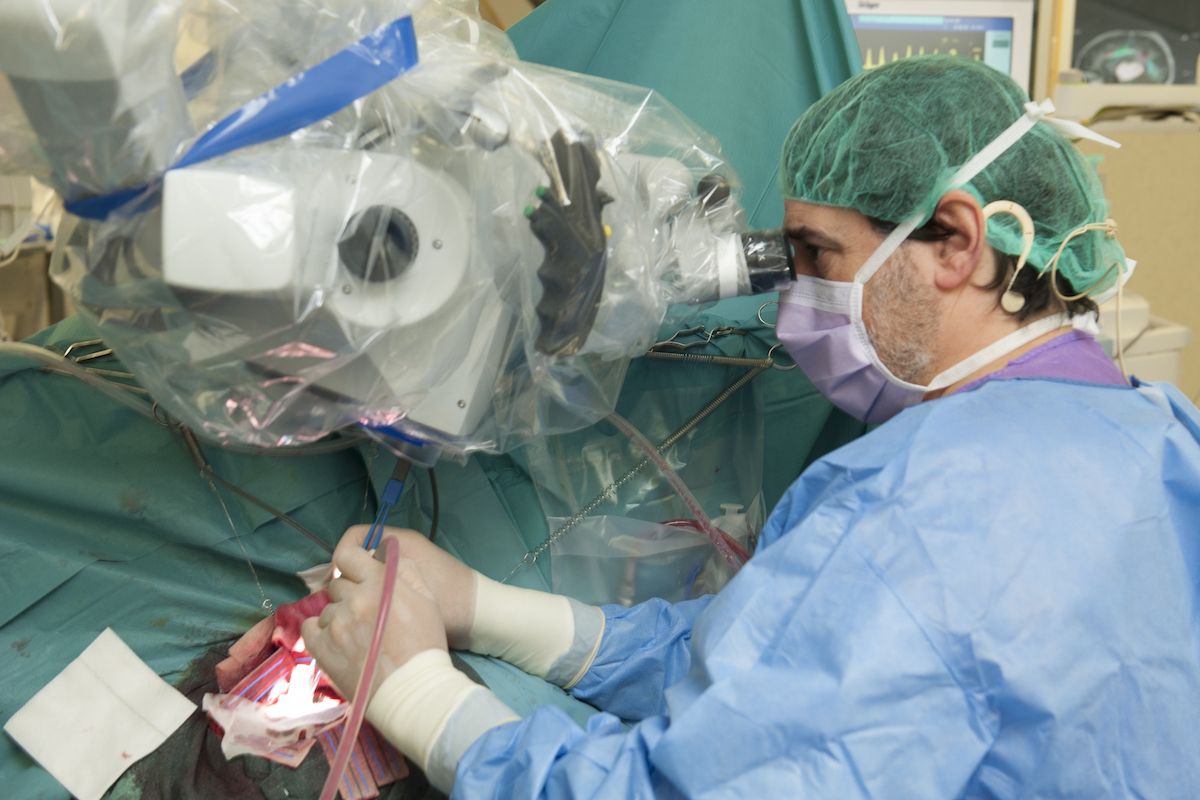
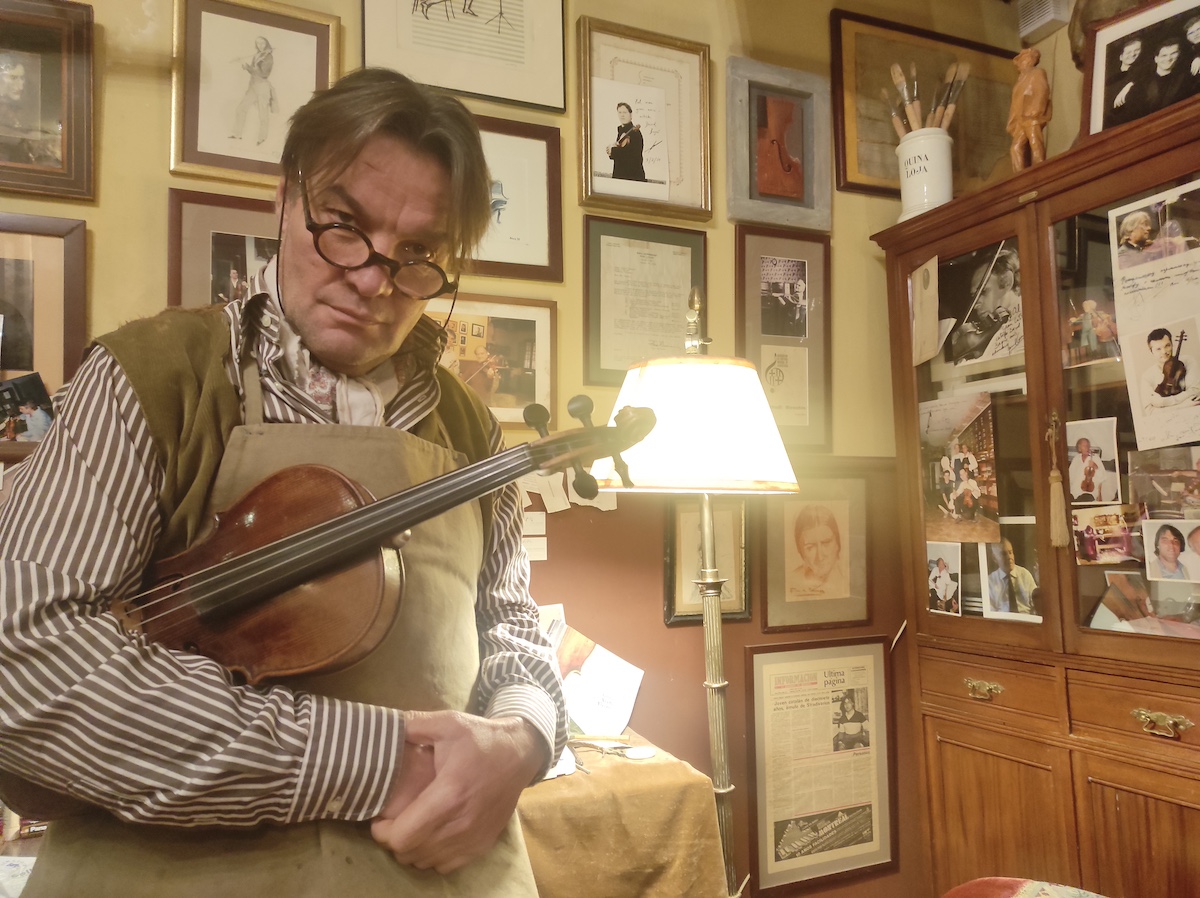
From the unusual luthier —David Bagué— who from his workshop in Gràcia crafts violins that sound all over the world, from the Vienna Philharmonic to the local Cosmos and Casals quartets; to the head of world heritage at Casa Batlló, Amilcar Vargas, in charge of preserving one of the city's great architectural legacies; passing through Andreu Gabarrós, neurosurgeon and creator of the Simfonia dels Herois, a musical project made up of patients who survived brain tumors; or Marta Guillem, who from her shop B de Barcelona champions souvenirs created by small local artisan workshops. All of them are part of this list of people, often anonymous, but essential for building a better Barcelona.
9. Startups made in Barcelona
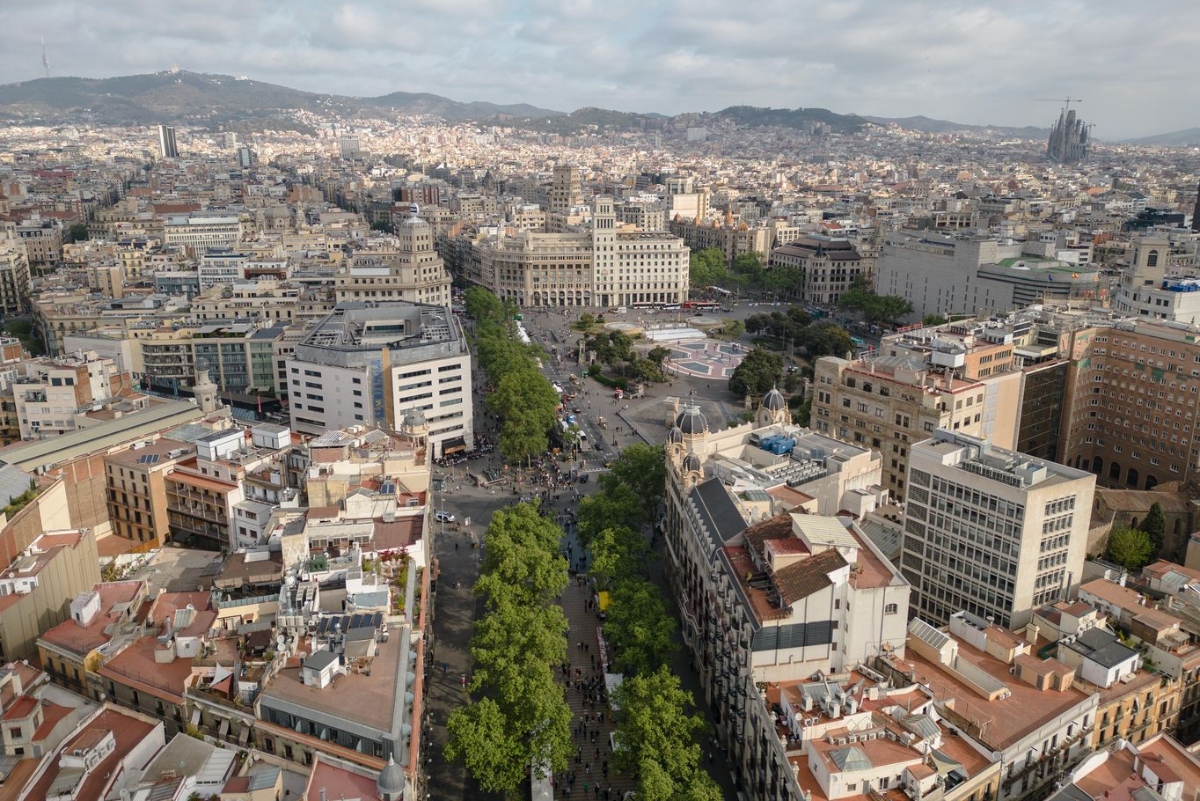
Just as the small stories of anonymous people move Barcelona forward day by day, the entrepreneurial ecosystem is an essential economic engine. The city has consolidated itself in recent years as one of the main hubs for startups internationally, thanks to a dynamic ecosystem that combines talent, innovation, and growing global projection.
The Catalan capital has become a pole of attraction for entrepreneurs, investors, and professionals from all over the world. However, this positioning is not without challenges. There is still a long way to go and challenges such as the retention of local talent, the gender gap and the glass ceiling in the entrepreneurial ecosystem, the technological transfer from classrooms and laboratories to the market through spin-offs, or the need to strengthen the investment fabric, especially in the initial phases.
For a week, The New Barcelona Post reviewed these challenges and opportunities from the perspective of various fundamental actors in the ecosystem: from founders to investors and hubs, including the university or research sphere.
10. The Diagonal biomedical hub expands beyond Barcelona with an eye on the future Clínic
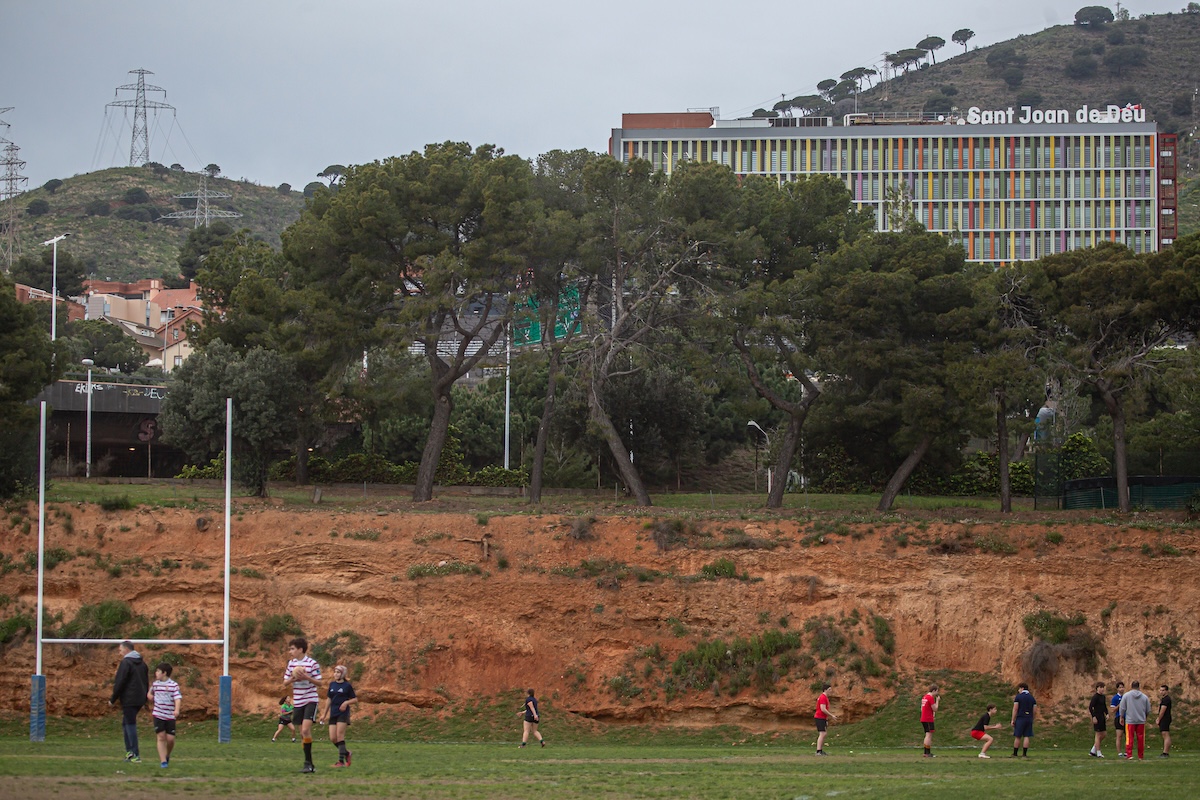
At a time when scientific knowledge is questioned by some sectors, while disinformation gains ground, Barcelona is making a determined commitment to reinforce its leadership in scientific research, consolidating a trajectory that has made Catalonia a reference hub in the pharmaceutical industry and the health sector. Currently, various strategic growth projects are beginning to take shape in the city, aspiring to place the Catalan capital on the international research map.
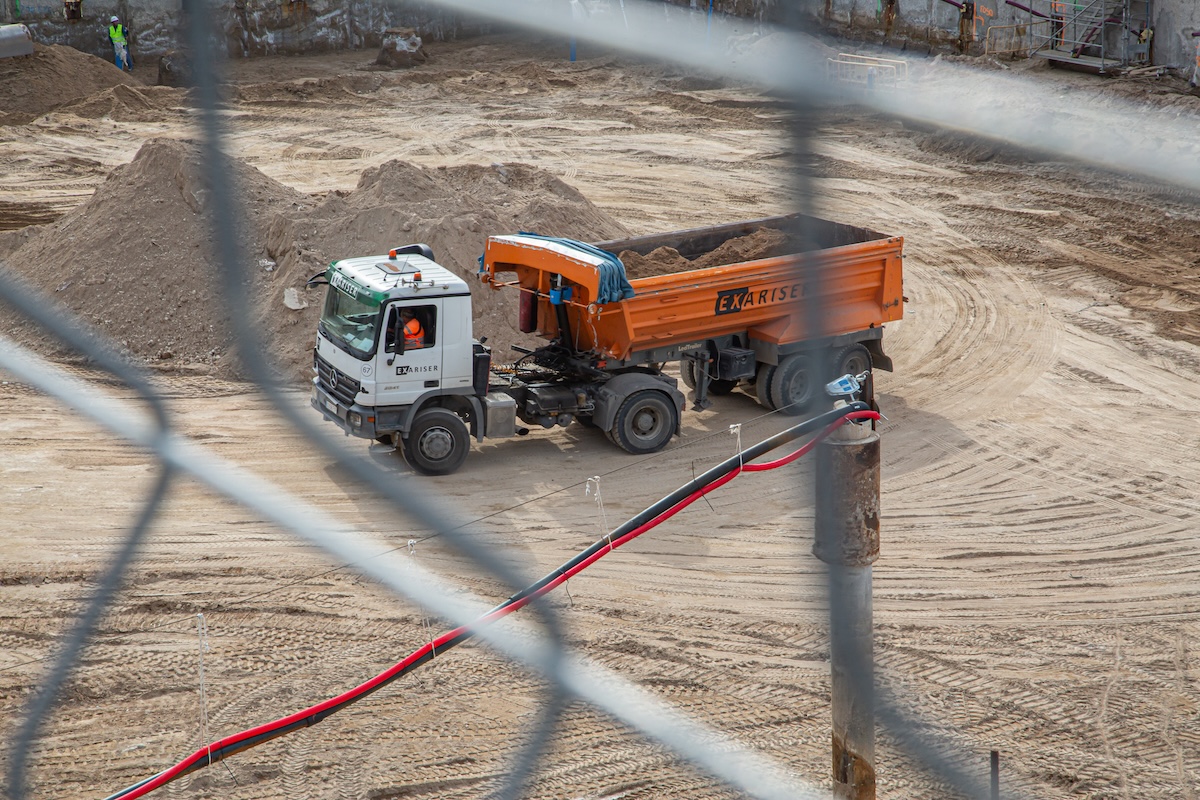
From the Diagonal biomedical hub, which is beginning to extend beyond the city, with actors present in the area such as Sant Joan de Déu or the Parc Científic de Barcelona and with an eye on the future Hospital Clínic —whose works will begin in 2030 with an investment of 1,700 million euros—, to the first foundations of the Ciutadella del Coneixement, on a plot where a scientific complex will be built to house some 2,000 researchers, passing through the new outpatient building of Hospital Clínic or the CaixaResearch Institute, focused on immunology.
With this set of articles that outline the story of the year we are closing, from The New Barcelona Post we face a renewed 2026. We do so with a single desire as simple as it is profound: to continue portraying the pulse of the city, building a positive narrative, while being rigorous, critical and committed. Content that explains Barcelona from its challenges and its complexity, but also from its ambitions and opportunities.
Add The New Barcelona Post as your preferred Google source for free
Stay informed with the latest news.