
The celebration of the America's Cup in Barcelona has once again brought to the table the debate about the suitability of holding large events in the city as a positioning and promotion strategy. Once its continuity was ruled out by the Barcelona City Council, some protest scandalized and consider that the city must retain it at all costs. Others, for their part, argue that, once the objectives have been met, Barcelona and the rest of the administrations do not have to be the ones to bear the cost of the competition with public money. Finally, there are other groups that have denounced and rejected the model of attracting large events for being an extractive model that only benefits the elites or because Barcelona does not need to be promoted because it already has an excess of tourists.
Barcelona is a desired destination for organizers of large events because it is a guarantee of successBeyond who may be right in this specific case or other specific ones, it is convenient to reflect onwhat should be the guiding principles of a strategy for attracting major events and promoting a city that is already consolidated as one of the new global cities.In today's world, a city that looks at the present and the future with coherence, ambition, and optimism must base its development strategy on three fundamental pillars. On the one hand, competitiveness, that is, offering employment opportunities and professional and personal development to its residents, neighbors, and the territory as a whole. Something that involves decisively committing to being an open city to attract talent and investments. On the other hand, sustainability, that is, transitioning towards a city model based on decarbonization, betting on smart specialization that reconciles economic development with the preservation of global public goods and the effective fight against the climate crisis. Finally, and in an undeniable way, that it preserves and improves equity, that is, a fight against territorial injustices and economic and social inequality.
And that is precisely the question and the most difficult thing to measure and manage. What events contribute to the general interest of the city and the country, and which are merely fireworks serving a few? There is no magic recipe, and the responsibility of public managers is precisely to have the ability to make the right decisions at the right time.
We must bet on a model for attracting and promoting major events that is consistent with the city we are and want to beMy experience over the years, and particularly the last three years in the Barcelona City Council, is thatthree types of major events must be intelligently paired.These should not focus solely and exclusively on the Catalan capital, but rather be done in a coordinated manner with the entire territory of the Metropolitan Region, taking advantage of the umbrella of the Barcelona brand as an aspirational, emotional, and global brand.
Firstly, the commitment to global reference fairs and congresses. Barcelona is a desired destination for organizers of large events because it is a guarantee of success. This is demonstrated by the major fairs that, over the last few years, landed in the city to stay and grow, such as the Mobile World Congress, the ISE ---the most important audiovisual congress in the world--- or more recently the Sea Food Expo Global, the seafood fair that, after thirty years in Brussels, decided to bet on Barcelona. These and others like the Smart City World Expo are events that act as catalysts and generate value throughout the year, reinforcing not only the city's positioning but also local ecosystems, attracting talent and investment.
On the other hand, there are major events and conventions that are organized in the world's great cities and where Barcelona is a mandatory stop, such as major UNESCO congresses, medicine, architecture, or conventions of large global corporations that put Barcelona in the focus of corporate decision-makers. As a result, major investments have recently arrived in the city, such as that of the pharmaceutical company AstraZeneca.
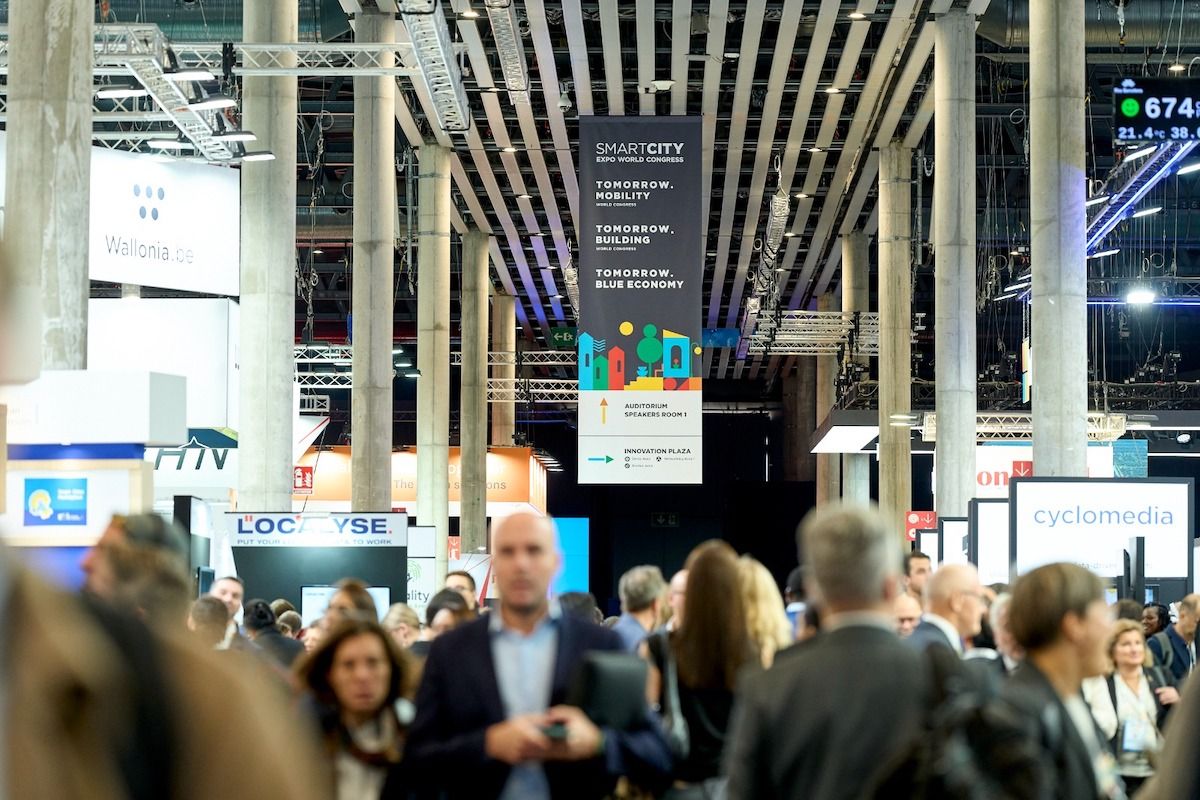
Secondly, niche events that give notoriety and global positioning to the city in strategic sectors linked to new global value chains, that is, innovation, biomedicine, health, new technologies and frontier materials, the chip economy, cleantech or climate tech, the impact economy, and high gastronomy, among others. These are sectors that will be the vectors of tomorrow's competitiveness and that put Barcelona on the radar of the world's most innovative companies.
Finally, there are events that some may qualify as Show Off but which have relevant importance for the global positioning of the city. These events yield medium and long-term returns and constitute a central element of the resilience of the Barcelona brand in the world. This is the case, for example, of F1 in Montmeló. Active listening studies tell us that, excluding mentions of F.C Barcelona, F1 is the event in which Barcelona is most cited in the world in digital media and social networks thanks to the large audiences of television and content platforms.
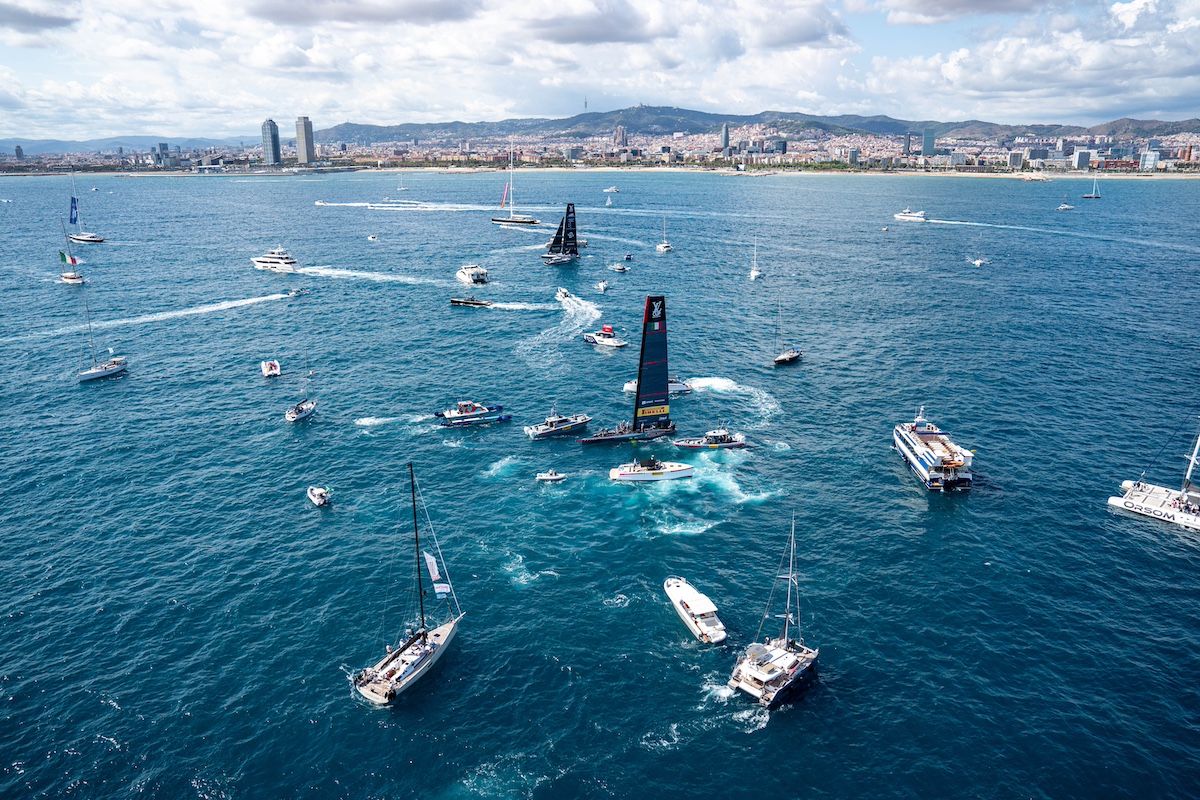
The present and future of Barcelona involves continuing to bet on being an open and global city, managing the challenges and contradictions that this generatesThat is also the case for the America's Cup, which from my point of view has had the great merit of constituting achange makerin the city's self-esteem, has given new impetus to the reputation of the Barcelona brand and has accelerated investments, but it has already fulfilled its objective and we should bet on other events, such asthe Grand Départ of the Tour de Francein 2026 or the Ryder Cup in 2031, which are great levers for global promotion. Likewise, major concerts by music stars such asBruce Springsteenor the festivalsmade in BarcelonaasSonaror thePrimavera Soundplace the Catalan capital on the map of global cultural circuits, in a city where 14% of jobs are already in the creative industries sector.
In short, we must bet on a model of attracting and promoting major events consistent with the city we are and want to be. Major events must be at the service of the general interest and not solely at the service of the particular interest of some influential groups in the city. Investment costs cannot be measured solely by a number, but by the generation of value in the short, medium, and long term, linked to that trinomial of competitiveness, sustainability, and equity. The present and future of Barcelona involves continuing to bet on being an open and global city, managing the challenges and contradictions that this generates, which also exist. That is what politics is for, to make informed decisions. Let us not fall into the error of becoming prisoners of either populism or the interests of some elites.
Add The New Barcelona Post as your preferred Google source for free
Stay informed with the latest news.