The tourism that leaves a mark: the invisible legacy of professional travel
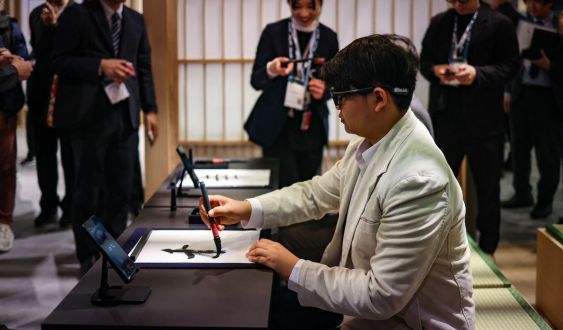
Visitant del MWC Barcelona.
Business and congress tourism not only generates a high economic impact on hotels and services, with more than 1,384 million euros annually and a return of up to 450 euros for every euro invested, but also leaves a legacy of knowledge, innovation, and lasting impact on the city
When talking about tourism, one often imagines the visitor who, camera in hand, explores Barcelona in search of its great attractions: the most emblematic monuments, the architectural beauty of its streets, or its renowned gastronomic and cultural offerings. But there is another profile of visitor, less visible and rarely identified as a tourist, yet key to the city's economy and international projection: the one who arrives not with a camera, but with a briefcase, accreditation, and an agenda full of meetings. This is the business and congress tourist, known as MICE —for the English acronym of meetings, incentives, conferences, and events—, a segment in which Barcelona has consolidated itself in recent decades as one of the great international benchmarks.
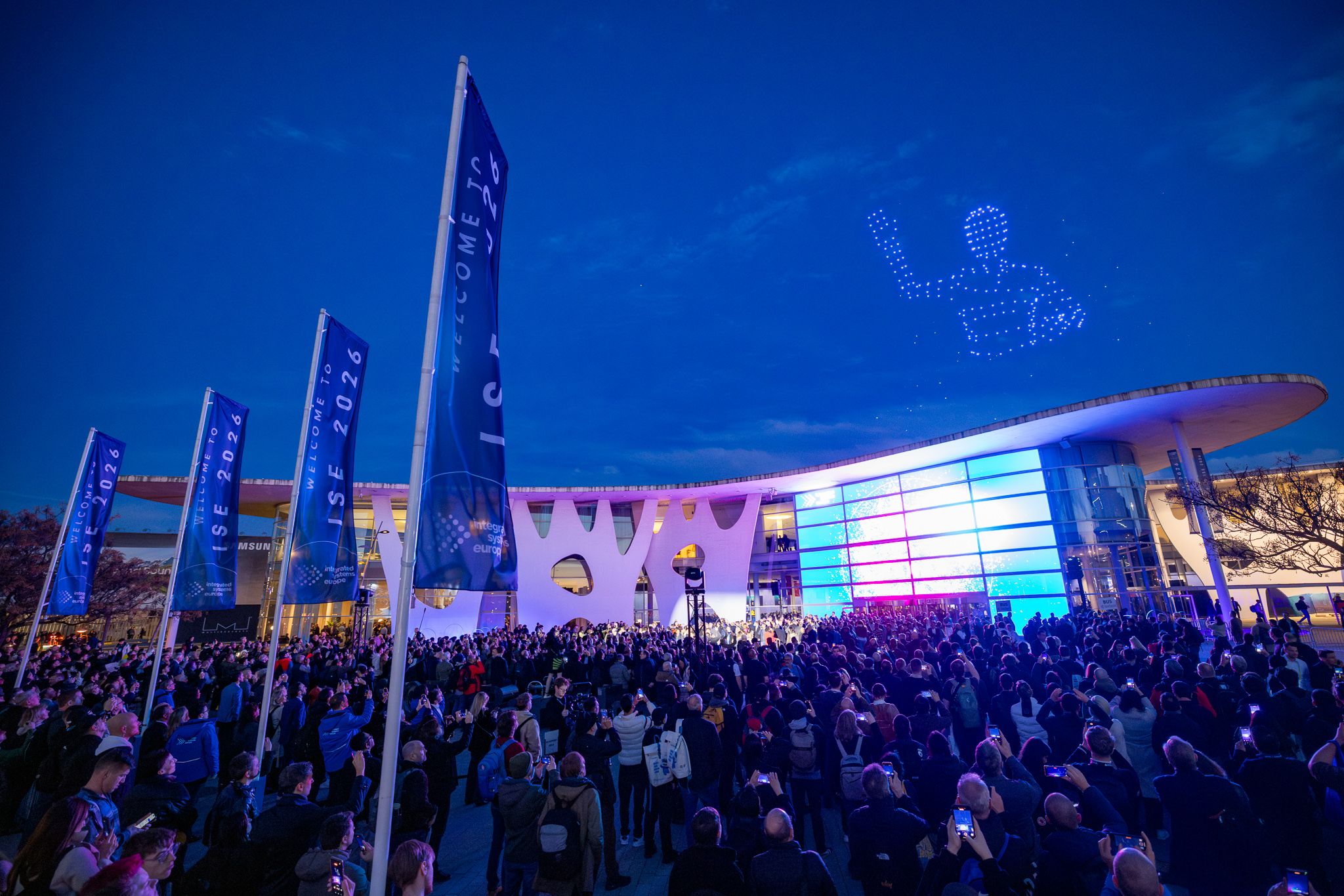
The figures support this: in the last year alone, the city hosted 142 international congresses and 125,826 delegates. These data confirm Barcelona's international weight, which ranks fourth worldwide in the number of congresses according to the latest report from the International Congress and Convention Association (ICCA), only behind Vienna, Lisbon, and Singapore. And even more: the Catalan capital leads the world ranking in the number of congress attendees, driven by large-format events such as the Mobile World Congress or Integrated Systems Europe (ISE), which act as major engines of the sector. This leadership is especially reinforced in the health sector, where it leads the world ranking in the number of medical congresses.
Although large international congresses are the most visible and media-friendly segment of MICE, business tourism goes much further and also includes corporate meetings, team buildings, company presentations, business trips, or smaller format conventions. Thus, if the focus is broadened beyond the ICCA ranking and all congresses and meetings are counted, the dimension of the sector grows significantly: in 2024, the city hosted 1,986 meetings, of which 1,410 were corporate meetings and 558 were congresses.
These facilities are joined by other spaces managed by Fira de Barcelona, such as the Barcelona International Convention Center (CCIB), especially relevant in the field of medical congresses, or the Circuit de Barcelona-Catalunya, whose management Fira took over last year to expand the possibilities of the sector even beyond the urban core.
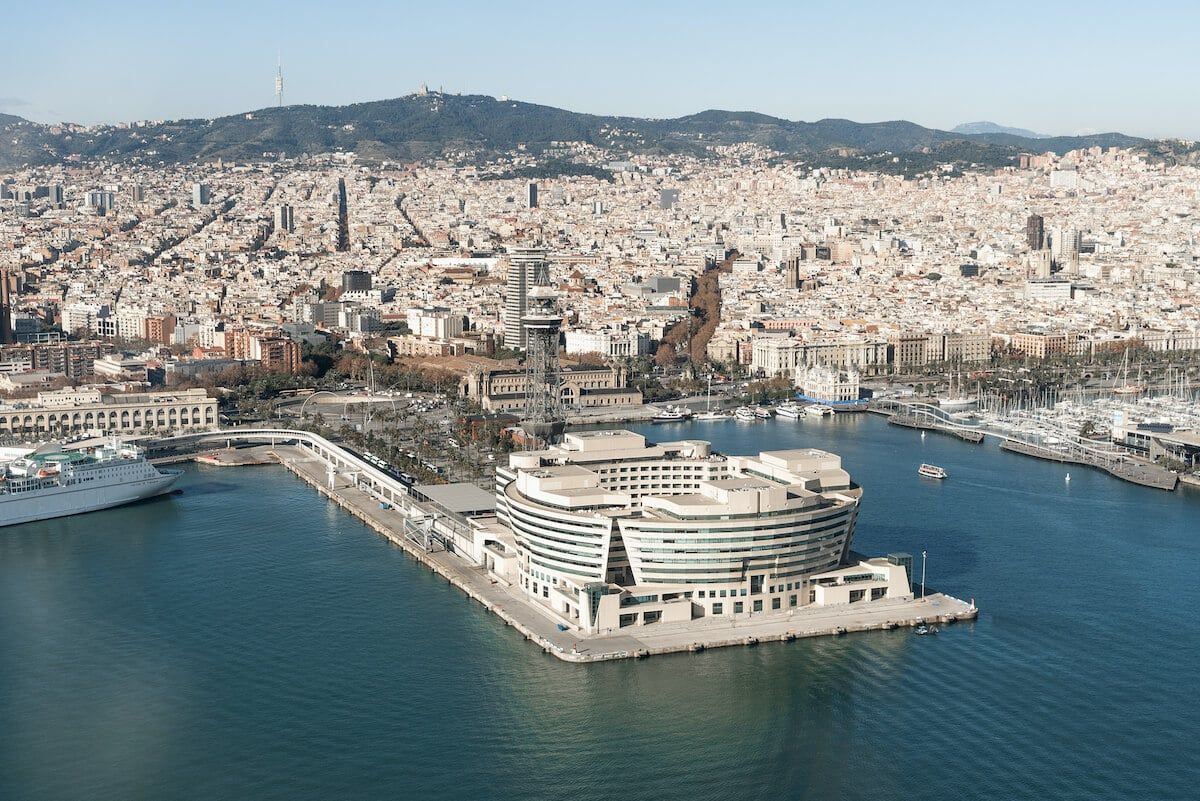
Beyond Fira, the city also has infrastructures such as the World Trade Center Barcelona, with 130,000 square meters —45,000 occupied by three office buildings— facing the sea and with capacity to host everything from small corporate meetings to large congresses. The Eurostars Grand Marina and the accompanying services of the WTC team complete the offer of this space, which last year hosted up to 350 events, with a special focus on conventions and meetings in the maritime, medical, and technological fields. This year, the center is preparing to host a major event: the AI Summit, which expects to gather up to 10,000 attendees between September 22 and 23.
Aerial view of the World Trade Center of Barcelona. To this ecosystem must be added hotels, restaurants, and other private spaces with multipurpose rooms, as well as facilities forcoworking, which allow adapting to very diverse formats. Beyond the infrastructure, the city also stands out for "a modern hotel plant and very efficient connectivity, with reduced distances between the airport and the main exhibition centers", according to Tessmar. The climate, as well as the gastronomic and cultural offer, complete a destination that invites congress attendees to enjoy it beyond meetings.
Christoph Tessmar: "Some cities, when they attract congresses, forget about them; in Barcelona, however, doors are opened and there is collaboration to guarantee their success"
"The global package is very attractive," summarizes Tessmar, who also highlights another key factor: the collaboration between administrations, hotel sector and restoration"Some cities, when they attract congresses, forget about them; in Barcelona, however, doors are opened and there is collaboration to guarantee their success." This discreet but essential machinery is also coordinated through the Barcelona Convention Bureau, which accompanies events throughout the entire process. A clear example of this public-private collaboration are theMICE funds, created in 2021 to attract and support conferences in the city. By 2026, they will have more than 3 million euros annually: the City Council contributes 1.4 million, to which 1.5 million from the Gremi d'Hotels and the Barcelona Convention Bureau are added, and 300,000 euros from Turisme de Barcelona. Since its creation,this instrument has allowed to capture or retain 134 events.
Two great engines: technology and life sciences
Within the scope of congresses and conventions, Barcelona stands out especially in two major sectors: technology and life sciences. And it is no coincidence: these are also two of the areas with the greatest weight in the city's economy and research. In the technological field, events such as the Mobile World Congress —which this year marked two decades since its installation in Barcelona in 2006—, the Integrated Systems Europe (ISE) or the Smart City Expo World Congress are part of an ecosystem that connects companies, start-ups and investors.
Pau Relat, president of the Board of Directors of Fira de Barcelona, summarizes it this way: "The business visitor who attends a medical congress or a technology fair has a very different profile from the traditional tourist: they spend more, stay more nights and, in many cases, return to the city, first as a congress attendee, then as a tourist and even as an entrepreneur," establishing a relationship with the city that goes beyond the visit and considering investing in it later.
The data corroborates this profile: the visitor who comes to the city for professional reasons spends an average of 190.06 euros daily on accommodation and 106.66 euros on food and personal expenses, to which must be added 611.15 euros for congress registration and 662.55 euros for transport, according to the 2024 Congress Tourism Survey. This is a much higher expenditure than that of the conventional tourist —especially in accommodation, where high-end establishments with exclusive meeting spaces are often prioritized—, who spends about 88.20 euros per night and 106.27 euros daily on general expenses, according to the Barcelona Tourism Observatory.
A profile also corroborated by Perk, a business travel management company, where users staying in Barcelona spend an average of 194 euros per night, almost double that of leisure tourists. "It's a more demanding type of traveler, less price-sensitive and much more oriented towards value and travel comfort," says Adrià Izard, sales director for Spain and Portugal.
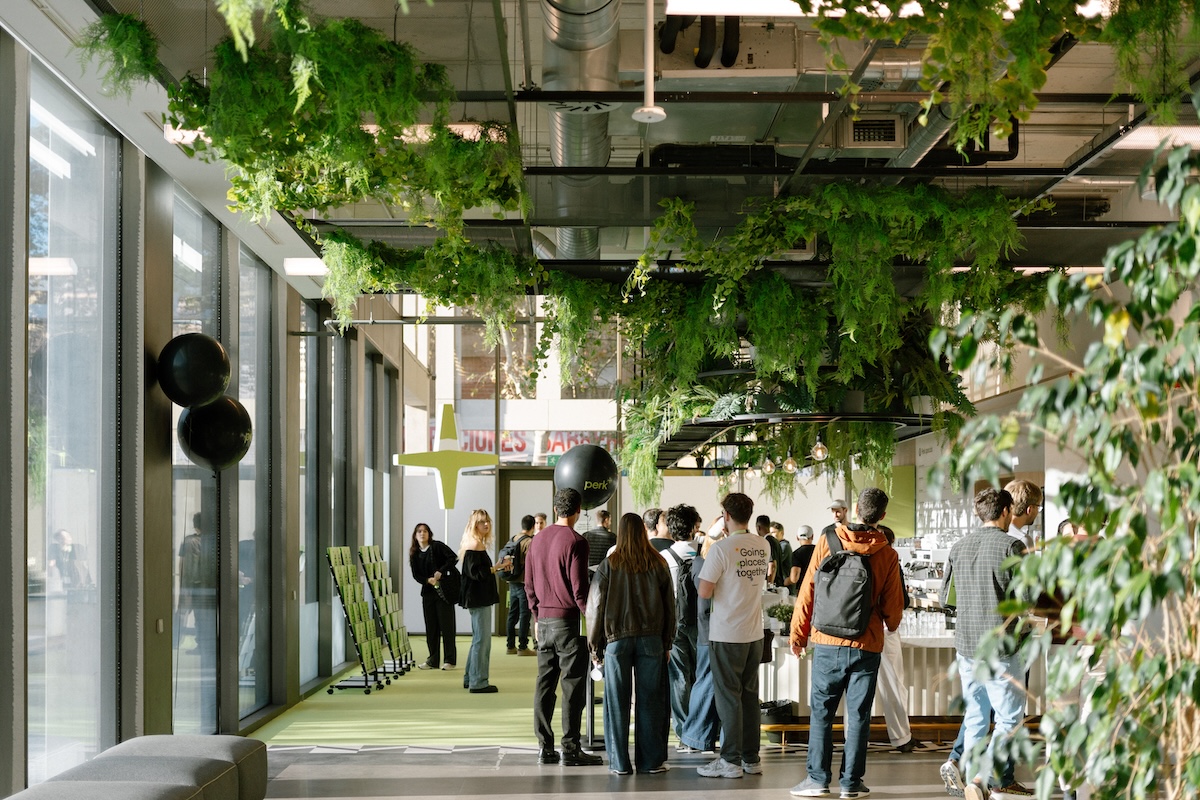
Perk Offices.
Izard also highlights another key characteristic: "It is a less seasonal type of tourism with clear recurrence. When a company has a subsidiary or a client in the city, trips are repeated, unlike leisure tourism." The company, born in Barcelona, knows the sector on a global scale: it operates in about fifty markets, with 12 offices between the United States and Europe and 1,800 employees —900 of them from Barcelona—, and emphasizes that the city is a particularly demanded destination for corporate events. Barcelona registers activity throughout the year, but with special intensity between February and March —coinciding with events such as ISE or Mobile— and also in autumn, between September and November, months in which business activity usually concentrates.
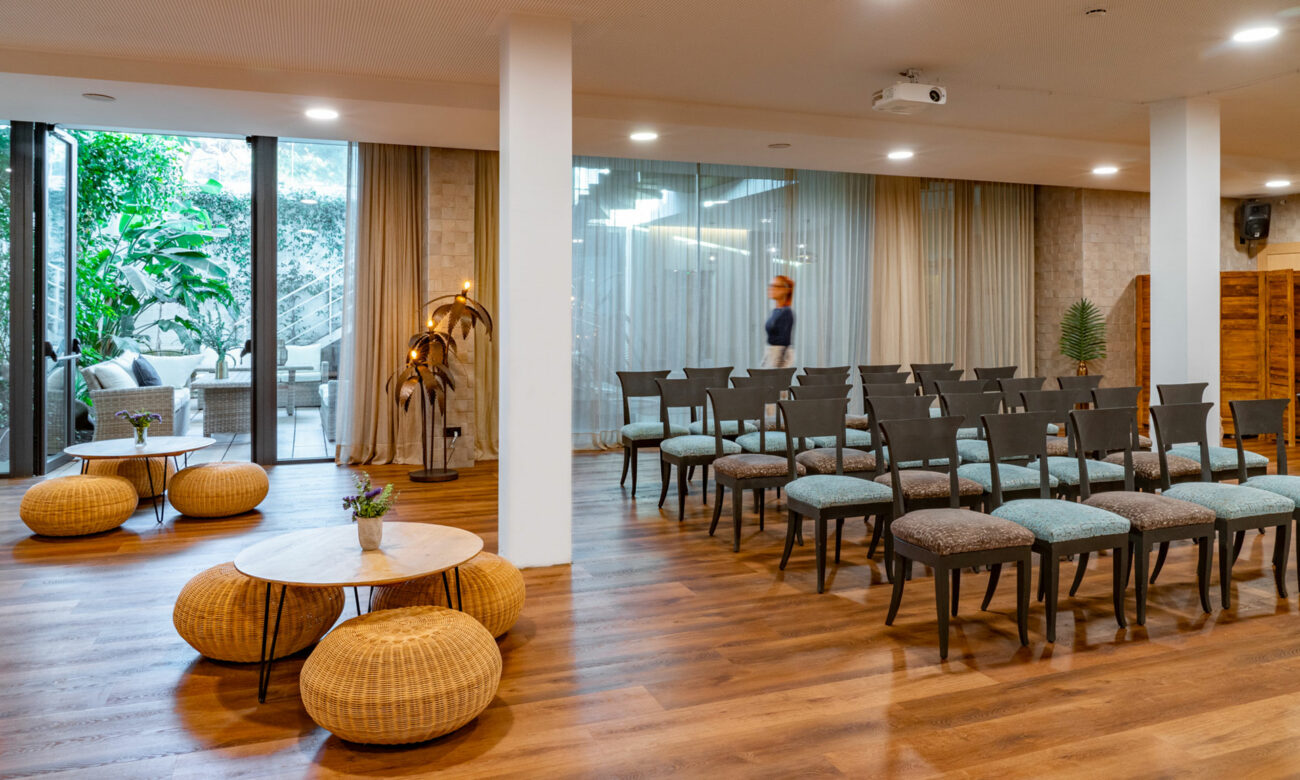
Thus, unlike leisure tourism, mainly concentrated in the spring and summer months, congresses are distributed throughout the year. "Congresses and business meetings allow us to balance business and maintain tourist activity throughout the year," point out Mireia Carrera and Júlia Nicolau, heads of the events department at Playa Grande. The complex, located on the beachfront in Gavà, has a boutique hotel, a Mediterranean cuisine restaurant, and private rooms specially designed for corporate events.
The pandemic, which paralyzed congress activity worldwide and boosted online formats, cast doubt on the future of corporate travel. But the data confirms not only its recovery, but also its growth. "There is a tendency to extend the stay around congresses, arriving earlier or leaving later," remarks Adrià Izard, from Perk. In fact, data collected by the platform indicates that 43% of travel managers have increased the budget for in-person meetings in recent years, with trips that usually last between two and four days, while single-day trips have dropped from 19% (2019) to 9% (2023).
These trips have grown especially in cities like Barcelona, which is consolidating itself as a global reference city. In the Catalan capital, although leisure tourists are still the majority, business and congress tourism already represents close to a fifth of the total visitors. These data coincide with those of Vueling, an airline based in Barcelona, which estimates that approximately 20% of its passengers travel for professional reasons, while 80% do so for leisure.
Óscar Cerezales: "The legacy cannot remain an abstract idea, a feeling or the idea that the event went well; it must translate into a concrete project"
Demand is so high that, for events like Mobile, the company has reinforced the city's connectivity with additional frequencies on 16 routes, a sign of the growing importance of business and congress tourism in Barcelona. In this regard, Marta Puigvi, Vueling's director of sales, payments and distribution, assures that "Barcelona has consolidated itself as a key entry and exit point for both tourism and business and professional activity."
The legacy, beyond economic impact
This intense volume of activity translates into a significant direct economic impact, which in 2025 reached 1,384.42 million euros. Beyond this global figure, one of the indicators that best illustrates the profitability of the sector is the return on investment: according to the Barcelona Convention Bureau, it can reach 450 euros for every euro invested. Hotels, restaurants, catering services or audiovisual companies, among others, benefit from this impact, which also translates into employment: in Fira Barcelona alone, up to 49,000 jobs are generated.
Although the focus is often placed on the economic impact —especially in events like ISE, with more than 520 million euros in impact, or Mobile, which since its arrival in the city in 2006 has generated some 6.9 billion euros—, the value of MICE tourism goes further. It translates, especially, into legacy: a legacy both intangible and tangible. The intangible reinforces the business ecosystem and favors the establishment of new companies in the city, and even promotes research and innovation in the health sector. The tangible legacy, for its part, materializes in the creation of jobs and even in concrete projects with a lasting impact on the territory.
Because, as Óscar Cerezales, Global President of MCI Group, emphasizes, legacy "cannot remain an abstract idea, a feeling or the idea that the event went well. It must translate into a concrete project: it can range from investment in research, educational programs, improvements in the healthcare system or access to knowledge that did not exist before. But it must be real." In the words of the Barcelona Convention Bureau, "if you don't work on the legacy, nothing remains."
"If the legacy is not worked on, nothing remains, because the city obtains no benefit and the event could be held here or in any other city just the same," adds Christoph Tessmar. For this reason, the Barcelona Convention Bureau has been working for a year on the so-called Legacy Program to facilitate that congresses leave a positive and tangible mark on the city, promoting projects directly with the organization of international congresses, but also adding local entities that can contribute their knowledge and vision.
This is the case of the Spanish Association Against Cancer (AECC), which, through the connection facilitated by the Barcelona Convention Bureau with the European Society of Gastrointestinal Endoscopy (ESGE), has promoted various initiatives to promote early detection of colorectal cancer. These actions include an awareness campaign in the Besòs Municipal Market, an area with low participation in screening programs, and a charity race to raise funds.
The medical sector of Barcelona gathered at the CCIB.
"In Barcelona, top-level medical congresses are held, but they are often not very visible to society. We must work to ensure they have real impact and reach: it's not just about the city hosting these events, but about them helping to generate awareness and progress in these areas," says Pau Berbel, Head of Institutional Relations at AECC.
And this is not the only initiative of the program, as the model has also been replicated in other congresses, such as the International Lung Cancer Congress, which led to a working document that is now being developed with the Department of Health to advance anti-smoking policies, or the World Parkinson Congress, which promoted training for hotels and the Urban Guard on how to act in a crisis. For Josep Tabernero, head of the Medical Oncology Department at Vall d'Hebron University Hospital, medical congresses "are platforms for generating and exchanging knowledge that accelerate its translation into clinical practice," and contribute to generating knowledge and alliances that endure in the city.
Carles Anglada: "Barcelona has a supply problem, not a demand problem. If we could host more congresses, we would have more."
These are not the only examples. In fact, "more and more congresses are incorporating this legacy dimension," Tessmar points out. In some cases, they have even led to stable structures, such as MWCapital, a public-private entity linked to Mobile that promotes the city's digital development. These types of events also contribute to strengthening Barcelona's technological ecosystem, which already has more than 160 hubs of international companies and generates nearly 2.879 million euros and 35,000 jobs. Along the same lines, ISE has announced this year the creation of its own foundation with the aim of translating the growth of the audiovisual sector into concrete opportunities for professionals and companies.
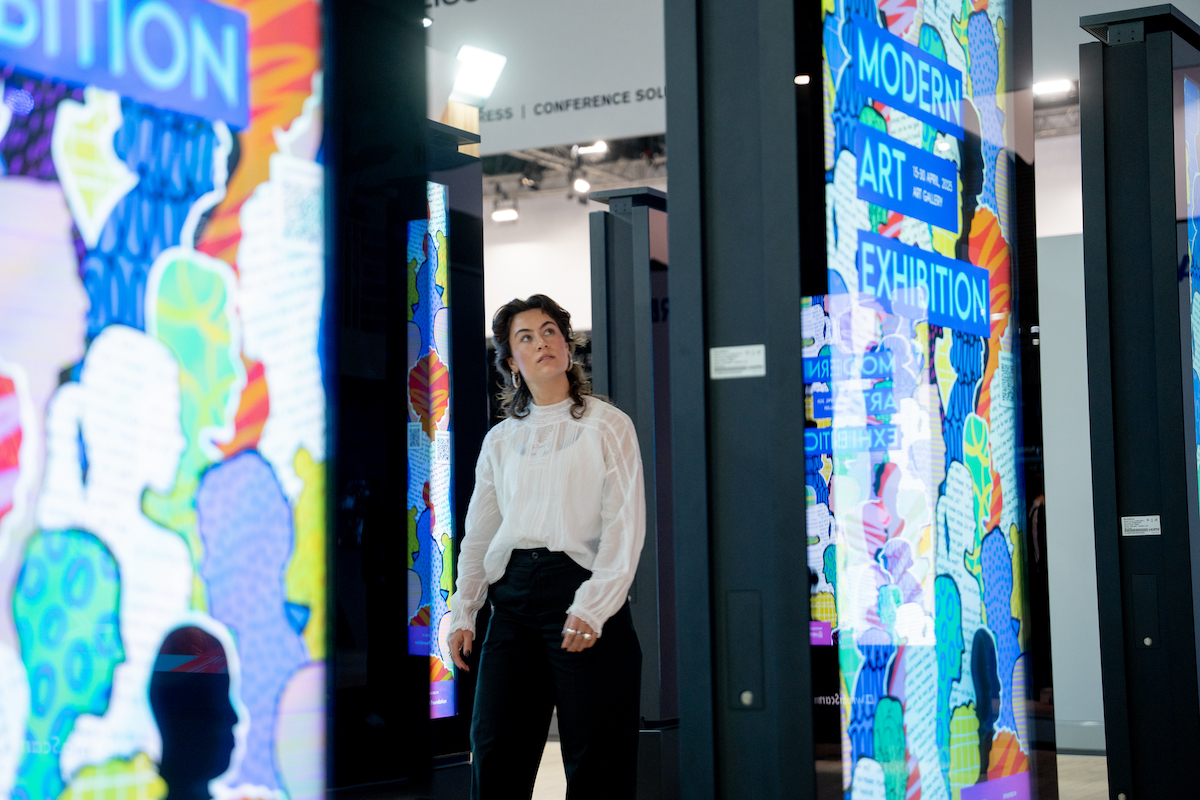
Attendee at ISE.
Beyond these examples, the sector agrees on the same reading: the city is experiencing a moment of sustained growth in MICE tourism. From the World Trade Center, its president Carles Anglada summarizes it clearly: "Barcelona has a supply problem, not a demand problem. If we could host more congresses, we would have more." The city finds itself, thus, in a scenario of growth of this type of tourism that, although it is not the visitor usually associated with leisure tourism —the one who tours the city camera in hand—, already has a relevant economic impact and an increasingly important weight in the form of knowledge, connections, and legacy.
Add The New Barcelona Post as your preferred Google source for free