From a former 3D cinema to an interactive experience centre. This is the journey of the former Port Vell IMAX building, which reopens on Monday 28 September as a new leisure and cultural space. In a sense, however, the story of this building mirrors the evolution of Barcelona itself: from a city reclaiming its seafront on the back of the 1992 Olympic Games and discovering 3D cinema in the nineties, to one where interactive experiences have steadily gained ground, emerging as a fresh way to bring culture to the public.
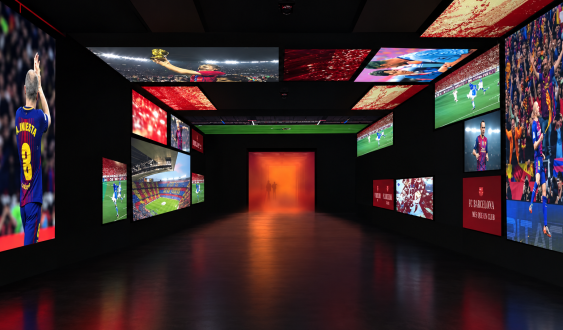
The first figure tasked with launching this new chapter is closely tied to the city: Andrés Iniesta. Although originally from Fuentealbilla (Albacete), the midfielder left a lasting mark on Barcelona’s football history, from entering Barça's La Masia academy at just 12 years of age until his departure in 2018. Now, this new interactive experience set within the former IMAX building offers an immersive journey through the iconic footballer’s life and career.
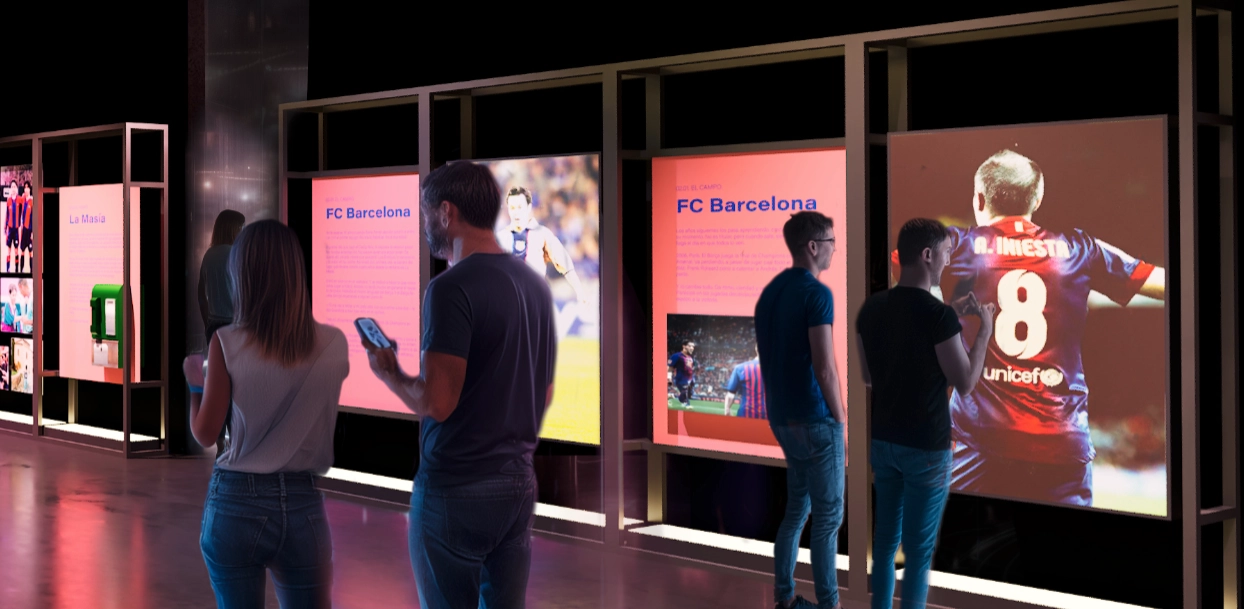
The exhibition seeks to go beyond cataloguing the numerous trophies and standout goals of his playing days, aiming instead to bring visitors closer to the person behind the athlete. It does so through a tactile, physical format: a showcase designed not merely for viewing, but to be experienced and touched, featuring interactive zones that invite visitors to take part in the journey.
Iniesta Experience. The Inner Game marks the opening presentation of this new phase for the former IMAX, which will operate as an interactive exhibition centre over the coming years. It remains, however, a temporary venture with a defined horizon: the upcoming redevelopment of the Moll d’Espanya to build the Liceu Mar will radically transform this section of Port Vell.
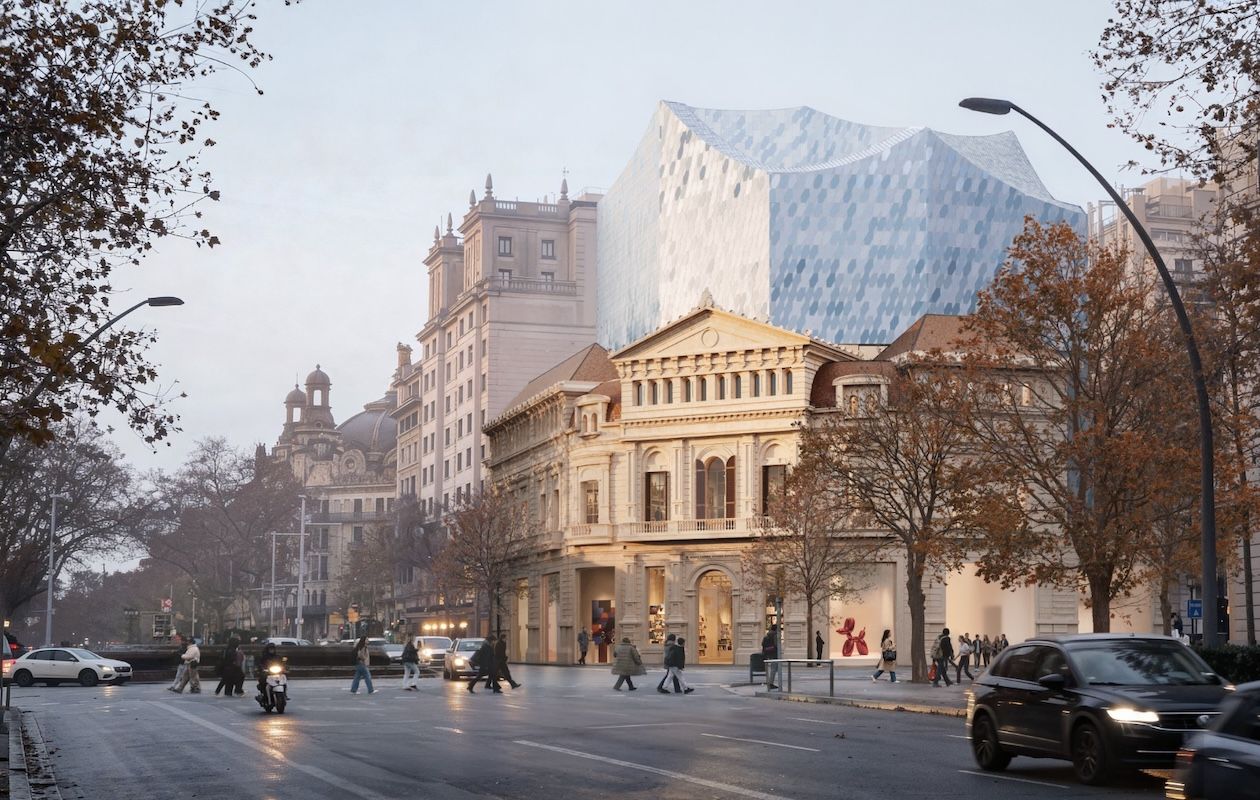
Until that project gets underway, the former cinema – left vacant for nearly a decade before reopening briefly in late 2023 as an exhibition space for the America’s Cup – embarks on this fresh chapter backed by Stoneweg Culture, the arts division of the alternative investment platform Stoneweg. The group is behind several major cultural ventures across the Catalan capital, including the Palau Martorell and, more recently, Sala Parés. It is also preparing a new lease of life for another of the city’s landmark cinemas: the former Cine Comedia, which will serve as the venue for the future Museu Carmen Thyssen Barcelona. Furthermore, the inaugural show at the former IMAX, Iniesta Experience. The Inner Game, is an in-house production by Stoneweg Culture, co-curated with Never Say Never (NSN), the agency co-founded by Andrés Iniesta himself.
When the future landed at Port Vell via IMAX
To grasp this latest chapter for the former Port Vell IMAX, one must look back to the 1990s, when Barcelona was undertaking one of the most sweeping transformations in its modern history. Having been chosen to host the 1992 Olympic Games, the city set out to present a new face to the world: entirely new districts emerged, streets and landmarks were reimagined, and the relationship between the city and its Mediterranean coastline was profoundly renewed.
It was during this period that Port Vell, historically devoted to shipping and fishing, was recast as a waterfront promenade and leisure hub, fostering an influx of new cultural and entertainment amenities like L’Aquàrium, Maremagnum, and the IMAX cinema itself. The construction of the cinema was not without political friction: Mayor Pasqual Maragall and opposition leader Miquel Roca Junyent clashed over whether to proceed with the scheme.
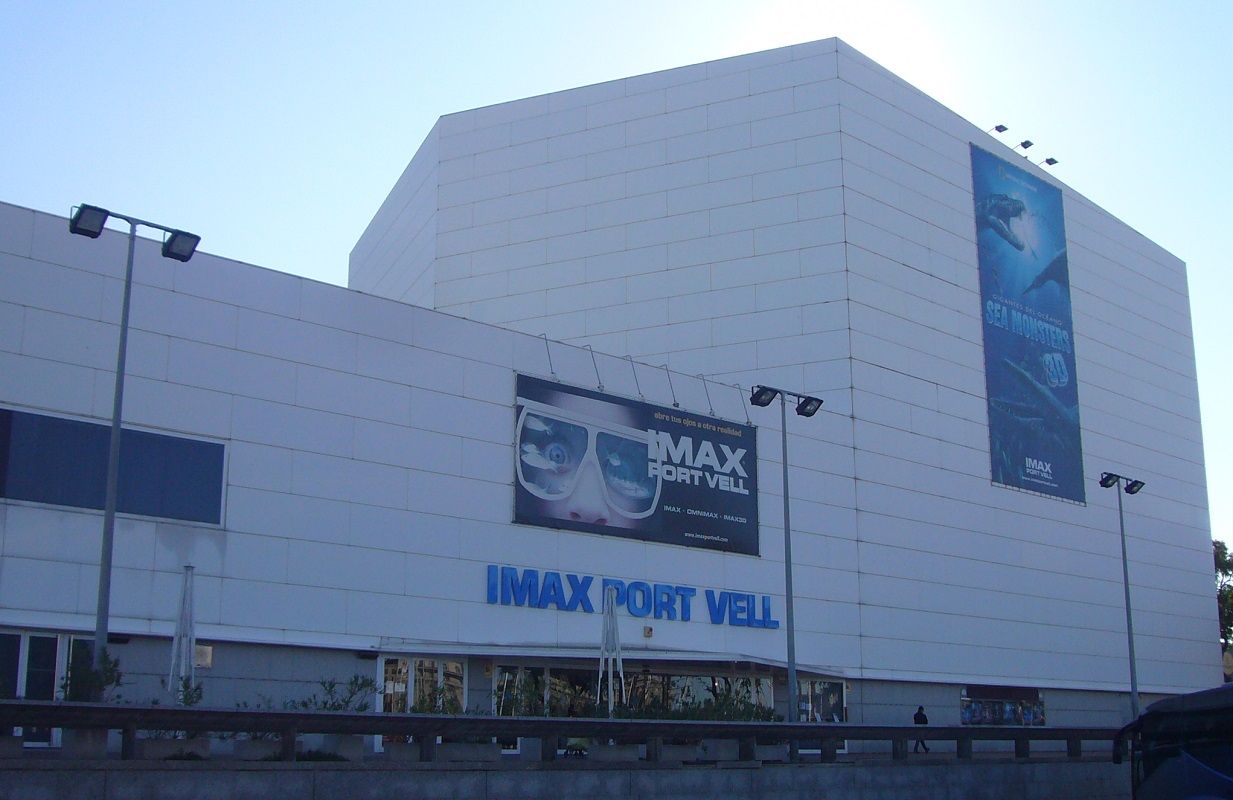
The project ultimately moved forward under architects Enric Soria and Jordi Garcés, who gave the building its distinctive hexagonal footprint. Opening in 1995, it introduced audiences to IMAX projection – a format originally launched in Osaka, Japan, in the 1970s. At the time, the technology was hailed as a revolutionary glimpse into the future. It was Spain’s first IMAX theatre and included auditoriums equipped with 3D capability, creating a sensation of spatial depth that drew viewers into the screen.
Yet what felt visionary in the nineties steadily lost its exceptional status over time. The novelty of 3D gradually waned, and the cutting-edge technology that made IMAX such a singular experience became increasingly widespread outside flagship cinemas. In 2014, Port Vell’s IMAX shut its doors. The 2,500-square-metre building stood empty for nearly a decade, lacking an operational remit and facing an uncertain future. At one stage, demolition was even tabled. However, the shifting priorities around Port Vell would ultimately grant the former IMAX a fresh opportunity.
The America’s Cup precedent
Nearly nine years after it closed, the building reopened its doors just as Barcelona once again turned its focus towards the sea: the city was preparing to host the 2024 America’s Cup. A year earlier, in 2023, the former IMAX reopened as an interpretive and educational hub through the America’s Cup Experience – developed by AC House Barcelona with the backing of Stoneweg. The initiative brought the venue back into public life, echoing the original IMAX philosophy by marrying technology with immersive physical environments.
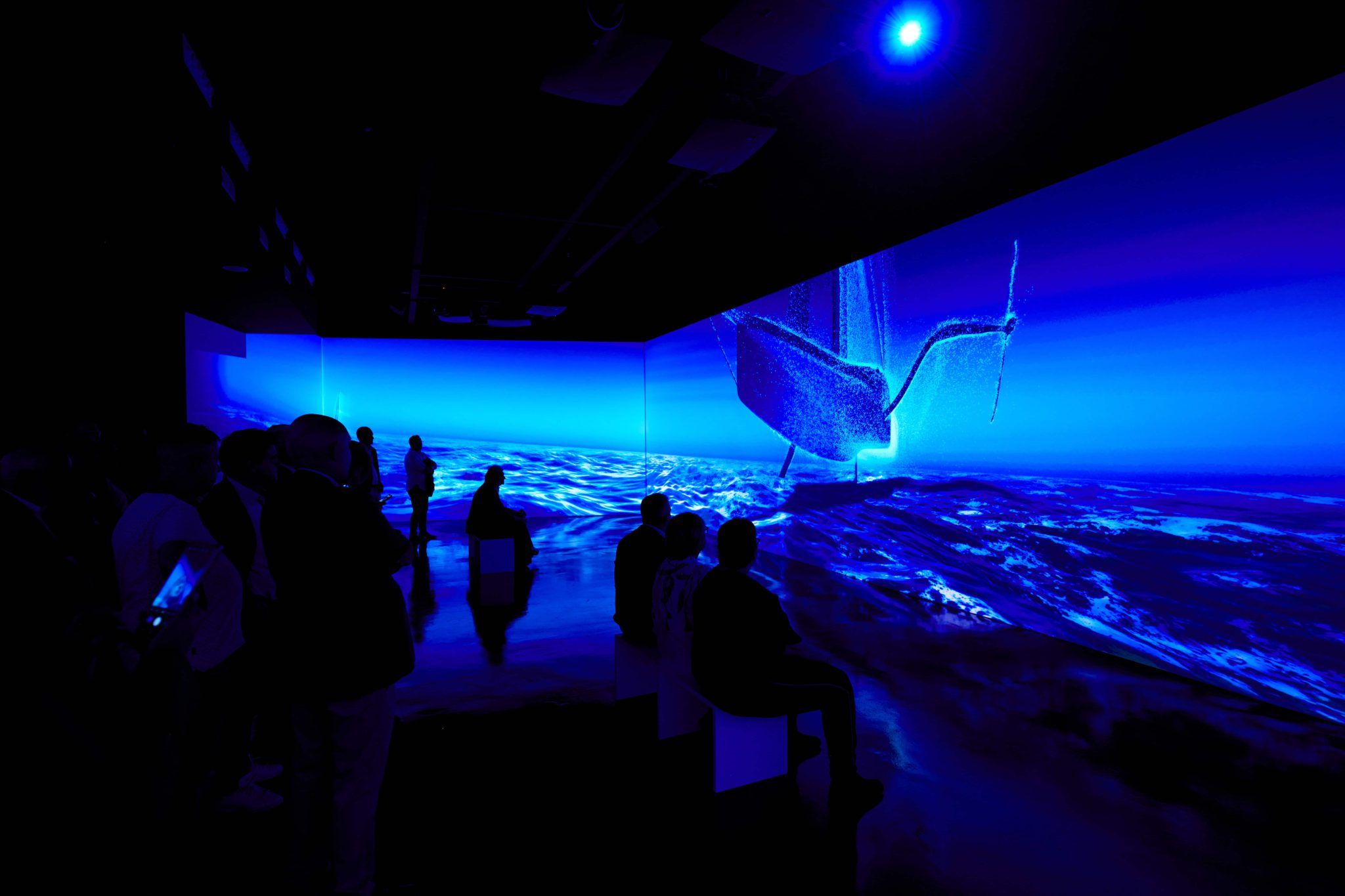
The goal was to introduce visitors to the workings of the world’s oldest international sporting competition, which boasts over a century of history. Around €7 million was invested to rehabilitate a structure that had sat derelict for nearly ten years.
That chapter, too, was conceived with an expiration date. In 2025, the concession granted by the Port of Barcelona for the America’s Cup Experience expired, leaving the venue’s long-term fate once again up in the air. The solution came once more via Stoneweg, which had already supported the America’s Cup visitor centre and now opted to sustain the complex through a programme of interactive exhibitions and experiences. To accommodate this shift, the building underwent further renovations: the original tiered raked seating was cleared to create an expansive, open-plan interior tailored to fluid installations.

Securing a viable operational path for the former cinema required a fresh operating licence. This was granted in December 2025, when the Port of Barcelona’s Board of Directors extended the concession to AC House Barcelona SL, by then operating under Stoneweg’s management. The agreement, which runs until 2029, ensures public cultural activity continues "while planning procedures for the future Liceu Mar move forward," as set out in official port resolutions.
Iniesta opens the new era
The first headliner of this new chapter is not a technology, but an iconic sporting personality inextricably linked to Barcelona: Andrés Iniesta. The player arrived in the city at just 12 years old to enter La Masia, and it was in the Catalan capital where he built the career that established him as one of the most celebrated figures in the history of Barça and Spanish football. Today, his life and career provide the guiding narrative for the flagship installation taking over the space.
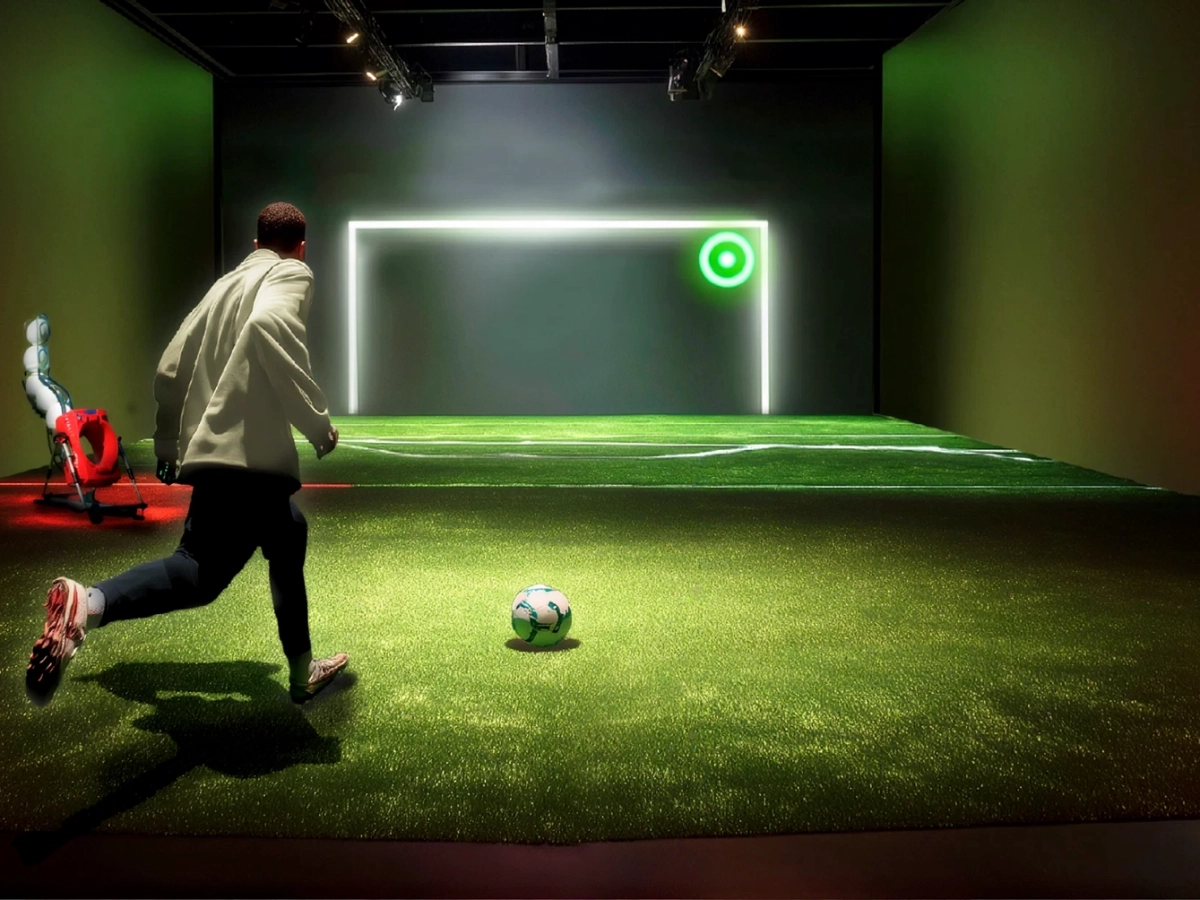
Trophies and historic strikes are prominently featured – including his defining goal in the 2010 World Cup final – but the exhibition aims to look beyond familiar archive footage, bringing visitors closer to the human behind the jersey: the weight of expectations, doubts, vulnerability, and the resolve required to navigate adversity. "It is not merely about sport," notes Stoneweg, which co-produced the show alongside NSN, the agency co-founded by Iniesta himself. Notably, one of the eight themed spaces is devoted entirely to mental health and managing pressure.
The installation pairs scenography, audiovisual media, technology, and personal memorabilia with interactive components: in one area, for instance, visitors can take a live shot on goal. Iniesta stated in the presentation video that his hope is for guests to "enjoy this beautiful journey and connect with it emotionally," adding that visitors will discover lesser-known aspects of his personal story.
Further lives for the former IMAX
Iniesta represents only the opening phase of this interactive era. The exhibition, which opens on Monday 28 September – with tickets starting from €18 for adults and €13.50 for children – will run in Barcelona until 10 January before embarking on a tour of other cities. Once it wraps up, Stoneweg plans to program subsequent interactive exhibitions combining digital technology with physical engagement. It is a concerted effort to animate a key waterfront venue in an area experiencing broad urban renewal, coinciding with the overhaul of the commercial offering at Maremagnum and the refurbishment of L’Aquàrium.
Organisers are already drafting future concepts for the space, which will operate until the harbour board’s concession runs out in 2029. By then, plans for the Liceu Mar – the second venue of the Gran Teatre del Liceu – are expected to be well advanced: the five finalist architecture practices competing to design the complex have already been shortlisted, with building work slated to begin between late 2029 and 2030.
Constructing the opera annex requires redeveloping the entire Moll d’Espanya, an undertaking that, according to current plans, will involve demolishing the former IMAX to make way for the project. At present, plans involve an investment of roughly €50 million to create a 9,000-square-metre facility featuring a 900-seat auditorium and multipurpose spaces for cultural production and performances. This marks the final stage in the former IMAX’s long journey: over three decades, the site will have evolved from 3D cinema to interactive exhibitions and, ultimately, to opera at the Liceu Mar, reflecting the broader ongoing renewal of Port Vell and the city around it.
Add The New Barcelona Post as your preferred Google source for free
Stay informed with the latest news.