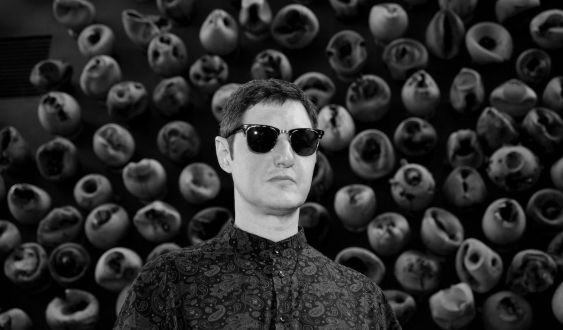
Alberto Valle (Barcelona, 1977) likes to tell stories as if he were doing it at the bar. He demonstrates this in his weekly section in this newspaper, El Bar del Post, where regulars from Barcelona's culture who are out of the spotlight pass through, confessing their lives to a battle-hardened colleague before debating between the daily menu and the varied offer of combined dishes offered by this place already visited ---and materialized--- by many.
That proximity that Valle captures every Sunday in The New Barcelona Post is used in his latest novel, Todos habían dejado de bailar, winner of the L'H Confidencial 2022 International Prize for crime novel. The narrator, almost cinematic, addresses the reader directly to warn them, as if saying "look, don't get distracted, this is important, now comes the good part." Come on, as the typical bar hero we've all seen would do, the one who's been with his drink too long and knows all the scenes since he chose that stool as his favorite spot.
"The narration is as if they were telling it to you at the bar. Not everyone might find it funny, but I wanted to give it that tone," Valle begins, "it's something I really like," he finishes. For the writer, tone is one of the most important elements when constructing his novels. "Between deciding to write a story and starting to write it, there's always a period where, first, I research and, then, I decide the tone. You have to think it through: what works great in one, doesn't in another. Each one has to have its own," he remarks.
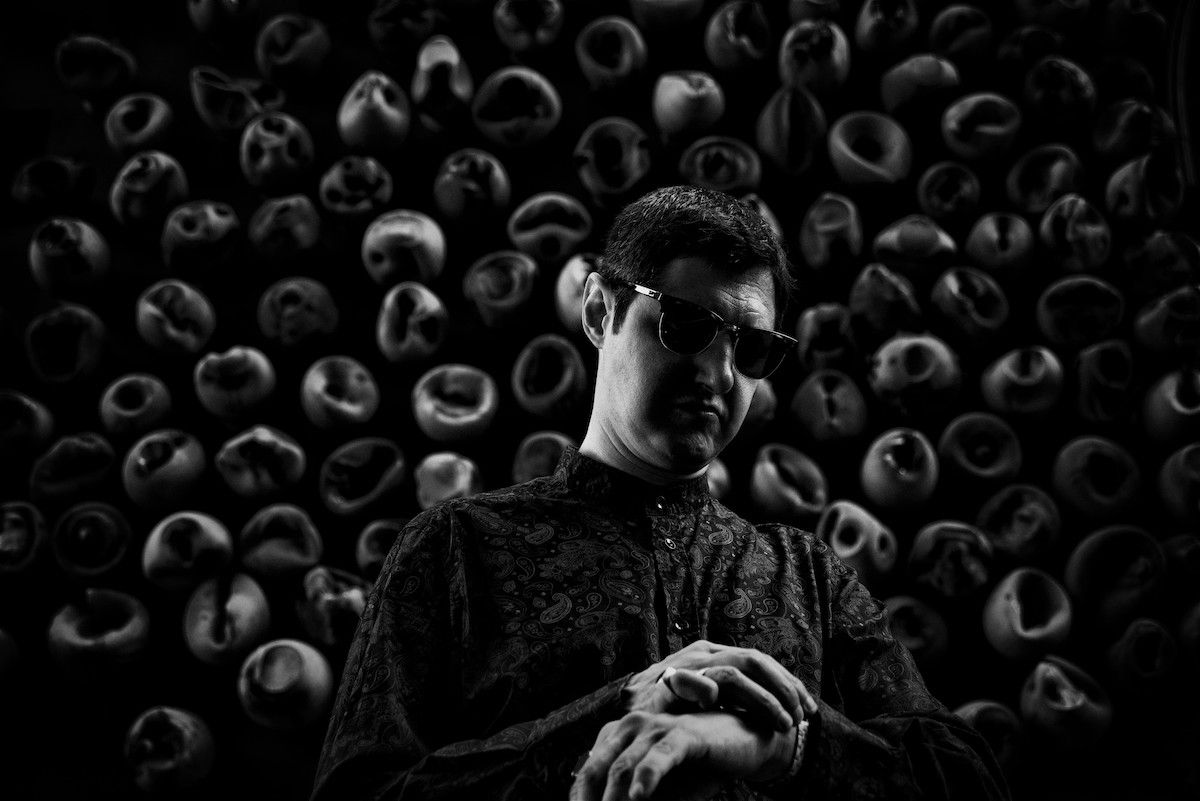
The research part in Todos habían dejado de bailar was easier. "It's the typical story you've had inside you since you don't even know when. I don't remember when I first read that there was a crime that connected with the Barcelona jazz scene in the 60s," he says. The author talks about what began to be known as the Aragó street crime, which occurred in 1962, and was later dubbed the crime of the existentialists: "The regime called it that because for them everything foreign, amoral, and contrary to the values of national Catholicism was that."
The event involved a few Yankees, among them the Jazz Brothers and Gloria Stewart, leaving as a victim the owner of a lamp workshop located at number 136 of that street, between Villarroel and Urgell, who had had a lover who made dangerous friends in the Plaza Reial and the Jamboree of that time. "It was a monumental botched job. It was supposed to be a quick robbery and it ended up being a massacre. It perfectly reflects the era in which it took place, they tried to do an American-style robbery and it turned out to be a very Spanish botched job," says Valle.
"This is too good for someone not to write a book," thought a lover of crime novels, jazz, and pre-Olympic Barcelona. So he got to work, relying on the books written by regulars at El Bar del Post such as Jordi Pujol Baulenas, Xavier Theros, and Paco Villar, without forgetting some that are yet to appear, like Santiago Tarín.
Of course, with a prominent contribution from Pere Ferré, a living legend of the generation that brought jazz to the city. Ferré was the one who told him some stories that enriched the plot, considering that, by chance, he met the victim, since he alternated playing the piano with attending to the family business, a lighting store: "Most of the ones he told me I put in the book because they were too good to be left out."
"This is too good for someone not to write a book," thought a lover of crime novels, jazz, and pre-Olympic Barcelona about the crime that happened in a workshop on Aragó street in 1962Although he writes when he can, after work and "an attempt at a social life," in just over a year and a bit he already had the story. For now, it is his mother's favorite of all he has written, after the five books starring a hitman named Palop, published under pseudonyms, and I am the revenge of a dead man (Alrevés Editorial, Ciutat de Vila-real Narrative Prize 2018).
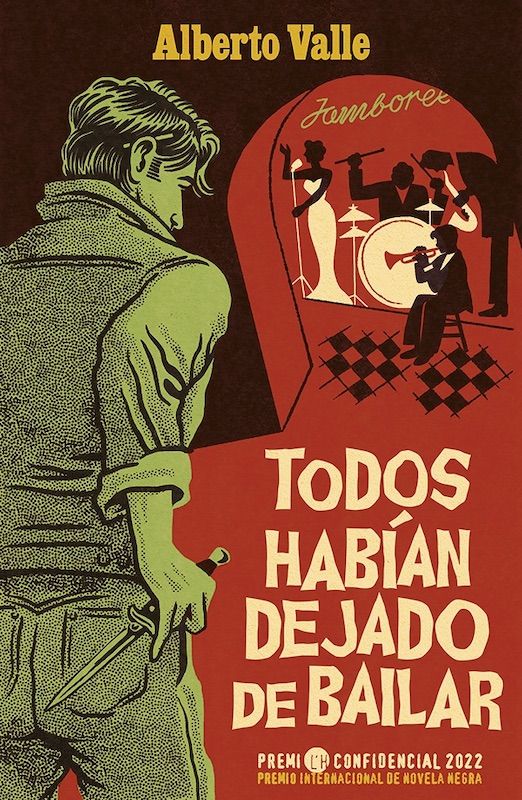
Todos habían dejado de bailar begins by explaining a crime that many already know, placing it at the beginning to hook the reader —or drinking buddy—. With the entanglement laid out, it sketches the characters who were involved in this grotesque robbery that started badly and ended worse, traversing a dead end where they glimpsed a little freedom amidst too much misery. The plots end up colliding at the fateful moment, moving at a good pace and jumping from one character to another with grace, simulating the universe that gravitated around the misnamed crime of the existentialists with a gray Barcelona, where air is scarce, in the background.
If he has to choose a character, Valle sticks with Jack Hans, one of the Jazz Brothers, whose name he has changed, like the rest of the participants in the event, to make clear the difference between what happened and what he has fictionalized. "He's a guy who lived many lives in one, and all of them quite dangerous and on the edge. He was a bastard, he went his own way, but you also understand him, he was from a town in Pittsburgh in the middle of nowhere and he wanted to get out of there and had nothing but his wit, his smooth talk and, with all due respect, his holy balls. The truth is, writing his story, I had a blast," he maintains. While making time to research for his next book, he has just won the Sant Boi Negre prize with his story Las normas del Salazar, set in this municipality of Baix Llobregat and which will appear published in an anthology with the rest of the finalists.
Add The New Barcelona Post as your preferred Google source for free
Stay informed with the latest news.
