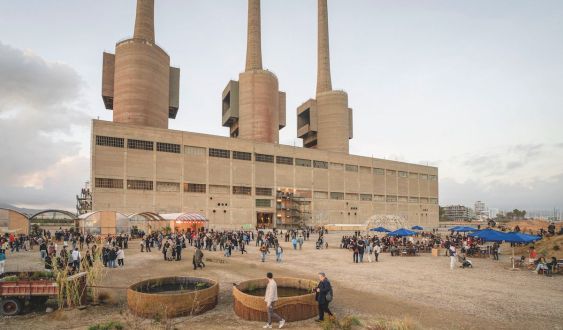
Contemporary art is often labeled as conceptual and abstract. The European biennial of contemporary art Manifesta aimed to break with these preconceived ideas with its arrival in Barcelona and its metropolitan area. The fifteenth edition of this cultural event, which took place from September 8 to November 24 last year, wanted to open questions and generate debate on topics such as the ecosocial transition or the decentralization of culture. However, the goal was not to remain solely in the world of ideas but to generate a real impact in the twelve cities it covered, so that, once the biennial was closed, it could leave an intangible but also tangible legacy.
At the request of the Barcelona City Council, the biennial ---which until then had accumulated fourteen editions in different parts of European geography, such as Palermo (Italy) or Pristina (Kosovo) or even Spanish cities like San Sebastián or Cartagena--- would not land, in this case, in a single municipality, but would work in a decentralized manner in twelve metropolitan cities. Thus, the Catalan capital was accompanied by L'Hospitalet, Cornellà, El Prat, Badalona, Santa Coloma de Gramenet, Sant Adrià de Besòs, Granollers, Mataró, Sabadell, Terrassa, and Sant Cugat del Vallès.
Taking on this challenge, the biennial aimed to celebrate its largest edition to date. Due to its nomadic nature, as it changes location in each of its editions, the organization is accustomed to working in different contexts, but had never before tackled such an extensive, populated territory with so many different realities. The objective was, therefore, "to be able to transcend physical borders between cities, even jumping mountains and rivers," according to Emilia van Lynden, head of communication, marketing, and business development at Manifesta.
An objective that, according to the organization, has been largely achieved. The more than 291,000 visitors to the biennial attended, on average, 3.8 venues out of the 16 spaces hosting the event, distributed across the 12 cities. The figure, obtained through more than 1,900 surveys conducted by the Universitat Oberta de Catalunya (UOC), reveals that the biennial achieved one of its main purposes: the decentralization of culture. That is, for residents to leave their municipality and travel through the different localities to discover the richness and culture of the metropolitan region.
In addition, Manifesta also managed to reach the target audience: the residents of the 12 cities where it landed. The vast majority of visitors came from the metropolitan region (85.4%), in addition to an additional 4.8% who came from other parts of Spain. If each visitor accessed an average of more than three venues, it means that metropolitan residents traveled, at least, to two other cities to visit some of the more than thirty exhibitions of the biennial. In fact, almost 69% of local respondents stated that their interest in the art, culture, and history of the metropolitan area increased after visiting Manifesta's spaces.
With the aim of generating a legacy in the cities, the biennial also set itself another major challenge: to plant its exhibitions in unknown spaces and, in some cases, even inaccessible. One of the most prominent spaces among Manifesta's 16 venues was the Tres Xemeneies in Sant Adrià de Besòs, a factory that for years acted as Endesa's thermal power plant, until it ceased its activity in 2011. Since then, the factory remained closed, until the biennial rehabilitated part of the old turbine hall, owned by the Generalitat since 2023, and installed structures, exhibitions, and video art on its walls.
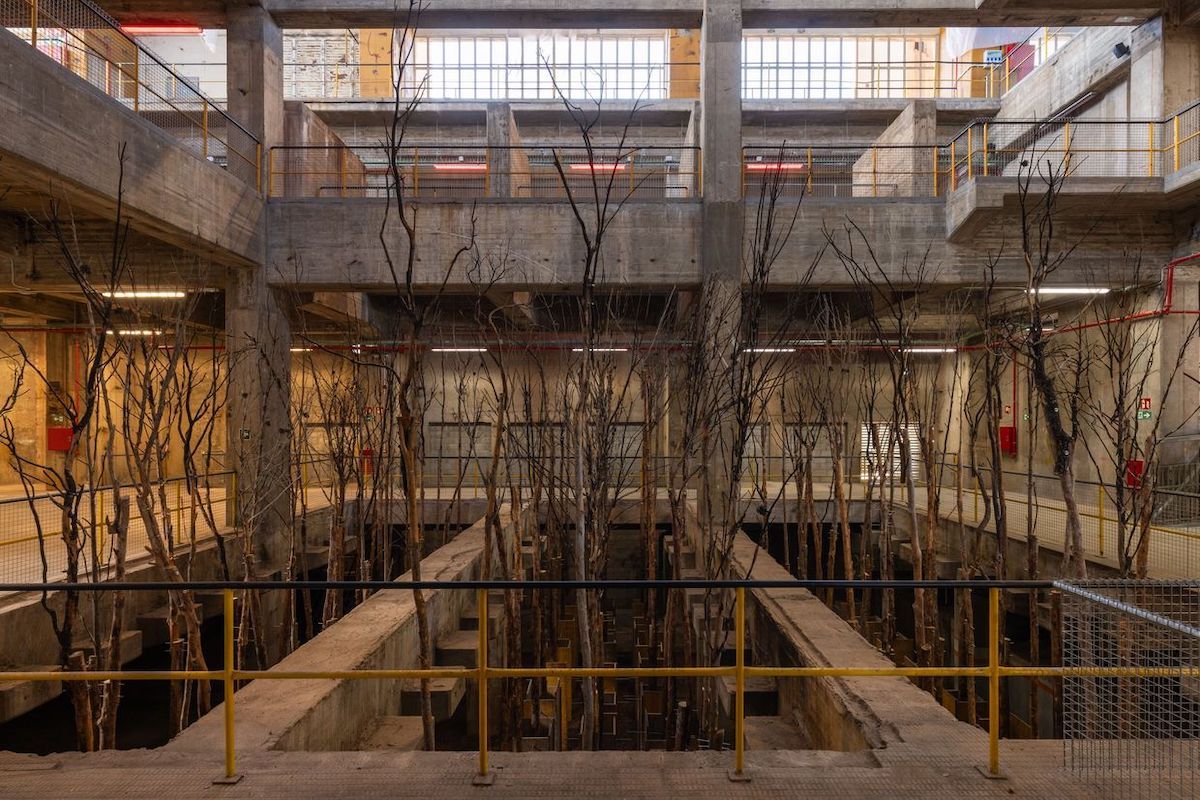
The goal was to get these closed places to open up and reclaim themselves as artistic spaces. Or, at least, to plant the first seed of the tree so that later the municipalities would reap the fruits and decide the future of these spaces. A seed that, a few months after the closing of the biennial, has begun to branch out.
The Tres Xemeneies will become the future audiovisual hub Catalunya Media City, whose works are expected to begin in 2026. Before that, they will host activities of the World Congress of Architecture. The rationalist building of Casa Gomis in El Prat de Llobregat was bought by the Ministry of Culture for 7.2 million euros just two months after the closing of the biennial, ensuring its future as a cultural center, threatened by the possible expansion of the airport. The former headquarters of the Gustavo Gili publishing house, which acted as a base and offices for the organization of the biennial, will also continue its activity, hosting the technical offices of the World Capital of Architecture, which will distinguish Barcelona next year.
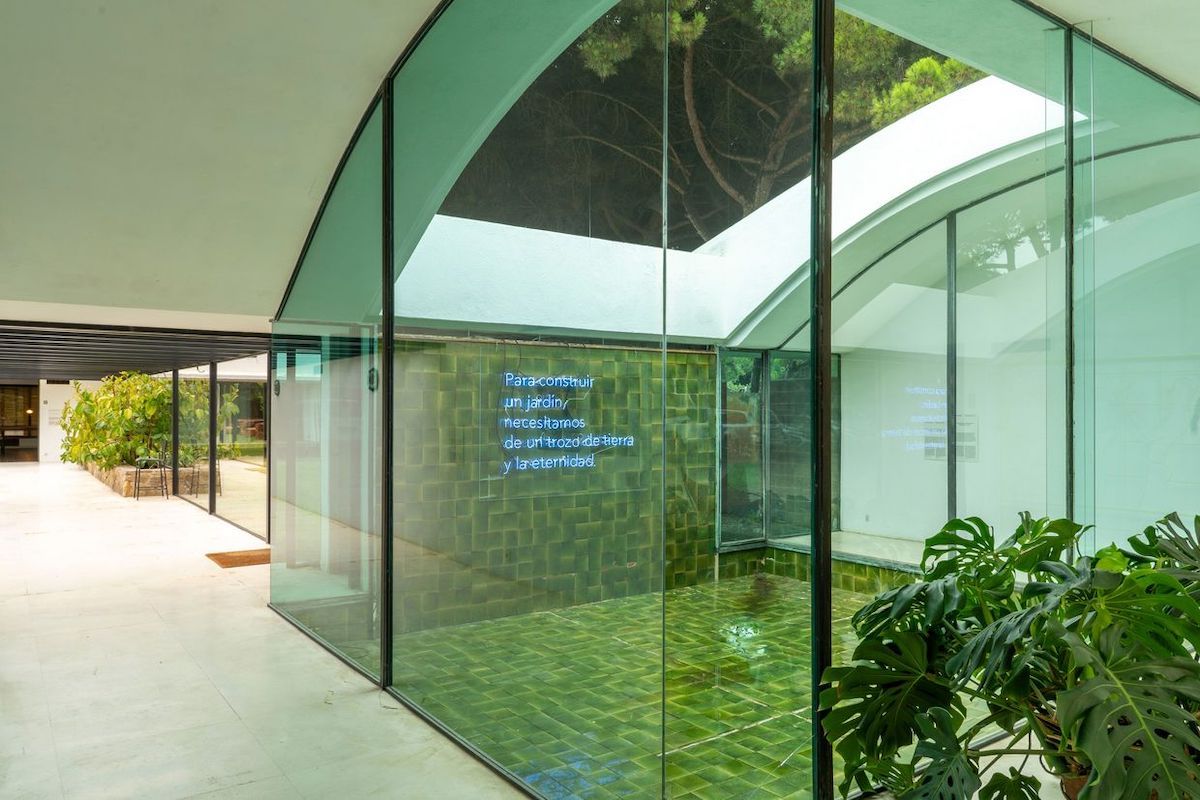
But, beyond these spaces, the biennial landed in many others, such as the Romanesque complex of the Seu d'Ègara in Terrassa, the 11th-century monastery of Sant Cugat, or the old La Caldereria factory in Cornellà. With all these venues, the biennial managed to reach another target audience: the non-professional, as 69% of visitors did not come from the artistic sector and 92% had never heard of Manifesta before. For example, the Tres Xemeneies factory, known as the "Sagrada Familia of workers," now converted into a contemporary culture temple, was widely visited by its former workers and relatives.
All in all, and although the majority of the public was local, international visitors were also present, representing 9.8%, and mainly came from Germany, Italy, and the Netherlands, regions where the biennial had previously landed. Through these visitors, Manifesta also generated an economic impact of more than 12 million euros. Likewise, for every public euro invested, 1.8 euros were returned to the regional economy thanks to visitor spending.
In addition to the tangible legacy, the debate generated by Manifesta's art and education program, which featured more than 90 local and international artists ---55% of whom created or adapted projects specifically for the biennial---, has also manifested in publications, exhibitions, and archival projects. For example, the exhibition Archivos Negros has become a publication that narrates "the experiences and way of living Barcelona of people who are on the margins," according to its curator Tania Safura Adam, collecting the testimonies of black people in the city. The archives collected by the research of Fora per fer escola have also materialized in an exhibition donated to the Historical Archive of Roquetes–Nou Barris, making previously unknown documents accessible to the public.
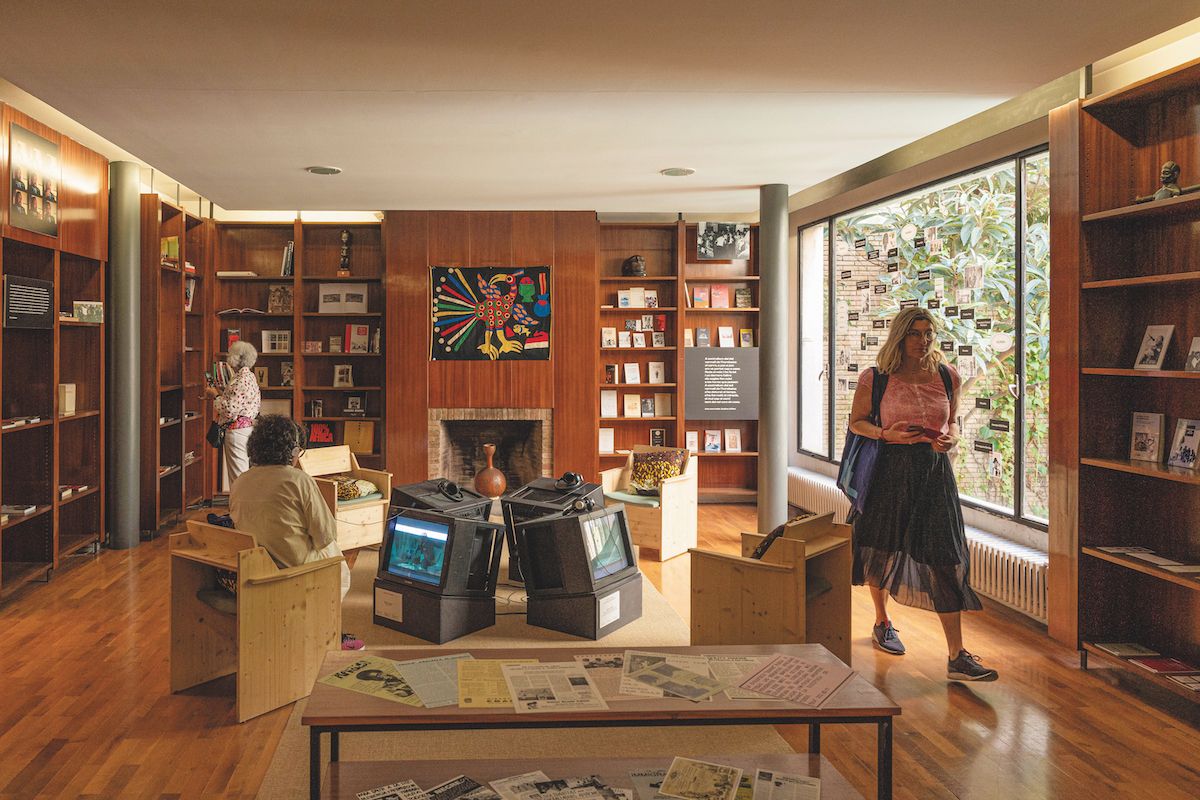
It has also bequeathed to the metropolitan area "a decentralized way of working and thinking about the region as a whole," according to Eva Sòria, director of Innovation, Knowledge and Visual Arts at the Institut de Cultura de Barcelona (ICUB). The twelve municipalities, usually focused on their own dynamics and realities, had the opportunity to lead a transversal project with metropolitan scope, a type of inter-city project that rarely occurs, beyond examples such as Dansa Metropolitana.
After closing its fifteenth edition, the biennial is already preparing its next event, under the direction of its founder Hedwig Fijen, which will take place in 2026 in the German North Rhine-Westphalia. A region where it will again propose to generate an impact comparable to that of Barcelona and its metropolitan area, a purpose for which it will count on the Catalan architect and urban planner Josep Bohigas as the first creative mediator.
Add The New Barcelona Post as your preferred Google source for free
Stay informed with the latest news.
