There are many great unknowns in Barcelona and Montjuïc is one of them. There is always the tiring memory of the last climb one made, even worse if it was in summer, which makes it hard to get motivated to go back. Not counting when one does driving practice, one has to find a good excuse to explore the mountain, like David Bisbal's last performance or the imminent concerts of Estopa and Bruce Springsteen.
FC Barcelona's provisional move to the Lluís Companys Stadium will surely have helped to de-dramatize the excursion for many, but there is still work to be done to make it more appealing and discover all its cultural offerings, from the imposing Museu Nacional d'Art de Catalunya (MNAC) to the more secluded Fundació Miró, with many in-betweens, such as the Museu d'Arqueologia de Catalunya (MAC), the Museu Etnològic de Barcelona or the new temporary exhibitions in the Palacio de Victòria Eugènia. An abundant concentration of museum activity that is complemented by the CaixaForum at its feet, as well as multiple leisure proposals and the stages of the Mercat de les Flors and the Teatre Lliure.
In a compact city like Barcelona, and with so little green space, Montjuïc should have more prominence, but it has not found a way to do so for a long time, not even with Dua Lipa recording a music video in the Bernat Picornell pools. It doesn't help to have escalators that are more broken than working. All the opportunities for Montjuïc, as well as its pending challenges, will be discussed in the new session of the cycle The New Barcelona – Moments Estel·lars, dedicated to giving visibility to those areas in which the city excels and which are drivers of the projection of the Barcelona brand.
With the collaboration of CASA SEAT, Barcelona Global, Must Media Group and Giny the session will take place next Monday, July 1st at 6:30 PM. The session will be moderated by journalist and UPF-BSM professor Toni Aira. To attend this event organized by The New Barcelona Post as an audience member, it is essential to reserve a ticket in advance. To get one, completely free of charge, click here.
Under the title Montjuïc, the mountain of museums, the main cultural institutions of the enclave will participate in the new session of The New Barcelona – Moments Estel·lars to put on the table measures to finish giving the mountain a shake-up, undoubtedly, with an eye on the celebration of the centenary of the 1929 Universal Exhibition. The director of the Exhibitions and Collection Area of the La Caixa Foundation, Isabel Salgado; the director of the Museu Nacional d'Art de Catalunya (MNAC), Pepe Serra; and the director of the Fundació Miró, Marko Daniel, will participate.
The next session will take place on Monday, July 1 at 6:30 p.m. and to attend, tickets must be reserved, completely free of charge.With the recent celebration of its 20th anniversary, with a gift included in the form of a hanging forest, the CaixaForum has consolidated itself as one of the most outstanding exhibition halls in the city, with proposals that are both carefully curated and for the general public. With a degree in Fine Arts from the University of Barcelona (UB) and a doctorate in Contemporary Thought,Isabel Salgado is, precisely, in charge of developing the exhibition program for the CaixaForum network of centers, as well as for the CosmoCaixa centers.
As highlighted by the cultural institution, Salgado has participated in the creation of a network of alliances with institutions such as the Musée du Louvre, the Museo del Prado, the British Museum, the Tate, and the Centre George Pompidou, with practical examples such as the arrival of exhibitions like Venerated and Feared, produced by the British, and XIX. The Century of the Portrait, together with the Prado.
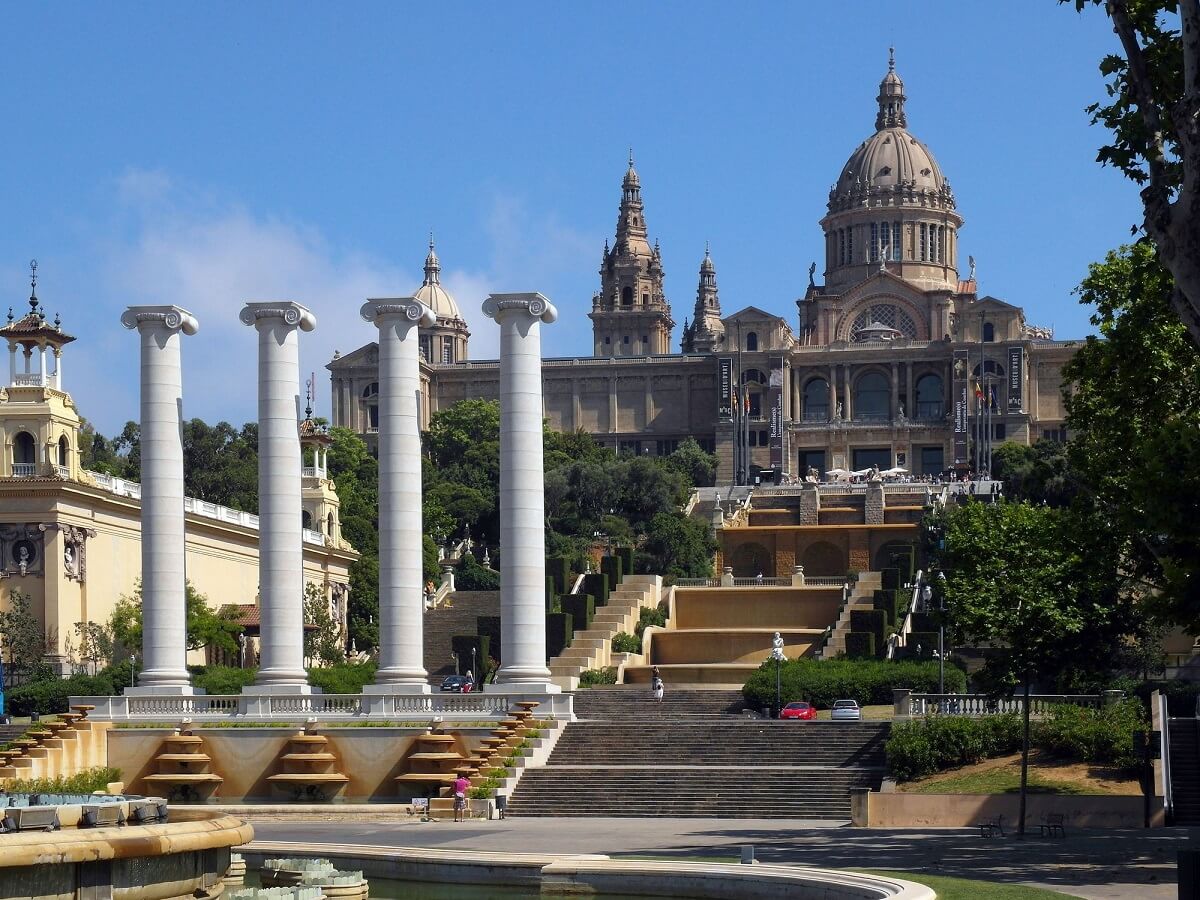
Very close to CaixaForum, the MNAC awaits its longed-for expansion, unblocked with the launch of the transformation of the Montjuïc fairgrounds and the liberation of one of its palaces, the Victòria Eugènia, where cultural uses are already being tested with Tim Burton and the Balloon Museum. Pepe Serra is the person responsible for the changes the museum has experienced, managing to more than double visitors before the arrival of the pandemic, and those yet to come.
With a degree in Art History from the Universitat Autònoma de Barcelona (UAB), Pepe Serra (Barcelona, 1969) has directed the MNAC since 2012. Previously, he had been the director of the Picasso Museum in Barcelona (2006-2012). He has also held the positions of deputy general director of Museums and Promotion of Cultural Heritage in the Department of Culture of the Generalitat (2005-2006) and head of programs at the Caixa Catalunya Foundation (2001-2005).
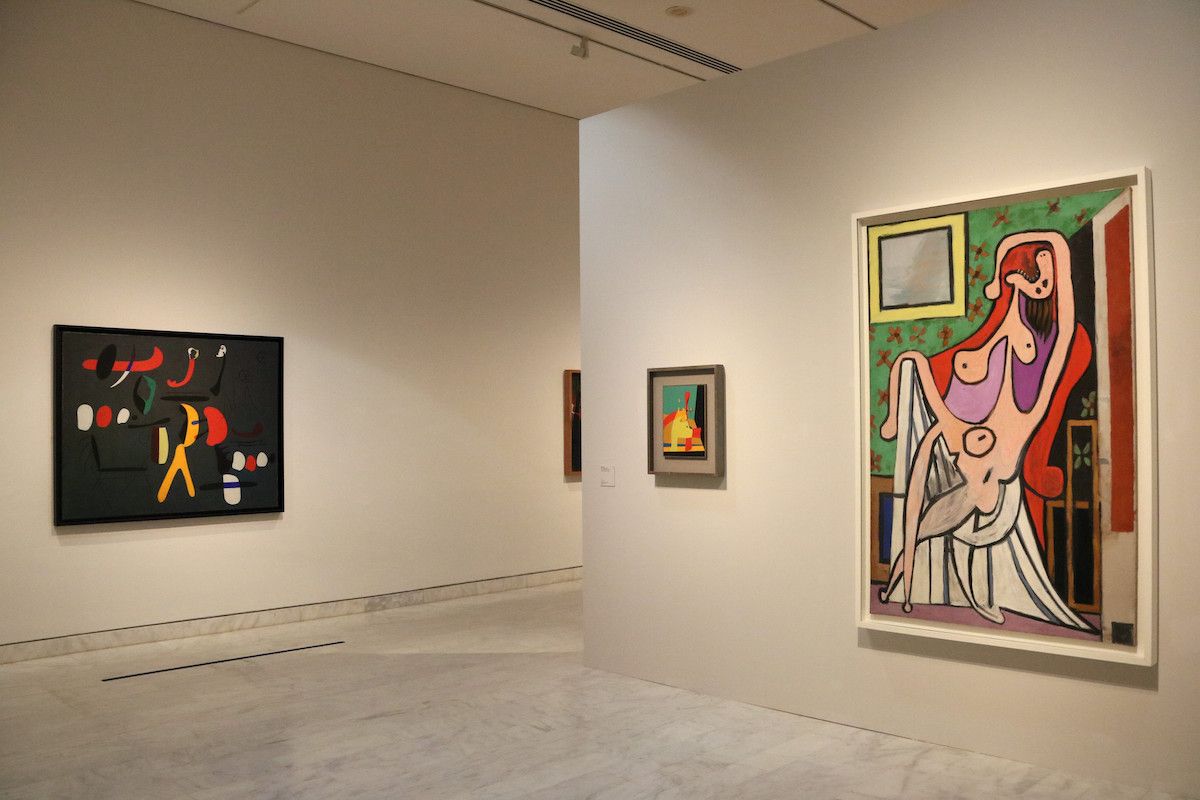
Further up, though with the help of the Funicular and a couple of bus lines, is the Fundació Miró, which closed the doors a few months ago on one of its most important exhibitions in years, the great retrospective dedicated to the friendship between artists Joan Miró and Pablo Picasso, exchanging works from one house to another and attracting almost half a million visitors, both local and international. A testament to Marko Daniel's great mantra, who argues that a museum is not a hermetic box containing paintings waiting to be contemplated. They even organize yoga sessions to study Miró's stars from another perspective.
Marko Daniel (Aachen, Germany, 1964) has a degree in Art History and Philosophy from University College London and a PhD in History and Theory of Art from the University of Essex. Daniel has specialized in contemporary Chinese and Catalan art, with a doctoral thesis focused on art and propaganda during the Civil War. He has developed his teaching career between Southampton, Taiwan, London and Barcelona. In 2006, Daniel joined Tate Modern in London as curator of public programs, an area he directed between 2011 and 2017 in the two centers it has in the British capital, Tate Modern and Tate Britain. Since early 2018, Daniel has directed the Fundació Joan Miró.
Add The New Barcelona Post as your preferred Google source for free
Stay informed with the latest news.