Barcelona has consolidated itself in recent years as a clear reference in Europe in health innovation. The reference hospitals in the Catalan capital are among the preferred choices of large pharmaceutical multinationals when it comes to deciding where to conduct a clinical trial. This hospital excellence, added to Catalonia's long tradition in the pharmaceutical sector, has favored the development of a powerful health innovation ecosystem that also includes universities, biomedical research parks, and an increasingly numerous set of startups in the life sciences sector.
The next session of the The New Barcelona – Moments Estel·lars cycle, which will be held on February 12, will focus on analyzing the keys to the city's success in the field of clinical research and, in particular, in a market segment in which Barcelona particularly excels: the development of new drugs and therapies for patients affected by a rare or minority disease.
For this, we will have as guests Leticia Beleta, general director for Spain and Portugal of the pharmaceutical company Alexion AstraZeneca Rare Disease, and doctor Manel del Castillo, managing director of the Hospital Sant Joan de Déu, a reference center in pediatrics, pediatric oncology, and rare diseases.
With the collaboration of CASA SEAT, Must Media Group and Barcelona Global, the session Barcelona, European reference in health innovation will take place on Monday, February 12 at 6:30 p.m. in the CASA SEAT auditorium. As usual, the monthly meeting organized by The New Barcelona Post will feature the participation of journalist and UPF-BSM professor Toni Aira, who will converse with the two speakers and encourage attendees to also ask questions. To attend as an audience, it is essential to reserve a ticket in advance. To get a free ticket, click here.
It is estimated that 80% of rare diseases have a genetic origin and that there are around 400 million people affected worldwide, with a high incidence in children. In Spain, the volume of patients with minority diseases is estimated at three million, of which approximately 600,000 people reside in Catalonia. Alexion, a Boston-based company that was acquired by the British pharmaceutical company AstraZeneca, is exclusively dedicated to the development of drugs for rare and ultra-rare diseases that change the lives of patients who suffer from them and their families. Its subsidiary for the Spanish and Portuguese market, led by Leticia Beleta, was established in Barcelona fifteen years ago. Since 2020, its workforce has quadrupled, going from 67 employees to 271 professionals. This growth is largely due to Alexion's decision to locate its European research hub in the Catalan capital.
According to the pharmaceutical company, its vision is to become "the number 1 company in rare diseases by 2027, multiplying the number of patients by five and launching five new drugs, whose development is being worked on from the Barcelona Global Hub."
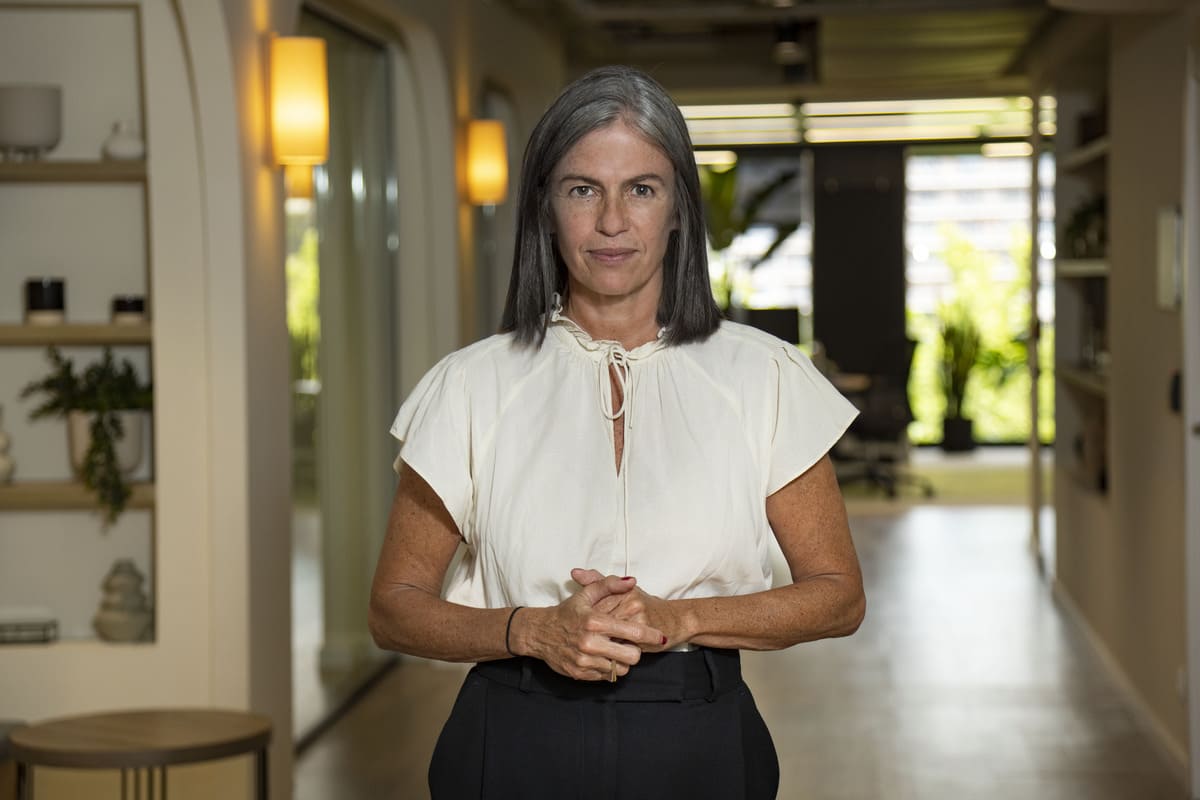
Leticia Beleta has been in the pharmaceutical sector for more than 20 years, where she has held different commercial positions for both hospital products and rare diseases, including a brief international experience. In the context of rare diseases, she has also been vice president of the Spanish Association of Orphan and Ultra-Orphan Drug Laboratories (AELMHU). She began her career as a clinical psychologist first and then in market research for mass consumer companies, at the Kantar agency. In 2007, she joined the Novartis group, where she worked for nearly thirteen years, until joining Alexion in 2014. She has held the position of general director of the subsidiary for Iberia for five years.
For its part, the Sant Joan de Déu Hospital, directed by Manuel del Castillo, is the healthcare center that treats the most children with rare diseases in Europe. The hospital has more than 28,000 active patients with 1,400 different pathologies. In addition, it coordinates the Únicas project, which brings together a working ecosystem involving 30 Spanish hospitals. This initiative aims to create and consolidate an innovative comprehensive care model that guarantees specialized and multidisciplinary care for pediatric patients with rare diseases. This system seeks to address these pathologies from a healthcare, social, technological, and research angle. To this end, Únicas plans to create a platform for storing and sharing data between hospitals, a specialized telemedicine center, and a caregivers' school, among other initiatives.
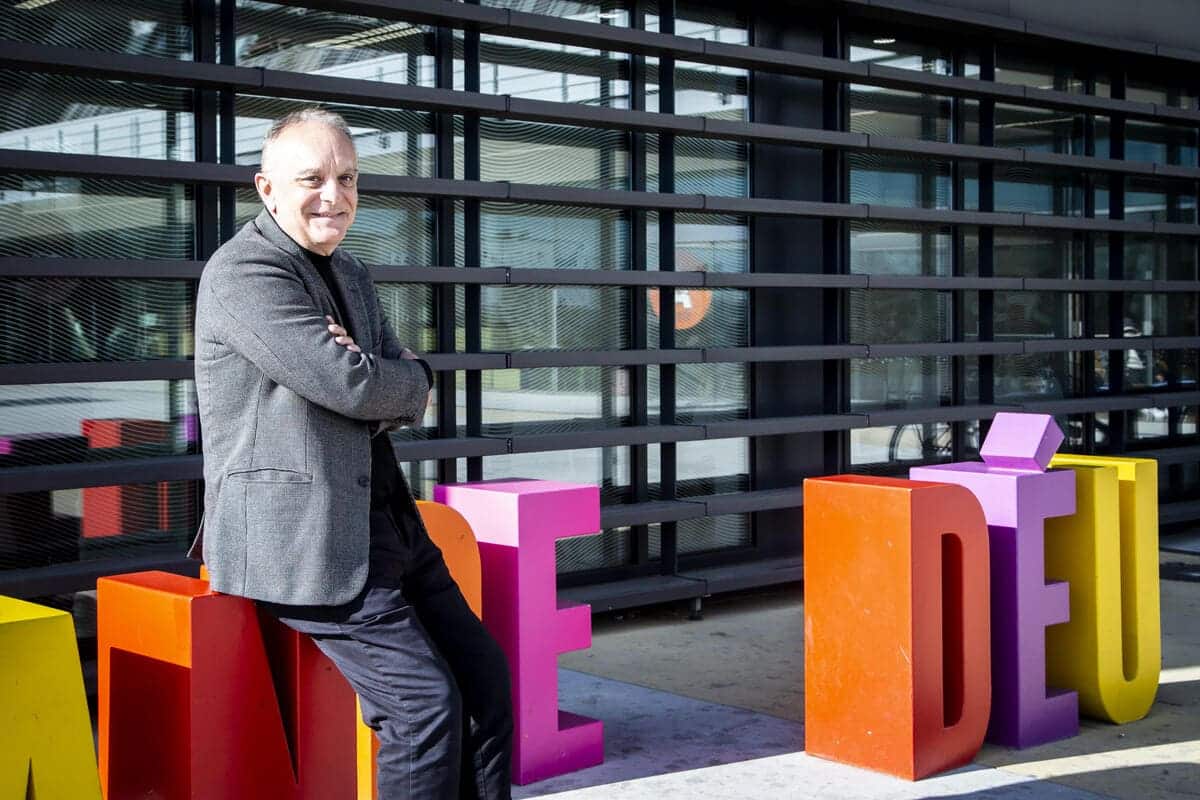
It is in this context that the recent alliance that Sant Joan de Déu Hospital has forged with the La Caixa Foundation is inscribed, which, in the next three years, will contribute 7.5 million euros to the hospital to support its research on these diseases, which encompass more than 10,000 low-prevalence pathologies, as they register fewer than five cases per 10,000 inhabitants. According to Del Castillo, the agreement aims to "accelerate patient diagnosis and increase the number of specific therapies, fundamentally based on advanced and emerging therapies."
Manuel del Castillo has a career spanning more than 35 years in hospital management and is also president of the board of trustees of the Fundació Factor Humà. He is a medical specialist in family and community medicine and earned a master's degree in public company management at Esade. "I am a manager, but I have never stopped being a doctor," he explained in the interview he granted last year to The New Barcelona Post. Along with the Únicas project, one of his most recent achievements is having led the construction and commissioning of the SJD Pediatric Cancer Center Barcelona, a world reference center in pediatric oncology that involved an investment of 37 million euros, contributed by thousands of donors.
Add The New Barcelona Post as your preferred Google source for free
Stay informed with the latest news.