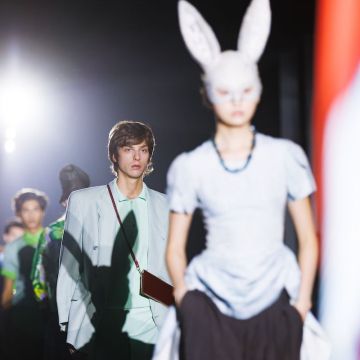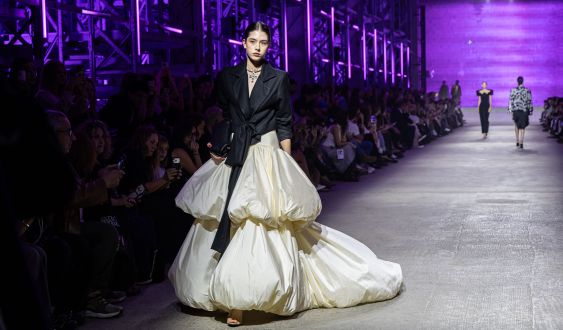
Talking about the future of fashion is often associated with the trends that will mark the coming seasons: which pieces will need to be rescued from the closet because they will have returned, what will be the color of the season, whether minimalism or strident prints will prevail, or if low-rise will make a comeback. But the future of fashion is not decided solely on the runways. While the 080 Barcelona Fashion shows these days at Port Vell the creativity of Catalan design, there is another industry, less visible, that also wonders where Catalan fashion will evolve. Does Catalan fashion have guaranteed growth or will it have to reinvent itself to adapt to an increasingly demanding and informed consumer? Will the sector be able to transform itself to move towards more sustainable and accessible fashion for all body types? And, in a sector where very diverse business realities coexist, are all actors equally prepared to face the future?
The figures, to begin with, invite optimism. Since 2017, the Catalan fashion sector has registered an increase of 21% in turnover, 29% in the number of companies, and 14% in jobs, according to data from the latest report prepared by ACCIÓ together with MODACC and Leather Cluster Barcelona. However, the figures do not capture the full complexity of the sector. Under the umbrella of Catalan fashion, very diverse realities coexist: from emerging creators trying to make a place for themselves in the market and small businesses with reduced structures to large business groups such as Mango, Tous, or Rosa Clará, with a wide production capacity and a strong international presence.
Between independent creators and large companies, the latest ACCIÓ report estimates nearly a thousand Catalan companies dedicated to fashion, which generate 73,600 direct jobs and invoice almost 17,600 million euros. These data, however, only offer a partial view of the sector, as they focus on clothing and footwear and leave out other subsectors that are also part of the fashion industry, such as jewelry or perfumery. Having a more complete radiography is, precisely, one of the objectives set by the Barcelona City Council in the Fashion Plan 2025-2030, endowed with an annual budget of 1.3 million euros.

An X-ray that, as Joana Ortega, president of the Cercle de la Moda, pointed out, should allow establishing the industry's starting point to define where the sector wants to advance and what obstacles it will have to overcome to do so. Because, beyond consolidating the growth of recent years, Catalan fashion will have to face global challenges, such as adapting to new regulatory requirements in terms of sustainability, moving towards more inclusive fashion —that takes into account diverse bodies— incorporating new technologies without losing traditional crafts and knowing how to respond to the habits of increasingly demanding and changing consumers. The challenge, then, is not only to continue growing, but to decide what kind of industry Catalan fashion wants to be and how it prepares to compete in a sector in full transformation.
Consuming fashion in times of ephemeral trends
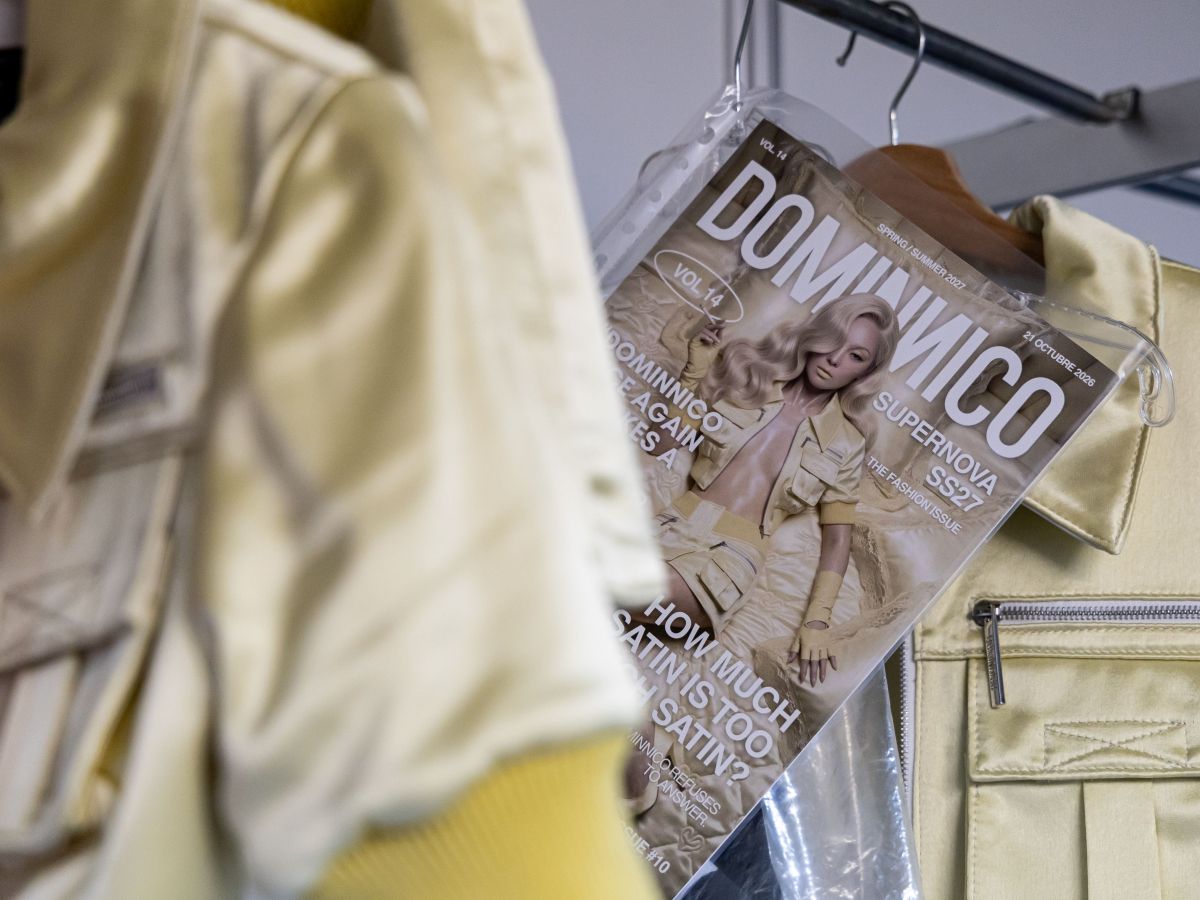
One of the great challenges of Catalan fashion is to maintain the interest of an increasingly difficult to predict consumer. If before the fashion calendar was marked by two major seasons, with spring-summer and autumn-winter collections presented on catwalks like the 080, today the pace of trends has accelerated to the extreme. Seasons have also become blurred, partly because climate change makes seasons less defined and predictable, and trends have an increasingly short life: a piece goes viral on TikTok, searches skyrocket and, in a matter of days, everyone seems to want it. For brands, keeping up with this pace is a complicated balance: if they don't have the product ready when the trend explodes, they can lose the opportunity to sell it; but if they accelerate production too much to satisfy demand, they risk accumulating stock of a piece that, by the time it reaches stores, may no longer be of interest.
But it is not the only change that technology is causing in the fashion sector. The main one, in fact, not only affects what is bought, but above all how. "Online sales of fashion products in Spain have gone from representing 7.8% of the total in 2019 to 24.7% last year," remarks David Garcia, executive director of MODACC, a cluster born in 2011 that currently brings together more than 160 companies —most of which invoice between 5 and 70 million— and 15,000 professionals. A new online shopping channel, which rather than replacing the physical store, "has complemented it," points out Álvaro Minguillón, a digital transformation consultant. Physical stores must reinvent themselves and integrate into a shopping experience where the consumer can discover a piece through their mobile, try it on in an establishment, and end up buying it from home.

E-commerce has therefore meant a real revolution for the fashion sector, but another transformation is already knocking at the door: artificial intelligence. This technology not only allows companies to streamline internal processes, but can also change the way consumers discover and buy products. "Commerce through agents is the next big revolution," assures Minguillón. Instead of reviewing hundreds of results to find a dress, the consumer will be able to tell a virtual agent what occasion they need it for, what style they are looking for, or what budget they have, and receive personalized proposals. They will even be able to complete the purchase without leaving the application. "We will end up buying in ways we don't even imagine today," Minguillón points out.
Companies, however, can profit from this new way of accessing fashion if they know how to adapt their website to be indexed by artificial intelligence agents, or if they incorporate these tools into all their processes. In fact, a practical guide on how to apply artificial intelligence prepared by MODACC, Sciling, and Fitex collects up to 73 use cases throughout the entire value chain: from generative design and trend prediction to demand forecasting, personalization of recommendations, or the generation of visual content.
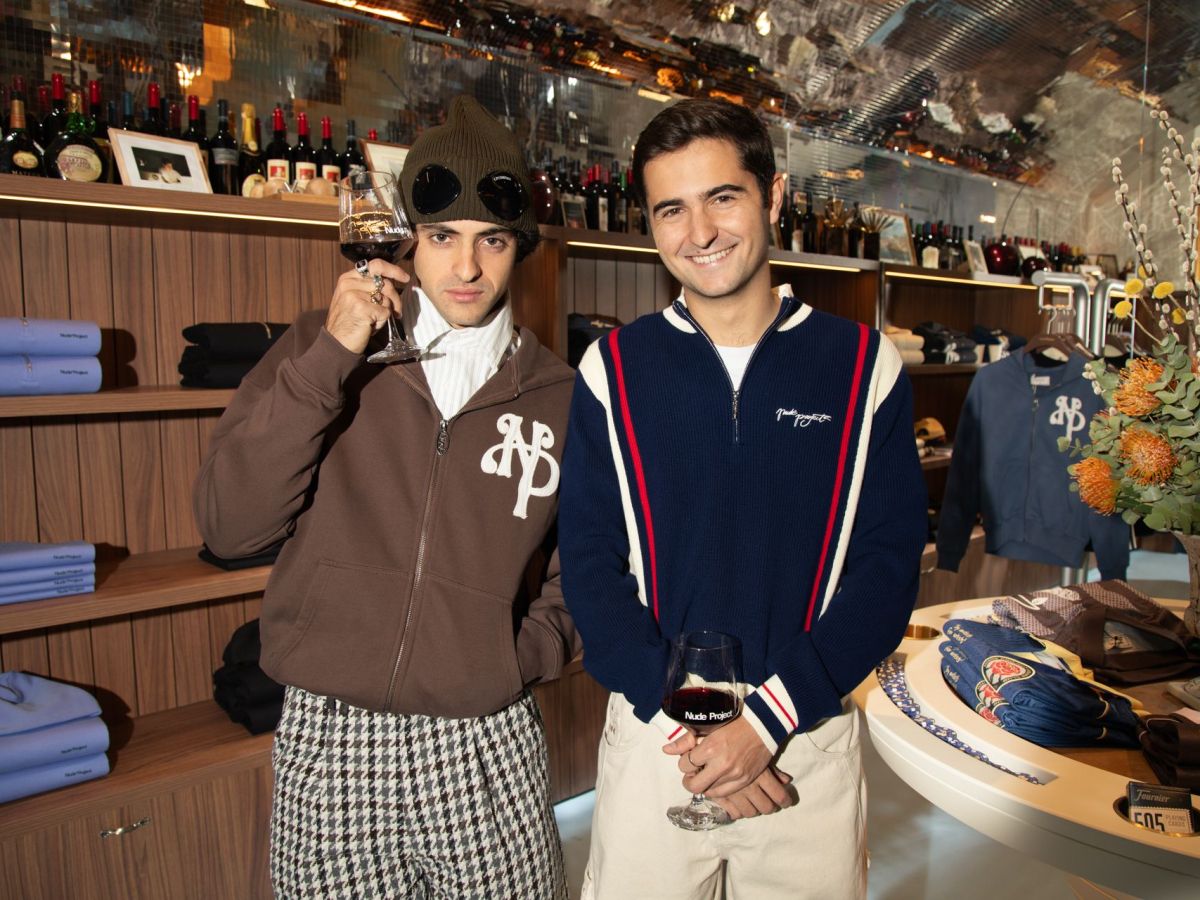
But having more tools to anticipate the consumer does not mean it is easier to retain them. More informed, with more options available and constantly exposed to new stimuli, the customer is increasingly demanding and less loyal to brands. "Loyalty to a brand can no longer be taken for granted: it must be earned day by day, with a personalized relationship," Minguillón emphasizes. Faced with this scenario, some brands seek to go beyond sales and build a deeper bond with their customers. This is the case of Nude Project, born in Barcelona in 2019 and which has just landed in New York, which aims to create a sense of belonging around the brand. "When a person feels they are part of a community, the relationship with the brand is much deeper," defends Bruno Casanovas, co-founder of the company.
Local roots, global ambition
Beyond transforming consumption habits, technology has also changed the way brands make themselves known and grow. A brand can be born today on social media and reach thousands of consumers in a short time without ever having opened a store. "Today fashion has been disintermediated: no great infrastructure or large investment of resources is needed," points out David García. These new channels facilitate the entry of new creators into the sector, but do not necessarily guarantee that they will consolidate. In fact, the ACCIÓ report identifies this ease of creating new brands —through e-commerce and social media— as a possible threat to the sector, as business mortality is high. Technology, moreover, also "accentuates the gap between small creators and large companies, which have more resources to invest and expand," notes the executive director of MODACC.
One of the main ways to continue growing, for both small and large companies, is to look outwards. In fact, Catalan exports have grown in recent years: they have gone from 2,830 million euros in 2017 to 3,622 million in 2024. France is the main market, with 20% of exports, followed by Italy (13%), Germany (12%) and Turkey (9%). But there is still another world to conquer: according to MODACC, between 80% and 85% of exports are concentrated in Europe, so opening up to new markets outside the continent continues to be an opportunity for Catalan brands to continue their expansion.
Growing internationally, however, should not mean that Catalan designers have to go abroad to make a name for themselves in the sector. In fact, the goal is for fashion creators and professionals to be able to “grow, innovate and make a name for themselves in this sector without having to go abroad,” defends the president of the Cercle de la Moda. It is, therefore, about gaining global projection without leaving behind local brands or small designers. In this strategy, 080 Barcelona Fashion must also play a key role. For Custo Dalmau, “it’s not enough to maintain it: it needs to grow and gain strength”. A more powerful 080 to consolidate itself as a sufficiently powerful showcase for designers who today seek projection in cities like Paris or Milan to find in Barcelona a space to present their collections and boost their career.

Innovating without losing touch with artisan trades
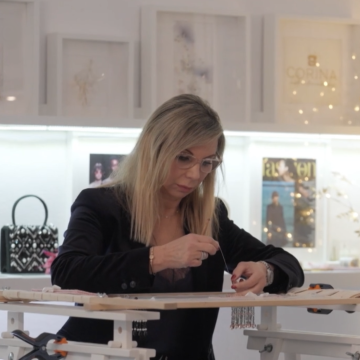
The need to grow without losing local identity also implies innovating without condemning artisan trades to disappear, which bring uniqueness to Catalan fashion. “Trades bring value, quality and identity,” defends Moisés Rodríguez, director of the Consortium of Commerce, Crafts and Fashion of the Generalitat de Catalunya. Specialties such as Lunéville embroidery, practiced by Corina Rosselló, or the high floral craftsmanship of Beatriz Natmar are examples of knowledge that are transmitted from hand to hand, thread to needle, and that technology can hardly replace. Because losing these trades is not only losing quality in clothing, it also implies losing a part of the collective heritage that cannot be recovered.
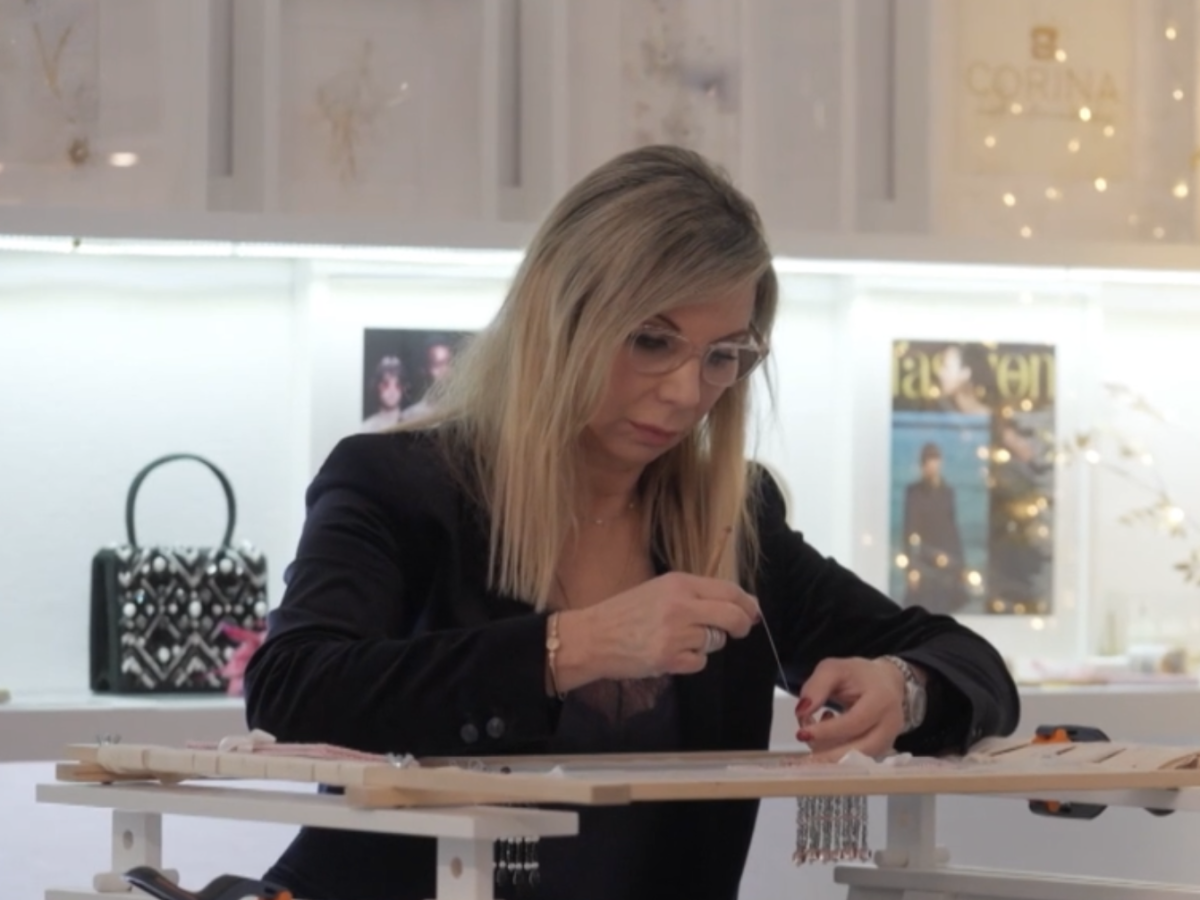
To ensure that these trades are preserved and that there are new generations willing to keep them alive, Joana Ortega considers it essential to accredit this knowledge. The president of the Cercle de la Moda warns that many of these trades do not have regulated training, which can limit their social prestige among young people. Recognizing them is, for Ortega, a way to ensure their continuity.
Sustainability, much more than recycling clothes
Social networks, then, invite us to continuously renew our wardrobe, with trends that barely last a few weeks. A succession of novelties that has a high cost for the planet as a whole: the textile industry generates between 2% and 8% of global greenhouse gas emissions, according to the United Nations. A large part of this impact is generated far from where the clothes are consumed: close to 70% of the emissions associated with textile products consumed in the European Union originate outside the continent, mainly in Asia, where a large part of the production is concentrated. In these countries, processes such as dyeing involve significant consumption of water and chemical products.
The textile industry generates between 2% and 8% of global greenhouse gas emissions
But, once produced and transported, these clothes can end up incinerated, polluting even during the end of their useful life. In fact, between 4% and 9% of textile products introduced to the European market are destroyed before being worn for the first time, a figure equivalent to between 264,000 and 594,000 tons each year, according to the European Environment Agency. The challenge of sustainability, then, is not solved solely by recycling the final garments, but by rethinking the entire value chain, from the raw materials used to manufacturing processes, distribution, and consumption habits.
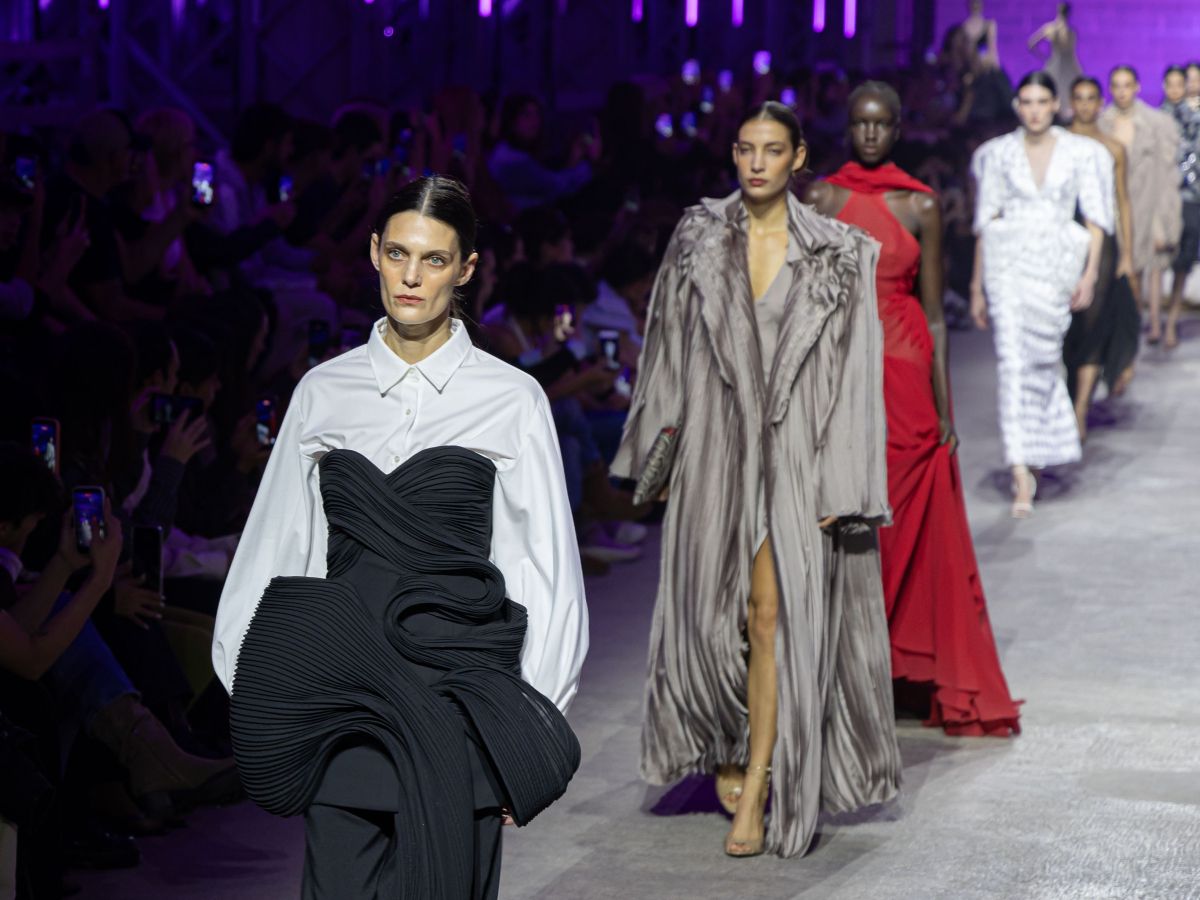
For designer Txell Miras, talking about sustainable fashion can be misleading if the consumption model is not first questioned. “Sustainability is also a trap: to be sustainable we would have to stop producing and consuming clothes, and that won't happen," she reflects. That's why, rather than pursuing absolute sustainability in the sector, she advocates extending the useful life of clothes: “We have to have the sensitivity to buy a garment that might cost a little more, but that you love and take care of, and that way you don't need to buy so much.”

Miras also warns that not all responsibility can be shifted to the consumer, especially in a market that constantly pushes them to buy: “Small designers can say that we produce responsibly, but it is impossible to fight against such a wild market if governments do not set the guidelines,” she adds. The European Union, in fact, is already responding to these demands: since July 19, 2026, large companies are prohibited from destroying unsold new clothing, textile accessories, and footwear, with some exceptions. In addition, the EU plans to introduce the digital product passport system in the textile sector starting in 2027, a new tool that should facilitate access to information on the composition, origin, and other characteristics of garments.
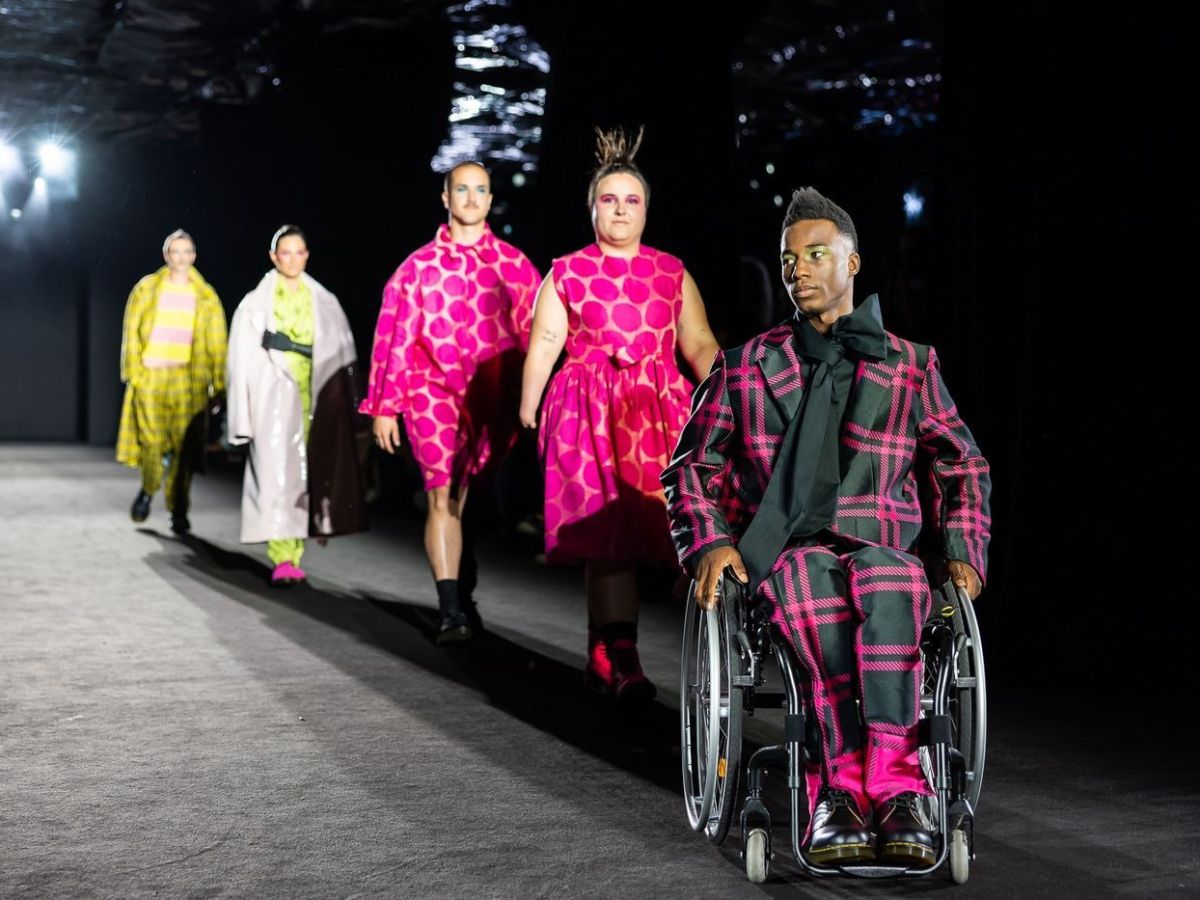
But transforming the way of producing also has a cost. Brands that opt for local workshops and responsible labor conditions throughout the value chain, in addition to inclusive garments that take into account body diversity, often have to face higher production costs than those that produce in distant countries. This forces brands to compete with large fast fashion firms, capable of manufacturing on a large scale and offering prices difficult to match, while consumers have become accustomed to buying cheap clothes and demanding these prices. For local brands, surviving in this context means finding other ways to differentiate themselves: betting on quality, own design, proximity, and durability of garments, and convincing the consumer that the value of a garment goes beyond its price.
Sewing alliances to boost the sector
For these changes to take root, however, Ortega emphasizes the need for the private sector and institutions to advance together. The president of the Cercle de la Moda laments that for years fashion has not been an institutional priority, despite its economic weight and tradition in Catalonia. "Fashion is much more than a sector: it is an industry with a high economic weight, rooted in a long textile tradition that projects Barcelona to the world," she asserts.
The future of Catalan fashion will depend, in large part, on the ability to advance all these fronts at once: innovating without losing artisan trades, growing internationally without uprooting local talent, and producing more responsibly without leaving anyone out. The challenge, in short, is not only to adapt to market changes, but to build a fashion model that is competitive, inclusive, and sustainable in the long term.
Add The New Barcelona Post as your preferred Google source for free
Stay informed with the latest news.