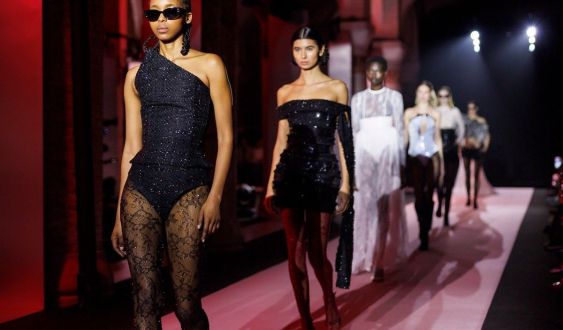
To boost fashion as a creative, sustainable, and innovative engine for Barcelona. With this objective, the City Council and the sector have drawn up a roadmap that covers everything from training to digitalization and entrepreneurship to advance in this direction, with a plan to which the council will allocate nearly 1.3 million euros annually.
Fashion thus emerges as a strategic area in the city's creative industries, which wants to position itself as an international benchmark in this sector. To achieve this, the plan foresees the opening of a specialized space for accelerating fashion projects in the Palo Alto complex, redefining the 080 Fashion Week, and promoting the Shopping Night, among other proposals.
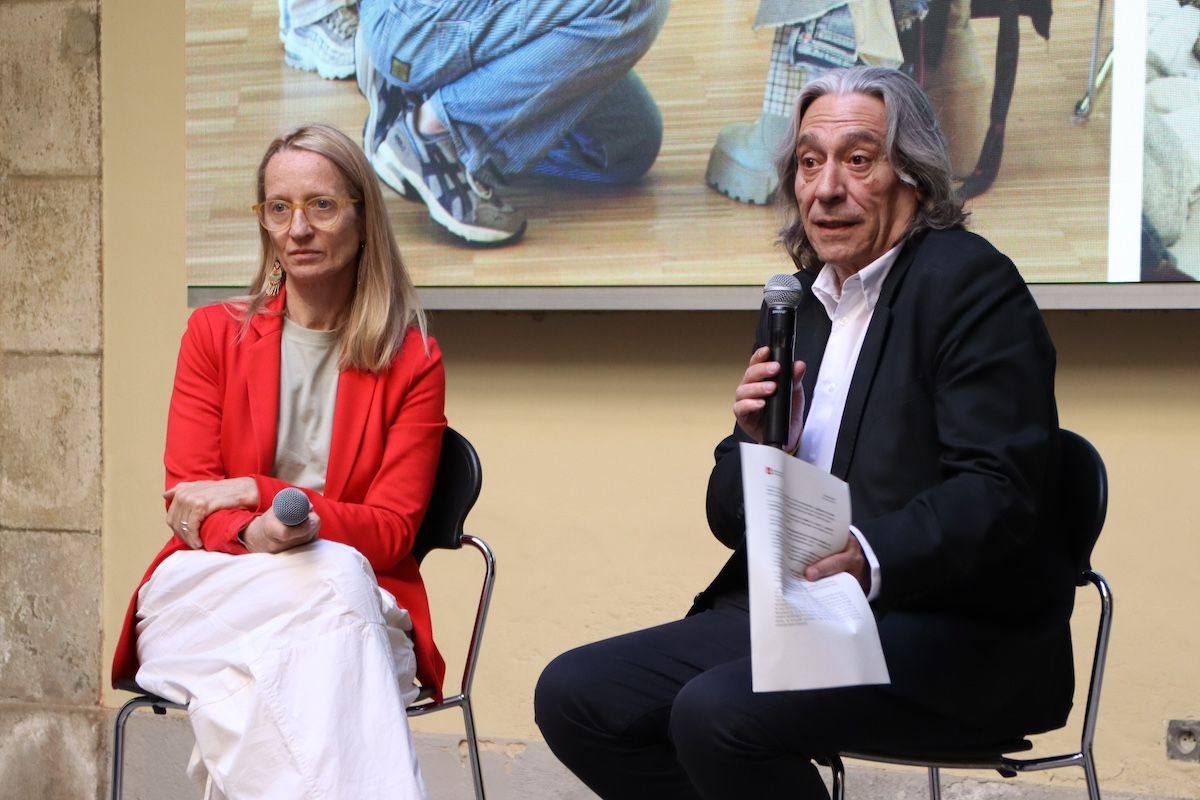
Furthermore, the plan has been drawn up with the aim of fashion interrelating with events that go beyond the sector, such as Sónar and Primavera Sound. "We want this area to be able to relate to events that shape the city's brand image," highlighted the Councilor for Culture and Creative Industries, Xavier Marcé; in short, that fashion "hybridizes" with the Barcelona brand.
With this objective and focused on the 2025-2030 period, the strategic plan includes eight lines of action, through which it aims to comprehensively address all stages, facets, and actors that are part of the fashion world. Among them, training, internationalization, and digitalization stand out.
The various lines of action begin by promoting a strategic reflection of the sector integrated into the city's agenda, with the aim of recovering fashion's prominence within Barcelona's cultural and creative ecosystem. With this goal, the plan proposes to boost the dissemination and promotion of fashion through activities and exhibitions, especially using the Disseny Hub as a loudspeaker and showcase, but also taking fashion to other venues, such as the Macba, the Palau Robert, and other spaces and stages in the city, including markets and festivals.
In addition, the plan sets the course for fostering support measures for innovation in the sector, with a novelty: creating the Fashion Factory in Palo Alto, as an incubation space to reduce the gap between training and entry into the professional world, with mentoring programs and experiences of entrepreneurial initiatives. In this sense, it also plans to promote entrepreneurship programs such as Barcelona Fashion Forward and the Sustainable Challenge. And it goes further, seeking meeting points between fashion and technology, and also universities, research centers and actors such as the Barcelona Supercomputing Center and Pier01.
With the aim of making this advancement of the sector sustainable, the strategy includes measures such as the creation of the Barcelona Circular Fashion Hub, integrated into the Fashion Factory, and with innovation laboratories for textile recycling and coworking spaces for startups focused on sustainable fashion.
In the area of internationalization, the City Council and the sector have agreed to boost the presence of Catalan fashion brands internationally, with trade missions, collaborations with other cities, and creating a network of alliances with fashion hubs such as Milan, Lisbon, Marseille, and Athens. All with one goal: to promote Mediterranean circular fashion to establish Barcelona as its epicenter, also promoting the new Mediterranean Sustainable Fashion Summit.
The city will promote events and opportunities to attract international talentAnd of course, the plan also focuses on talent: it advocates for strengthening training with specific programs, with inter-university projects, with the promotion of quality employment—also revaluing traditional artisan trades—and with events and opportunities to attract international talent forbring creators and manufacturers closer to Barcelona and its metropolitan area.
To facilitate this path for companies and entrepreneurs, the City Council will promote economic and financial facilities through agreements with actors such as the Institut Català de Finances (ICF). All with one objective: to boost the fashion sector and turn a sector that was already key in the city and wants to continue to be so into an international benchmark. From the textile factories that changed the physiognomy of Barcelona to 080, passing through large companies such as Mango and Desigual, artisan professionals of haute couture and even innovative circular fashion proposals, the territory is preparing to make itself even more known internationally.
Add The New Barcelona Post as your preferred Google source for free
Stay informed with the latest news.
