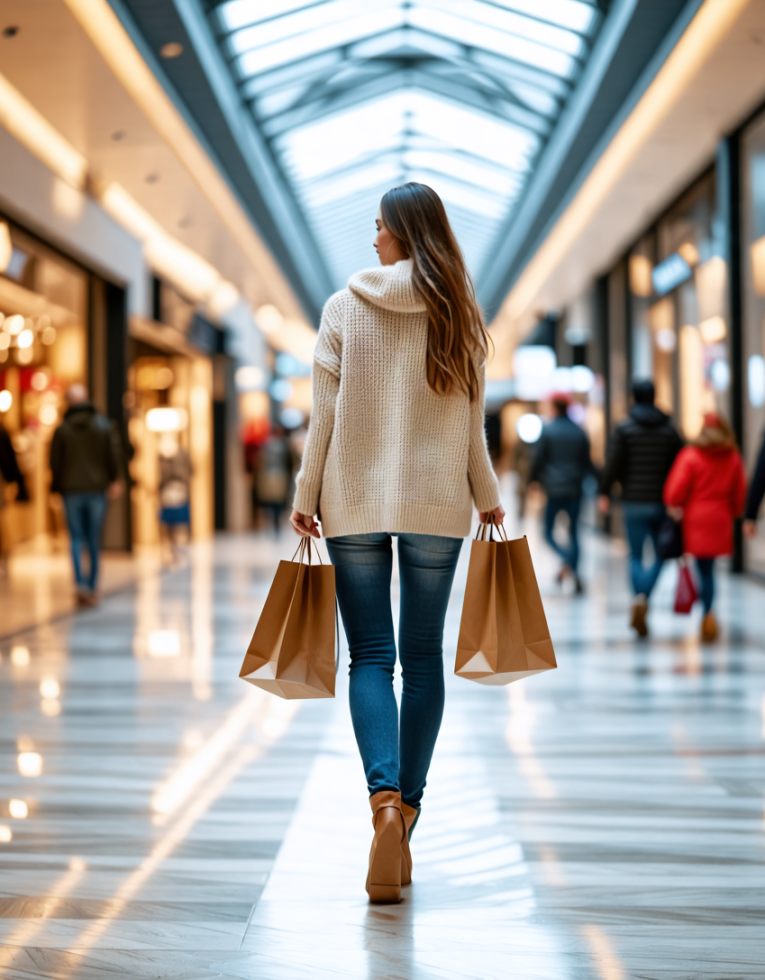
At El Corte Inglés, there is no longer a floor dedicated to selling records, with those structures of hanging headphones that let you listen to the music before paying for it. Video clubs have closed, and a store that doesn't have an online section seems not to exist. The digital era has relegated some products to the realm of vintage and has exalted online shopping, but it has also changed the meaning of physical commerce: stores are no longer just a place to try, choose, and buy, but spaces for experience. The change is linked to how we live now: normality is online, but that doesn't mean physical stores have disappeared; rather, they now coexist with digital ones. What differentiates you are the street-level premises, with their own personality and brands that seek to generate a sense of belonging. Today everyone can buy online, but not all of us enter the same stores or seek the same experiences. Sustainability, community, personality are just some of the new demands consumers have towards the sector. Álvaro Minguillón, a digital transformation consultant, points out that, especially among the new generations, the client no longer compares one clothing store with another: "They compare with the experience of the bank's application, with the delivery experience of Glovo, with Amazon's customer service experience". Fashion and consumption trends, like the whole world, have entered the era of digitalization and technology.
“Young people are the engine of online change,” assures the latest CaixaBank Research study on sales. The evidence speaks for itself: people who were born with a smartphone in hand are the most prone to doing everything through the device, especially shopping. Minguillón sees it every day with his clients: "New generations not only discover through social networks, but they also buy." However, while young people concentrate a very significant part of their spending on the Internet, older people have hardly changed their shopping habits and online spending continues to represent less than 10% of their total spending. In other words, youth leads the way in trend changes, but also in store shifts. The more young creators, designers, and entrepreneurs join the ecosystem, the more evident the changes in trends become. That's why physical stores are reinventing themselves to attract this audience: they become an experience and a way to create community. “We conceive stores as spaces to stay and live an experience, not just as places to buy clothes,” explains to The New Barcelona Post, Bruno Casanovas, founder of Nude Project.
Not all sectors of the economy have made this shift at the same time, nor do they have overwhelming success, but one stands out: fashion. It is increasingly common to buy clothes online; you even have shopping carts linked to a specific user that can remain there until the day you decide to press the button. In specific figures from the banking entity's study, both young people and adults already spend approximately one-third of their fashion expenditure through digital channels, and it is the category where a larger proportion of eminently online consumers are concentrated. "Approximately one in five young people and adults makes more than half of their fashion purchases online," they recall. However, the vast majority of purchases have an irreplaceable physical support: changing sizes, returning a product, or even choosing in person to buy online. "E-commerce has come to stay, but physical stores have no interest in disappearing. The online store has not eaten up the physical one; it has complemented it," Minguillón specifies. In fact, CaixaBank Research economists state that the coexistence between both channels reflects an increasingly evident reality: consumers use different forms of purchase depending on the context, the moment, and the experience they are looking for.
However, the massive entry of online shoppers has not made stores disappear, but it has re-signified their use. In this way, they are no longer shopping spaces, but must demonstrate the feeling and spirit of the brand; they are not empty spaces, they have the meaning of designs and, above all, they cover the needs of their buyers. Thus, the internet is the new world of fast shopping and stores are the showcase from which to discover a brand, love it and, finally, buy. That is why there are large firms that started online and only now, once they have a firm and willing customer base, open their first physical stores. It is not surprising that if, according to the Caixabank Research study, young people are leading the way, there is a clear need to attract them in their natural habitat: the internet. But the flirting does not end here: Once the brand has positioned itself within the priorities of buyers, it is time to make them part of it. Before, company shares were sold to reinforce the feeling of belonging, now people are part of communities. And this belonging must be earned, because, according to Minguillón, "the client is loyal as long as they feel that you know them and compensate them".
Being part of the brand
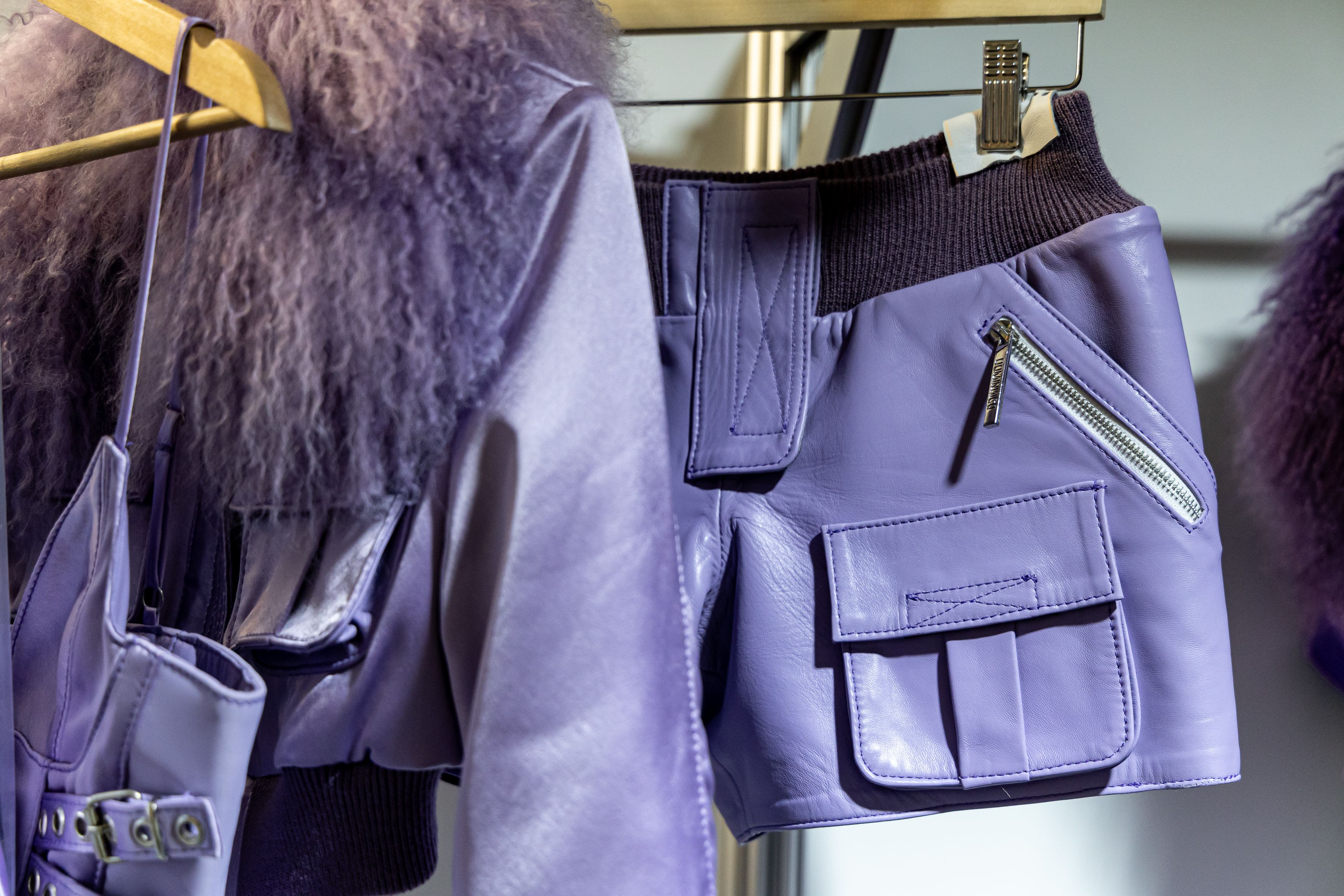
"For us, clothing is the entry point, but the real value is the emotional connection generated with the brand," specifies the founder of Nude Project. His brand, born in Barcelona, began to grow thanks to its way of communicating on social networks, its closeness to customers and its way of explaining the world. "From the beginning we understood that we did not want to have a cold relationship with the consumer, but to share the process, explain what we were experiencing and make people feel part of the journey," he expresses. Although their reality began online, as soon as the community grew, they began to expand into physical stores, spaces for connection with their public and for first-hand demonstration of everything they are and do. Precisely, this need to listen to their public and let them in is what —according to Casanovas— has made them grow: "People saw not only the product, but also the failures, the learnings, the ideas and all the energy behind it".
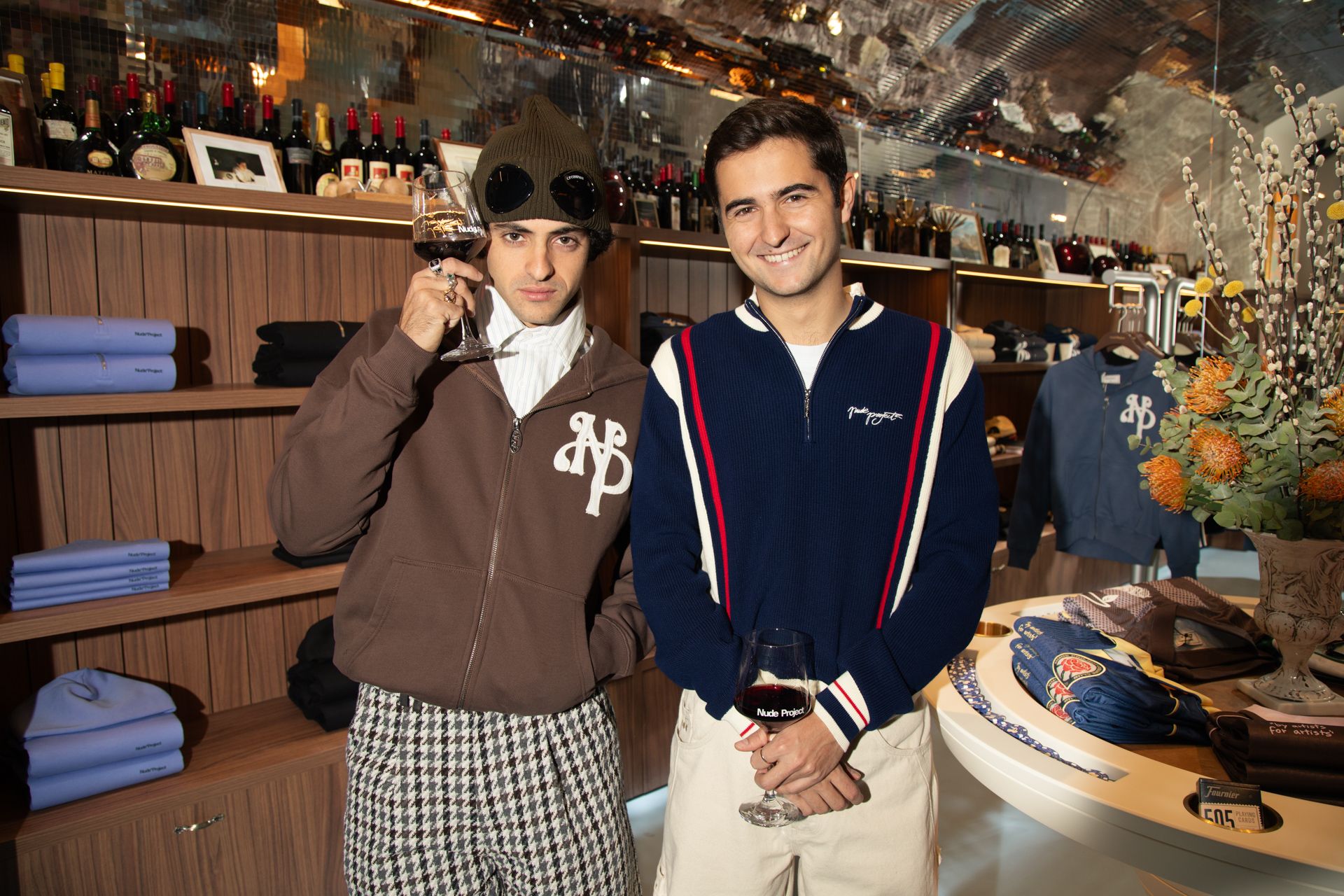
However, the will for the business to be profitable is also part of this new era of shopping. In fact, when in the 2000s, Mango opened its online store —the first clothing brand to do so in Spain— there was a clear interest in exploring the possibilities of this new world, especially for sales. Apparently, sales are no longer the only driving force for change, but the relationship with consumers itself. Brands want to dialogue with their customers, make them participate in everything they do, and listen to them. Physical stores become the perfect setting for these exchanges between company and client. "In the openings of our stores, we organize initiatives such as running clubs, which allow the community to get to know each other and share moments beyond the brand," says Casanovas.
Sustainability at the heart
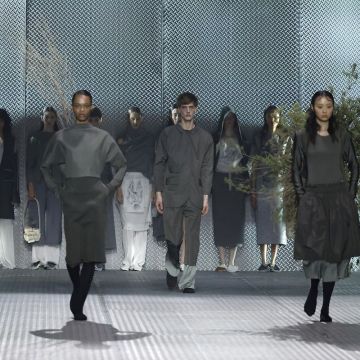
The other big point that has changed the way we shop is sustainability. This concept resonates in all economic sectors, even in fashion. There is a clear need to take environmental care more into account, but also to reduce mass consumption. Currently, designers are opting for what is called slow fashion: much more exclusive clothing items, at higher prices, but with a creation and care process behind them. Little by little, having a lot of clothes in the closet is no longer a trend; currently, it's about buying basics and some high-quality pieces, even haute couture in some cases. That's why we can see clothing items that parade at the 080 Barcelona Fashion, hanging on a hanger in a multi-brand store or for sale on designers' websites. Fashion continues to be exclusive, but more and more people are demanding sustainability before price. Not only that, but the institutions themselves mark it as one of the priorities. "Fashion as fashion has this aspirational value of feeling good, looking good, distinguishing oneself. At this moment, however, fashion must be sustainable, circular, and this also involves a reflection on consumption," says Xavier de Balaguer, president of MODAFAD, who regrets that there is much willingness and little disposition, for now.
In short, fashions change and with them consumption trends. From the first online clothing store in the world in 1994 to the present day there have been hundreds of changes and in the future, they will continue. The reality of the fashion sector, however, is at a strategic point: online consumption is growing among young people, but their need to see much more than a piece of clothing in a brand is also advancing. Communities are practically an obligation and the meaningful, thoughtful and careful look of brands is what makes the difference for the consumer. In the end, we no longer just buy clothes: we buy a place to belong.
Add The New Barcelona Post as your preferred Google source for free
Stay informed with the latest news.