An art fair is often understood through its most visible and commercial dimension: a place where galleries present their artists, collectors look for new acquisitions, and works are bought and sold. But a fair can be more than just a marketplace. Just as a gallery is more than a space for exhibiting and selling works, a fair can also become a place for meeting, exchanging ideas, and building connections between artists, gallerists, collectors, institutions, and the public.
With a vocation that goes beyond the commercial side —without overlooking it—, SWAB Barcelona celebrates its 19th edition from October 8 to 11 at the Victoria Eugenia Palace at Fira Barcelona-Montjuïc. The fair will bring together more than 180 artists and over 60 galleries, spaces, and projects from 22 countries across a venue spanning more than 3,000 square metres. The event brings international galleries and projects to the Catalan capital alongside a broad representation of the local art scene, while seeking to expand the very idea of what an art fair can be: not only a place for economic exchange, but also a meeting point where the different actors shaping the contemporary art scene can connect.
“This year, the fair reaffirms itself as a space for meeting, debate, and the market,” says its director, Carolina Diez-Cascón, who is entering her second edition at the helm of SWAB. Her approach is to broaden the idea of what a fair can be: not only a place where works are exhibited and sold, but a platform capable of “generating connections, ideas, and exchange among the different actors in the sector.” This idea runs throughout this year’s programme, taking shape in formats that bring galleries, independent spaces, artists, and communities together, both inside and beyond the fairgrounds.

One of the programming axes that best reflects this will for connection and exchange is VORTEX, curated by Lena Solà, which proposes that Spanish and Latin American galleries share space and establish dialogues between their respective scenes. The format brings together five pairs, including two with a Barcelona presence: TAT ARA shares a stand with Trastienda Machete, from Mexico, and Herrera Gallery does so with Ona Galeria, from Cuba. This formula, which is maintained from previous editions, allows the fair not to limit itself to presenting galleries from different countries next to each other, but to generate collaborations between them.
But the Barcelona presence is not limited to the two galleries participating in the VORTEX axis of the fair. It also extends to the general program, with spaces such as ADN Galeria, BETA Contemporary, Dilalica, Escat Gallery, ethall, Palmadotze, Rocio Santa Cruz and Fundació Úniques & 200CENT, as well as FOC, Halfhouse and Malpais, selected thanks to the Vila Casas Grant. A representation that brings together everything from smaller independent spaces to galleries with a more consolidated trajectory. FOC proposes, for example, a reflection on the limits of the market and authorship through an edition of t-shirts designed by artists linked to its community —Jokkoo, Cordova, choro, Fondo and Canino FM—.
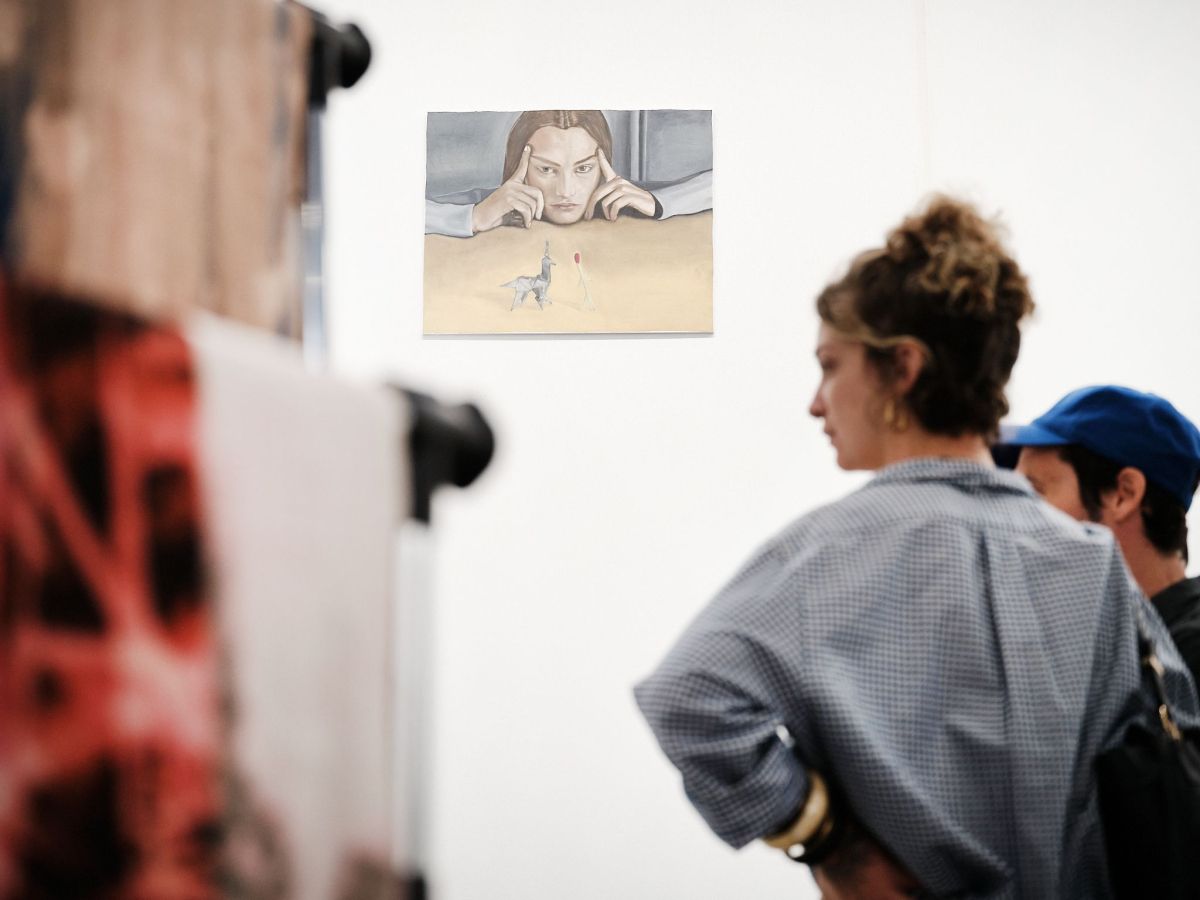
The fair beyond the stands
However, the presence of the local scene coexists in SWAB with a look at other contexts and production models that are gaining weight in the international panorama, with the aim of enriching the fair and expanding the possibilities of Catalan projects. In this sense, POLAR AND TROPIC repeats as one of the main axes of the program, bringing together independent spaces from Northern Europe and Southeast Asia —two regions that have not been chosen at random, but for representing, from very different contexts, some of the trends that are marking the direction of contemporary art—. While Northern Europe stands out for the weight of public policies supporting culture, in Southeast Asia collectivism and self-management of spaces are gaining strength.
Added to this program is MYFAF, which reserves three free stands for non-profit projects less than two years old and without previous experience in international fairs. The initiative seeks to facilitate young proposals to come into contact with professionals, collectors, and the public.
And this year SWAB further expands the fair's boundaries with the premiere of OFF-SITE, a new axis that brings together independent spaces accustomed to working outside traditional exhibition circuits. Projects that use unusual places —reused, disused, or integrated into the urban environment itself— to develop their proposals, such as Outhouse, from London, installed in an old public toilet, where it presents interventions by Mina Fouladi.
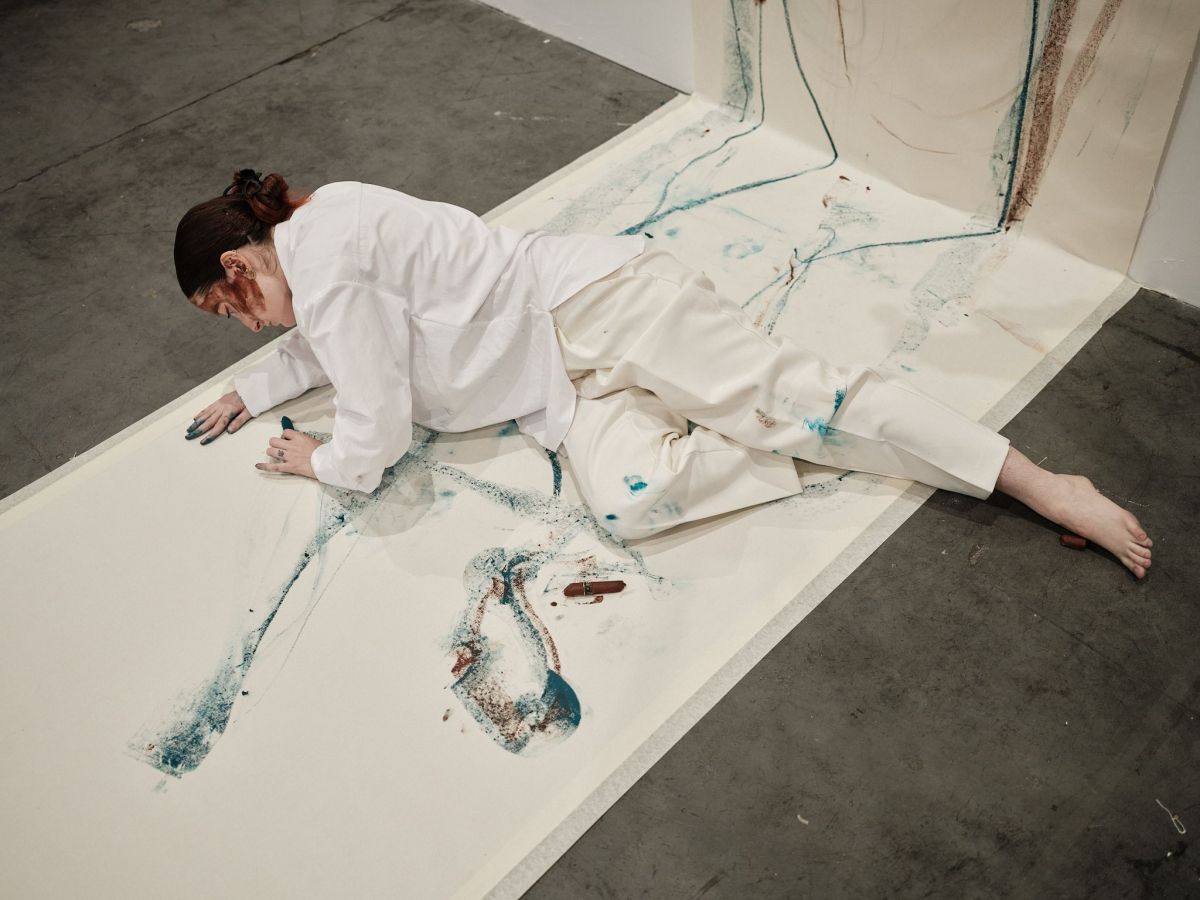
The program is completed with a battery of proposals that seem difficult to fit into a single fair: from a radio and conversation area to a charity lottery, including SWAB Food, which incorporates gastronomy into the program, performances, workshops, guided tours, activities for families such as SWAB KIDS. These are initiatives that expand the experience beyond the stands and reinforce the idea of SWAB as a place for meeting, participation, and exchange around art.
The pulse of the Barcelona scene
The mix of independent local scene, international projects, and new formats proposed by SWAB also reflects Barcelona's own contemporary art scene, almost like a mirror. The city has a very active gallery scene, with new gallerists and emerging artists constantly appearing, but the market and collecting still have room for growth.
SWAB has become, after almost two decades, one of the meeting points between this Barcelona scene and what happens outside, at a time when Barcelona still does not have a major international contemporary art fair comparable to Madrid's ARCO. Does it need one? The debate remains open: while some sector agents argue that an event of that dimension would help strengthen the market and attract new collectors, others consider it difficult to compete with the dimension of the Madrid fair and opt for developing their own models, such as SWAB itself, By Invitation, at the Círculo Ecuestre, or the Barcelona Gallery Weekend.
In that context, SWAB has found its place: connecting Barcelona with other international scenes and reflecting an image of the city through its galleries, artists, and new spaces. A mirror that also serves to expose a scene that seeks to grow and find its own path within the international market.
Add The New Barcelona Post as your preferred Google source for free
Stay informed with the latest news.