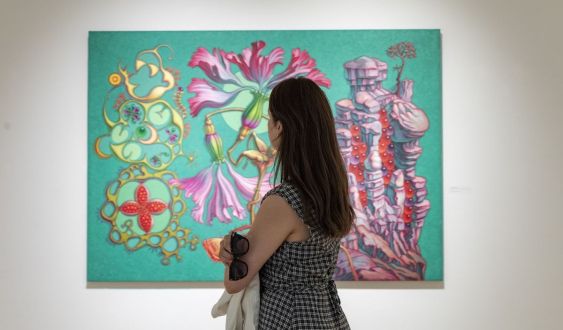
Colors and textures break the white of the walls between unhurried steps and gazes that wander between the works and the exhibition leaflet. Delving into contemporary art through the door that a gallery represents is for some a daily gesture; for others, a punctual pleasure, an act of resistance, or even an unconsidered option. For a city that wants to be culturally active, its existence must be a necessity. And in a Barcelona where rents soar, taxes do not decrease, and cultural habits change, galleries no longer just exhibit works; they exhibit their own capacity for survival.
This fragility is not new, but it has intensified in recent years: the increase in rental prices further complicates the situation of galleries; the emergence of online sales has altered the direct relationship with collectors, and global competition forces them to look beyond the local scene (and even more so in a market where collecting is limited and tax pressure is high). These are elements that, far from contributing to raising new collecting passions, make it difficult to attract new audiences, accustomed to relating to culture in other formats. In this context, Barcelona galleries make a constant exercise of resistance and balance between passion for art and sustainability, mostly looking to international markets, and taking into account the new formats and new technologies that mark a moment of transition that will redefine the artistic ecosystem.
“The role of art galleries is in a moment of very intense transformation, which is not finished. It is in a process of transit that we still don't know where it will end,” states the Barcelona City Councillor for Culture and Creative Industries, Xavier Marcé. This moment of transition has brought with it historical closures —such as those of Sala Dalmau, Galería Eude or Estrany-de la Mota—, but also openings that have given new spaces to creativity, and that have even generated new axes, such as the one that has naturally been woven around Trafalgar Street. And the gallery sector remains strong in this transition. Associations like Art Barcelona and Galeries d’Art de Catalunya (GAC) are proof of this.
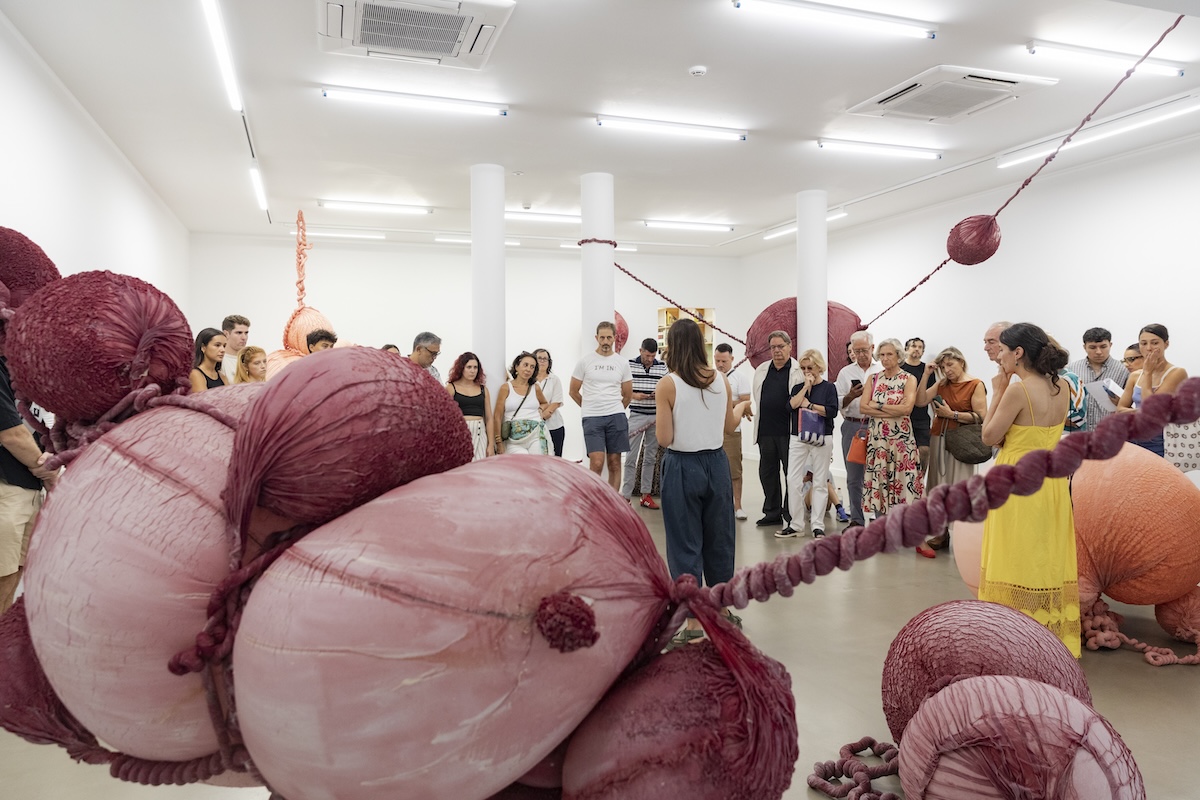
“Our goal is to continue generating interest in contemporary culture and art,” highlights the director of Art Barcelona and Gallery Weekend, Mariña A. Pino. “One of the challenges of the association and the Gallery Weekend is this: to generate new audiences and generate interest in the work of artists and galleries. It is the first step for other things to happen. If there is no interest, people do not visit galleries, and do not buy works of art.” Because galleries are art, but they also have to be economically sustainable: “These are two inseparable factors.” With this objective, the sector is structured to reach the general public (and collectors in particular) with events such as Gallery Weekend, Art Nou, Swab or The Collector is Present.
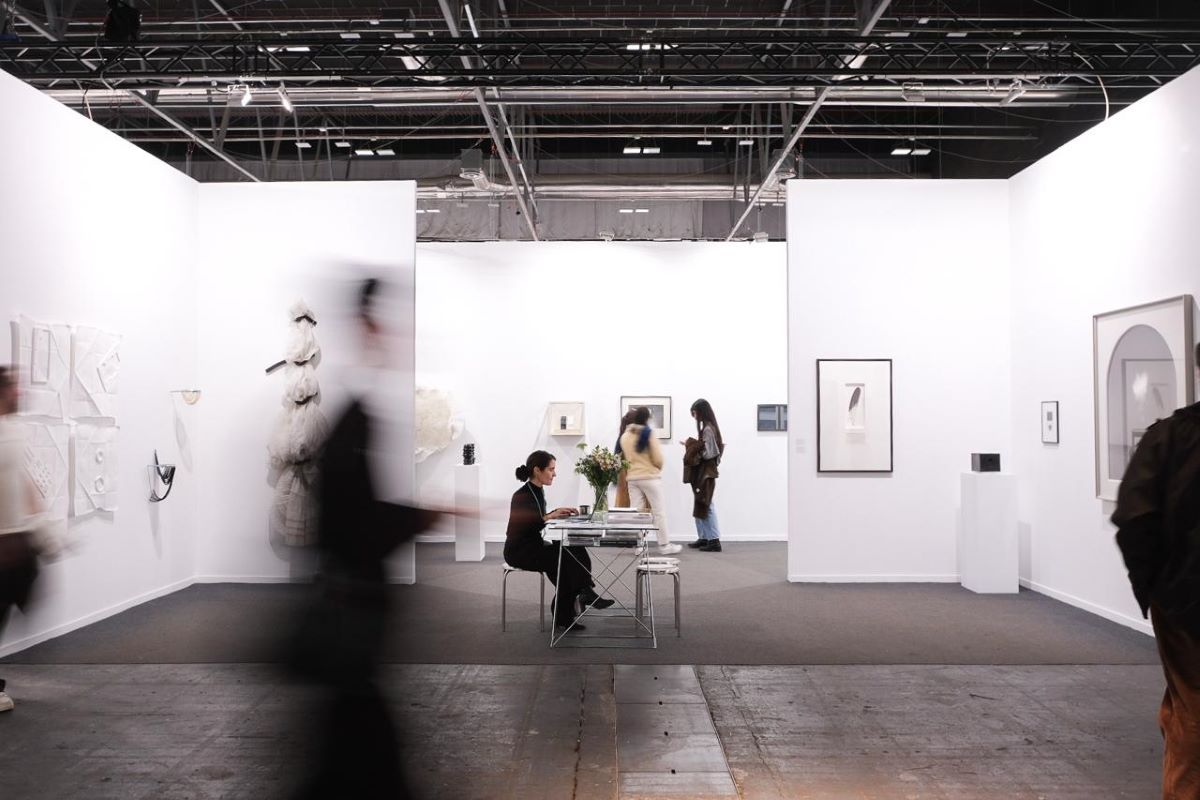
Thus, these events represent more than a meeting point (and sales point) for the sector: they represent an opportunity to raise new audiences and captivate future collectors. In this mission, there is a key element that can facilitate the task of sowing new collecting passions: reducing tax pressure. In a field where price can be a barrier —pieces can usually be found starting from around 3,000 euros, or 1,000 or 2,000 in certain cases—, adding a 21% VAT conditions the potential buyer's decision. And even more so, in a context where surrounding countries work with a reduced VAT that ranges between 5% and 8%. “It is a difference that harms the Spanish market and the sale of works,” emphasizes Pino. This competitive disadvantage is well portrayed at ARCO: “In one stand you have 21% VAT and, in the one next door, they offer you works at 7%. It is a very important difference,” against which the art sector has been clamoring for years.
The closure of some 200 galleries throughout the State for a week at the beginning of February was another step in this demand that has been on the table for years. “The 21% VAT suffocates us,” states Laura González from Chiquita Room. “Many galleries are considering leaving here or taking second headquarters in other countries because not enough is sold here. It is a strategy that many galleries follow.”
“Cultural VAT is one of the first barriers. Art can be expensive, but tickets to certain concerts, festivals or matches are also expensive, and they sell out. To think that art is elitist is a basic initial mistake,” defends Natalia Foguet, director of the Fundació Úniques, specialized in women artists. And here lies another crucial point for the future of art: to boost female presence, in the face of an overwhelming historical male predominance. “There is a historical debt that has been accumulating, and which is being worked on to rectify, both in public and private collections. And collecting draws from what is seen in galleries and museums. It’s a domino effect,” remarks Foguet. Through exhibitions and a wide network of artists, the private foundation has been working for two years to provide tools to women artists for their professionalization, as well as spaces and resources to enhance their work. It is about promoting it in its creation, but also in its projection, and its sale. And this sale is crucial to achieve economic sustainability that maintains the cycle.
Creativity in the face of uncertainty
To advance in this economic sustainability, Foguet advocates for imagining new avenues and channels: “We are in the territory of creativity. We are with people who are creating all day long, and we also have to be creative in our contribution. We have to be flexible and mutable in the times we live in,” defends the current director of the foundation, who was for 25 years at the helm of Hipermerc’Art, an annual event at Vinçon during the Christmas period, an ideal time and space to multiply sales for artists.
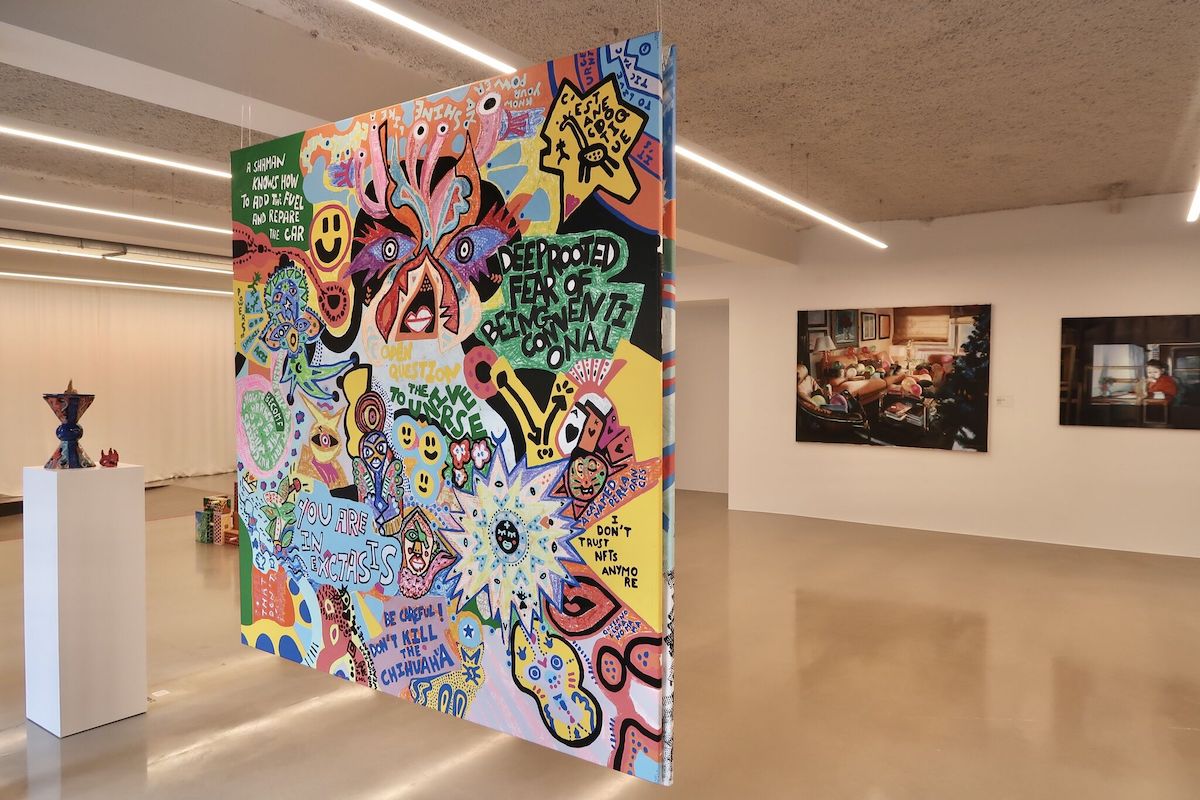
These creative avenues can take many paths, from fairs to new formats. Barcelona is the scene of many of them, but it lacks an international fair of the magnitude of ARCO. Some voices consider it necessary; others argue that it could hardly gain a volume that is already concentrated in Madrid, and others opt for other models, in a city that already hosts fair-format events such as Swab, By Invitation at the Círculo Ecuestre and Art Nou, for emerging artists. “What we have to do is bet on Gallery Weekend,” defends Pino.
But these channels and creative ways to contribute to strengthening gallery work can go beyond fairs and events. Also beyond VAT, or giving it another twist, as Juliana Sorondo proposes from her gallery. "Imagine that, to encourage young collectors, you didn't have to pay VAT on the first pieces. It would be like a Youth Culture program applied to galleries, and a way to incentivize collecting." From Bombon Projects, Joana Roda suggests more paths, such as promoting a Catalan Patronage Law, and seeking measures to encourage the cultural use of city premises, inspired by the tax breaks in the Cultural District of L'Hospitalet: "There can be many measures to promote the opening of more businesses linked to culture." These alternative paths can also come from within, with new approaches to gallery management, as Lorena Pizarro from SELTZ highlights: "Gallery work is beginning to be conceived from another place; a place not so much of a single person or an individuality or personality, but of a system that adds different voices."
The role of new technologies
Getting creative in these ways and channels can (or may not) count on technology as an ally. In fact, the digital sales channel has been gaining weight, and already represents 17% of global operations, both from specialized platforms and in less formal channels, such as social media itself. In addition, technology has burst into the art world not only as a sales channel, but also to buy works that are no longer physical, but digital, mainly throughNFT. However, even though these cryptographic certificates of authenticity emerged strongly, they suffered a drastic fall until having currently lost a large part of their value.
Everything is part of this still inconclusive transformation process. And in this sea of changes and readjustments, collectors, both new and established, move. The Clos family are among them, with more than 5,000 pieces of art —contemporary and, above all, ancient—, which they open to the public through their Derby Hotel Collection hotels and, especially, from the Egyptian Museum. In this path as collectors, started by Jordi Clos, art galleries play a relevant role, as Joaquim Clos highlights. And not only for the purchase of works, but also in collaborations such as exhibitions of gallery pieces in spaces of their hotels. One more way within this creativity to seek new channels, spaces and formats.
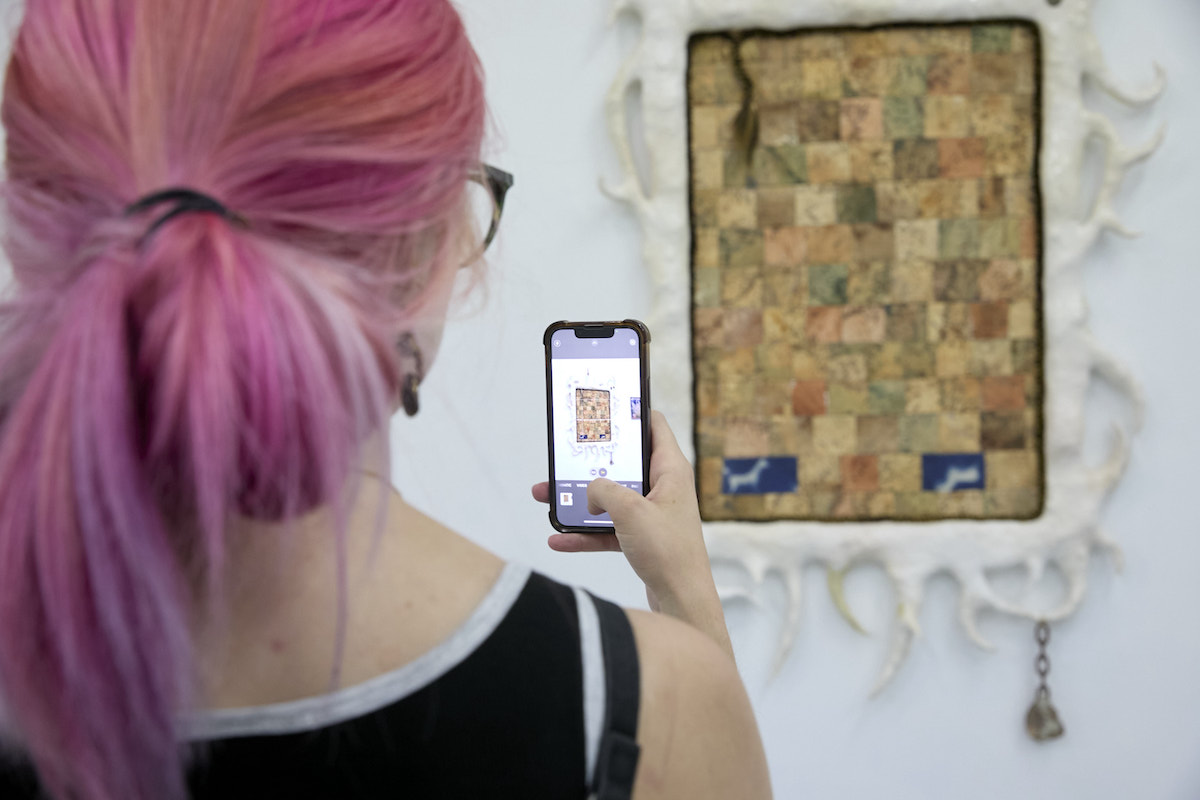
But, how to get started in this world of collecting? In Barcelona, events like Art Nou and By Invitation are key points to do so, along with the event The Collector is Present. As Pino highlights, the event precisely seeks to demystify the figure of the collector, with “real people, with real lives, who explain what leads them to get into the world of art, to encourage other people to do so.” And it is that, as young collector Marc Francés defends, “there is an aura of elitism, lack of transparency and prejudice” that keeps many away from the world of art. From SELTZ, Pizarro also points to the need to eliminate “the obsolete idea that art is only for a privileged elite.”
“An engraving by a young creator can be more economical than a print from a large store,” Pizarro emphasizes. “We are all potential collectors; you simply have to acquire, and acquiring is much simpler than it seems.” The reasons for doing so can be many, as in Clos’s case: “It’s a click that your brain makes to dedicate part of your time and your heritage to something that is absolutely timeless. The art you can collect is the greatest fortune you can have. And opening it to the city is what makes it greater.” In his case, through a museum and hotels. And art seeks its paths with new spaces and formats, and also in institutions. The creation of the new Thyssen and the expansions of Macba and the MNAC are proof of this, and will contribute to revitalizing the city’s art scene. However, as Roda points out from Bombon, “what is interesting about these projects is that they endure and are filled.” Lest, as Júlia Cruz notes, new museums are built but there is no local work to provide them with content.
Expanding the market
This is a risk that would be run if galleries stopped functioning and the cycle was broken. Creativity and artists are there; spaces to exhibit them, too; what is missing is market.“This capacity we have to generate, attract, and create initiatives needs to expand the market,” defends Marcé. “The city has an enormous capacity to promote projects and talent, but surely we don’t have a sufficiently broad market to give it an outlet and to preserve it. It’s a problem of balance between supply and demand, and we must seek to expand this market, within the city, in its surroundings, and outside.”
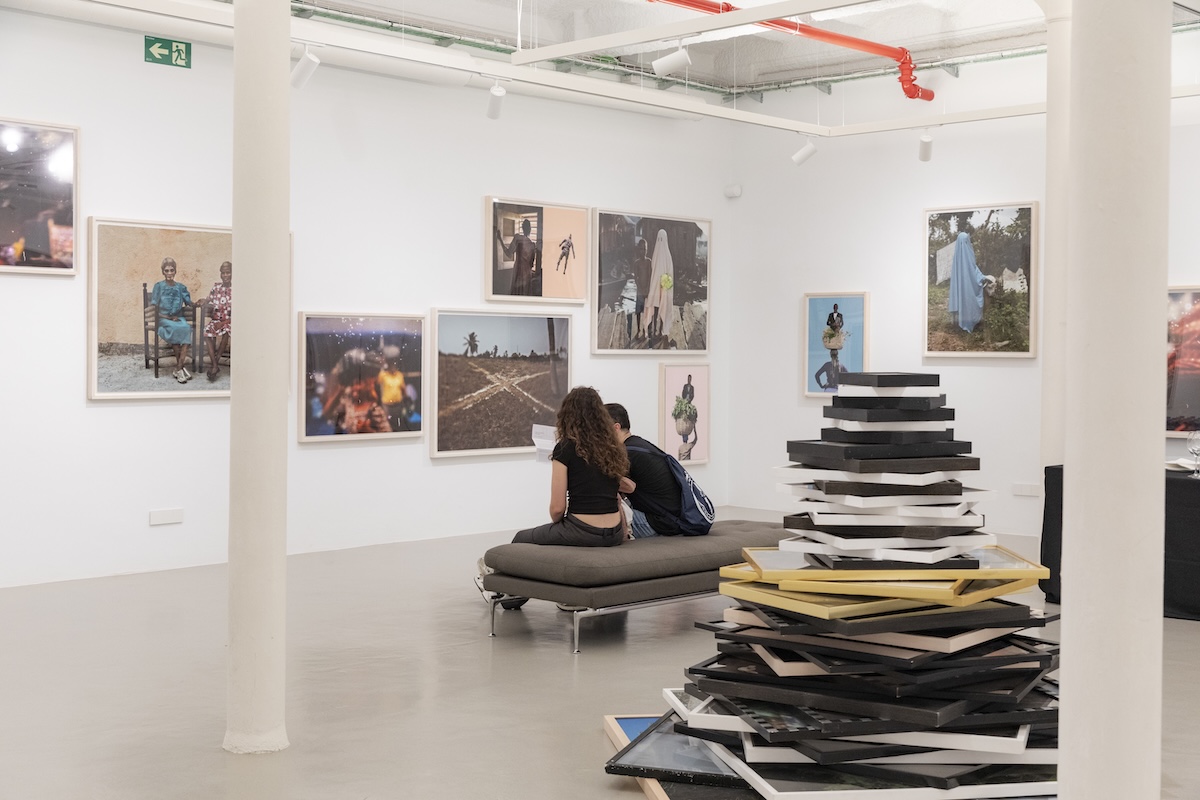
This need is more than identified from the gallery sector, as Pau Escat from ESCAT Gallery confirms: “Barcelona has good opportunities, it has talent, it has galleries. Perhaps we could work to grow the market, perhaps with a new major internationally recognized fair.” Apart from large fairs and events, everything comes back, again, to the same objective: generating these new audiences and democratizing the world of art and gallery management: “We need to make people understand that galleries are for everyone.”
The objective is clear; the path to achieve it is not yet, amidst a moment of transformation and new formats that will lead to new models yet to be defined. It is an unknown that will find its answer, perhaps, in art itself. “Art has a great anticipatory capacity, a capacity to explain what in a few years will have become an everyday topic,” highlights Marcé: “Barcelona is capable of explaining realities that are seen by the world as anticipatory.” Perhaps, the answers are already there, and we just need to know how to interpret them.
Add The New Barcelona Post as your preferred Google source for free
Stay informed with the latest news.