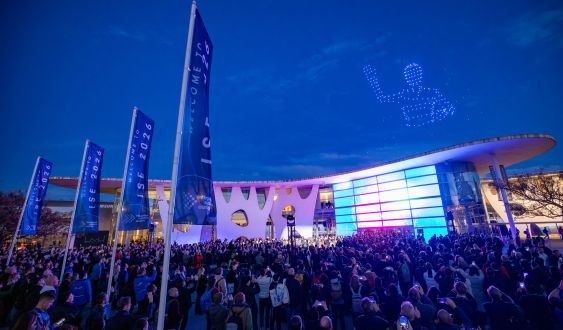
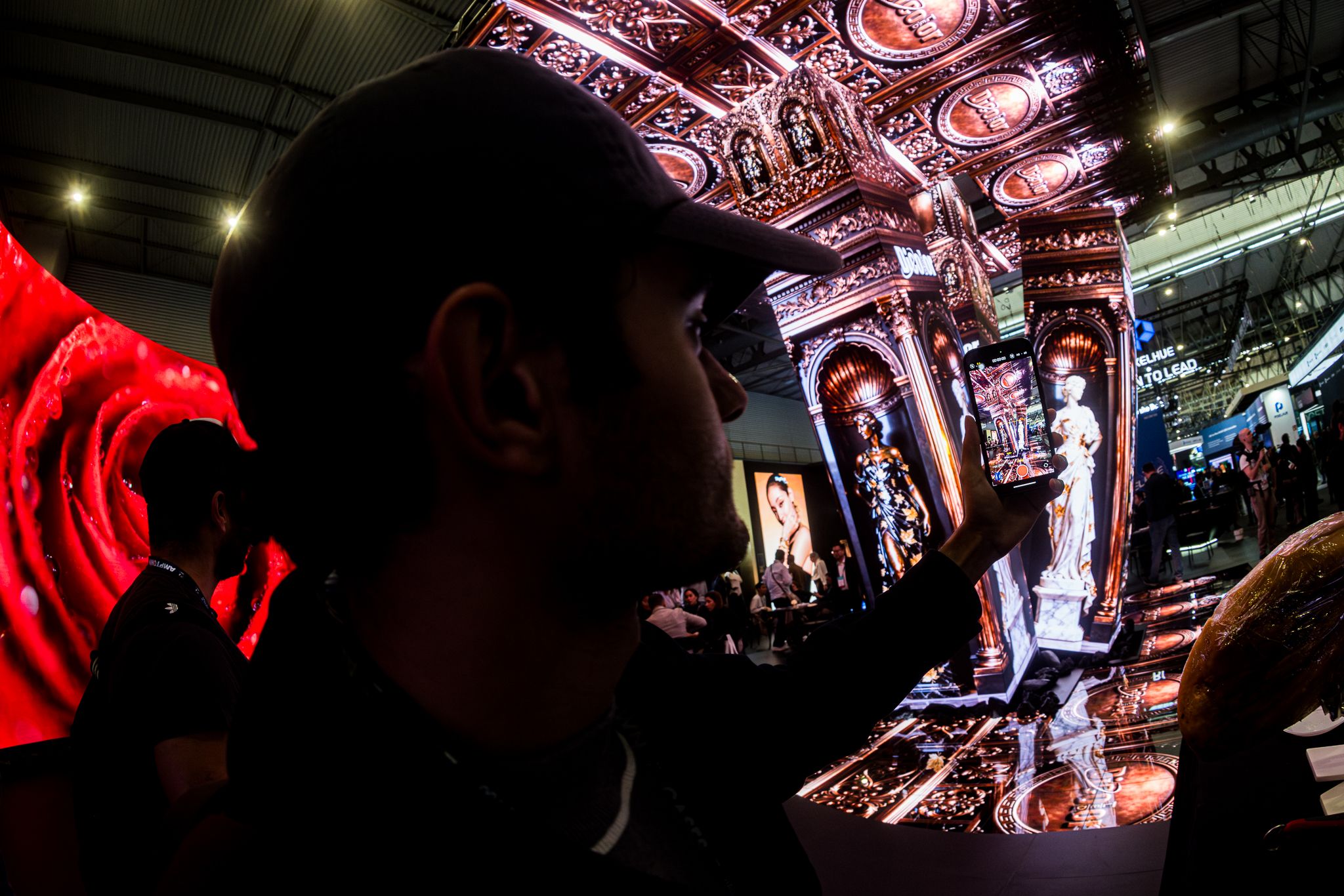
Giant screens —transparent, curved, or even capable of simulating Gaudí's trencadís—, multi-colored spotlights, state-of-the-art speakers, or smart meeting rooms. These are just some of the technologies that are magnificently deployed these days with the arrival of Integrated Systems Europe (ISE), the world's largest audiovisual fair and one of the most important congresses held in Barcelona. Technologies that provoke an immediate "wow" or "amazing" in the hallways, full of professionals doing business, but who also stop to photograph and record these innovations. However, beyond the surprise and visual impact, these technologies share a less visible but much deeper mission: to inspire, awaken imagination, and make us dream.
A purpose that, although they may seem like opposite worlds, technology shares with culture. What is, if not, the meaning of a film, a poem, or a Fiesta Mayor? To excite, move, inspire, awaken curiosity, or open new horizons. In short, to make us imagine. It is no coincidence, therefore, that one of the words most repeated among the slogans of the ISE stands —beyond pixels or resolutions— is precisely this: imagine.
But in this exercise of dreaming and imagining, technology can be an ally, never a substitute. Technology expands the limits of what we can feel and perceive, but the engine must remain human. This was summarized by ISE director, Mike Blackman, in an interview for The New Barcelona Post: "Creators need tools to create. A painter needs a canvas and a brush. Today these tools are more sophisticated and digital, but the engine must remain creativity."
With this conviction, in its fourth edition in Barcelona —after establishing itself in the city in 2022, when its old headquarters in Amsterdam had already become too small—, ISE has wanted to reclaim its most unknown facet: the impulse to creativity. It does so with Spark, a new space that connects disciplines such as gaming, design, and live events to break down barriers between industries and foster unexpected collaborations. Demonstrating that, today, culture knows no limits or borders, and that technology makes possible everything we can imagine. Precisely, one of the great current trends in audiovisual is this cross-pollination of industries, languages, and formats that until recently advanced separately. The borders between cinema, video games, performing arts, design, music, architecture, and advertising are blurring.
And it is here where perhaps its true impact on the city lies. Beyond the economic figures —more than 520 million euros in impact last year alone— or Barcelona's positioning as a world capital for congresses, ISE can generate a less quantifiable but equally decisive footprint: creating opportunities for local companies and creators, awakening vocations, and nurturing creativity.
But how do all these concepts translate into practice? How can Catalan companies and creators transform technology into culture, into stories, and into experiences that leave a mark?
New experiences and new formats. Technology opens the door to experiences that only a few years ago seemed like science fiction. Observing the Sistine Chapel through virtual reality glasses at IDEAL, or being guided by a small digital chef at the Le Petit Chef restaurant (Hyatt Regency), is no longer the future: it is the present.
These new ways of creating allow artists and creators to conceive stories that go beyond traditional formats. Experiences that transport the audience to other worlds, placing them at the center of the action, transforming the spectator into a participant. Whether through virtual reality, immersive installations, or interactive narratives, technology becomes a new format for telling stories and generating emotions.
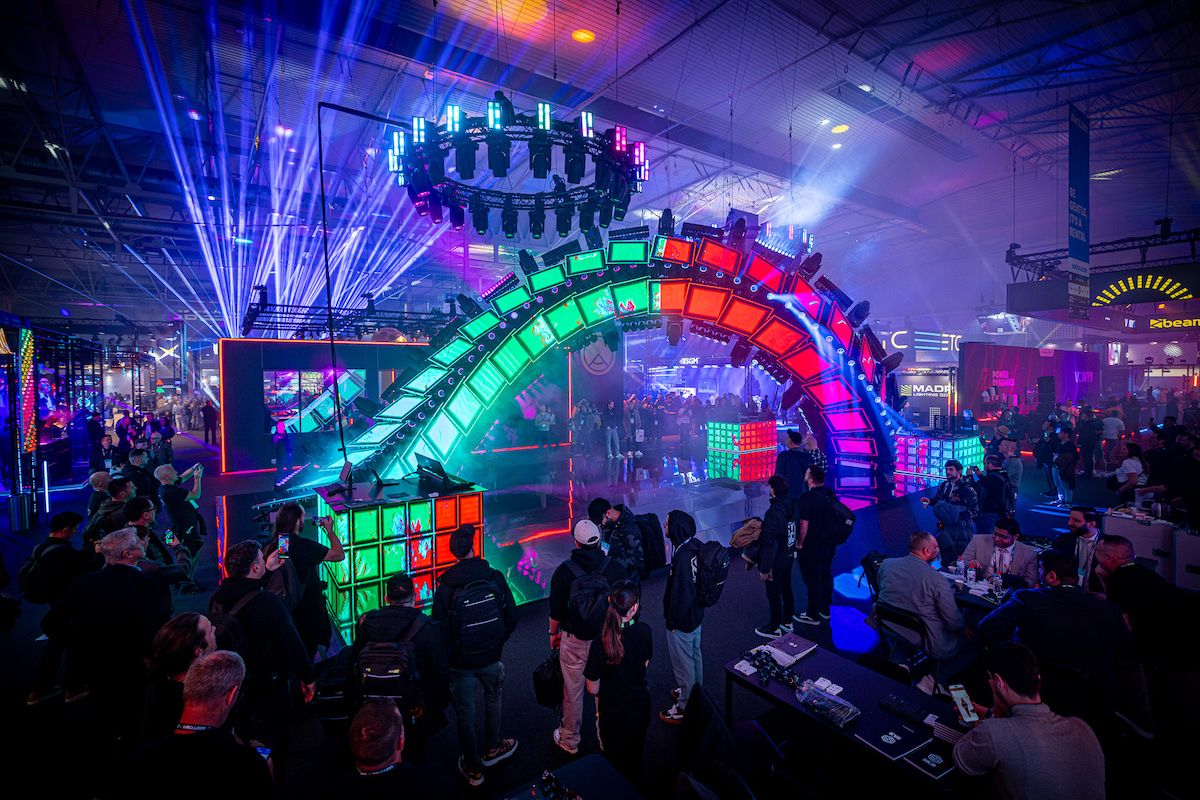
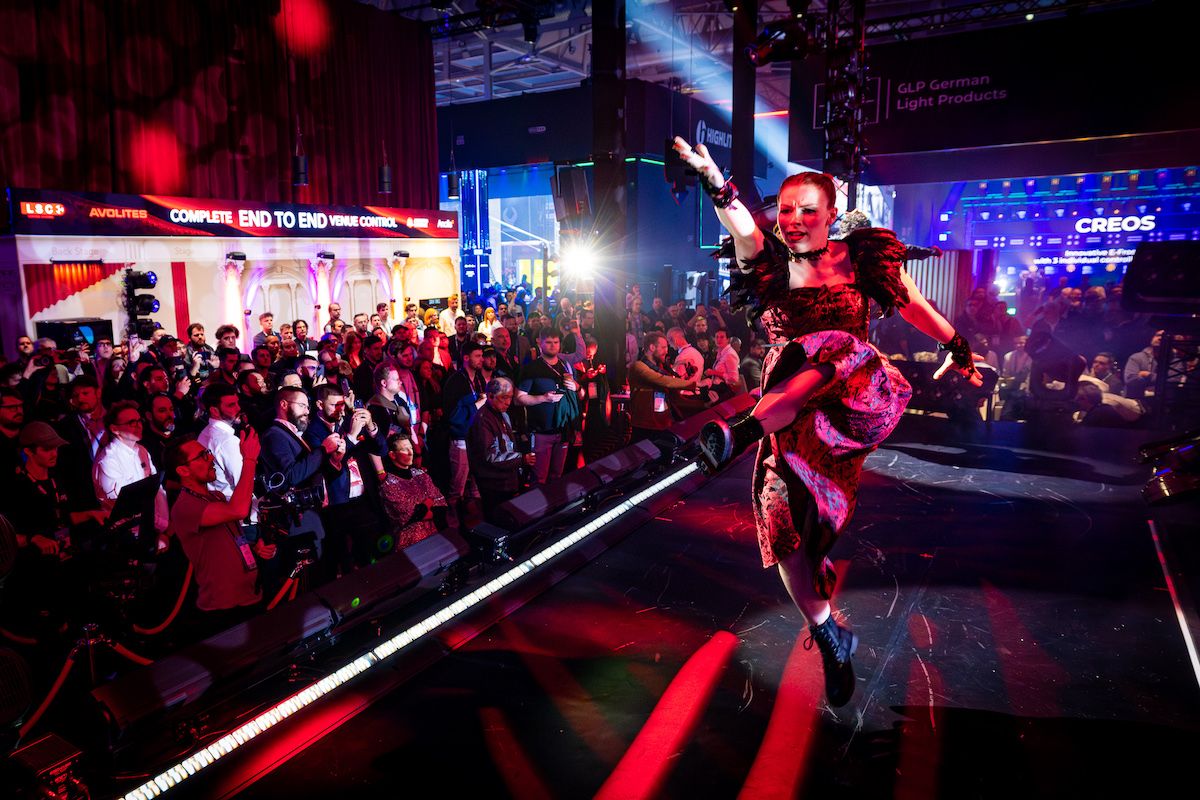
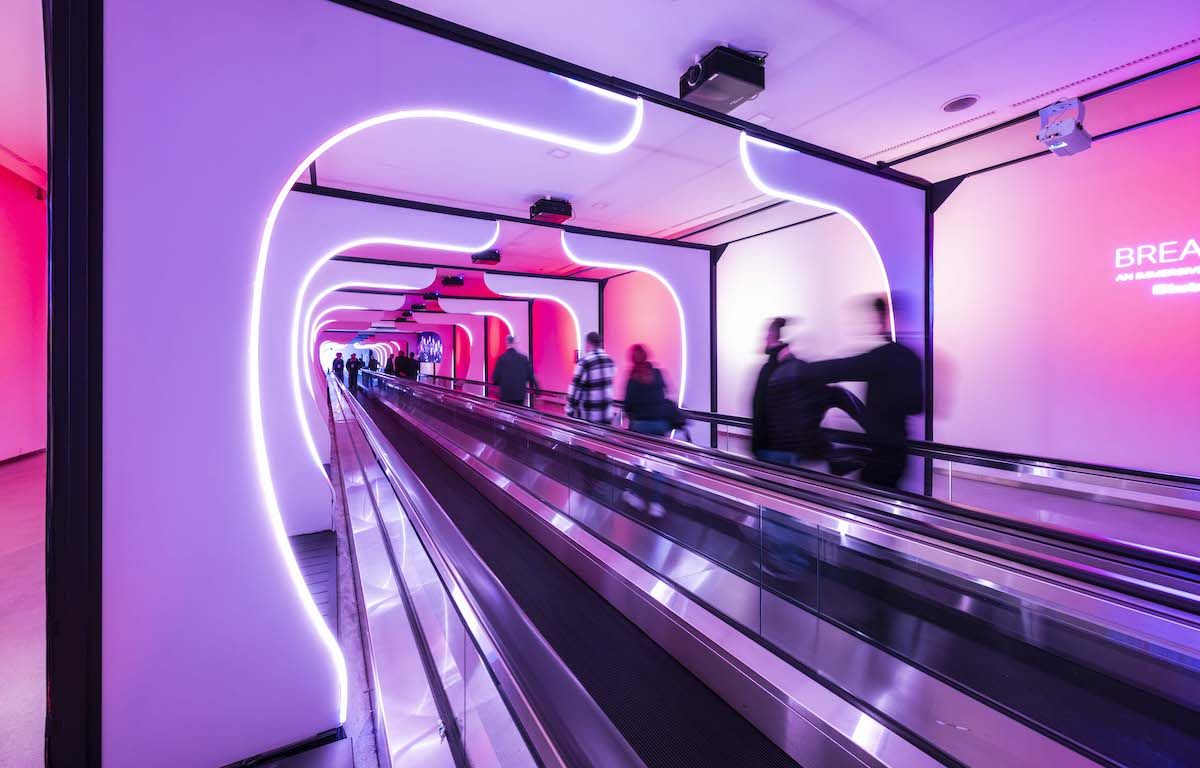
At ISE, this cultural dimension becomes tangible in the stands of the more than 1,700 exhibitors, many of whom transform the exhibition space into a work in itself: immersive nightclubs, walls for painting digital graffiti or sensory tours that make the stands cease to be mere product showcases to become authentic experiences. Even the simple act of walking through the fair can become an artistic experience, as happens with Breathe —the immersive exhibition created by the Barcelona studio instronic—, the installation that connects the eighth pavilion of Fira de Barcelona and invites you to stop, breathe and reconnect before resuming the intense rhythm of business meetings.
In this context is framed Immersive Horizons: A journey across Catalan digital creativity, a proposal promoted by the l'Institut Català de les Empreses Culturals (ICEC) and the Direcció General d'Innovació i Cultura Digital. In an immersive cube, the initiative presents six Catalan projects that exemplify how technology can rethink the cultural experience and open it to new formats with international projection.
Six diverse perspectives that use technology as a creative tool: from the spiritual reinterpretation of Hilma af Klint by Brooder Lab, passing through the poetic installations of Campmajó Studio, to the proposal of imagining possible climatic futures that Onionlab invites us to. Projects that demonstrate that ISE is not just business: it is also a laboratory and a showcase of Catalan creativity, at the same time that this creativity spreads, inspiring other studios and creators, even those who do not bet on digital art.
Technology as a gateway to new audiences. At the same time, more and more cultural centers are using technology to reach audiences that traditionally do not feel appealed by museums or galleries. It is no coincidence that, among the discounted cultural proposals that ISE offers to its more than 85,000 attendees from all over the world, spaces such as IDEAL, a renovated Aquàrium with immersive experiences, or the Centre d'Art Ametller are included.
No virtual experience can replace the thrill of entering the MNAC and contemplating the Romanesque paintings, but that does not mean that technology must necessarily be a threat to heritage. On the contrary: it can act as a gateway, as a first contact capable of awakening curiosity, breaking barriers, and bringing in new audiences. Immersive experiences, digital tours, or interactive stories allow for contextualizing, explaining, and generating emotions even with works that are centuries old. In this field, several Catalan studios are already working to connect technology and heritage, such as blit.studio, Framemov, or Layers of Reality.
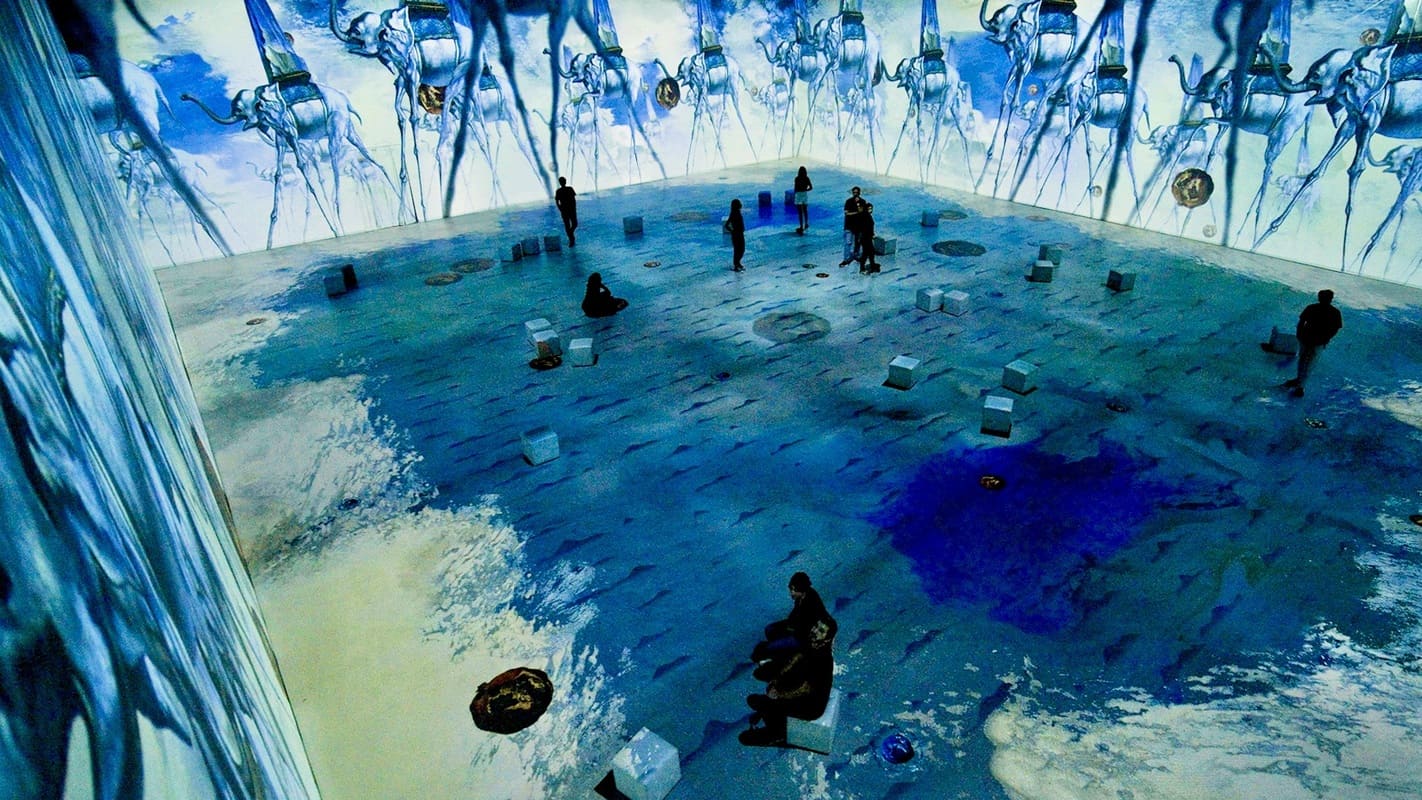
Better tools, better quality. The impact of ISE on the cultural sector is also perceived directly and tangibly: this exhibition is the showcase for the tools that make any contemporary show possible. From theatrical spotlights to sound systems for concerts, festivals, or conferences —with entire pavilions dedicated to continuous auditory demonstrations—.
Especially in a world where the boundaries between disciplines have blurred. When an exhibition incorporates languages from cinema or video games, or when a live event is built from light, sound, narrative, and interaction. However, this technological evolution also poses a challenge: the risk that projects with fewer resources, which cannot incorporate the latest innovations, will be left out or reach a smaller audience.
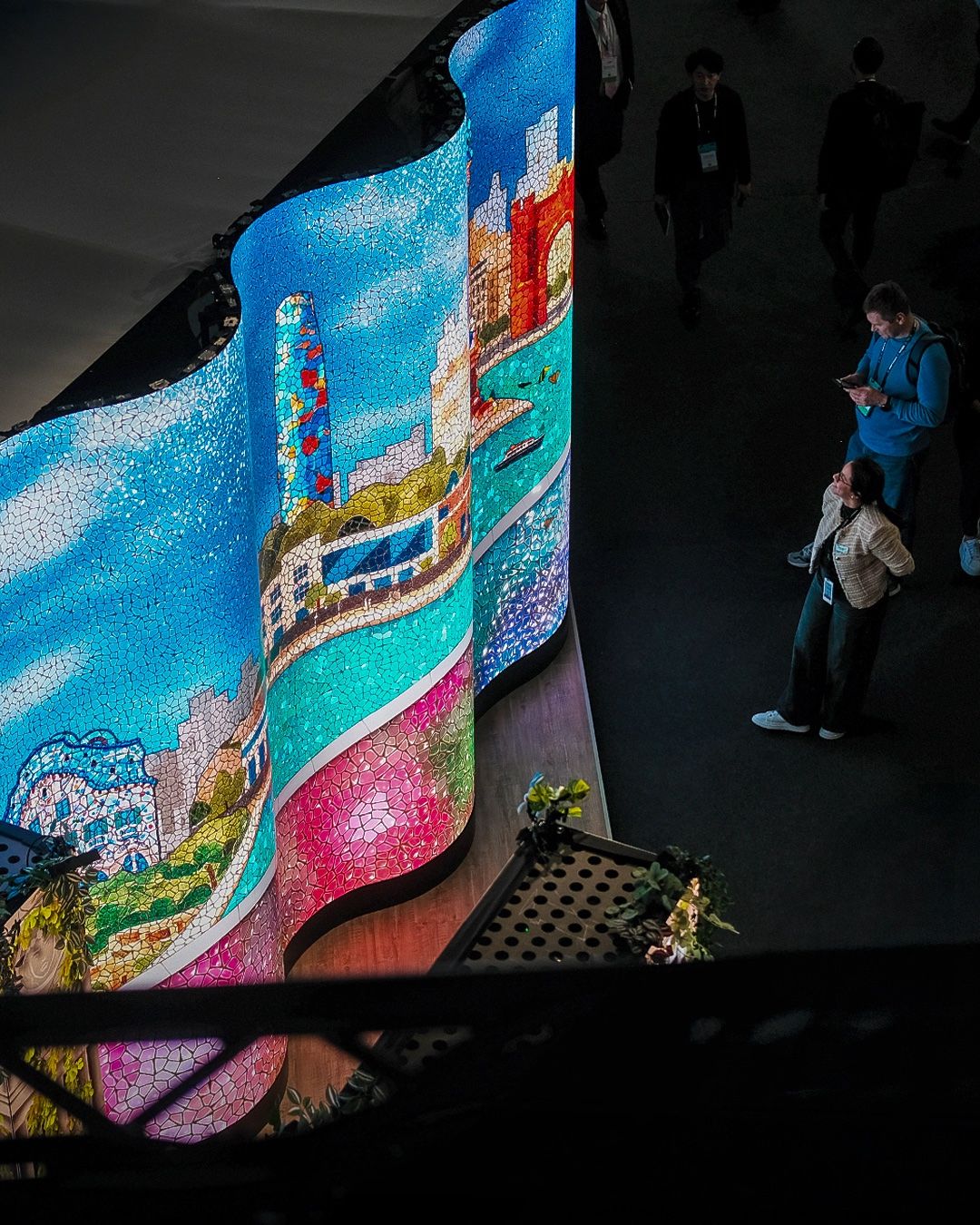
Culture, but also industry. It is often common to separate culture and business as if they were opposite worlds. But behind any cultural project there is structure, figures, and, inevitably, industry. And in this area, technology can play a key role: not only as a creative tool, but also as a driver for professionalizing the sector or improving communication with the public.
At ISE, technology applied to culture also manifests itself in seemingly less visible, but equally decisive aspects: smart meeting rooms, audiovisual solutions for exhibitions and festivals, or immersive advertising formats that allow a cultural project to be explained in a more attractive way. Thus, technology not only transforms the stage, but also everything that happens before and after the event.
And even as a party finale. Until not long ago, Major Festivals were not conceived without a beginning or an end full of pyrotechnics, light, and noise. In fact, fire is part of the Catalan collective imagination: from correfocs to bonfires. However, environmental awareness, inclusion and respect for people with functional diversity, as well as the impact of fireworks on animals, raise new questions. Social and environmental challenges that directly appeal to popular culture and force us to imagine new ways of celebrating.
Faced with this scenario, some festivals have begun to explore alternatives. La Mercè, for example, has incorporated a drone show in recent years, by the Catalan company Flock Drone Art,as a complement to the traditional pyromusical. It is not about replacing fire, but about rethinking it. About finding ways to excite that are more inclusive, sustainable, and adapted to the present. In this sense, the ISE has also wanted to close its conferences with this same philosophy: concluding each day witha show of 600 drones, accompanied by artistic performances such as opera or digital art projections.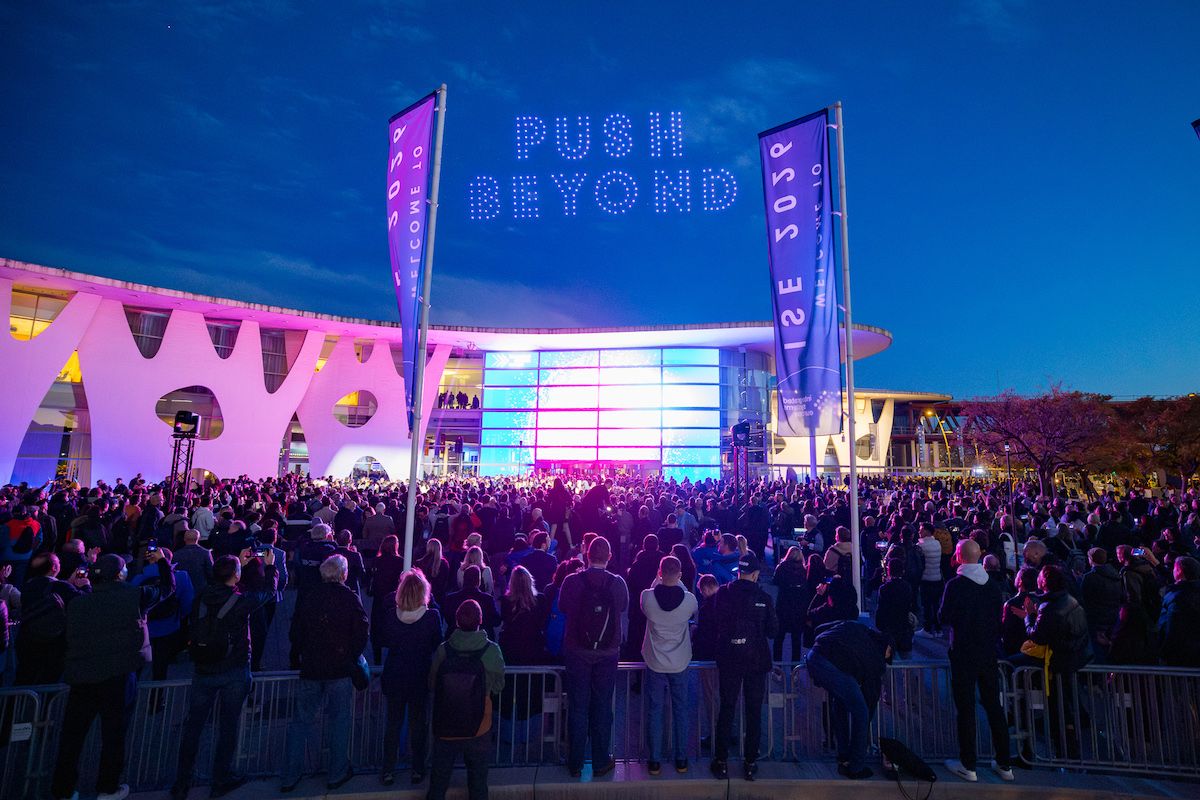
A party closing that is also a declaration of intent: technology is not presented as a rival to culture, but as an ally to imagine the future. Society poses new challenges, culture evolves, and perhaps technology—although not the only answer—can be a way to face them. And the ISE, without a doubt, is an excellent example.
Add The New Barcelona Post as your preferred Google source for free
Stay informed with the latest news.
