They say that every purchase we make, what we put in our basket every day, has more power than the vote we cast in an electoral ballot box. Especially direct acquisitions from producers are, clearly, a commitment to that activity. When we go to buy in a street-level store, we are contributing to that business remaining open. We breathe oxygen into it, in the same way that, if we read the name of a nearby town on the label of a sausage we acquire, we wind up the local economy.
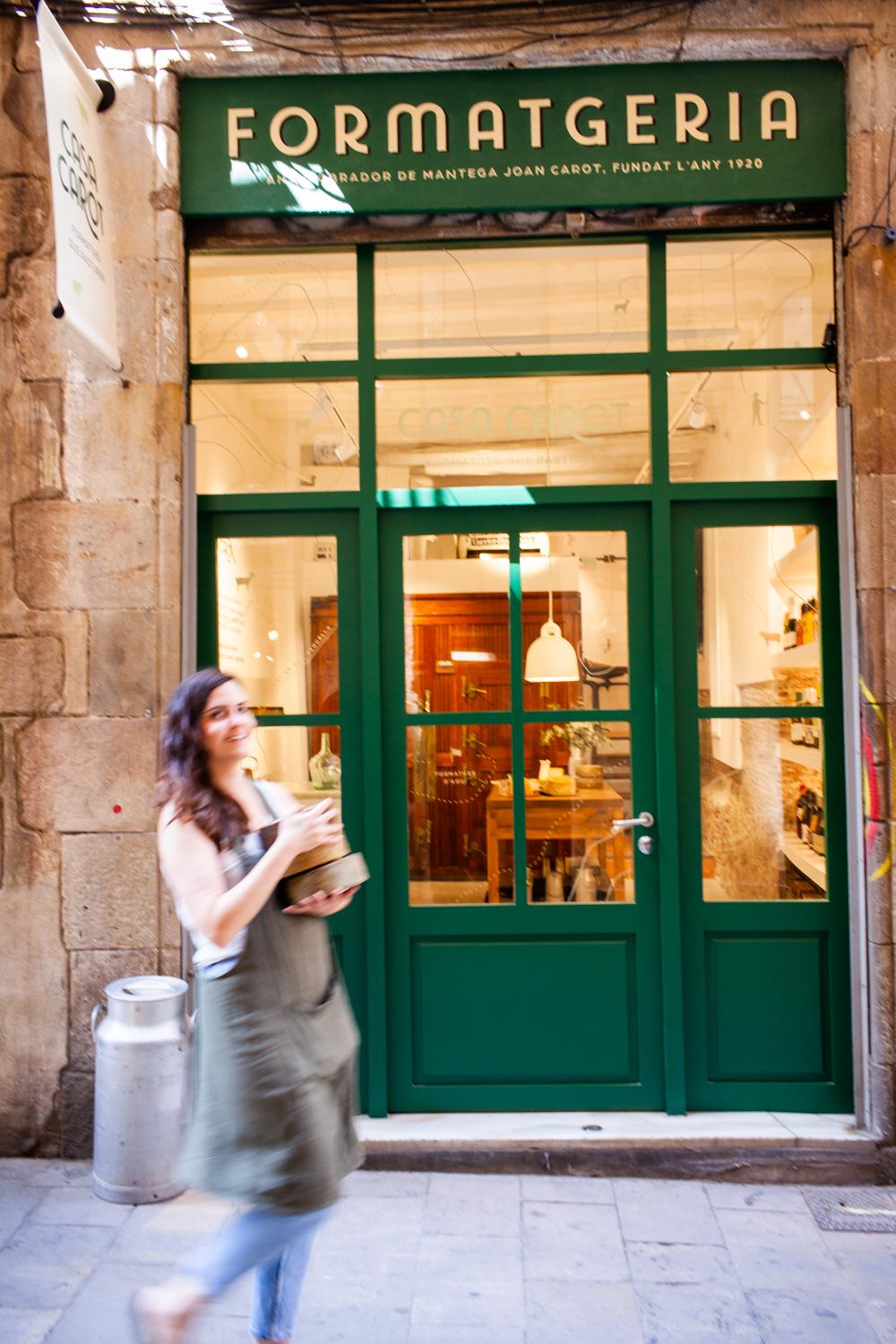
And in stores like Diana Castell's, all this can be done: enter and support the continuity of this beautiful business in the Gòtic, which is practically the only one in an entire neighborhood dedicated exclusively to a single food product. At the same time, we are winding up the local economy of small cheese dairies throughout "the entire territory of the Països Catalans." But, in addition, when we enter the Casa Carot cheese shop and make a purchase, it is also possible that we are helping to prevent fires.
Because some of the cheese producers we will find there participate in the Ramats de Foc project, a powerful tool for managing the risk of forest fires, through grazing in strategic areas. You can help create and maintain these landscapes with actions as simple as consuming products from nearby herds. "The fire is put out in winter, but the territory must be prepared for this to happen," says the cheesemaker. That is why she sells cheeses made with milk from herds that clear forests and roads and also some wines from conscious and respectful viticulture that, through the Ozó project, allocate part of the profits to the Ramats de Foc project.
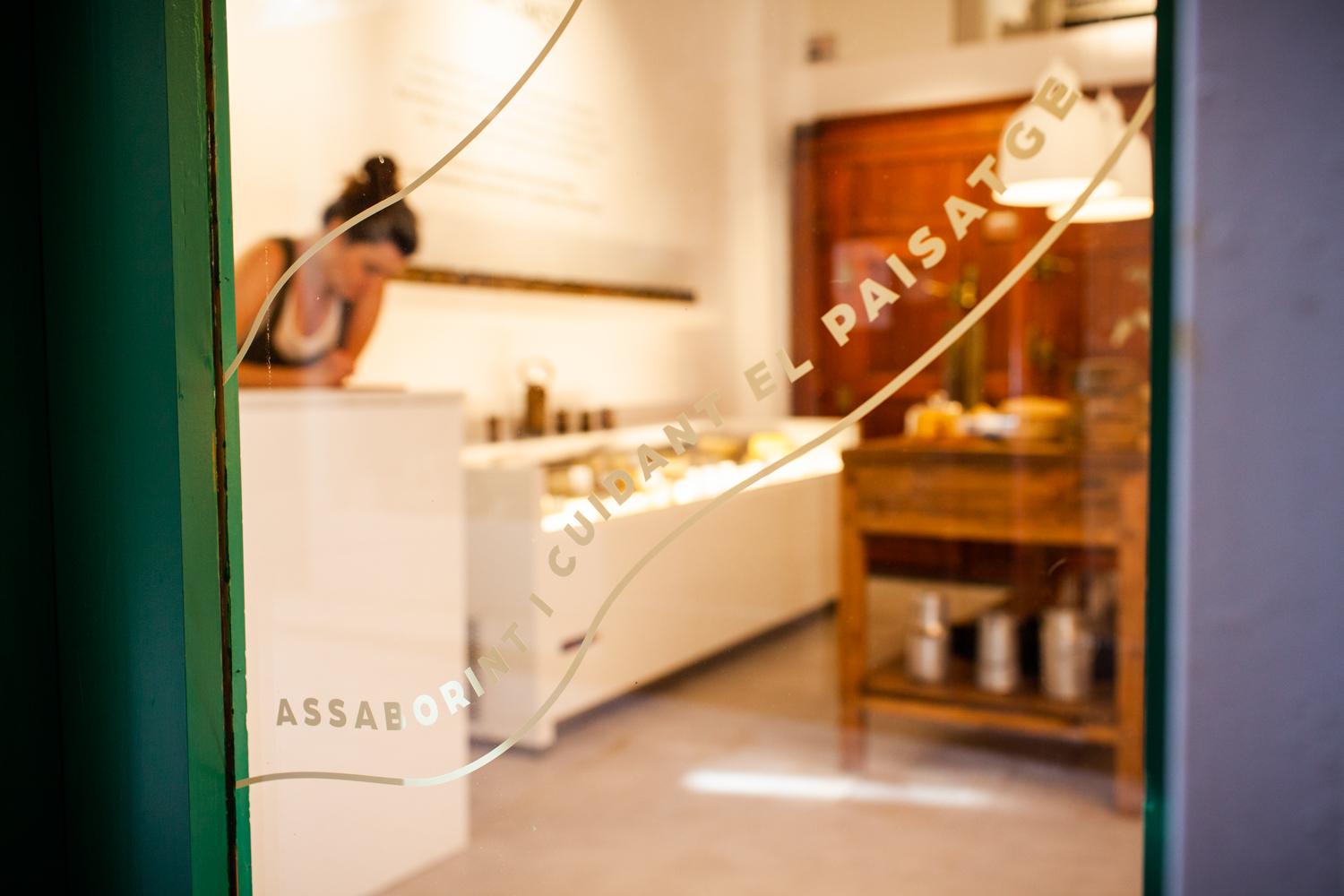
Every product choice Diana makes responds to many whys, with many reasons to be part of her business. She opened it five years ago. In July 2021, she inaugurated the Casa Carot cheese shop, a space to taste the territory, discover the product made there, and learn the first and last name, each story linked to a label. Every morning, when Diana raises the blind of her cheese shop, she opens the door to a small universe of flavors achieved with goat, sheep, and cow milk. It is a small organoleptic world made of mornings and afternoons of grazing, because Casa Carot cheeses graze, as the business motto says. "When cheeses graze, we savor the landscape and care for the territory."
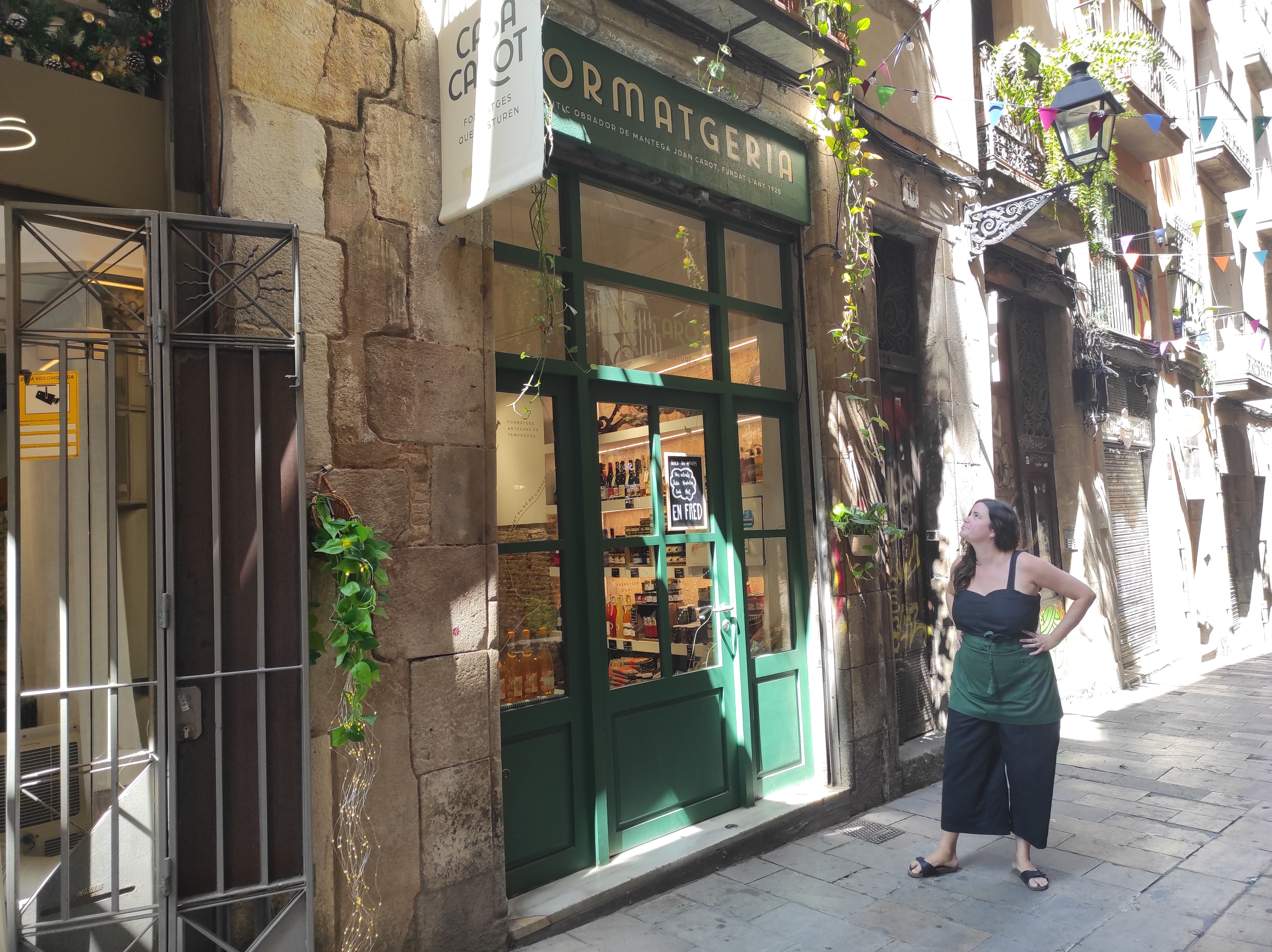
These are messages that do not decorate the cheese shop, but give it meaning. And to this Barcelona native, a resident of the Gòtic for fifteen years, opening her commercial establishment at number 16 Dagueria Street, all this gives her the strength to nourish the proposal she imagined when she saw the neighborhood premises for transfer, a project "that is mine," she states. And, best of all: "Thanks to it, I always have good cheeses on the table, direct contact with the producers, and the gratitude of many people in the neighborhood."
Because in this "neighborhood concept that is fading," as Diana describes it, the few neighbors and businesses that still stick together applaud such an initiative. "Now in this neighborhood there are already third and even fourth residences." In fact, Diana confesses that she "misses more businesses and residents around her who speak Catalan." However, the few long-time neighbors who still live there all year round, she says, "are happy with the cheese shop."
Sensitivity towards the territory
Whether they are residents of the Gòtic, or other districts, whoever comes in for a cheese is likely to linger and discover other things to take home: gluten-free pasta and escairat wheat, from L'Escairador, in Berguedà; olive oil jam, vegetable chips, legumes, broths... "My audience is not people with more money, but people with more sensitivity. In 90% of cases, they have a different sensitivity." That is to say, they value the type of product and the philosophy that contextualizes it, which is: knowing who made it, where, and under what conditions and means. "When I went to visit them, one by one, I was met with a double welcome: on the one hand, that thought of theirs that they must have been saying: and now this one from Barcelona, what does she want? But, at the same time, they thanked me for being able to put a face to a name. Putting a face to a name is important," Diana considers. And thanks to this personal knowledge, of those she has visited and those who have come to Barcelona to see the store, she is aware of the daily life of these producers. She knows, for example, that some of them are organizing themselves into a cooperative to share transport, through Somsingulars.cat, an initiative to care for local agriculture and commerce.
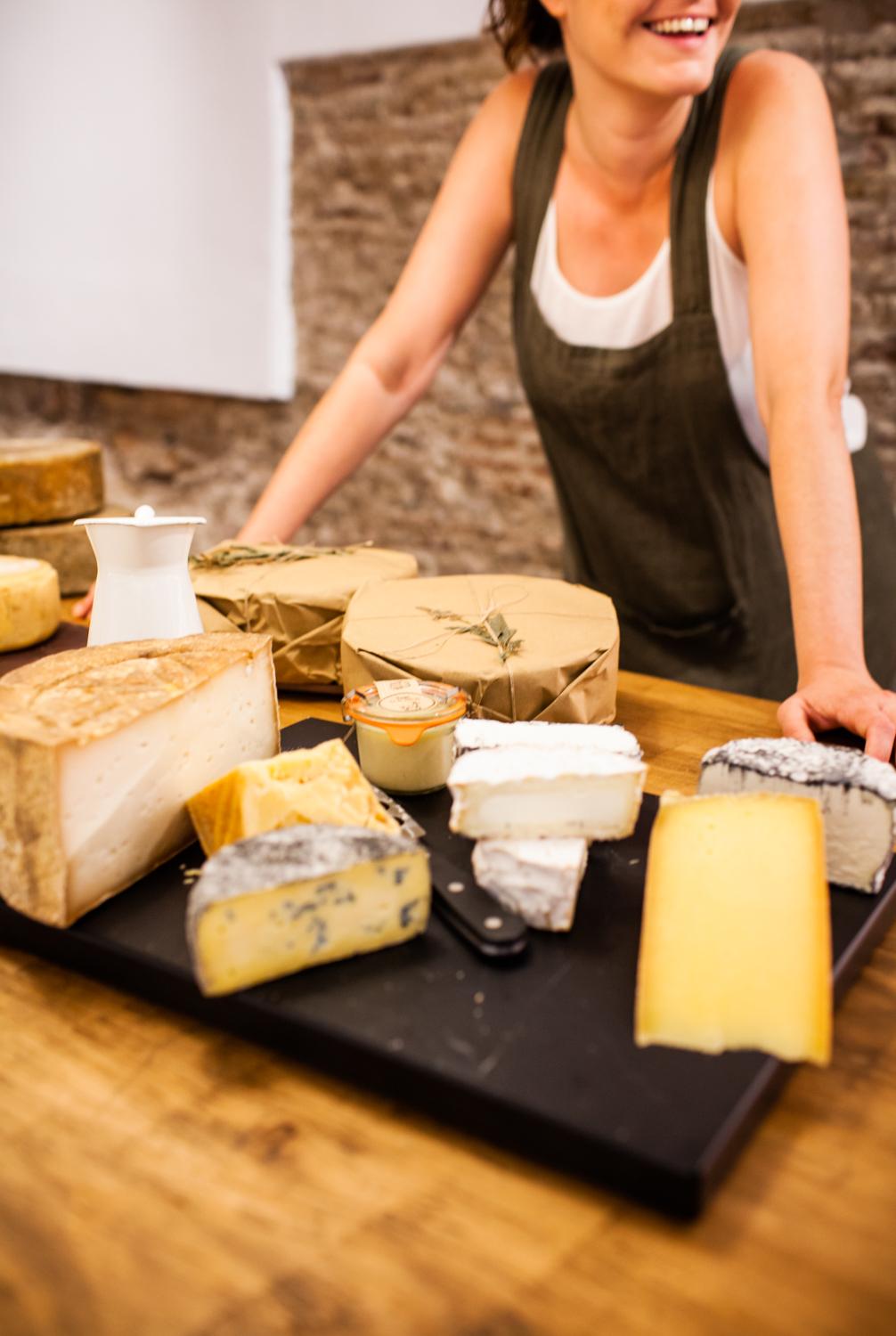
Every morning, she selects five cheeses. These will be the highlights of the day. Even as a child, she appreciated cheese and, when she saw that the premises were being transferred, she thought she would like to take it to put some local product there. "I wanted them to be cheeses from small local producers and made with raw milk." And she explains that, being a very seasonal product, when raw milk is not available, she complements it with more aged cheeses.
These days, the intense heat has also disrupted the dairy production of some herds, which has reduced the quantity of cheeses. Everything is that natural and sustainable, and Diana saw it on each visit she made through the different regions, from the Pyrenees and the plain, where she went to find, before opening, men and women who every day take their herds to the meadow, like the shepherd of Riuidaura, and milk and make cheese. From about fifteen of them, she displays about thirty cheeses, each with its own personality. And in specific tasting sessions organized by Casa Carot, the makers themselves come to explain the singularities of each piece.
A very diverse country tasting
And all this display of nature and country in small cheeses is in the center of the city of Barcelona, in a neighborhood where craftsmanship had given life to many establishments in the alleys surrounding the cathedral. "My initial idea was to have cheeses and about six or seven wine references, also from small local producers, but it has ended up being like a small colmadito", with jams, eggs, Reus hazelnuts, chocolate from Olot's main square, dried fish from Formentera, porcini mushroom pâté... And in the middle of the shop, a beautiful and robust wooden table that, Diana explains, "I could have bought it already made, but I wanted to commission it from a carpenter I met in Mercantic. I drew the table I wanted and he made it."
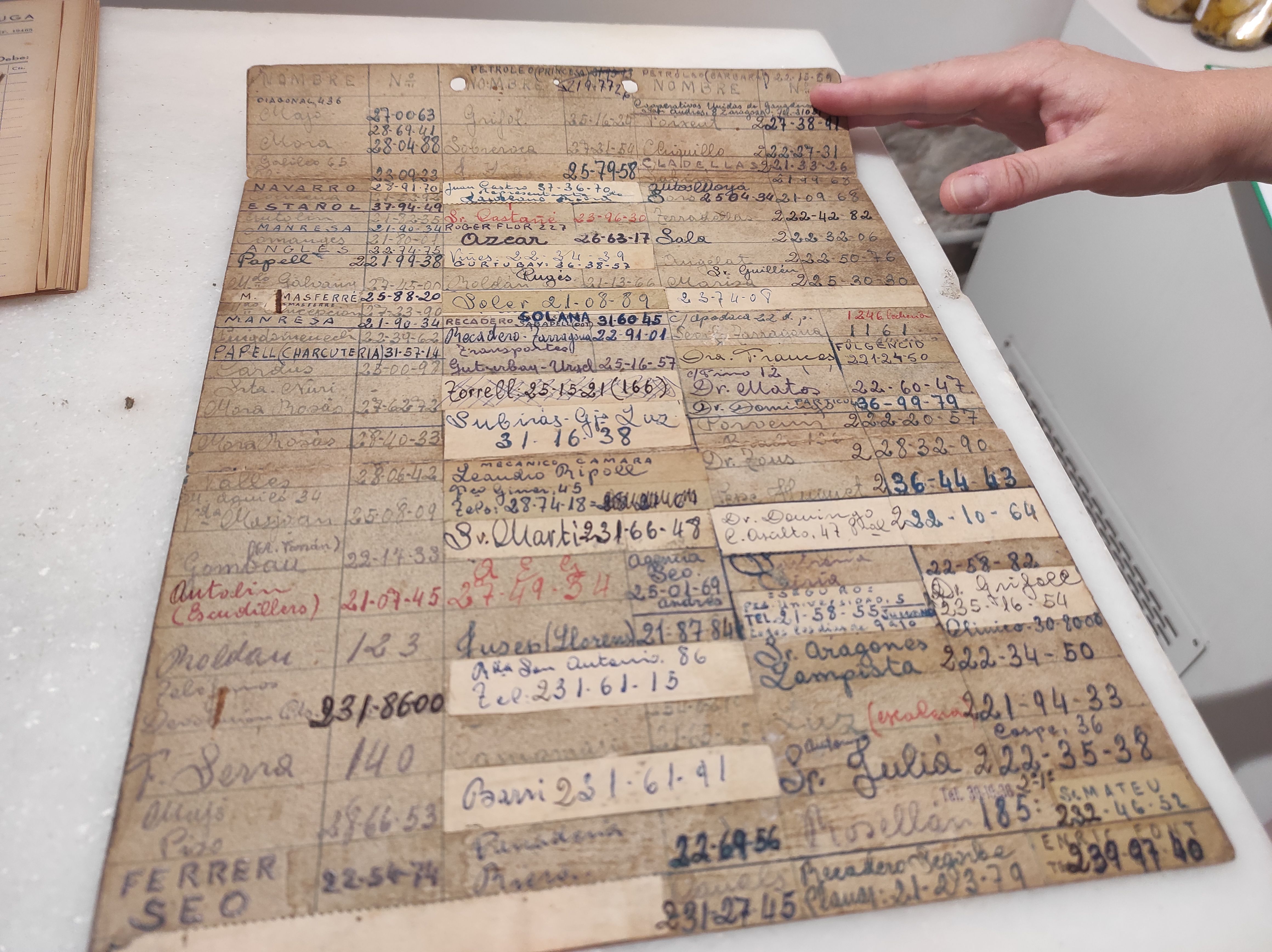
A display of cowbells of different sizes and lamps that also recall their shape are part of this meticulous selection at Casa Carot. The wooden doors of an old refrigerator and the motor, visible, with great interest for connoisseurs, are a testament to a past, when in this very place there had been a butter factory. One of the most beautiful and interesting parts of setting up the cheese shop was Diana's dedication to tracing the history of the factory. "I found delivery notes and a handwritten telephone list using an old advertising cardboard from the time," she explains while showing it with satisfaction.
These are the traces of a past that she has not only known how to respect, but also admires. To begin with, she has rescued the surname of the cheese shop's owner, Carot, and has saved all the vestiges she could of what was the small factory that operated from the 1920s until the 1980s, when Barcelona's dairies closed. Cows stopped being milked in urban streets, but in this stronghold of commercial activity in the Gothic Quarter dedicated to food, cheeses continue the dairy tradition in this little corner of the city.
In the skin of a true self-employed woman, Diana sometimes feels the difficulty of having to row hard against the current. She has in her hands a perishable product with little profit margin, therefore, feeling the gratitude of customers who enter her store, from further or closer, and the satisfaction of doing what she wished to be doing, are her cushion, the compensation that has allowed her to write these first five years. Of course, she feels the loneliness of a business like hers, an island of authenticity where it is located, surrounded by establishments so absolutely attentive and dependent on tourists. In fact, she wonders why the Ciutat Vella Uses Plan, which should prevent the proliferation of businesses solely focused on foreign customers, has not done so.
Add The New Barcelona Post as your preferred Google source for free
Stay informed with the latest news.