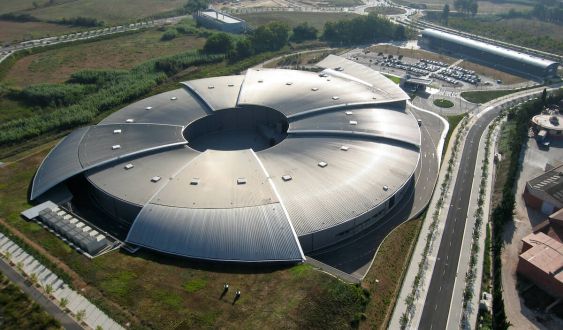
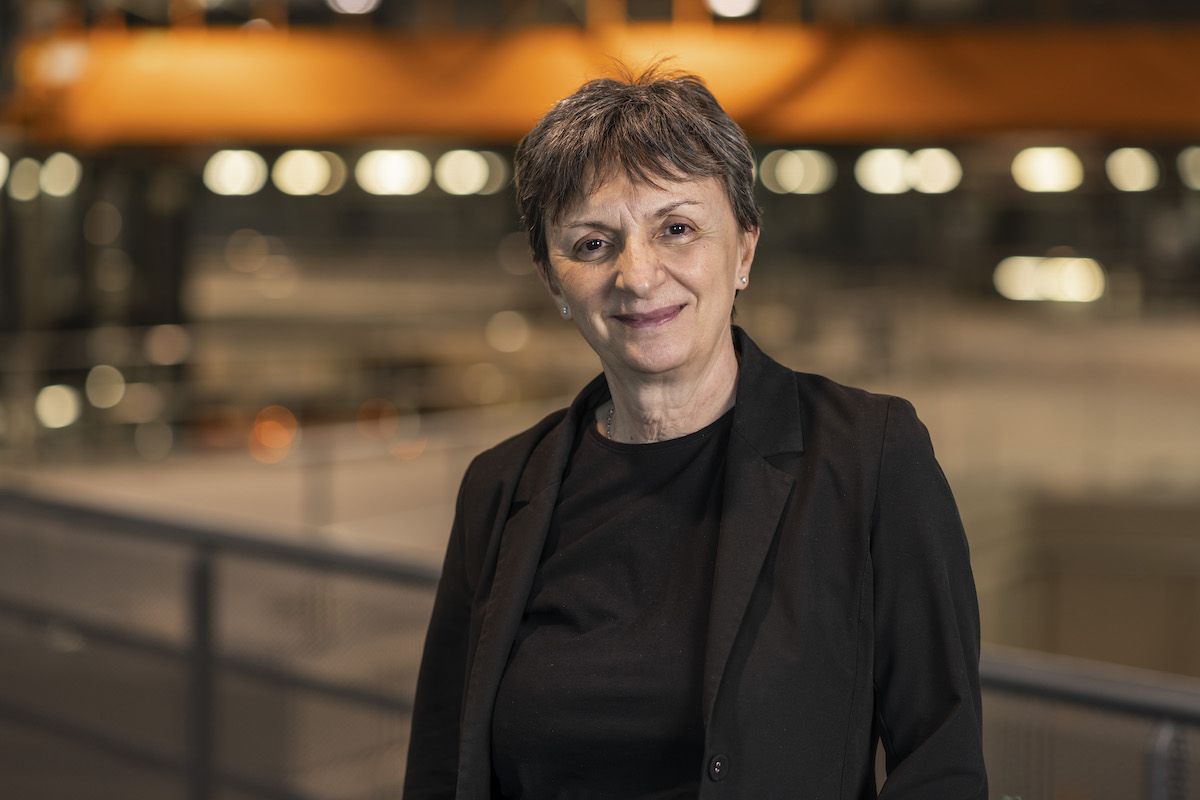
The Alba Synchrotron is immersed in a renovation and expansion process that will allow it to carry out more experiments in areas such as health, climate change, and energy. "The project is advancing powerfully at all levels," explains its director, Caterina Biscari. With an estimated investment of 130 million euros, it will allow the transition from a third-generation synchrotron to a fourth-generation one, improving the properties of the light emitted by this cutting-edge infrastructure located in Cerdanyola del Vallès. "It will allow more science to be done, gaining research capacity and generating more knowledge," says Biscari. The transformation, with the support of the Government and the Generalitat, is in its first years of execution. It is expected to last about ten years, with the forecast of having Alba II finished by 2031.
Two years ago, the first studies began, and some actions are already materializing. First, the definition of its main component, the accelerator, responsible for accelerating electrons to emit the light with which to conduct experiments. With the transition from the third to the fourth generation, resolution will be gained, and more advanced tests can be performed in less time, which, in turn, will also contribute to increasing the capacity to conduct experiments. "It will allow the instruments we have to be able to find and reveal properties of matter that are not accessible today and to do so more quickly," illustrates Biscari, with possible applications such as the development of new drugs and therapies, green energies, and microchips.
The infrastructure received 7.5 million euros in November 2021, from European funds, to design the new accelerator and create a prototype. According to its director, the resources obtained are already being executed. In June, the Alba Synchrotron presented the advances in this part of the project to the international scientific community, with a very positive reception, remarks Biscari. The design and construction of the fourth-generation accelerator is planned to take place from 2021 to 2029, a period in which the third-generation synchrotron will remain operational. In 2030, the infrastructure will be shut down for one year to uninstall the current accelerator and build the new one. Then, another year will be dedicated to commissioning and testing it, with the forecast of restarting operations at the end of 2031.
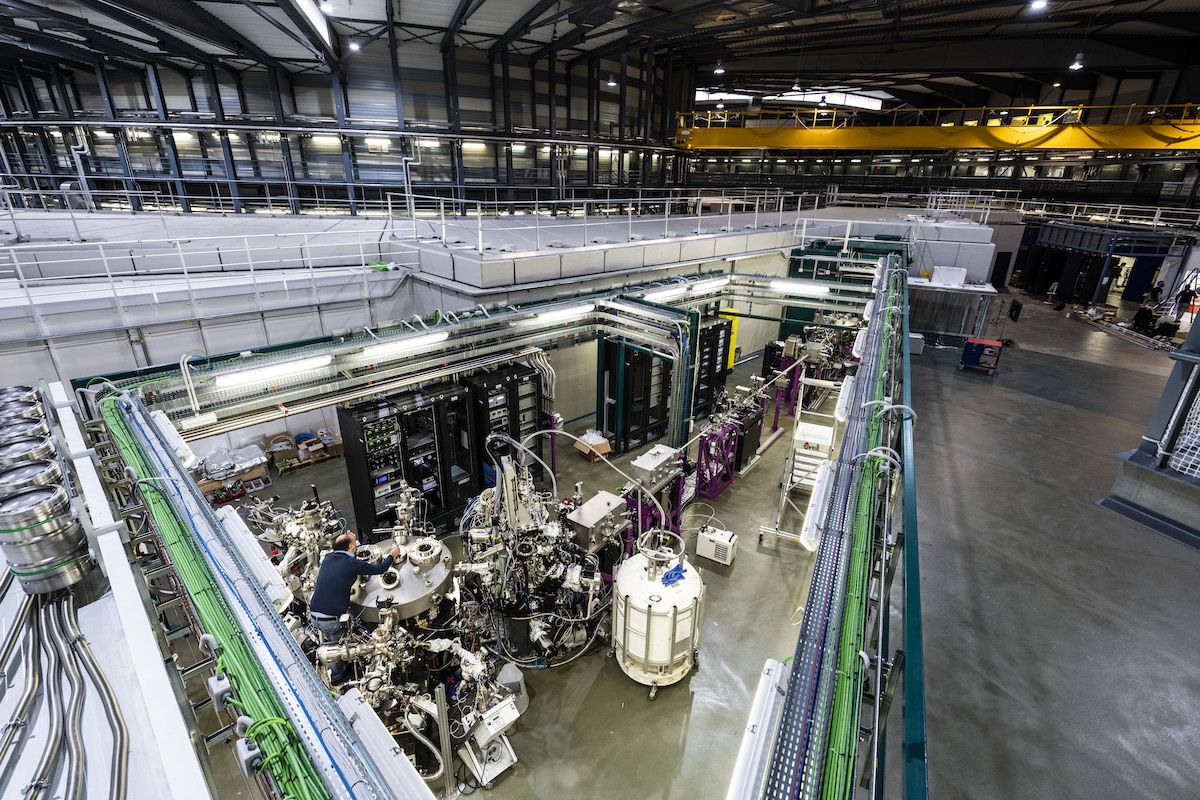
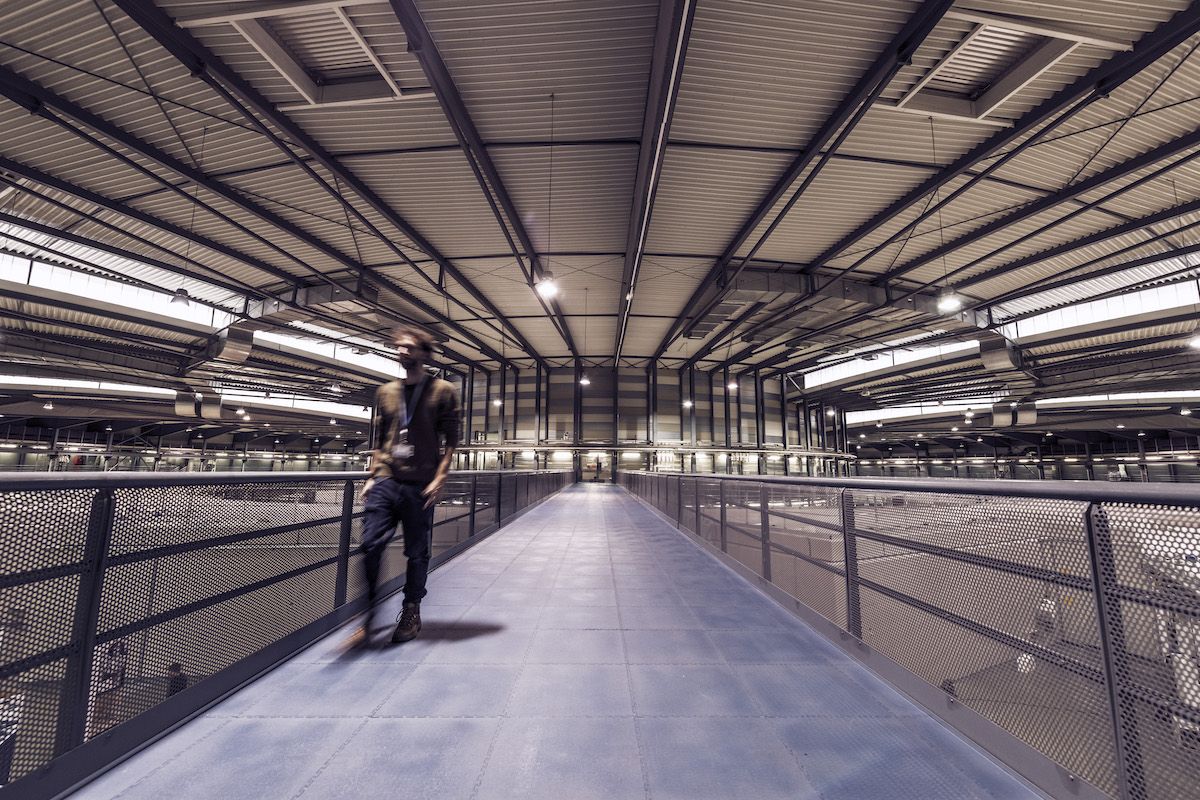
Until the cessation of activity, the Alba Synchrotron has to advance in the definition of its other components, the beamlines that surround the accelerator. These laboratories receive the light generated by the acceleration of electrons and use it to analyze samples and obtain information. Biology, medicine, nanotechnology, the environment, and energy are some of the research areas covered by the synchrotron.
Alba was inaugurated with a total of seven beamlines and now has 14. Ten are conducting experiments and this September the eleventh, dedicated to space research, will become operational, the first of the Cerdanyola infrastructure to focus on this field. Then, there are two experimental lines expected to become operational in 2024 and a third, for which 10 million euros have been received, which is now immersed in the bidding process and next year will begin to receive parts. This last one will already be part of Alba II, although it is expected to start operating before the new synchrotron.
With the transformation of the synchrotron, 12 more lines can be added, reaching a total of 26. Of these, eight will have the same dimension as the current ones, while four can be longer, with the possibility of extending outside the building. To this end, at the end of December, the Catalan Land Institute (Incasòl) sold it three adjoining plots for 16 million euros, with an area of more than 21,300 square meters and a buildability of almost 43,000 square meters of roof. This is where the extra-long experimental lines can be extended. For the new laboratories that the infrastructure will add, the aim is to find companies to help build them.
On the land purchased from Incasòl, there are also plans to build two public research and innovation centers, scheduled for before the launch of Alba II. Many details are still to be defined, but it is on the table that one will be dedicated to life sciences, with a focus on solving future human, animal, and planetary health problems, and the other to material sciences, with the collaboration of the Catalan Institute of Nanoscience and Nanotechnology (ICN2) and the Spanish National Research Council (CSIC). The plan to dedicate a third center to host companies is diluted, and the idea that companies integrate into the other centers gains strength, provided they are related to the synchrotron and take advantage of its light.
In the new lands, experimental lines will be built that will extend beyond the building where the synchrotron is currently located, and there are also plans to build two research centers.All these improvements in the research capabilities of the infrastructure will be accompanied by the hiring of more staff. Currently, the workforce consists of 245 employees. It is expected to exceed 300 employees by the end of the decade. Biscari indicates that they are continuously growing and always have open positions, as now, with offers to hire engineers, scientists, computer scientists, but also technicians and administrators, with experience or recent graduates.
"Alba II is an essential project based on a very strong reality, all the evidence we have gathered in these last more than ten years. It is its natural evolution," defends Biscari. In operation since 2012, Alba has hosted more than 3,000 experiments and more than 7,000 users have used its light lines. "Facilities like the synchrotron are country and future projects that allow us to continue advancing and be part of the solution. We must take this leap in capacity to remain at the forefront of knowledge, especially that which serves the sustainability of the future," adds Biscari.
"Facilities like the synchrotron are country and future projects that allow us to continue advancing and be part of the solution," defends Biscari.The path is marked, it only remains for the financing to arrive between now and 2031.In that sense, the economic plan for scientific infrastructure for the next 15 years must be approved, a process that has been frozen until the new Government is formed. In it, the budget to operate the synchrotron until 2038 will be fitted, as well as the construction of Alba II and the first new lines ---2 long lines, extending to the new land, and 1 like the current ones---. The director recalls that the planned investment to build the fourth-generation synchrotron is 130 million euros, taking advantage of the current infrastructure, in addition to renovating the parts that need it, in line with what the rest of the synchrotrons in the world are doing, which are also leaving the third generation behind. If it were started from scratch, the bill would rise to 500 million euros. Biscari also points out that, if the renovation is not carried out, the current synchrotron will expire in a few years ---they have a useful life of 20 years--- and can no longer be used, as it is made with old technology in a field that evolves quickly.
Add The New Barcelona Post as your preferred Google source for free
Stay informed with the latest news.