Gastronomy does not begin when a chef lights the stove, nor does it end when a plate arrives at the table. Long before that come the producers, the land, a recipe book honed over generations, and an entire network of crafts and knowledge that make every dish possible. It is this web – so often invisible to the diner – that Gastronomic Forum Barcelona sets out to champion in its latest edition, running through Wednesday with an overarching conviction: culinary innovation does not arise out of nowhere; more often than not, it finds in tradition, terroir, and local producers the very ingredients to break fresh ground.
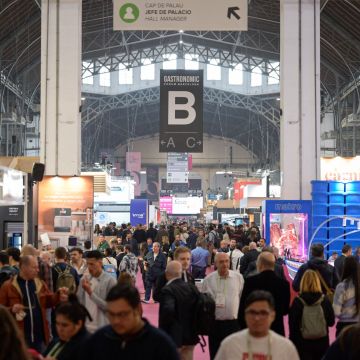
Staged under the banner Revisiting Tradition, the salon makes its debut at Fira de Barcelona's Gran Via venue, having relocated after years at Montjuïc, which is currently undergoing redevelopment. Running until 4 November, it gathers more than 450 exhibitors – up 12% on last year – alongside 155 speakers spanning the kitchen, front-of-house, and the wider food industry. The programme of live culinary demonstrations and panel discussions revolves around a shared dilemma: how can cuisine forge new paths without cutting ties with its roots?
The answer to that question can come from as far afield as outer space. A traditional chicken paella or a slow-simmered samfaina might seem worlds apart from innovative cooking – quite the opposite, in fact. Yet these heritage recipes have travelled further than anyone could have anticipated: they have reached the Moon courtesy of the José Andrés Group, as part of a Washington-led initiative in partnership with NASA. The secret lies not in inventing novel recipes from scratch, but in leveraging technology to adapt time-honoured classics to entirely different operating environments.
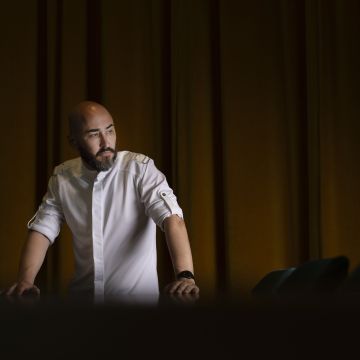
That was the central thesis presented by Carles Tejedor, chef at the José Andrés Group, during his keynote at Gastronomic Forum Barcelona. For Tejedor, innovation does not mean breaking with culinary heritage, but finding new ways to make it travel further. “Through technique, we can carry our cuisine to extraordinary lengths,” he asserted, reminding the audience that “the avant-garde makes no sense without tradition”. Sending chicken paella or samfaina into space serves as a prime case in point: it is not merely a technical triumph, but a vehicle for sharing culinary culture with the wider world. “Food is the most valuable currency in the world. We shouldn't be afraid to show who we are,” he argued.
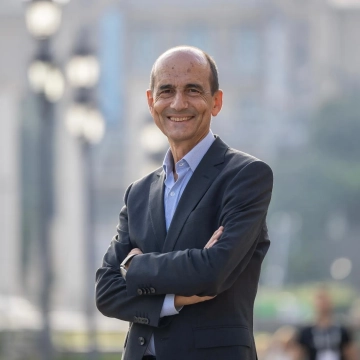
Tejedor’s remarks tap straight into the guiding ethos of this year’s Gastronomic Forum Barcelona: innovation does not occur in a vacuum; it is built on the expertise, products, and craft of those who came before us. To move forward, we have to know where we come from. That philosophy was underscored by Pep Palau, head of content for the salon, in an interview with The New Barcelona Post: “A tradition that stands still dies; a tradition that ceases to evolve simply disappears. Cooking does not do archaeology: it reinvents tradition.” Working from this foundation, the fair illustrates how chefs draw upon culinary legacy to reinterpret it, integrate modern techniques, and transform it into a source of boundless creativity.
This perspective underpins a conference schedule gathering 155 speakers who, between them, hold 63 Michelin stars. Among them are some of the most celebrated figures across Spanish and Catalan dining, such as Paco Pérez of Miramar, Quique Dacosta, Jordi Cruz of ABaC, Nacho Manzano of Casa Marcial, and Oriol Castro of Disfrutar. Yet the salon refuses to overlook emerging talent, placing it front and centre in the symposium Gen Z Talent Takes the Floor: Tomorrow’s Gastronomic Leaders. The session shines a light on rising chefs and entrepreneurs carving out their own paths, while tackling the industry's structural challenges ahead.
Generational succession stands as one of the greatest tests facing hospitality, not only over the stoves, but equally across the dining room floor. “The lack of generational handover is putting an end to exceptional hospitality ventures,” warned Pere Monje, director and owner of Via Veneto. It is a dilemma reaching well past recruiting staff to fill rotas: newcomers must also be mentored and passed the baton of the craft so that, as Laura Dorado from culinary recruitment consultancy Baya Talent pointed out, “talent isn't just found; it has to be nurtured”.
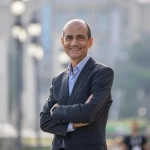
This challenge was among the central themes dissected during the panel The Power of Front-of-House, which highlighted the indispensable role of the teams welcoming, guiding, and looking after guests. The session reflects Gastronomic Forum Barcelona’s broader commitment to looking past kitchen headliners and giving voice to the full spectrum of trades underpinning the sector, from agricultural producers to table service. Front-of-house hospitality remains vital because, as Marianna Suárez d’Alessandro from El Celler de Can Roca noted: “Diners may well forget what they ate, but they will never forget how we treated them and how we made them feel.” That view was echoed by Abel Valverde, maître d' at Desde 1911, who argued that “one of the greatest gifts of front-of-house service is our capacity to move people emotionally”.
The multifaceted programme of over 180 activities is complemented by live masterclasses, workshops, and panel sessions concluding with group tastings. It also leaves room for inventive formats, such as transforming part of Fira de Barcelona into an expansive chef's counter where just twenty diners at a time can sample dishes cooked on the spot by participating chefs, including celebrated names like Albert Raurich of Dos Palillos.
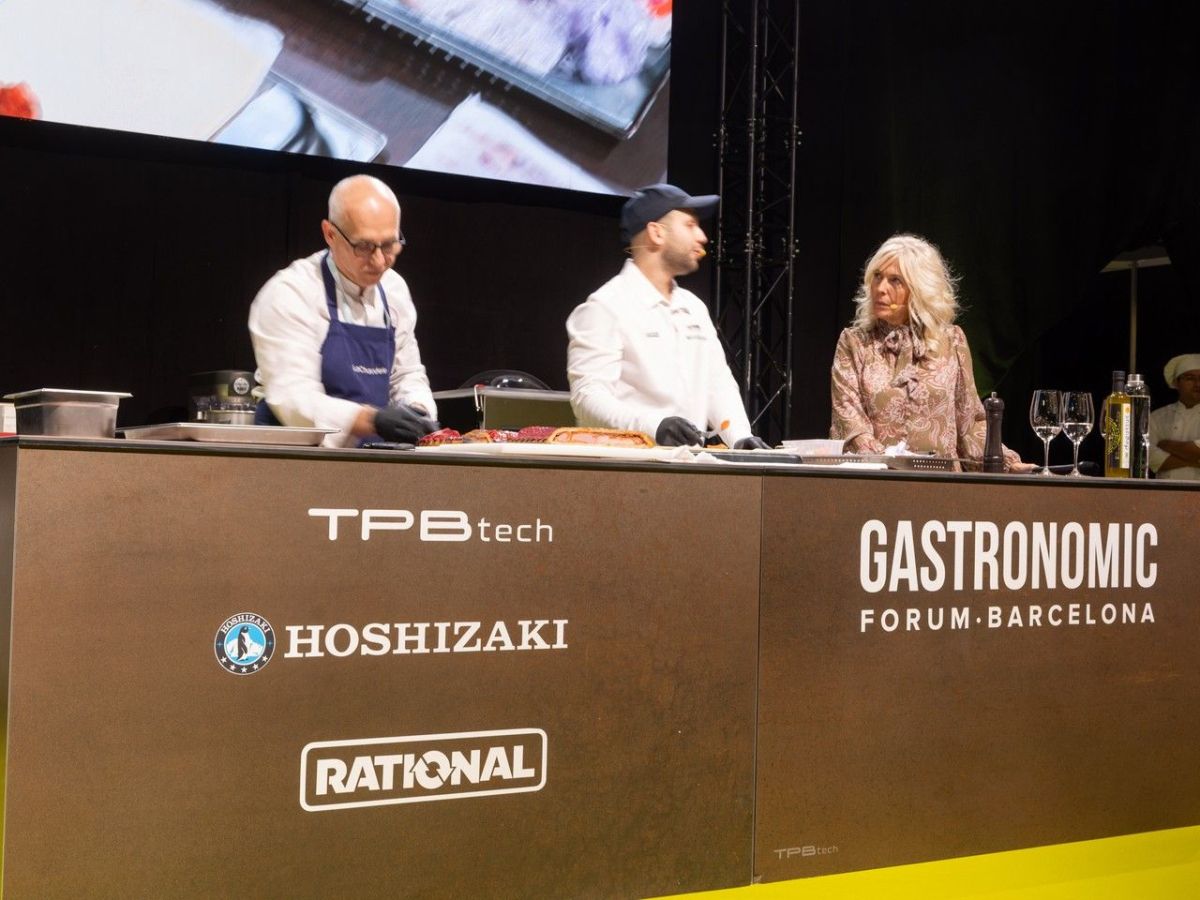
From terroir to table: new releases on the exhibition floor
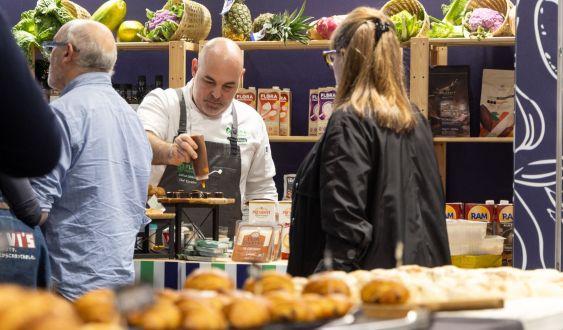
What would cuisine be without raw ingredients? Beyond keynote speeches and live cooking stages, much of the salon’s commercial buzz plays out across the exhibition stands, where producers, distributors, and hospitality professionals converge to unveil launches, share insights, and do business. Spanning more than 14,500 square metres, the aisles host a constant hum of trade visitors moving between aromas, food samples, and conversations. Some stop to discover a novel product; others exchange business cards over an impromptu tasting. Often, a conversation opens with a question as direct as: “Do you run a restaurant?” From there come introductions, swapped contacts, and almost inevitably a bite to eat. In this hall, after all, the most compelling pitch is letting the product speak for itself.
This year, the fair brings together nearly 450 exhibiting firms. While food and beverage brands make up the lion's share of the showcase – representing 73% of the total – the aisles also display professional kitchenware, cutlery, crockery, glassware, table service accessories, textiles, and front-of-house uniforms. Food offerings range from artisan cheeses, cured charcuterie, preserves, and seafood to fine wines, extra virgin olive oils, truffles, saffron, and traditional confectionery. Exhibitors hail from across Spain, including Galicia, Castile and León, and Aragon, alongside international contingents travelling from countries such as Italy and Indonesia, introducing ingredients from distinct gastronomic traditions.

Local provenance, however, commands a central role across the floor, highlighting traditional regional specialities such as Cardona salt, Agramunt nougat, Sant Lluís oysters, Can Castelló xuixos, Reus vermouth, and wines from Catalonia’s diverse denominations of origin. These are products intimately rooted in the heritage, landscape, and artisanal wisdom of each corner of the territory, yet they can equally serve as springboards for novel creations. One notable example is the castanyissa: an artisan cured sausage crafted from El Soler de n'Hug pork and Viladrau chestnuts.
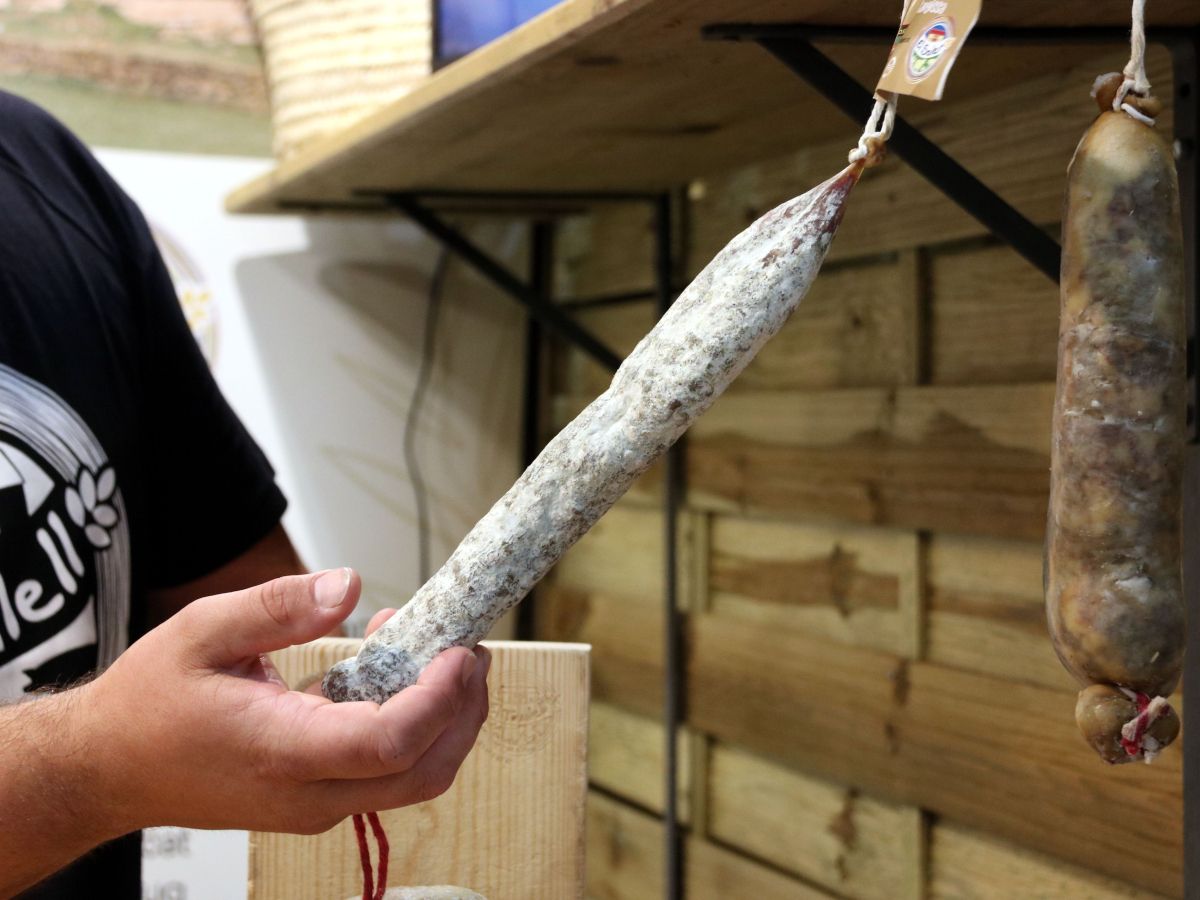
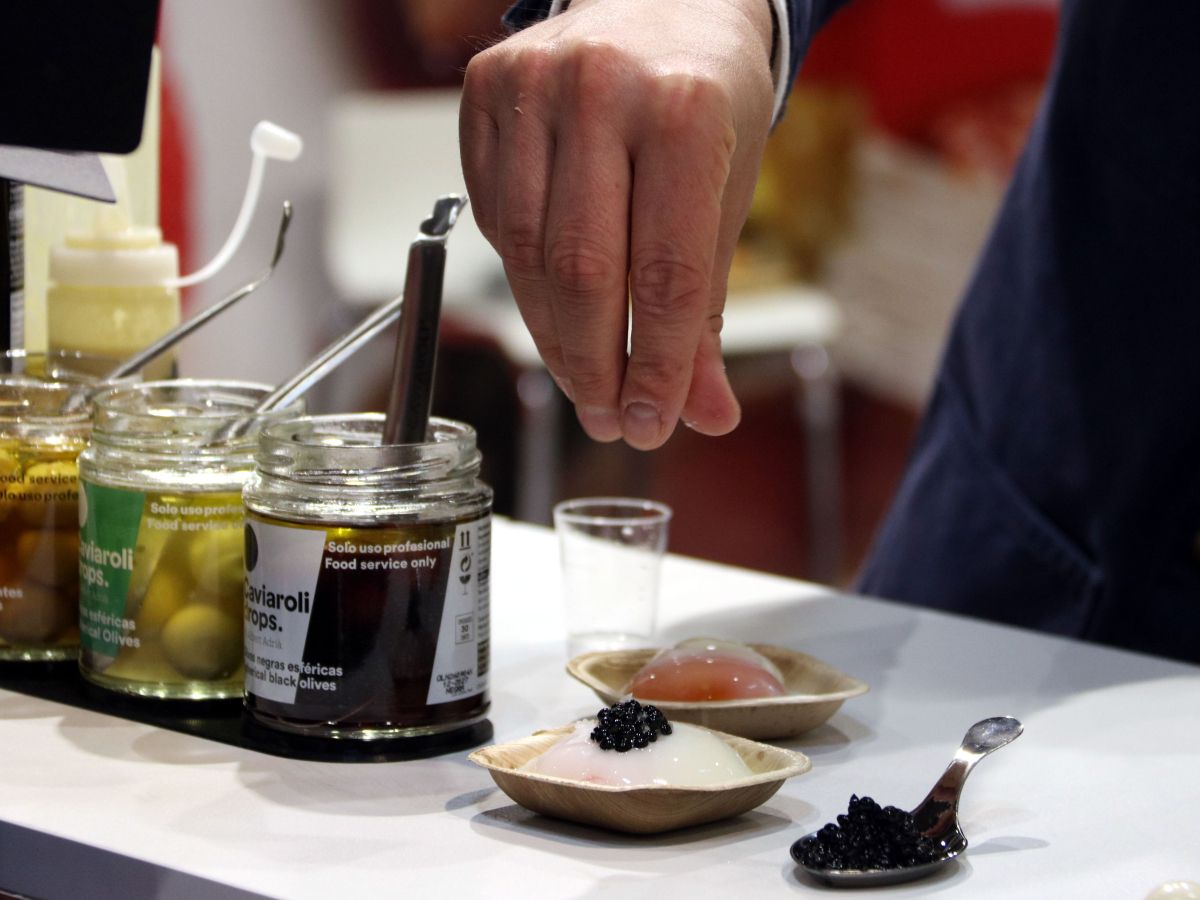
This reinvention of ingredients goes well beyond pairing local produce. Across several stands, innovation takes the form of experimenting with textures and modern presentations of familiar foods. A prime example is Caviaroli, an Esparreguera-based producer showcasing faux caviar made from truffle pearls, alongside Mignonette Pearls developed in partnership with restaurant Disfrutar as an accompaniment for oysters. Not all advances end up on the plate, however: the exhibition hall also highlights how sustainability and technology are gaining traction in trade solutions. Greensource, developed by Souji, turns waste cooking oil into professional cleaning detergents, while Haddock presents an artificial intelligence assistant designed to streamline administrative management for restaurant operators.
From local terroir to tech tools, the solutions on display across the salon map out diverse ways of understanding culinary progress. Some revive timeless recipes and heirloom ingredients; others explore uncharted territory or transform how hospitality professionals run their operations. Yet all share the single premise that anchors this edition of Gastronomic Forum Barcelona: to move forward, cuisine need not abandon its origins, but rather find within them fresh possibilities to reinvent itself.
Add The New Barcelona Post as your preferred Google source for free
Stay informed with the latest news.