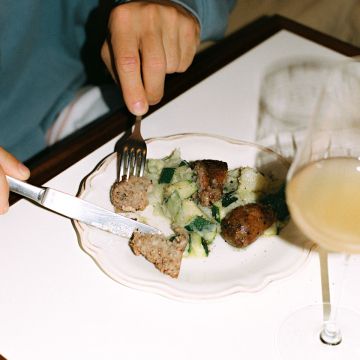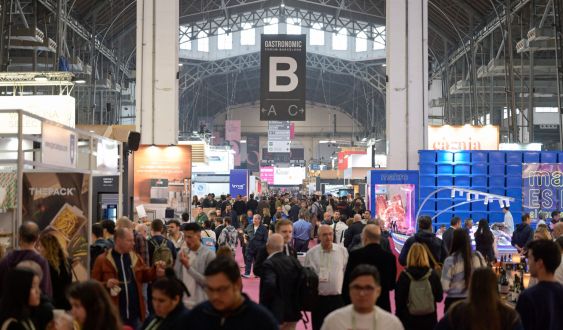
Gastronomy looks to the future without forgetting where it comes from. The simmering, the stews, and the recipes that have passed from generation to generation remain very present in the kitchens, but today they also serve as inspiration to create new combinations and reinterpret traditional recipes. A way of understanding cuisine that will also be the common thread of the new edition of the Gastronomic Forum Barcelona, which will be held from November 2 to 4 under the motto Revisiting Tradition.
This year, the fair will move for the first time from the Montjuïc venue to Fira Gran Via, in an edition that will also grow in size and participation. In total, it will bring together more than 450 exhibiting companies, 12% more than last year, and will occupy 14,500 square meters to accommodate producers, distributors, restaurateurs, and companies from across the gastronomic value chain.
Gastronomic products will be the main protagonists of the exhibition offer, accounting for 73% of the total, followed by hospitality equipment (17%), professional tools (6%), and technological solutions (5%). Among the proposals that can be discovered at the fair will be innovative elaborations such as violet fig carpaccio, gourmet artichoke and Angus cheek croquettes, Mignonette Pearls —a preparation that imitates the appearance of a real pearl—, a false caviar made with truffle juice, or a still isotonic drink made with apple, hibiscus, rosehip, and seawater. Proposals that, in short, play with textures, ingredients, and appearances to expand the possibilities of cuisine.
The exhibition will also stand out for its territorial diversity, with the participation of gastronomy from different autonomous communities and institutions that will showcase products and specialties from their territories: from cheeses, cured meats, preserves, and seafood to wines, oils, truffles, saffron, and sweets. Galicia will once again be the community with the most representation, with almost 500 square meters, followed by a prominent presence of Castile and León, Aragon, and Andalusia.
Returning to origins to look forward
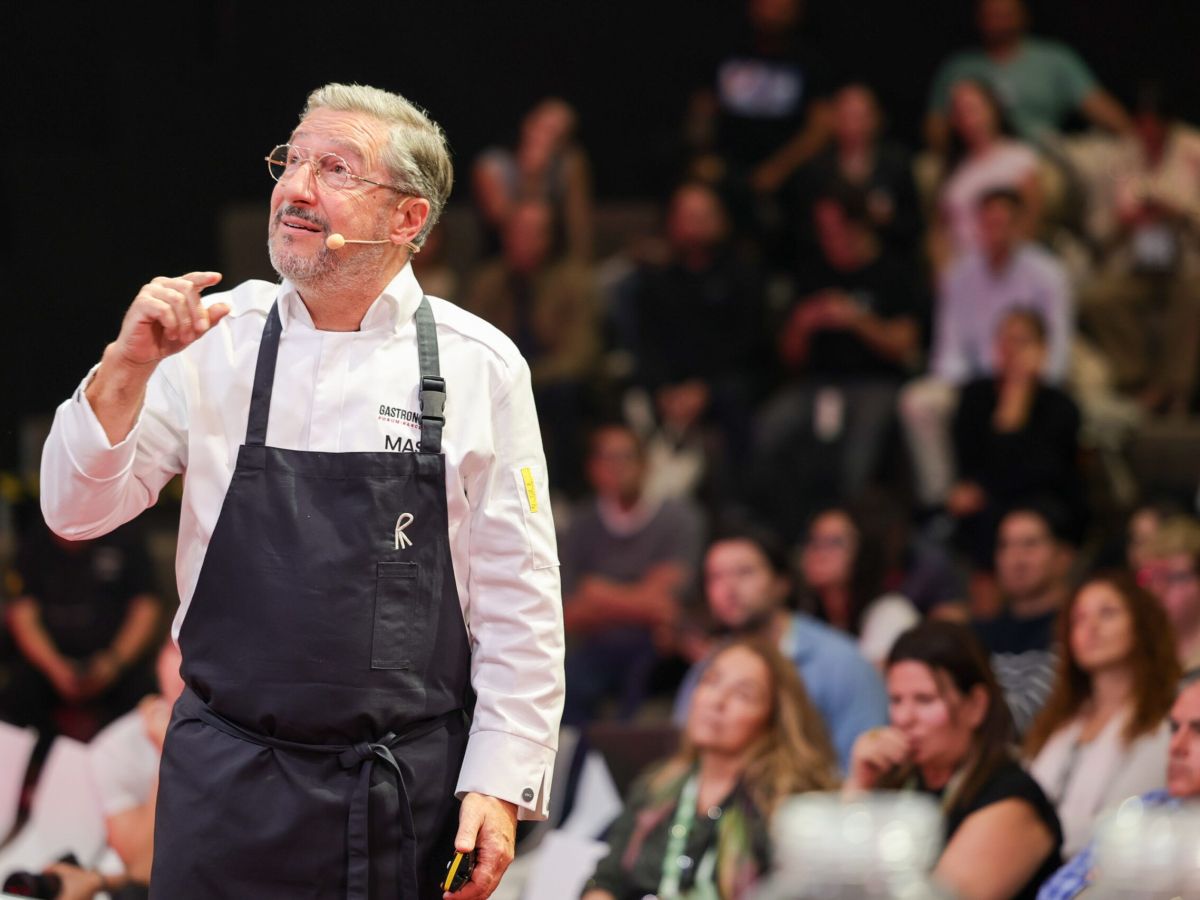
Tradition will be the starting point of the content program, which will bring together 140 national and international professionals over three days. Chefs, producers, artisans, and specialists will explore how culinary heritage can continue to inspire current gastronomy, whether by recovering local products and popular recipes or reinterpreting dishes that are part of collective memory.
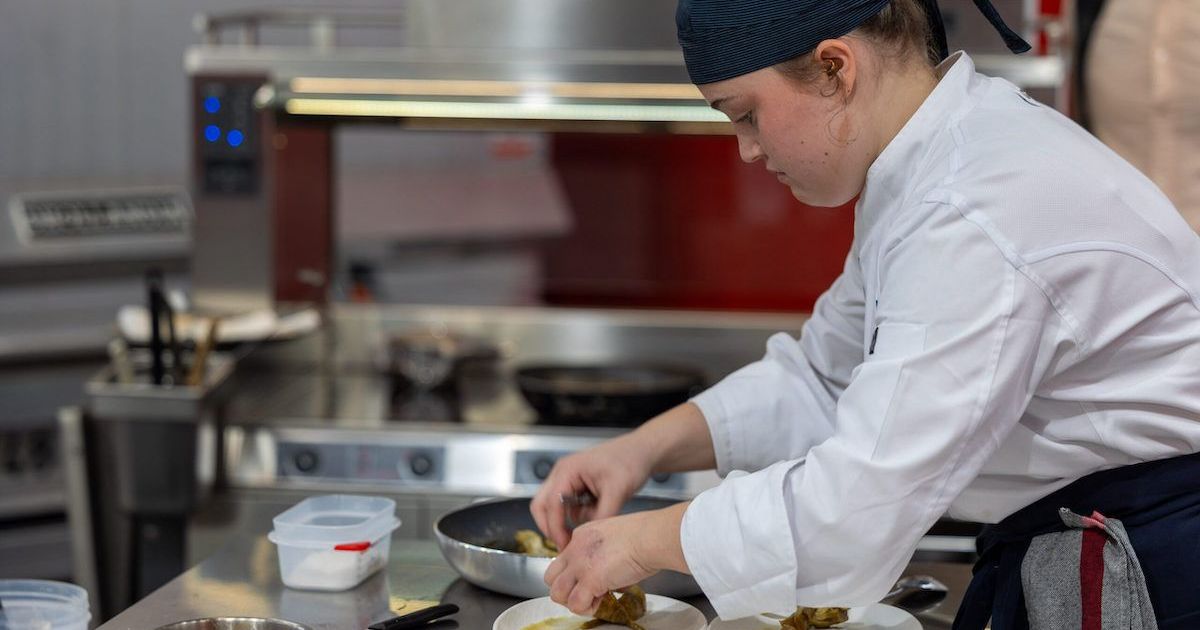
“Cuisine is constantly evolving, but it always does so from a legacy built over generations,” points out Pep Palau, content director of the fair. An idea that will take shape through the presentations and proposals of some of the most prominent names in current cuisine, such as Paco Pérez, from the Miramar restaurant; Quique Dacosta; Jordi Cruz, from ABaC, and Nacho Manzano, from Casa Marcial. Also present will be Oriol Castro, from the Disfrutar restaurant, with three Michelin stars.

Throughout the three days, their interventions will share the spotlight with those of Manuel Costiña (Retiro da Costiña), Pedro Sánchez (Bagá), Artur Martínez (Trü), Oliver Peña (Mineral) or Viviana Varese (FAAK), among other professionals who will show how traditional flavors, techniques, and products can become the starting point for new perspectives on cuisine.
New ways of experiencing gastronomy
Innovation in gastronomy, however, is not limited to what reaches the plate. The way of serving, sharing, and experiencing gastronomy is also changing, and for this reason, the fair will dedicate a part of the program to exploring these transformations. One of the highlighted proposals will be a live gastronomic bar, starring Albert Raurich, from the Dos Palillos restaurant; João Kather, from Tetsu, and Martín Comamala, from 539, Plats Forts.
The initiative aims to show how bars are consolidating as an alternative to conventional dining rooms, establishing a more direct relationship between chefs and clients. In this format, the diner not only tastes the dishes, but can also observe their preparation and participate in a closer experience. The sessions at this bar at Gastronomic Forum Barcelona will combine demonstrations and tastings to show how this model is gaining weight in current restoration.
Another central issue of the program will be the role of new generations in the transformation of the sector. The Talent Z symposium will bring together young professionals who are already developing their own projects and who propose new ways of understanding gastronomic businesses, from work organization to conciliation and leadership.
Among the participants are chef Alatz Bilbao, from the Bakea restaurant; pastry chef Lluc Crusellas; Alba Aguilera, the youngest fisherwoman in Catalonia, and chefs Lucía Gutiérrez, from Lur, and Helena Termes Adan, from La Cort del Mos. The meeting will address issues such as digitalization, entrepreneurship, talent management and the balance between work and personal life, aspects that are increasingly important when building sustainable professional projects.
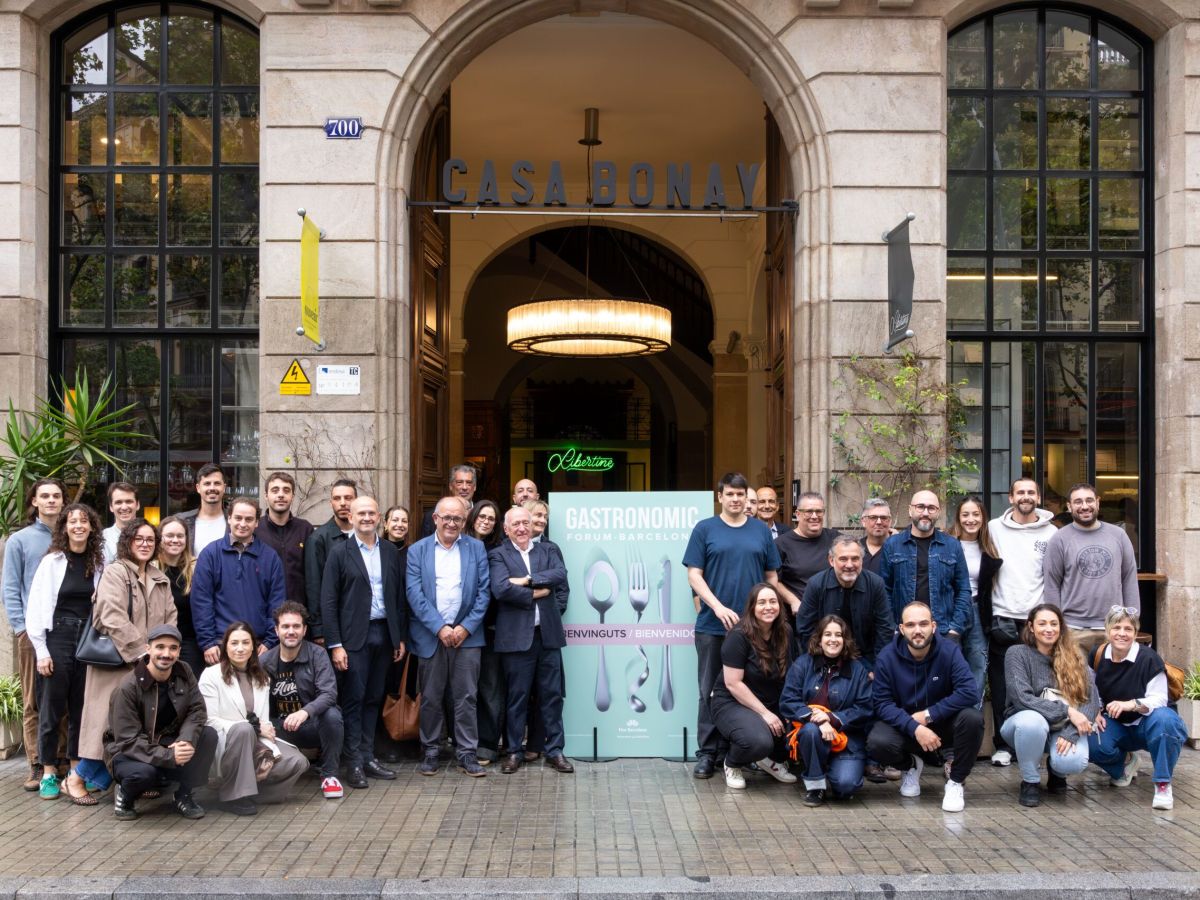
The program will be completed with various awards and recognitions, such as the Chef Award 2026 Gastronomic Forum Barcelona, where the finalists will elaborate their proposals live; the Innoforum —dedicated to gastronomic innovation— or the awards for the best bread and the best panettone in Spain. The fair will also be the setting for the presentation of publications such as the Slow Food Guide 2027 and the Augusta Guide.
Add The New Barcelona Post as your preferred Google source for free
Stay informed with the latest news.