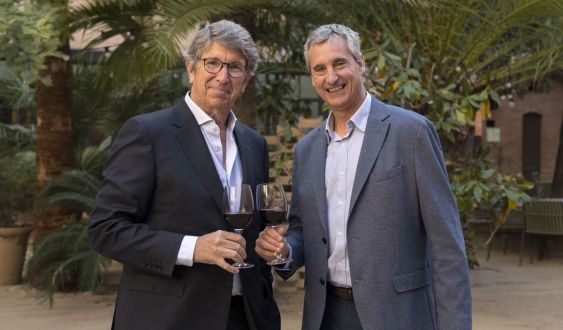
Perelada kicks off a year of celebrations to commemorate the first centenary of its history. The winery of Grup Peralada, owned by the Suqué Mateu siblings, dates back to 1923, when Miquel Mateu Pla bought the Peralada Castle, in Alt Empordà, and began to make wine in the subsoil of the Carme convent, in the same place where the Carmelite friars had done so since the 14th century. One hundred years later, Perelada has become a company that produces 5 million bottles of wine and cava thanks to the exploitation of 150 hectares of its own land, which will be 100% organic by 2025. The winery, which leads sales in the DO Empordà, invoiced 20 million euros in 2022, 10% more than before the pandemic, and its forecast for this year is to grow another 10%.
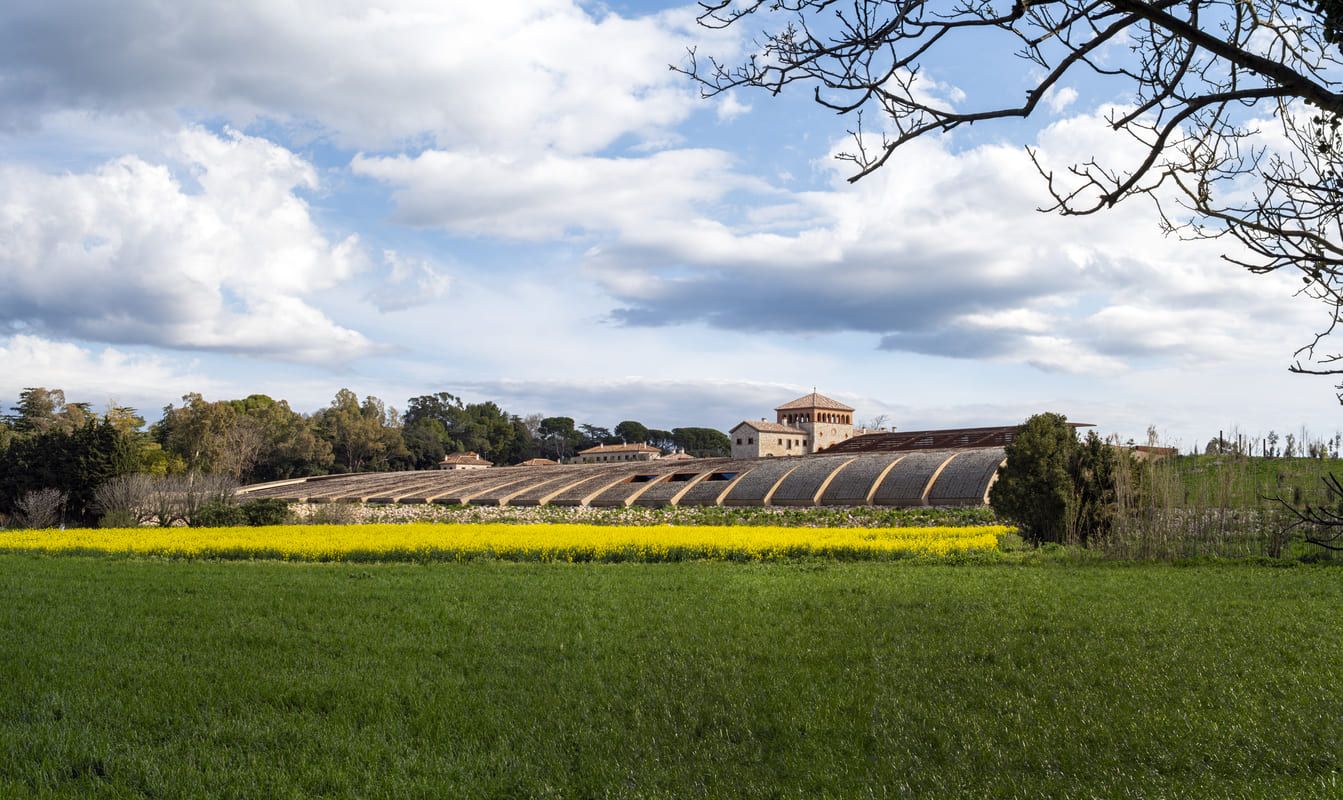
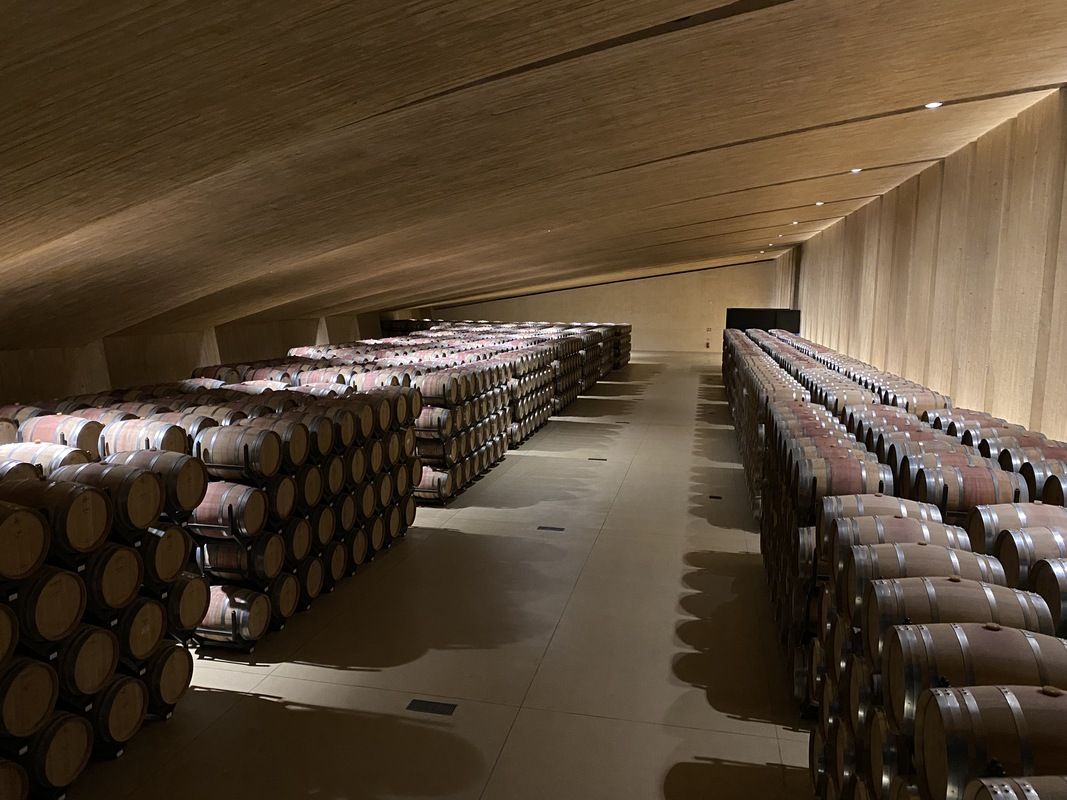
"On the occasion of the centenary, we want to pay tribute to my parents, my grandfather, and my great-grandfather," explains the company's president, Javier Suqué, who recalls that from the beginning the family's goal was to "revitalize" the Empordà wine region and "leave a mark" on the territory with projects such as the Peralada Festival or the new winery they have built to produce Perelada brand wines, already considered one of the best in Europe. These new facilities, inaugurated in May 2022 after an investment of more than 40 million euros, are the work of the Catalan firm RCR Arquitectes and have received more than 15,000 visitors in just six months.
"We are proud to celebrate the centenary having completed a unique winery in Europe that will allow us to be leaders in sustainability and produce better wines, wines that we want to be exceptional," adds Suqué, convinced that this project will help increase the international positioning and prestige of the DO Empordà. "Some of the initiatives we promote are probably not profitable, but my vocation and that of my siblings [Isabel and Miguel] is to leave a legacy for the next generation and for the entire territory," reflects the businessman.
To commemorate this anniversary, Perelada will organize next May a great immersive party at the Ideal Barcelona digital arts center, located in the Poblenou neighborhood, where the Dalí Cibernètic exhibition can currently be seen. Over four days, from May 4 to 7, immersive tastings will be organized for clients and guests, but also for the general public, as on Saturday and Sunday, May 6 and 7, the celebration will be open to the public.
"It will be a party with a strong emotional and multisensory component, it will be a memorable event that will mix immersive digital art with enology, gastronomy, art and music," explains Perelada, who will also involve artists who will participate in the next edition of its famous summer festival. The winery is also beginning to plan the celebration of a major event at its facilities in Peralada to close the commemorative acts, in the spring of 2024.
In parallel to the events, Perelada has produced two commemorative products: the Centenary Wine and a Centenary Special Edition Cava. Of the first ---a coupage of garnacha and syrah from the emblematic Garbet estate, next to Cap de Creus--- only one thousand bottles have been produced. For its part, the cava is a reserve made with the three classic varieties ---macabeu, xarel·lo and parellada--- harvested at Finca l'Almirall (Castellví de la Marca), and with a minimum aging of 18 months.
Of the five million bottles that Perelada markets each year, three million are cava and two million are wine, although in terms of value, that is, in revenue generation, both segments are balanced, each contributing 50% of the business. 32% of production is exported, although Suqué has set the goal of raising foreign sales to 60% in three years. To do this, the brand will especially accelerate its growth in the United Kingdom, Switzerland, the United States, China, Germany, Belgium, Sweden and Japan. Another 55% of production corresponds to sales in Catalonia and 13% to the rest of Spain.
The wine division of Grup Peralada, called Perelada & Chivite, integrates other wineries located in other producing regions such as Priorat, Rioja, Malaga, and Navarra, totaling 16 million bottles, 500 hectares of owned vineyards, and a turnover that in 2022 rose to 64 million, an 8% increase. Thus, the Catalan family group includes the brands Chivite and Gran Feudo (Navarra), Viña Salceda (Rioja), Casa Gran del Siurana and Cims de Porrera (Priorat), La Melonera (Serranía de Ronda), Oliver Conti, and Privat. To strengthen its distribution network, better understand consumers, and accelerate online sales and the group's digitalization, Perelada & Chivite has also acquired a majority stake in the wine club Wine is social, which now celebrates ten years.
In addition, the group owns the company Celler del Pescador (formerly Cavas del Ampurdán), producer of the best-selling wines Gran Pescador and Cresta Rosa, of which it markets more than 4 million bottles. The family has already begun construction work to build a new winery for Celler del Pescador on land located next to its logistics center, in Vilamalla, with an investment of 20 million euros expected to be completed in March 2024.
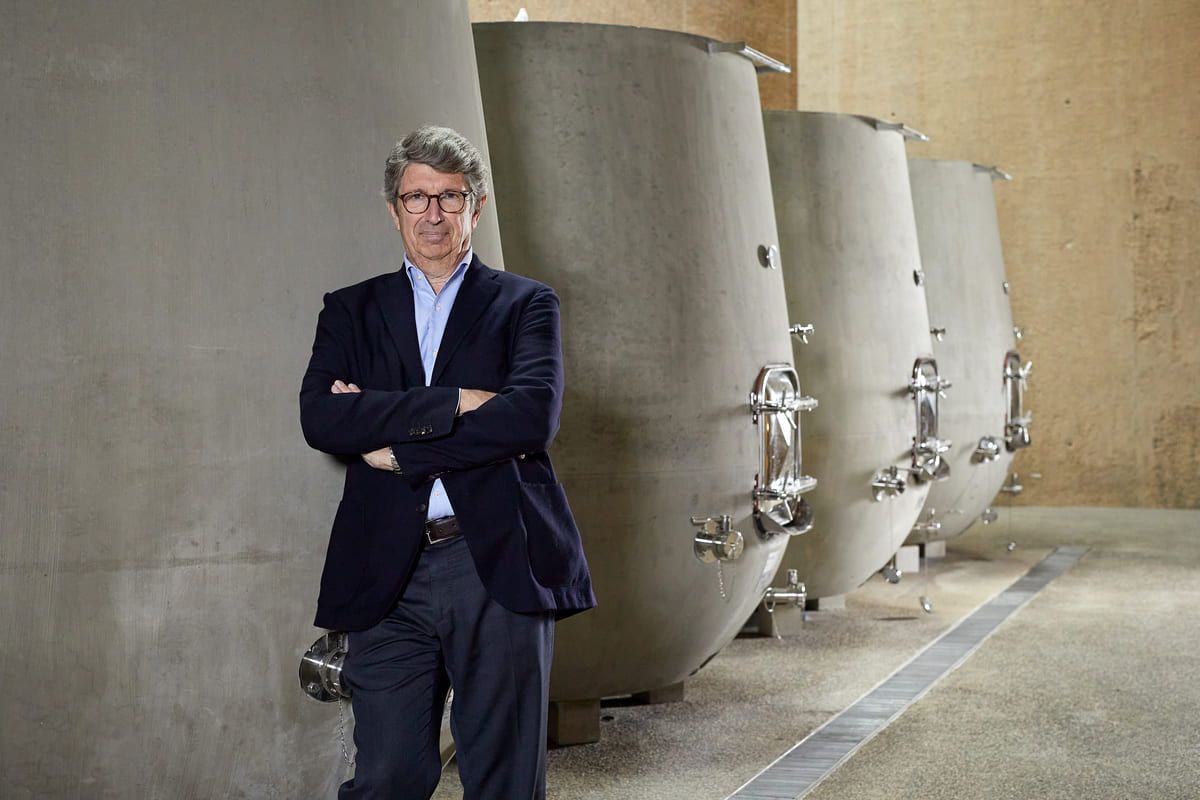
Javier Suqué has reaffirmed the group's intention to establish itself in new denominations of origin such as El Bierzo, Ribeira Sacra, Rías Baixas, and, especially, in Ribera del Duero, where the company already has a 40-hectare estate in operation and also wants to start a winery. "We want to continue growing in new DOs with our own projects to be a prominent reference in the Spanish wine sector; we are looking at things, but we are not in a hurry," explains Suqué.
The businessman highlights the economic revitalization that the various initiatives promoted by the family over the last century have brought to the Empordà municipality of Peralada, since in addition to the wine business, an important cultural project has been developed, also linked to leisure and tourism. "Peralada is today a first-class tourist destination," he points out, after listing the multiple pieces and activities that make up the complex, consisting of Peralada Castle, the Carmen Monastery with its Gothic cloister, the wine museum, the glass and ceramic collection, the Hispano-Suiza room, the library, the gardens, the Peralada Casino, the Peralada Hotel (5 stars and with a wine spa), the golf course, the Peralada Festival, the new winery designed by RCR, and four gastronomic proposals, one of them (the Castell Peralada restaurant) with a Michelin star.
In the cultural area, Suqué highlights two new projects that are underway: the construction of a new auditorium for the festival, which will be ready in 2024, and the creation of a special room within the castle library to preserve with the best guarantees the incunabula and high-value historical books treasured by the family.
In the oenological field, Perelada plans to launch two new wines this year, Amfitrió and Obsequi, which will be distinguished by using an innovative bottle with a rough texture and much more sustainable, since weighing 100 grams less contributes to reducing the carbon footprint. In addition, the winery will promote more than 200 initiatives over the next five years to enhance sustainability, with a prominent project such as the introduction of regenerative agriculture.
In total, Grup Peralada invoiced 220 million euros in 2022, a figure that includes income from wine companies, the hotel and gastronomic area, and especially, the gaming business, with casinos in Barcelona, Peralada and Tarragona, and others located in Argentina, Chile and Uruguay.
Add The New Barcelona Post as your preferred Google source for free
Stay informed with the latest news.
