Before we learn to walk, to reason, or even to put words together, architecture has already begun to shape the way we inhabit the world. It does so silently, almost imperceptibly, from the very first moment we come into the world: in the layout of the hospital room where we are born, in the light that enters through the window, but also in the layout of our homes or the paths we take along a particular city street. Each of these spaces is the result of countless small architectural decisions that, often without us even realising it, shape the way we inhabit, experience, and relate to them.
Architecture, therefore, accompanies us throughout life, from the first space we inhabit to the last. And precisely because it is so present and so everyday, it is easy for it to often go unnoticed. “Architecture permeates us throughout our lives,” remarked Pol Casellas, architect and presenter of Sota la pell de la ciutat —the betevé program that explores various facilities and spaces in Barcelona to discover their characteristics, stories, and curiosities that often remain hidden from plain sight— in a new session of the Moments Estel·lars cycle.
It does so, Casellas emphasizes, like medicine or law, disciplines with which almost everyone sooner or later comes into contact. The difference is that the same does not always happen with the architect: while it is common to visit a doctor or consult a lawyer, architecture can accompany a whole life without ever having direct contact with the person who designed it. Its presence in daily life is, therefore, more subtle. And yet, it is present from the very first moment: in a hospital, for example, in the way routes, rooms, or even materials are organized to make the environment, which can initially feel cold, more welcoming. Afterwards, it also unfolds through houses, streets, buildings, and transport; spaces that are part of the usual landscape to the point that we often stop seeing the decisions that made them possible.
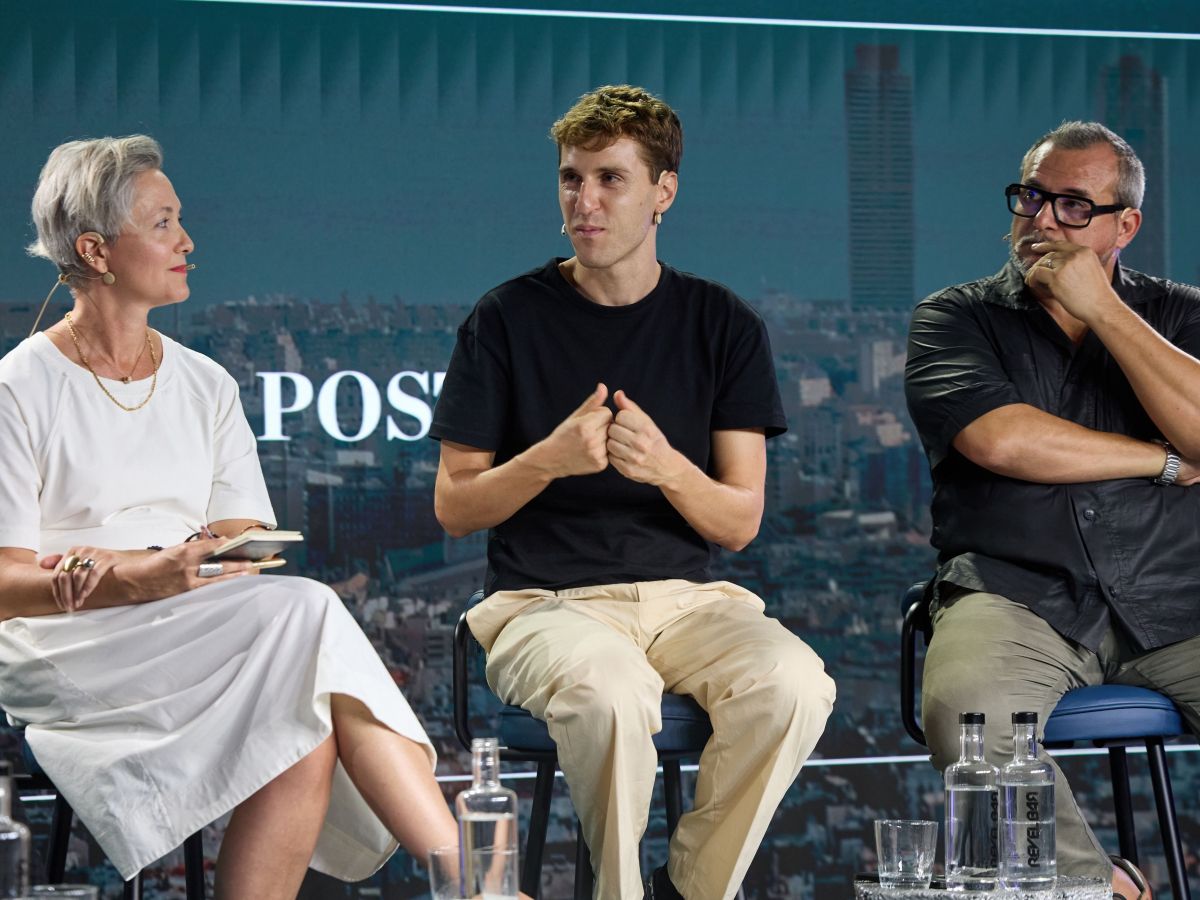
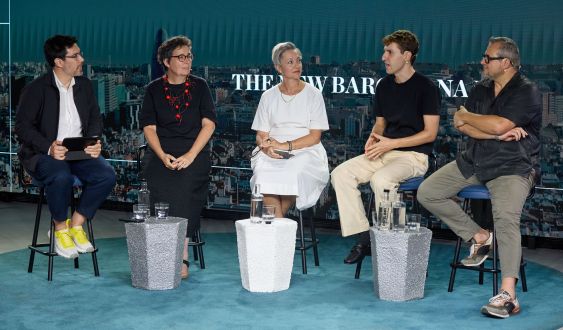
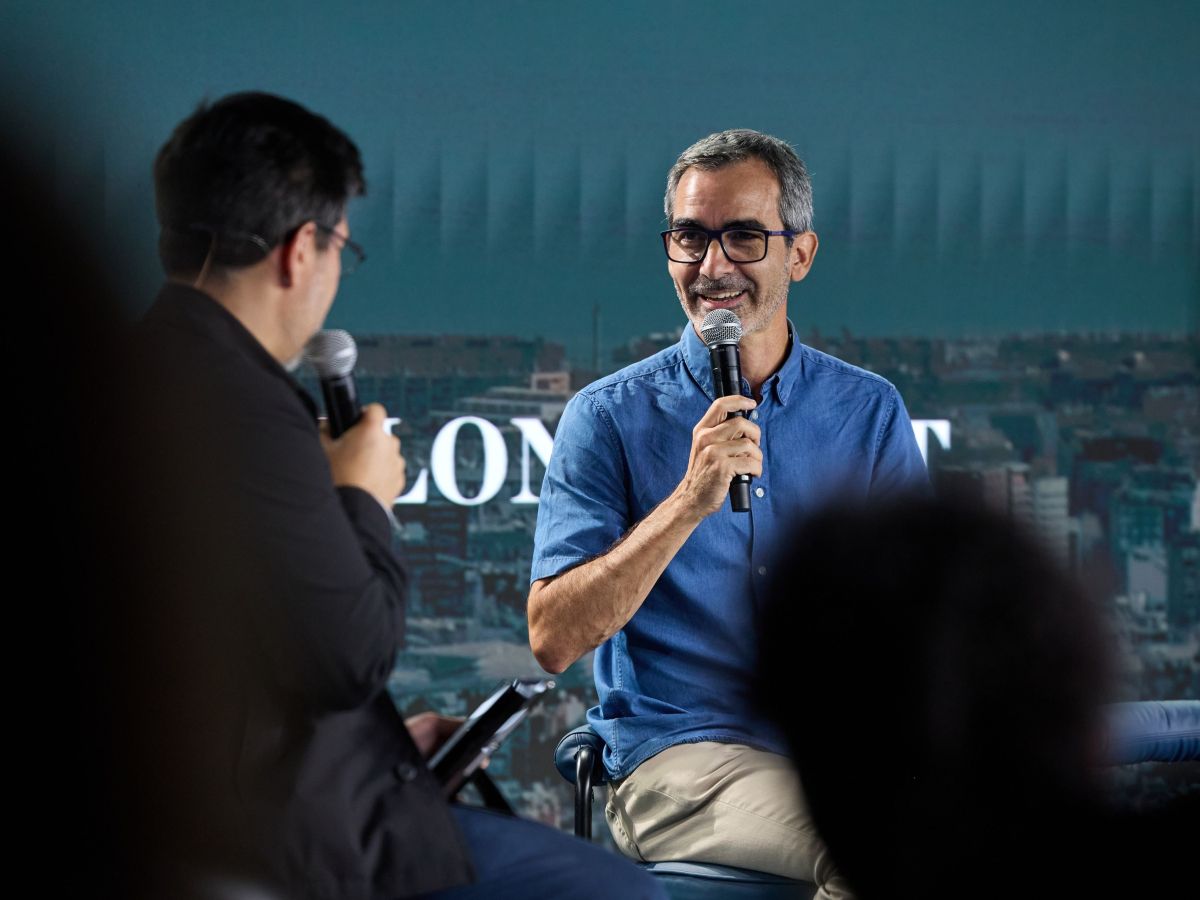
How to explain the architectural decisions hidden behind each facade, square, or building and, above all, how to get citizens to look at this discipline, understand it, and value it has been the focus of the new session of Moments Estel·lars, organized by The New Barcelona Post at Casa CUPRA Raval with the collaboration of Must Media Group, Barcelona Global and, on this occasion, also betevé. A session in which, in addition to Casellas, Ana María Álvarez, communication director of the 48 H Open House Barcelona association; Maria Buhigas, chief architect of the Barcelona City Council; and Oriol Marin, architect and technical architect, partner at AQUIDOS, associate professor at EPSEB of UPC and member of the professional council of CATEB (College of Technical Architecture of Barcelona), also participated.
The challenge, moreover, takes on even greater relevance in a year in which Barcelona acts as the World Capital of Architecture. But what does this capital status really mean for those who live in the city every day? Beyond the iconic buildings that are part of postcards and tourist routes, what does the citizenry really know about the architecture that surrounds them? What do they understand when they look at a building, a street, or a square? And how can everything that is not visible to the naked eye be explained to them without resorting to demanding technicalities?
When architecture speaks its own language
The first distance between architecture and citizens appears even before entering a building: in the words used to explain it. The chief architect of the Barcelona City Council, Maria Buhigas, acknowledges that architects use “a professional jargon full of technicalities that can be difficult to decipher from the outside.” Sketches, plans, and models are part of this language —of which Buhigas declares herself more a supporter, because their abstraction allows imagination to soar, while in renders everything seems already resolved, to the point that “everyone is young, handsome, rich, educated, and happy”—, but they are not always easy to read for those unfamiliar with them. Plans, for example, can become a real labyrinth for those who see them for the first time: four lines that coincide at the same point can be obvious to those who drew them and incomprehensible to those who do not know the code.
But to this language, made of models and technicalities about constructive systems, materials and architectural elements, a second layer is still added: the artistic and creative dimension of the discipline. As Casellas has recalled, in architecture competitions, for example, projects are often presented with original titles, slogans and concepts that can be suggestive, but do not always help to understand what is really behind them.
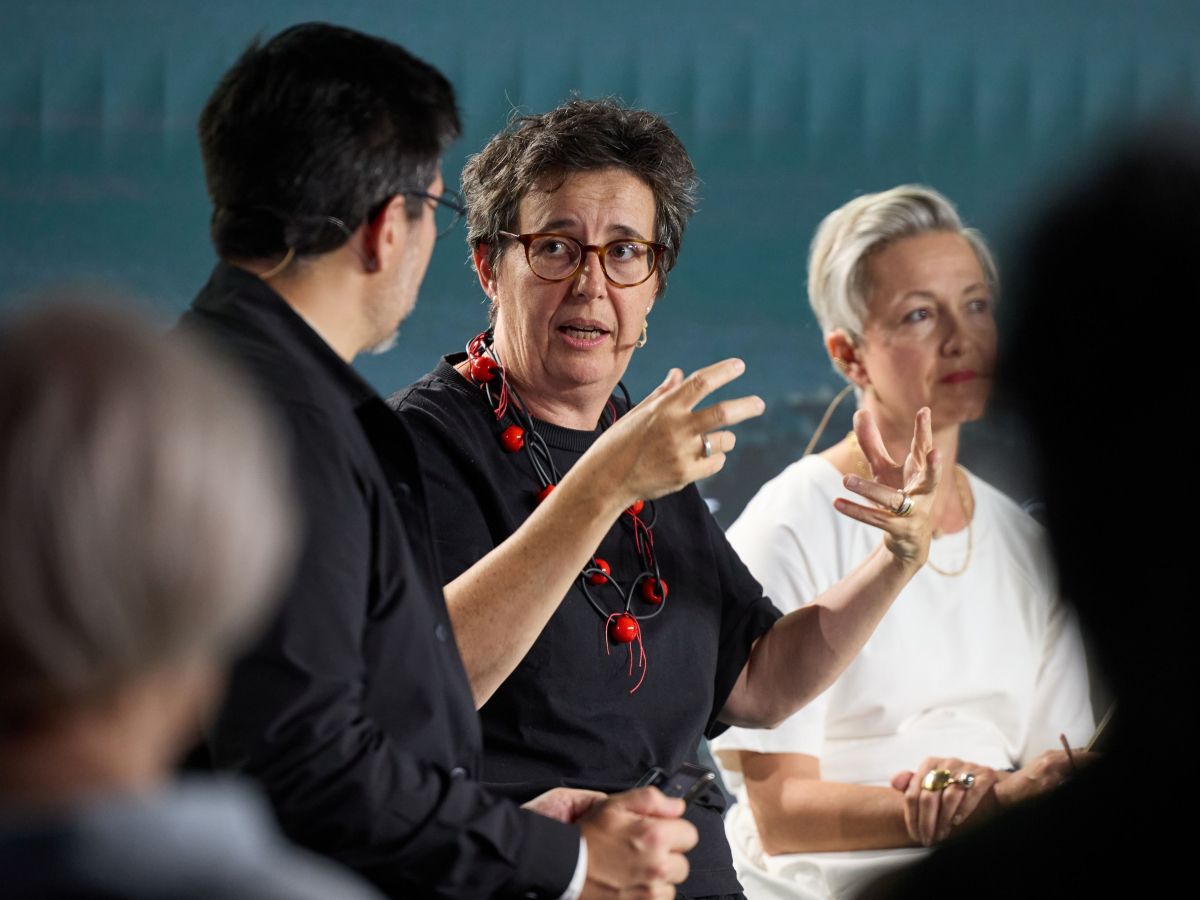
The challenge is that architects still have to find a way to converse with society. However, this translation "should not mean simplifying to the point of emptying content", as Ana María Álvarez, communication director of the 48h Open House Barcelona association, has defended. On the contrary: it is about opening a door to knowledge and curiosity. When you know what you have in front of you, you look at it from another perspective and, consequently, you also value it differently. And this is precisely the task that the 48h Open House Barcelona festival promotes every year which every autumn opens the doors of buildings that are not usually accessible to the public through guided tours that allow approaching them from a new perspective.
Because, sometimes, looking differently only requires someone to point out what had always been in front of one's eyes. It is the same thing that happens, as Oriol Marin, architect and technical architect, partner at AQUIDOS and associate professor at EPSEB of UPC, has illustrated with a suggestive image, with a tasting menu: a dish can seem simply good until someone explains that texture, identifies an ingredient or names a note that had gone unnoticed. Suddenly, the experience changes.
Behind every decision there is a reason
The objective, however, is not "to turn everyone into an architect, but to give them tools to look differently", Álvarez emphasized. The idea, therefore, is not that they leave a visit knowing how to design a building —since seven out of ten visitors to the 48 H Open House have no professional relationship with architecture—, but that they are able to notice what previously went unnoticed. That, in front of a space that previously went unnoticed, the question arises: why is it like this? Why this material and not another? Why this distribution? Why this way of opening to the street?
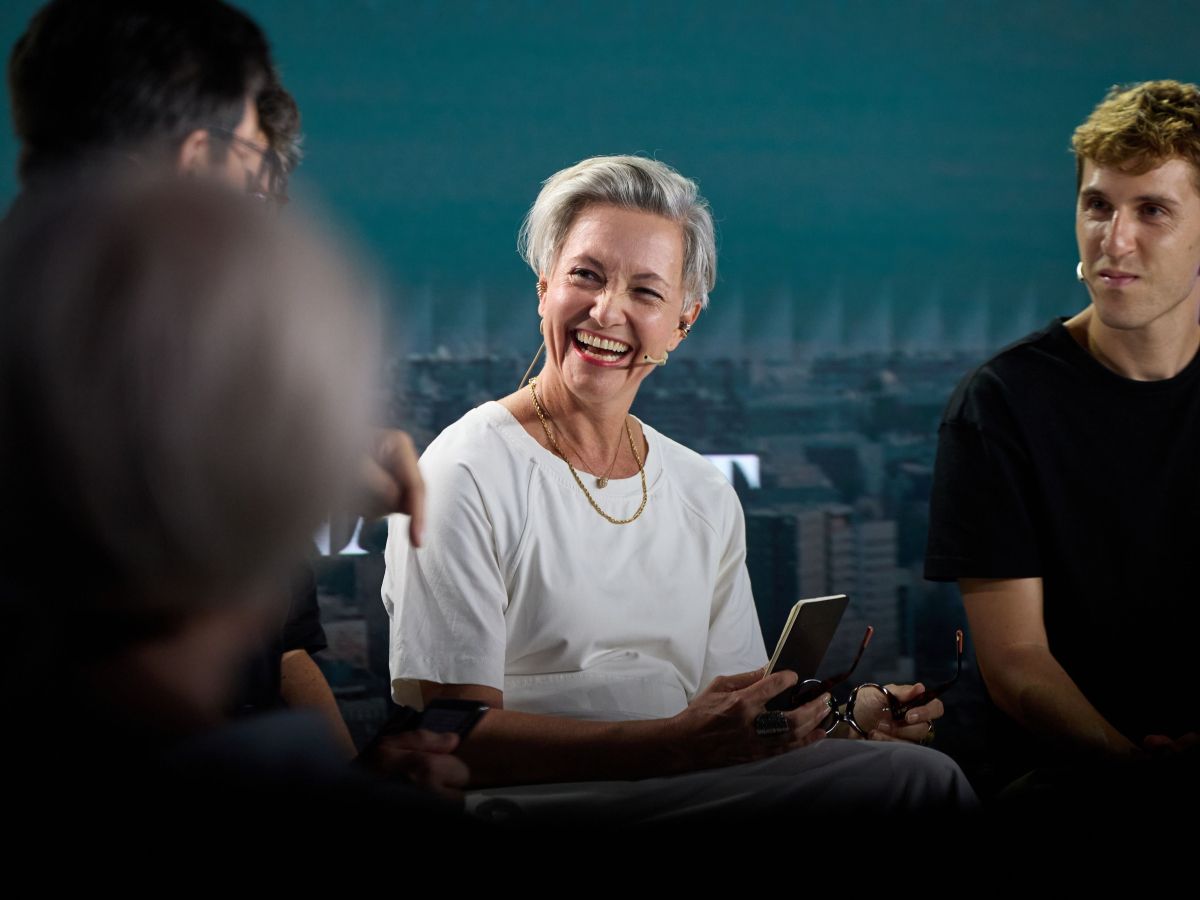
Because behind every choice there is a decision, and behind every decision, a reason. Casellas insists precisely on this idea: architecture is not only what we see, but also everything behind the decisions that have shaped a space. These decisions are not neutral: they condition how we move, how we perceive a place and, in many cases, even how we feel about it. In a hospital, for example, more light, warmer materials or higher ceilings can contribute to generating a feeling of well-being in a space that is, initially, cold.
"Architecture can be read as “the reflection of a society at a given moment”: its history, political and economic situation, culture or ways of life also end up being inscribed in the spaces we build"
But, in fact, architecture does not end the moment the architect finishes the project. Buhigas speaks of architectural spaces as a “living scenography”: architects create a space, but it is people who occupy it, use it and, often, transform it. And it is precisely for this reason that architecture can also be read as “the reflection of a society at a given moment”: its history, political and economic situation, culture or ways of life also end up being inscribed in the spaces we build, and, therefore, priorities, needs and ways of living also transform.
From Gaudí to a bar's restroom: learning to read architecture
And if it's hard to see the decisions behind the spaces we inhabit, it's even harder to understand those behind an architecture that, being so familiar, has become everyday landscape. Álvarez exemplifies this with Gaudí: while visitors from all over the world arrive in Barcelona eager to discover his buildings, many Barcelonians pass by them without ever having set foot in any, with only a single mythified image of the modernist architect.
But this architectural gaze can also be applied to spaces that we hardly identify as architecture. Marin even takes it to a much smaller and more everyday place: the bathroom of a bar. The way the tiles are placed, how a corner is resolved, or how a joint is defined also responds to architectural decisions. Someone has chosen a material, thought about the pattern, and decided how that space should be resolved. And these decisions, however subtle they may be, can explain a lot about how a place has been thought —or not thought— about.
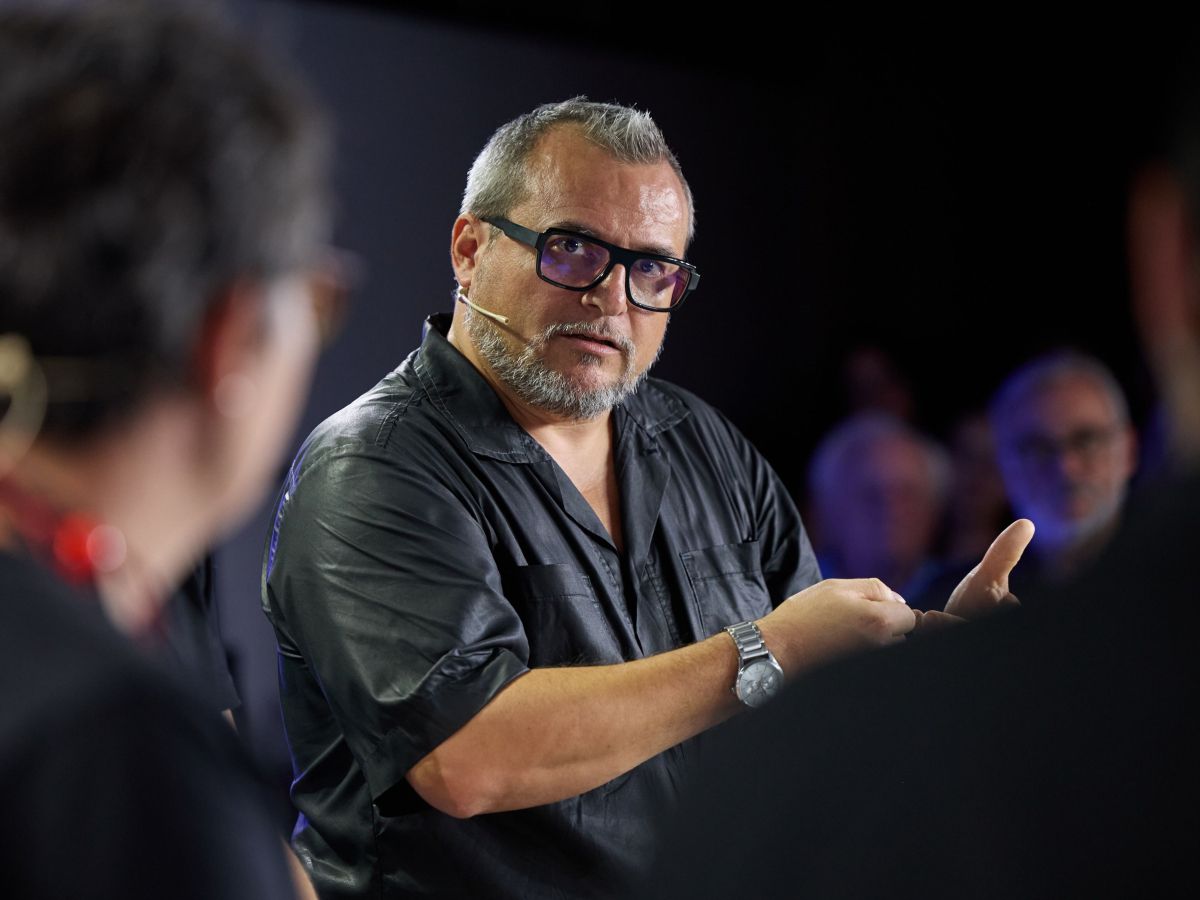
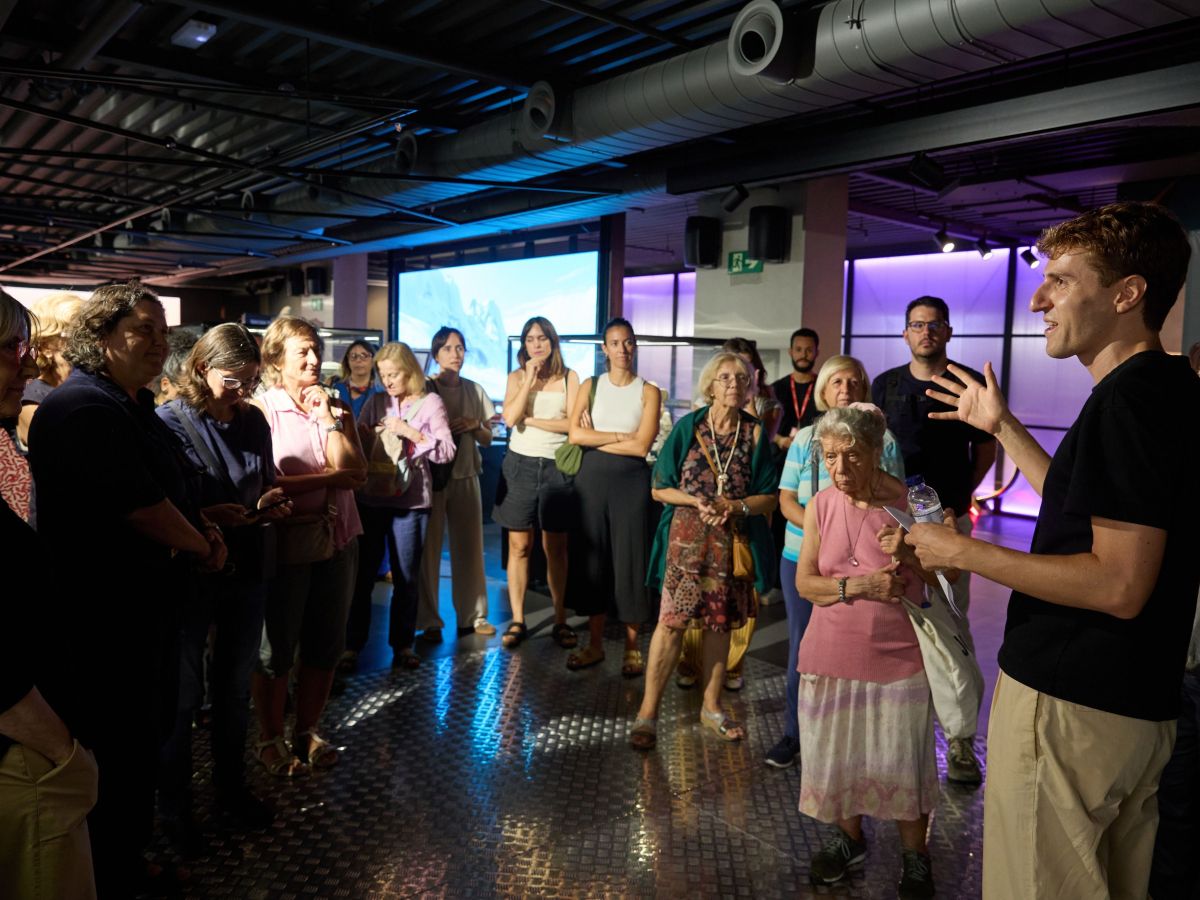
Casa CUPRA Raval itself, where the Moments Estel·lars session took place, is a good example of how an apparently simple building hides a set of small architectural decisions that are not always evident at first glance. Attendees were able to discover them in an exceptional guided tour led by Pol Casellas. These are details that also explain the transformation of the space: from a hermetic building, typical of a bank —Deutsche Bank, which occupied the property in its previous life—, to a CUPRA connection point with the city. The renovation, in which Carlos Ferrater and OAB (Office of Architecture in Barcelona) participated, makes this visible especially through the new curved glass facade, which opens the building towards Passeig de Gràcia and Diagonal.
Inside, the building also incorporates several nods to Barcelona and the world of automotive: the hexagonal parquet on the second floor —normally inaccessible, as it is CUPRA's workspace—, which recalls the paving of Passeig de Gràcia; the exposed sheet metal ducts, the mechanisms of the escalators, or the large fans that evoke the propellers of a car.
And beneath the city, another city
Because, as happens at Casa CUPRA Raval, understanding architecture also means, many times, paying attention to details or looking for what is not seen. And this also implies looking under our feet, under the dust of the city, to delve into the layers of time that have accumulated and that also explain how Barcelona has become the city it is today. For this reason, the session also served to present Jaciment Barcelona, a new betevé docuseries directed and presented by Francis Manzano that, starting on October 13 and every Tuesday at 9:30 p.m., will delve into active archaeological interventions in the city to reconstruct its past.
Because behind a facade, in a tile, in a corner or also under our feet, Barcelona is full of archaeological decisions that explain how the city has been built. You just have to stop, discover them and learn to read them.
Add The New Barcelona Post as your preferred Google source for free
Stay informed with the latest news.