The design and architecture of the spaces we inhabit define us and influence our way of life. The architecture of a city, Barcelona, says a lot about who we are and how we want to live. For this reason, in this city, architecture is not just a practical, formal, or heritage matter: it is a tool that conditions our coexistence, our life, our identity, and our projection towards the world. A projection that this year will materialize with Barcelona as World Capital of Architecture 2026 and that will span the entire city over 10 months, 10 districts, and 10 venues.
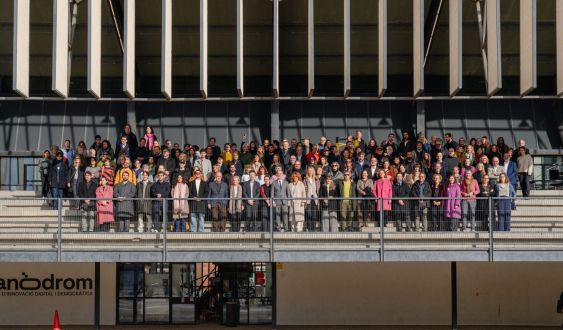
This Tuesday, the Barcelona City Council presented the program for Barcelona World Capital of Architecture 2026, a project promoted by UNESCO and the International Union of Architects (UIA) that, between February 12 and December 13, 2026, will deploy more than 1,500 activities in the city and throughout the country, with the aim of disseminating the values and transformative capacity of architecture, urbanism, and landscape. The chosen venue for the presentation was, in fact, a declaration of intent for the program conceived: the event took place at the Canódromo de Sant Andreu —which was packed to the rafters—, a space that will become the headquarters of the Sant Andreu district during the celebration of the capital status.
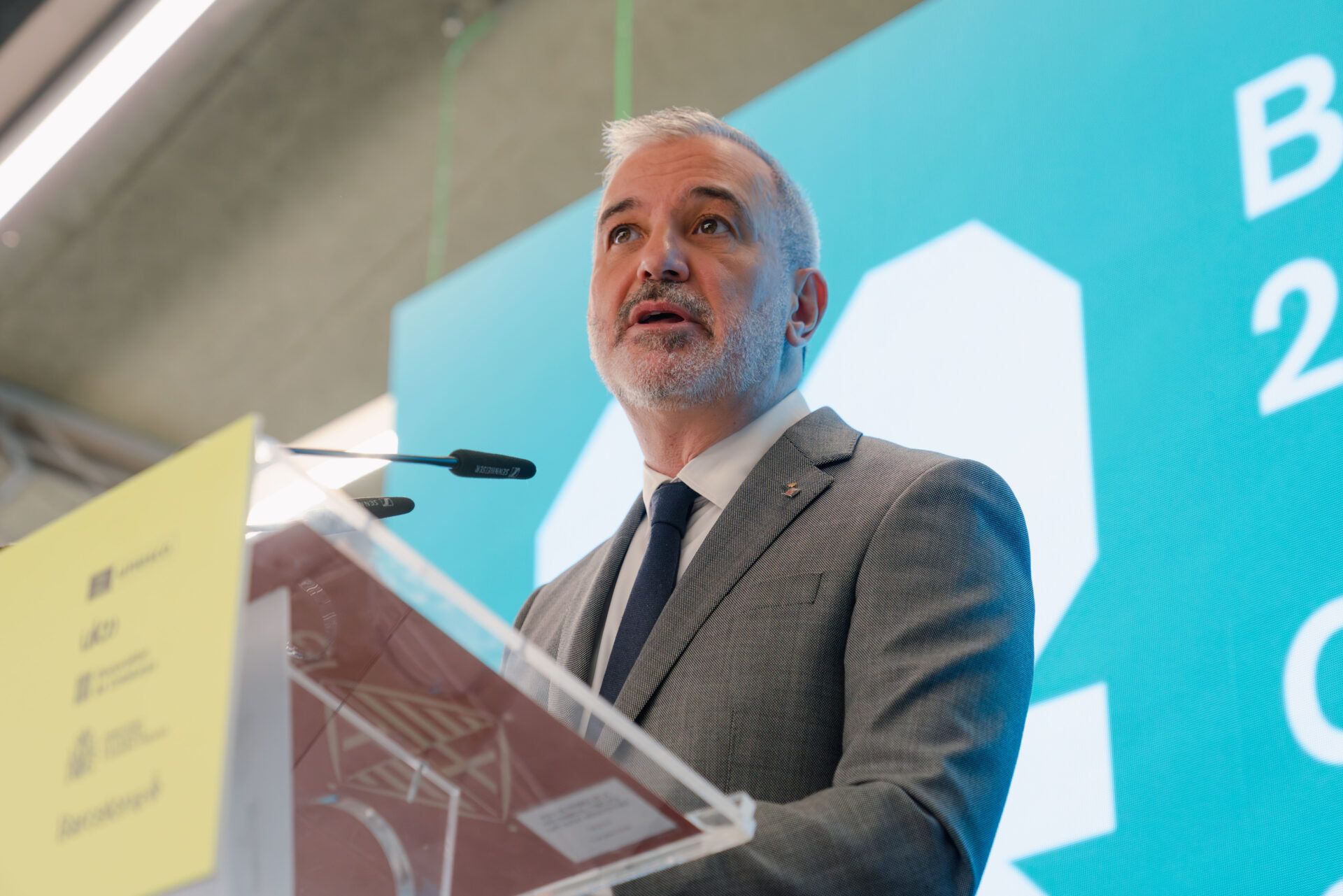
During the event, the mayor of Barcelona, Jaume Collboni, emphasized that the capital status aims to be, above all, an invitation to a new collective look at the city. "We want Barcelonians to look at Barcelona with the eyes of an architect, to look at it again and rediscover it," he affirmed, insisting that the World Capital of Architecture is not designed solely for professionals in the sector, but for the people who live in the city, who make it their own and who want to actively participate in the construction of its future. This desire to place citizens at the center translates into a massive, decentralized, and local program, which will extend for ten months across the ten districts of Barcelona and will also leave a permanent legacy in the city.
"In the new House of Architecture of Barcelona there will be a large-scale model of the city, conceived as a tool for collectively thinking about the past, present, and future of Barcelona"This legacy will take shape, above all, in theformer headquarters of Editorial Gustavo Gili, which will become the Barcelona House of Architecture. The building, which will be the headquarters of the World Capital of Architecture, will be transformed into a new permanent reference center for reflection, debate, and dissemination of architecture and urban planning in the city, beyond 2026,under the management of the Mies van der Rohe Foundation. There will also be a large-scale model of Barcelona, conceived as a tool for collectively thinking about the past, present, and possible futures of the city.
Between February and December, each district of Barcelona will become, for one month, the nerve center of the World Capital of Architecture. This structure allows the project to be understood as a decentralized initiative, rooted in the neighborhoods and connected to daily life.
The chosen venues draw a rich and diverse architectural map:
-
Eixample: Fort Pienc
-
Les Corts: the Centre Cívic Joan Oliver "Pere Quart"
-
Sants-Montjuïc: La Lleialtat Santsenca
-
Nou Barris: El Antic Institut Mental de la Santa Creu
-
Horta-Guinardó: La Casa de les Altures
-
Sant Martí: MUHBA Oliva Artés
-
Sarrià-Sant Gervasi: El Dipòsit d'aigües del Rei Martí
-
Sant Andreu: El Canòdrom
-
Gràcia: La sede del Distrito de Gràcia
-
Ciutat Vella: El Mercat del Born
The World Congress of Architects, international epicenter
The highlight of the year will be the UIA World Congress of Architects, to be held from June 28 to July 2, 2026. Barcelona will thus become the only city in the world to host this congress for the second time, thirty years after the 1996 edition.
With more than 10,000 professionals and 200 international speakers, the congress will position Barcelona as a global space for debate on the possible futures of architecture under the motto Becoming. Architectures for a planet in transition, with a focus on ecological, social, material, and cultural transitions.
Ten months, ten districts, and ten venues to celebrate architecture not only as a discipline but as a tool to imagine—and build—a better city. Barcelona, once again, looks at itself, "and celebrates itself," to explain itself to the world.
Add The New Barcelona Post as your preferred Google source for free
Stay informed with the latest news.