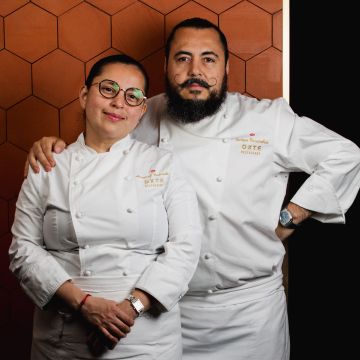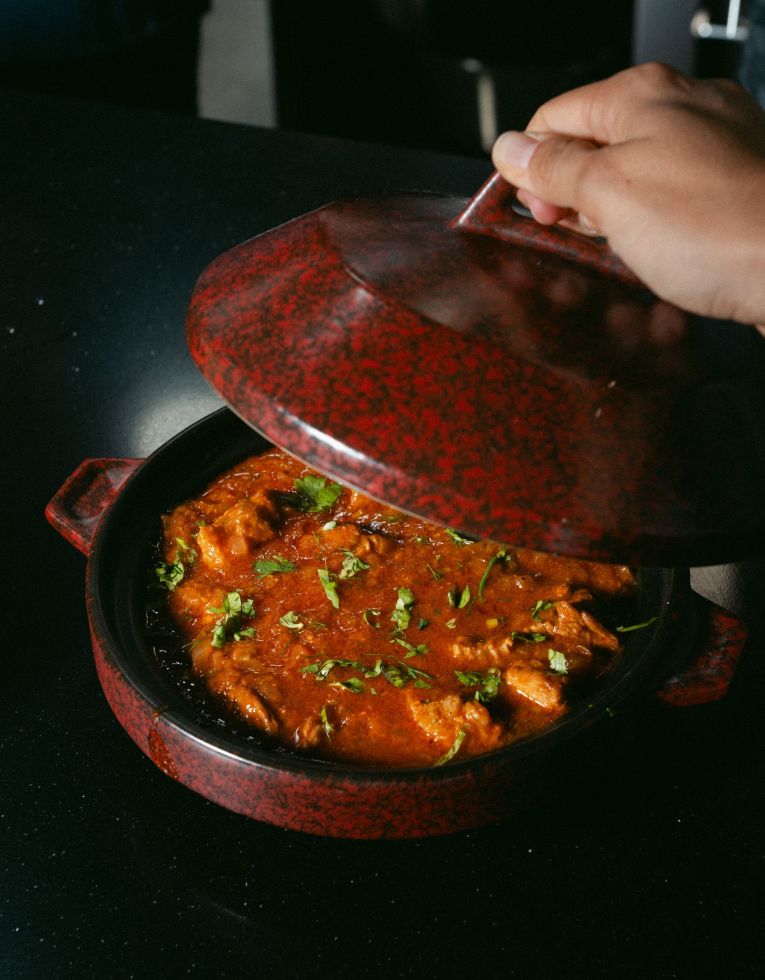
A gateway to Georgia in the heart of Passeig de Gràcia, yet with Barcelona as its starting point. That is the proposition behind Tbilisi Boulevard: introducing the city to a culture and gastronomy that remain largely unfamiliar, all while keeping an eye firmly trained on the venue it has chosen to call home. Its 1,600 square metres span two floors of what was once part of the historic Bulevard Rosa – that sprawling showcase of shops and boutiques that stood for decades as a defining landmark of this stretch of the avenue until its closure in 2018.
Yet that retail past has not vanished altogether. The first hints of that commercial heritage greet visitors straight from the street: a red carpet leads up to the entrance, where the initials TB accompany the name Tbilisi Boulevard above the facade. Tbilisi, Georgia's capital, provides the roots; Boulevard, on the other hand, revives the connection to the site's history. Sergio Rodríguez, director of the new restaurant, explains that the venture – spearheaded by three Georgian entrepreneurs who have lived in Barcelona for decades and come from diverse sectors, one bringing restaurant experience from their homeland – was originally slated to bear a different name. In the end, however, they chose to keep Boulevard as a nod to the space's past.
Stepping through the doors, nods to that history continue. The grandeur of the decor makes an immediate impression as Georgia claims ground among the tables, wine bottles, and an expansive menu rich in traditional recipes. Yet one need only look up to meet the past: the grand glass cupola and the iconic staircase are still there, now woven into a setting that marries a fresh Georgian identity with the memory of the space.
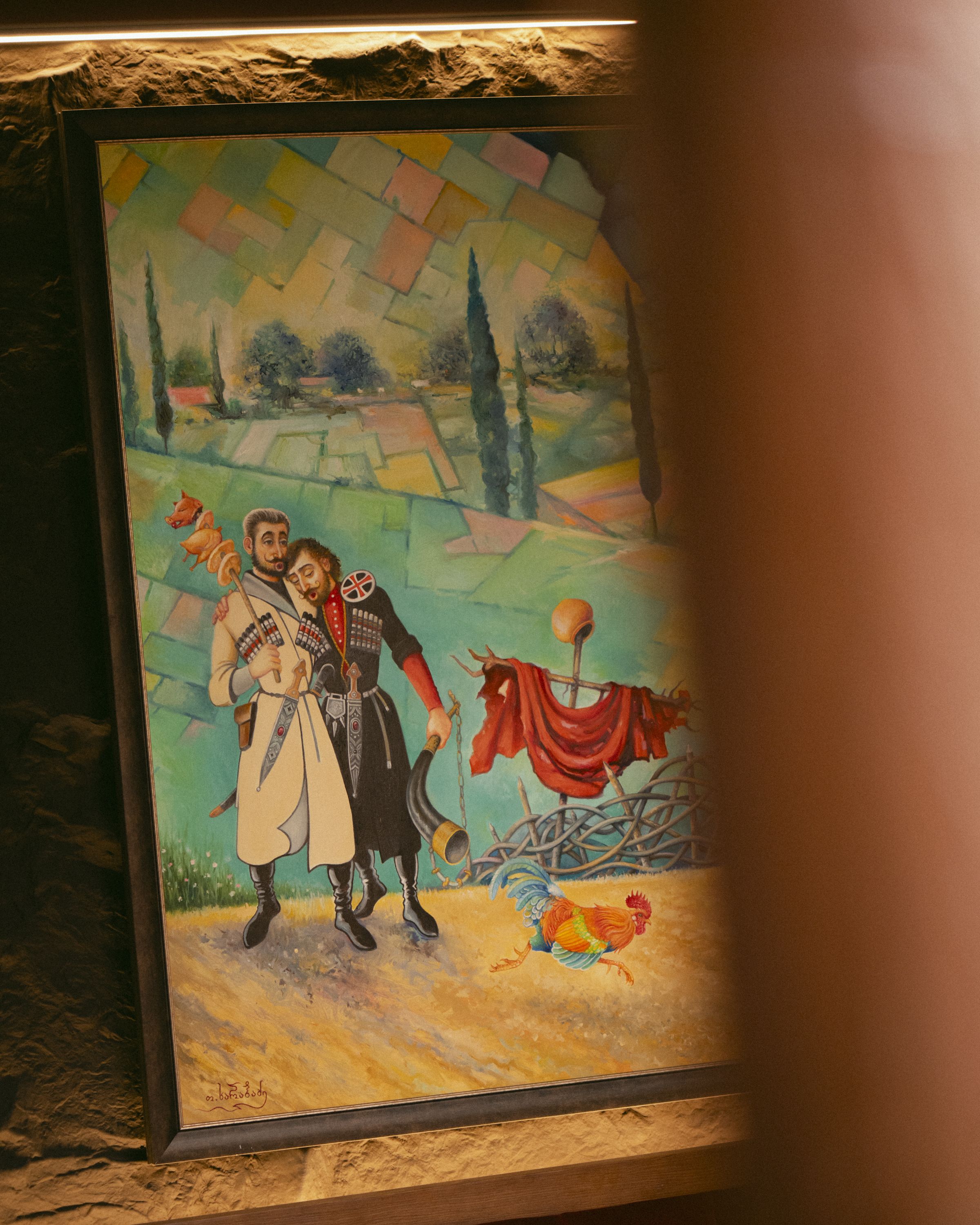
While the architecture echoes Barcelona and the heritage of the site, the palate looks squarely to Georgia. “It isn't just about food; it's about bringing an entire culture closer,” explains Rodríguez, who oversees the restaurant's launch and brings over 25 years of experience managing similar culinary projects. His aim is to introduce diners to a culinary tradition that, despite gaining ground in Barcelona in recent years – the city has quickly added eight Georgian restaurants, including Kinza, Kaia, and Supra Barcelona –, remains largely unfamiliar to many locals.
“It is a culinary tradition with a heritage going back more than 1,500 years, featuring recipes handed down from generation to generation. That heritage comes through in every dish, in every flavour,” explains Rodríguez. It is a tradition that also extends to wine, a cornerstone of the offering showcased right from the entrance by an expansive cellar. “Ultimately, we are talking about Georgians as the cradle of wine; they boast an 8,000-year-old winemaking tradition that is woven deep into their DNA,” he adds.
Alongside a kitchen operating continuously from 12:00 to 00:00, the restaurant also features several distinct spaces: El Salón, with capacity for 200 diners, forms the beating heart of the dining room; La Bodega puts the spotlight on Georgian winemaking heritage; the private rooms offer three more secluded settings for celebrations and gatherings; and La Coctelería takes over once night falls. From 20:00 onwards, culinary flavours share the stage with performance: live music and regional Georgian dance take over the space, featuring performances drawn from the country's diverse traditions.
The former lives of Bulevard Rosa
Yet before serving as a portal to Georgia, this space had already played host to chapters far more deeply tied to Barcelona. Its origins trace back to the 1930s, when the Salón Rosa opened on Passeig de Gràcia in 1932 as a gathering place central to the city's social life of the era. Its name would outlive the venue itself, paving the way decades later for what would become one of the avenue's great commercial icons: Bulevard Rosa.
In 1978, entrepreneur Enric Vives Valls spearheaded the launch of these shopping arcades – alongside the Publi Cinema auditoriums –, transforming this stretch of Passeig de Gràcia into an interconnected maze of small shops housed beneath a single roof, linking key neighbouring thoroughfares such as Passeig de Gràcia itself, Rambla de Catalunya, Carrer de València, and Carrer d'Aragó. Fashion, accessories, jewellery, and independent retailers shared some 5,200 square metres that eventually brought together nearly a hundred storefronts.
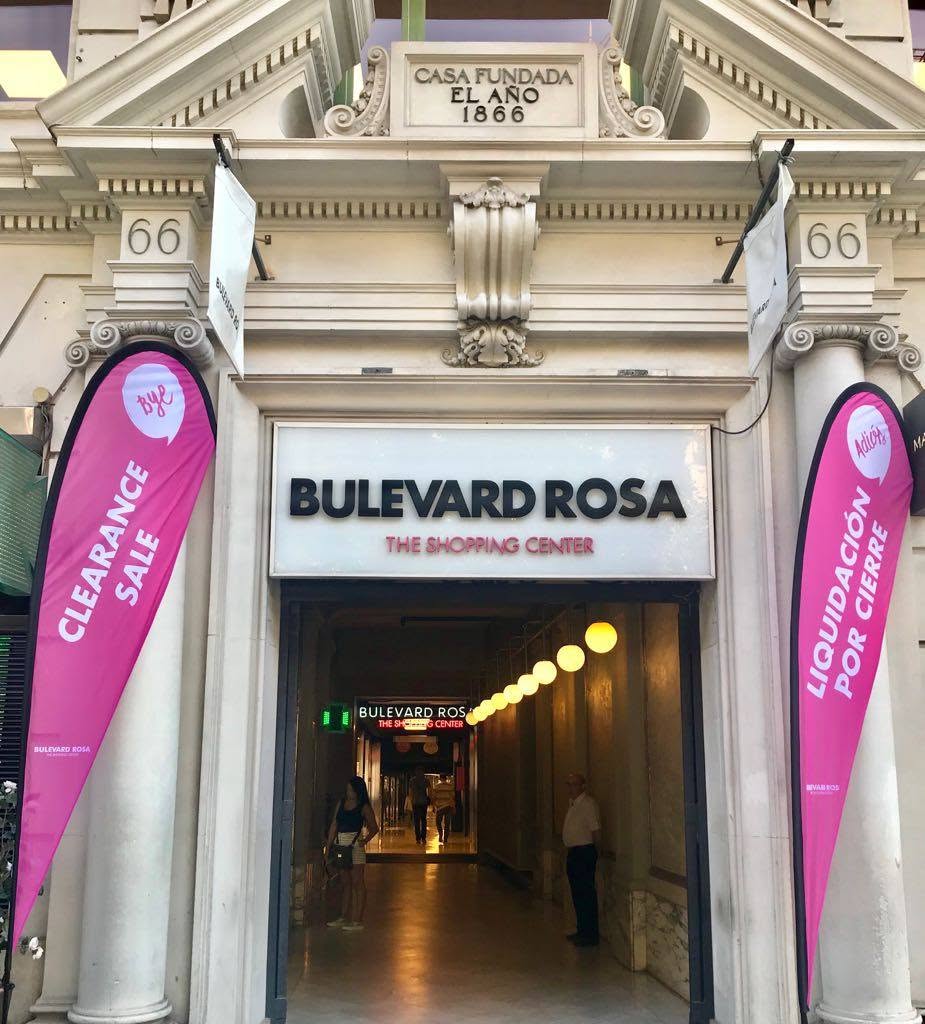
For four decades, Bulevard Rosa was a cornerstone of Passeig de Gràcia's commercial life. Yet the avenue's very success ultimately worked against it. The arrival of major international flagships upended the area's retail model: expansive street-level premises with generous shop windows and higher visibility gained ground at the expense of small boutiques tucked inside indoor shopping arcades.
Bulevard Rosa pulled down its shutters for good on 31 July 2018, after forty years in business. Ownership remained – and remains today – in the hands of the Vives family, who spent the following years exploring various avenues to repurpose the space. Among them was the prospect of French sports retailer Decathlon moving in, or linking up with the neighbouring Bulevard dels Antiquaris – an arcade that still retains much of that original character –, though none of those schemes ever came to fruition.
Carving out a niche on Passeig de Gràcia
In the end, the Vives family chose to remodel the complex and seek out new uses. In 2024, part of the former Bulevard Rosa reopened as White Rabbit, an experiential museum devoted to Barcelona and Catalan culture geared primarily toward visitors. Around it, adjacent units have gradually regained momentum with new brands like Dr. Martens and Brandy Melville.

Number 53 Passeig de Gràcia has lived through several reinventions of its own. Prior to becoming Tbilisi Boulevard, the venue had housed Boulevard, a venture by the Costa Este group that blended a restaurant, lounge, interior garden, live music, and late-night entertainment.
Finding a dining venue of these proportions on Passeig de Gràcia is no small feat. The avenue has consolidated its position as one of the city's most coveted commercial strips, and available units are increasingly hard to come by. Indeed, according to Cushman & Wakefield data, availability across Barcelona's prime retail pitches (such as Passeig de Gràcia) fell to 0% in 2025, down from 2% the year before, while commercial rents along the promenade rose by 6%.
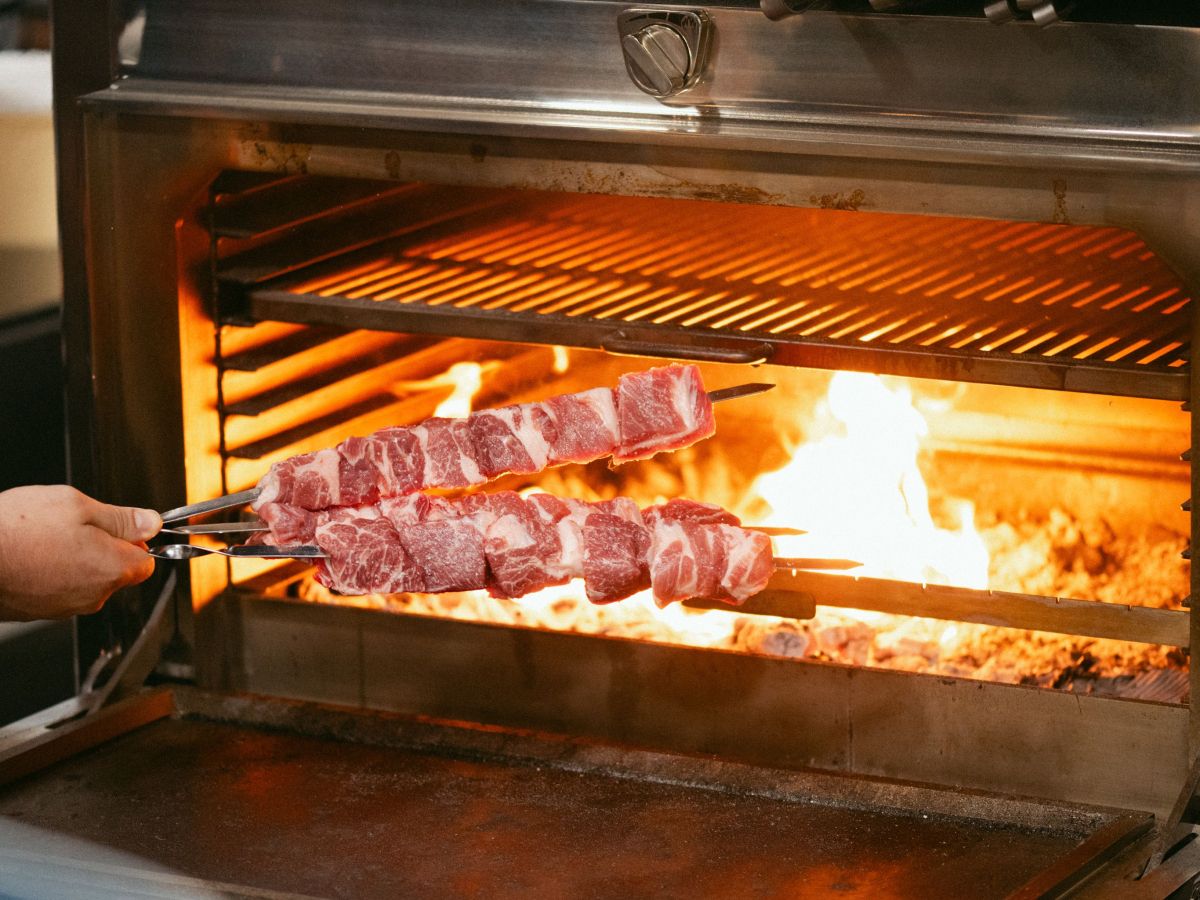
Along an avenue where prime retail frontage is largely dominated by global fashion houses, the hospitality sector finds little room to maneuver: veteran names like El Nacional and La Pomarada, alongside recent arrival Circolo Popolare – which took over the former Citrus – stand out as rare exceptions, alongside standard fast-food chains.

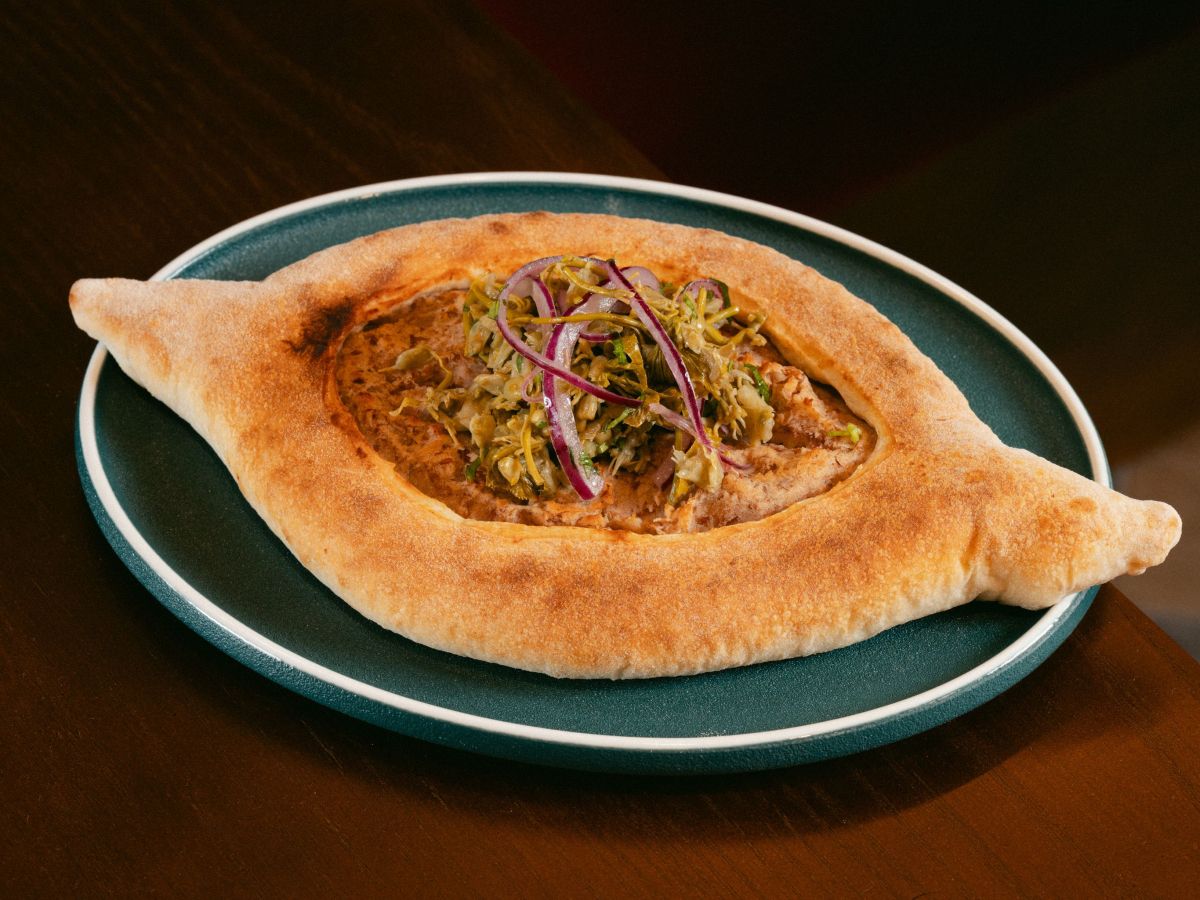
It was this storied past that weighed heavily with the founders of Tbilisi Boulevard when selecting the site. “When we were hunting for premises, we wanted something that held meaning, something with resonance,” explains Rodríguez. “The iconic character of this space was very important to us.” That history now coexists with Georgian cooking: featuring specialities like khinkali, the meat- and broth-filled dumplings; khachapuri, the traditional cheese bread; and chkmeruli, chicken in a fragrant garlic sauce.
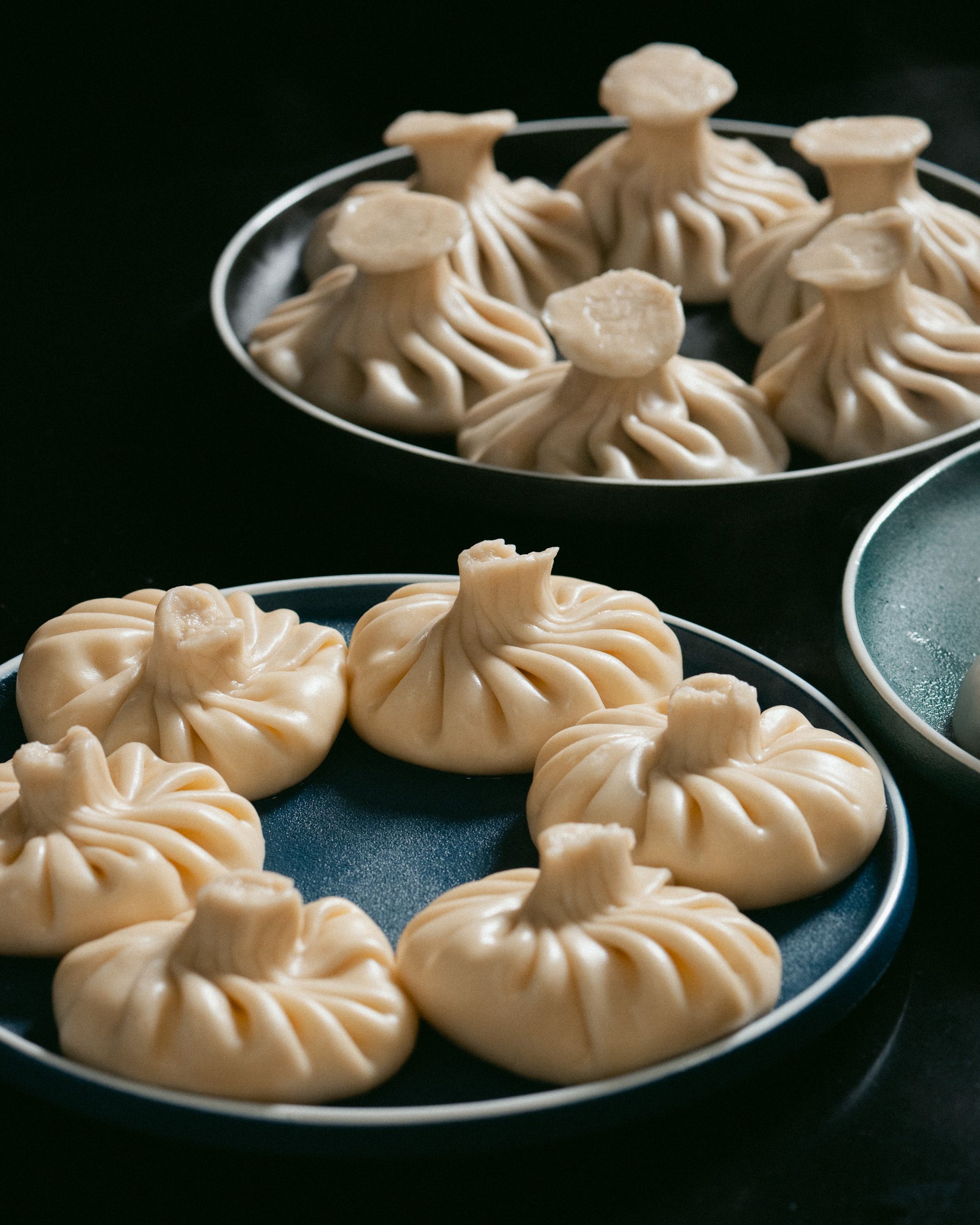
It is a menu that has already seen weekend bookings fully reserved through late November. Early patrons include a sizeable turnout from the Georgian community – which counts more than 20,000 residents across Catalonia – as well as diners from neighbouring Eastern European communities, such as Russians and Ukrainians, though the venue is equally set on winning over local Barcelona diners.
Beyond gastronomy, another word defines the concept: hospitality. In Georgia, notes Rodríguez, food is a way of celebrating life, and welcoming someone into your home is an occasion in itself: opening the door, pulling up a chair, and making them feel at home. On Passeig de Gràcia, Tbilisi Boulevard is transforming that welcoming spirit into a fresh way to bring Georgia closer to Barcelona.
Add The New Barcelona Post as your preferred Google source for free
Stay informed with the latest news.