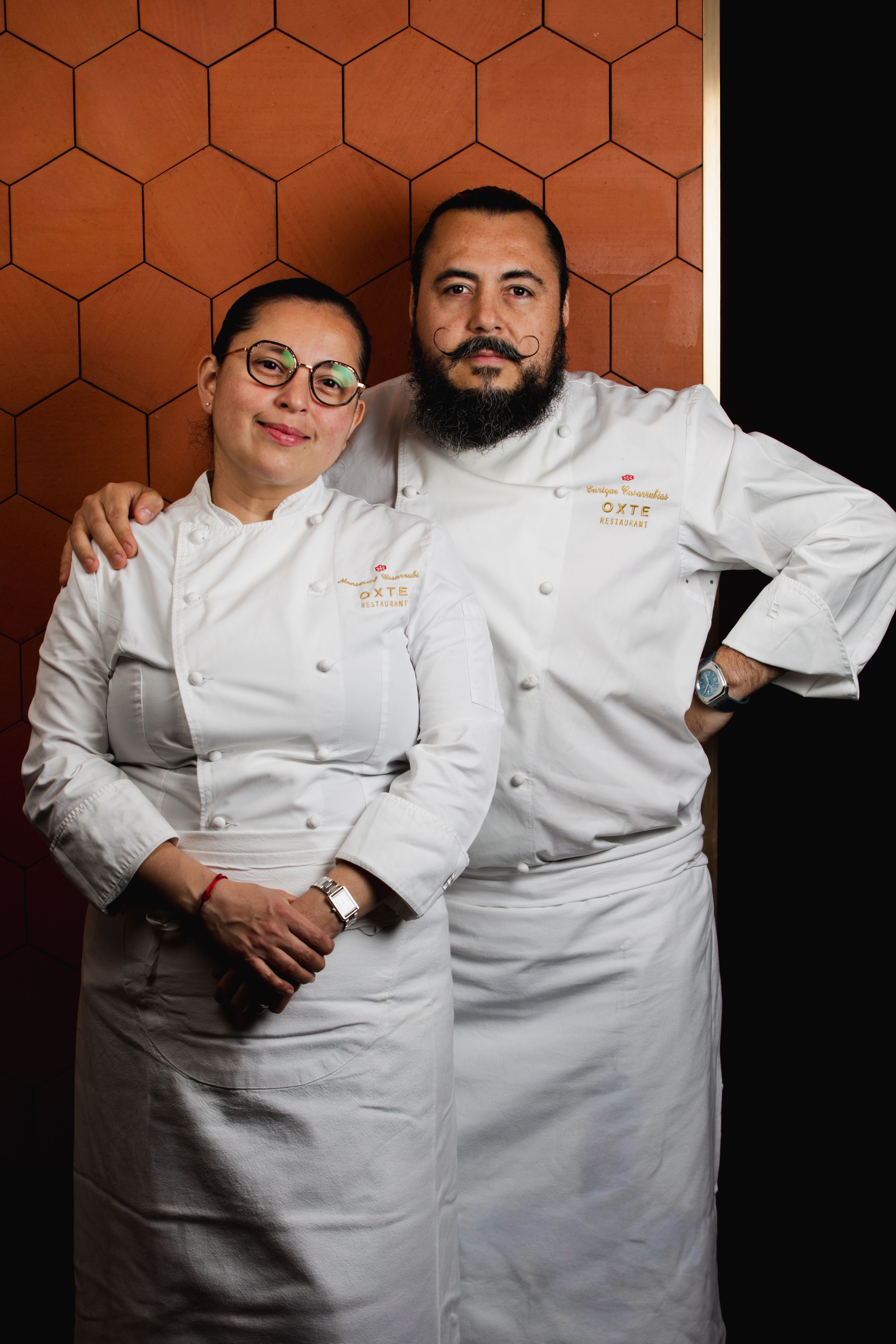
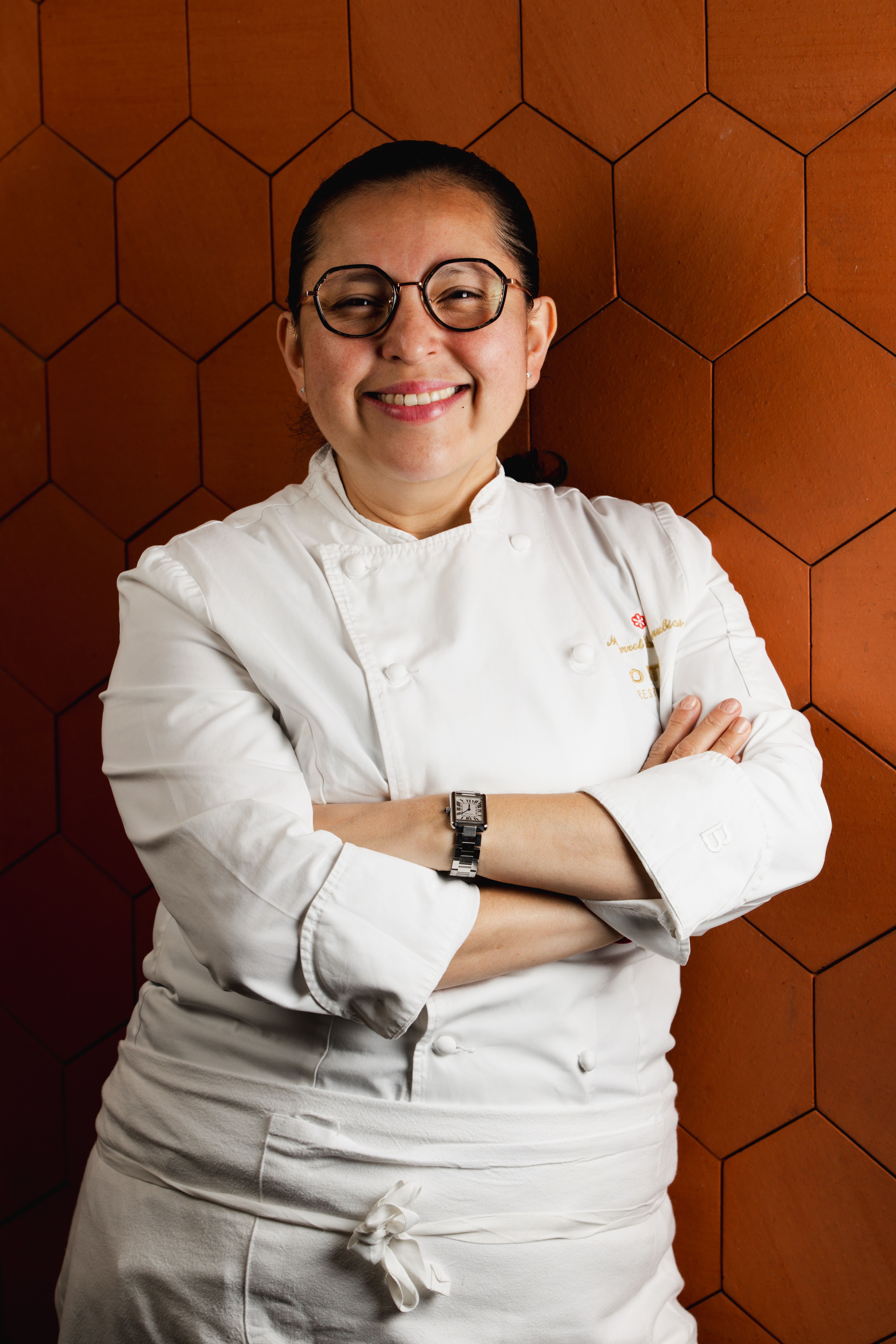
From Mexico to Paris. And from Paris to Barcelona. Because great recipes rarely have a single origin. They are shaped by distance, by techniques picked up along the way, products discovered and traditions that come together, without ever losing touch with the memories that shaped them. The journey of Mexican chefs Kike Casarrubias and Montserrat Estrada is, in many ways, a reflection of this very approach to cooking.
After training and working in France and turning Oxte into the only Mexican restaurant in the country awarded a Michelin star, now they make the leap to Barcelona with Papalote, a project conceived specifically for the city that, far from replicating thxeir Parisian restaurant, starts from everything they have learned along the way.
The journey of Casarrubias and Estrada is not, however, an exception. In recent years, Barcelona has increasingly become a destination for chefs from all over the world who find a place to develop their own projects, whether they arrive with a consolidated career or are taking their first steps. A few weeks ago, El Radar focused on Kind Kitchen, the restaurant born in Porto that chose Barcelona to open its first location outside of Portugal. Now, the city once again welcomes another international name, this time with a Mexican accent: that of Casarrubias and Estrada.
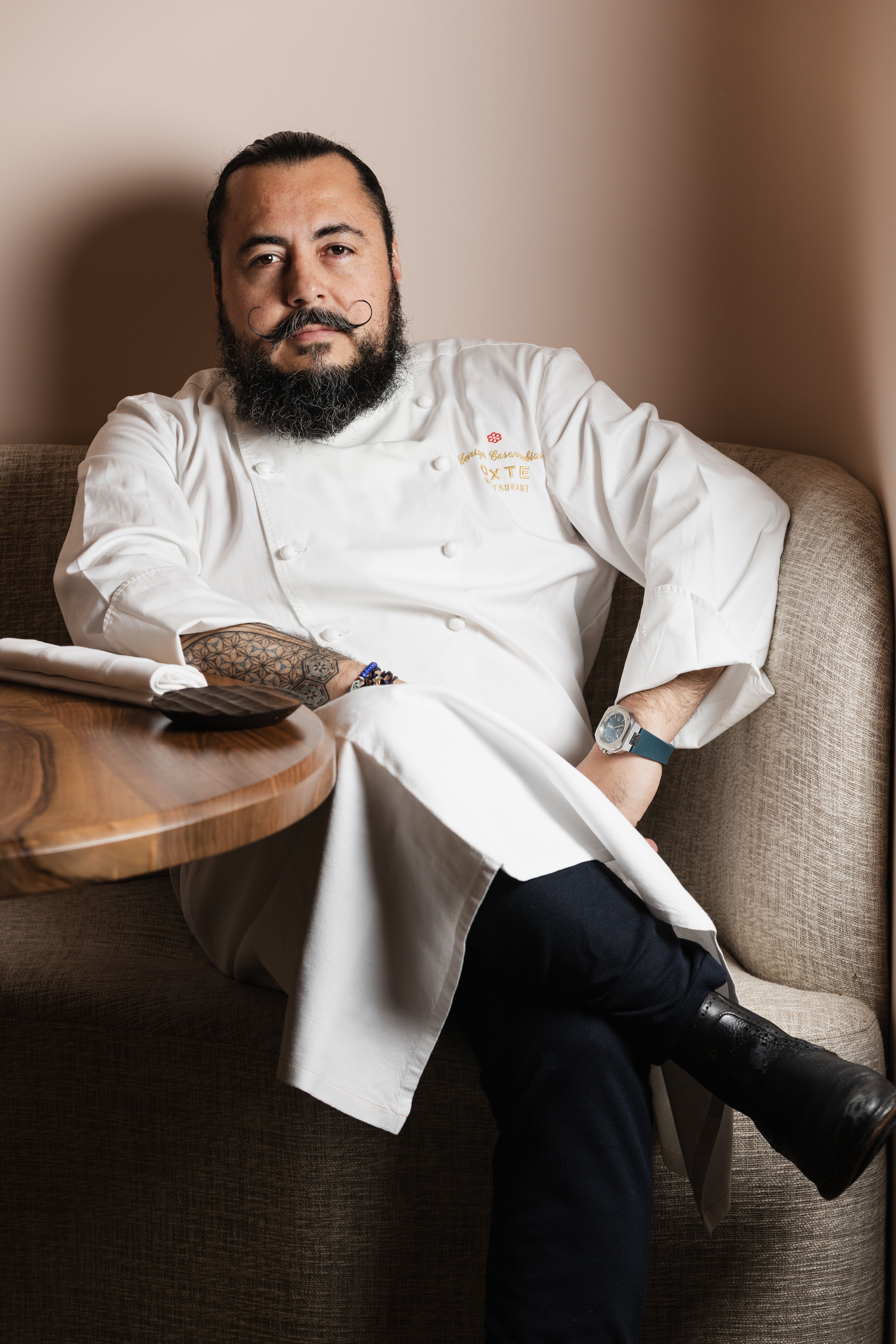
The connection of these Mexican chefs with Barcelona goes back a long way. For years, the city was for both of them a way to feel a little closer to home, thousands of kilometers from Mexico but without having to completely move away from France. "Just getting off the plane, we already recognized the language, the gestures... that made us feel a little closer to home," recalls Casarrubias. Over time, however, they were also drawn to the city's culinary scene: restaurants, products, and a gastronomic culture that increasingly aroused their interest.
They also found a way of understanding cuisine that they found particularly attractive. "Barcelona is a city with very high culinary standards," explains Casarrubias, a characteristic they also recognize in French gastronomy. At the same time, however, in the Catalan capital they perceive a more relaxed, communal way of eating. "Here gastronomy is not just a necessity, it is also enjoyment: taking the time to eat, talk and enjoy the table" he adds.
In addition, unlike the more rigid relationship with tradition they perceive in French cuisine, Casarrubias sees in Barcelona a greater predisposition to discover new flavors, mix influences, and let themselves be surprised. An attitude that fits with their cuisine and that, over time, made Barcelona stop being a place they simply visited. This autumn, that connection will now take shapeshape with Papalote, the project with which the two chefs will beginning a new chapter at Diagonal Avenue, 602 (just before entering Francesc Macià).
Oxte, the starting point
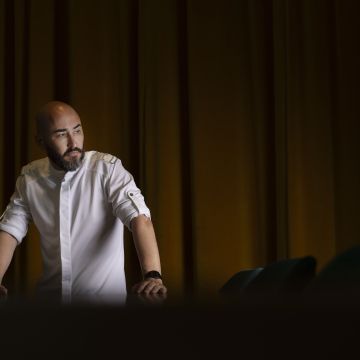
Before thinking about Barcelona, however, there was Paris. It was there that Kike Casarrubias arrived in 2006, at just nineteen years old, determined to learn from the great names of French gastronomy. After working in the kitchens of some of the country's most prestigious restaurants, in 2018 he opened his own restaurant. But the beginnings were not always easy, and it was then that his partner, Mon Estrada, decided to join the project. Together they consolidated Oxte, until the restaurant gradually began to fill up.
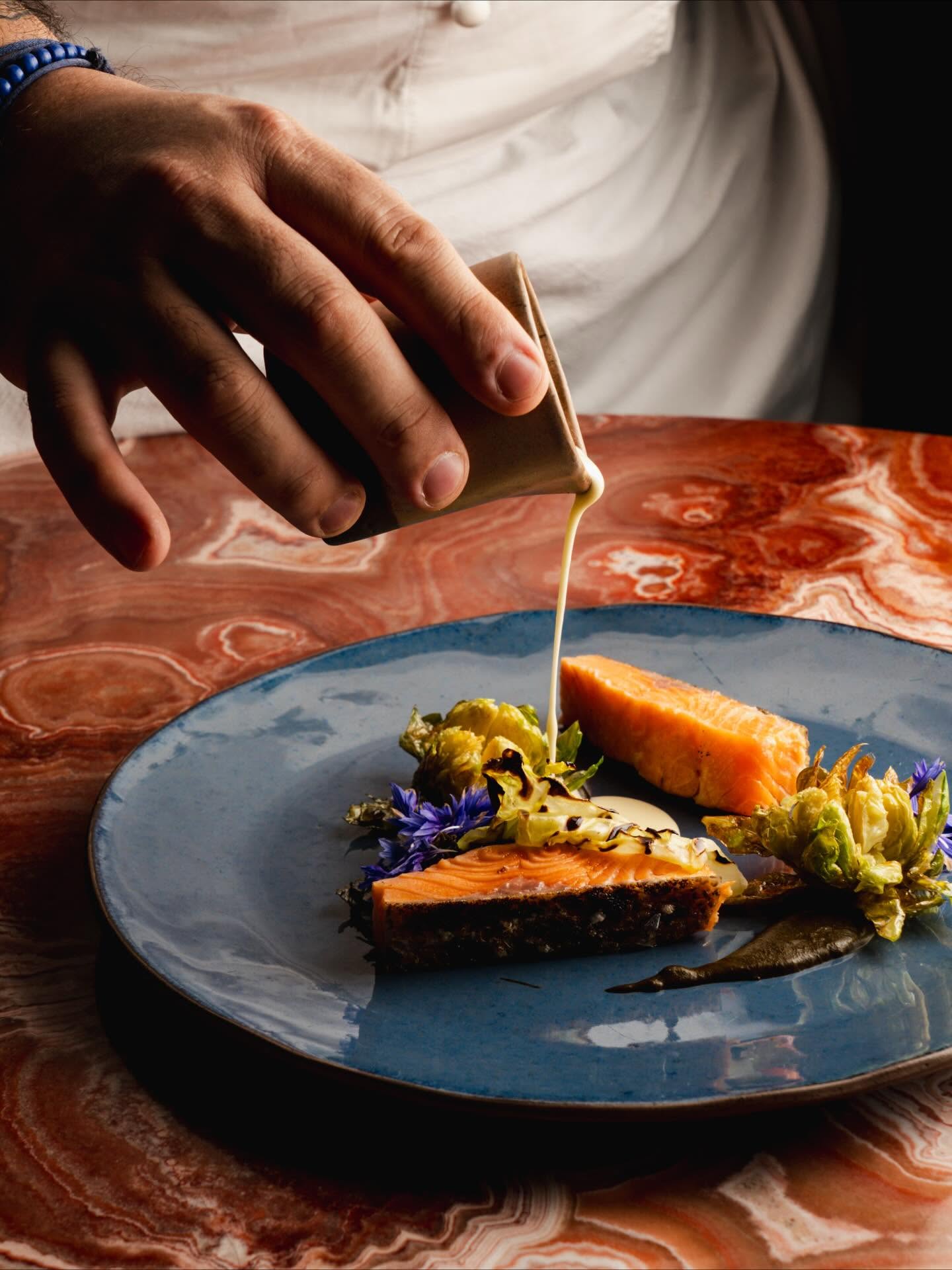
They did so with a cuisine they define as "cuisine of memories" and with a name that is also a tribute to their roots: Oxte refers to the towns of origin of Casarrubias' parents, Oxtotitlán and Tenango del Valle. Thus, the proposal starts from the flavors of their childhood and the Mexican cuisine with which they grew up, but also incorporates the techniques that both learned during their training in France. A combination they reject the label of fusion cuisine: it is, simply, their way of understanding cuisine.
But, at the same time, they also do not want to reproduce the most stereotypical image of Mexican gastronomy. "Many diners still think that Mexican cuisine is just tacos or spicy. I am the son of taqueros and I love tacos, but gastronomy is much broader," argues Casarrubias. "It is also corn, chilies, or even vanilla, which, although not always thought of, is native to Mexico," adds the chef.
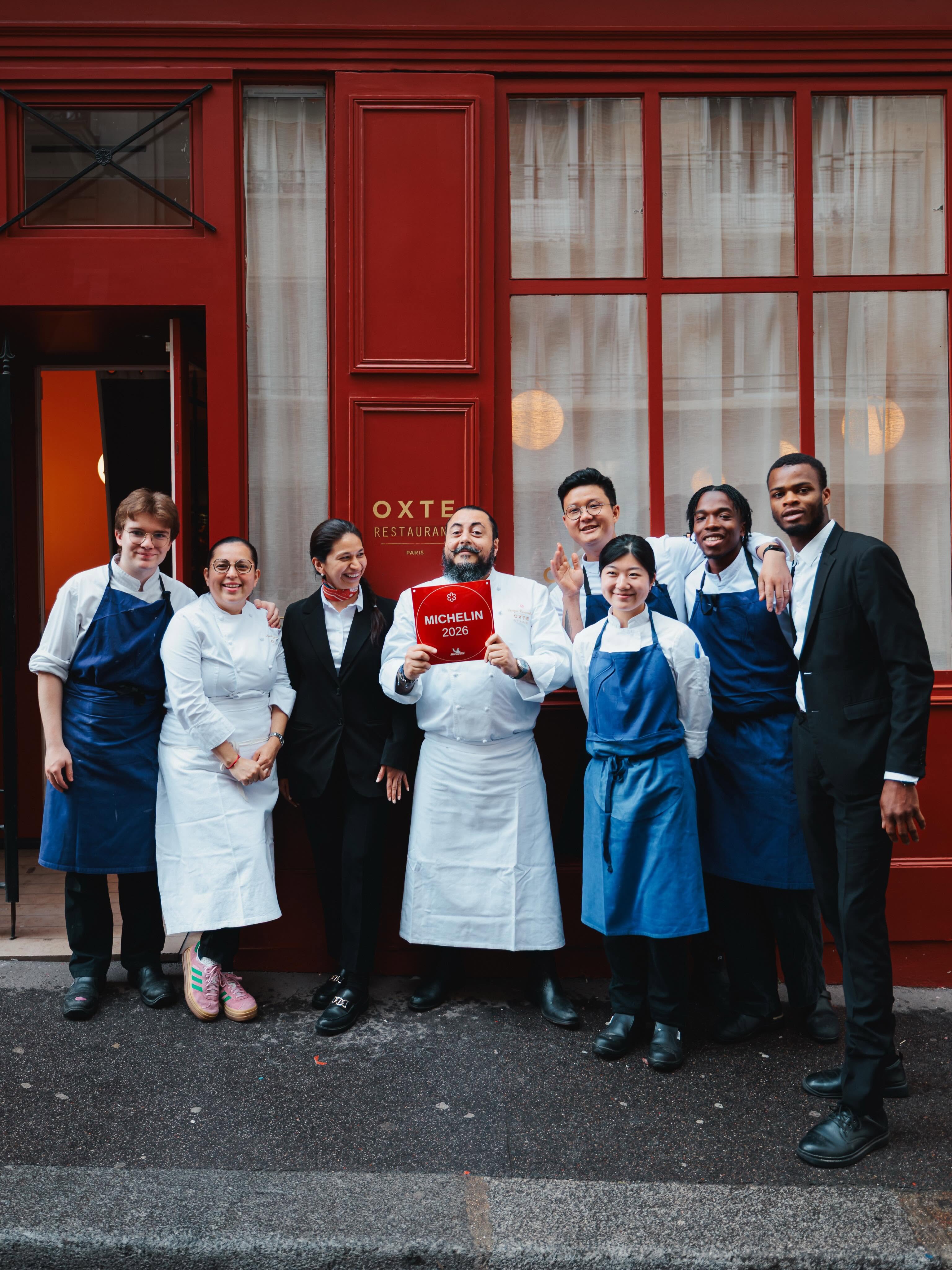
With this philosophy, three years after its opening, Oxte became the only Mexican restaurant in France distinguished with a Michelin star. A recognition that, they insist, they had never pursued. "When we opened, we weren't thinking about the star. The most important thing was to offer honest cuisine: if recognition came later, it would obviously be welcome," Casarrubias recalls. In Barcelona, they assure, they start from the same premise: Papalote is not born with the aim of earning another Michelin star, but of building its own project.
In fact, far from repeating the formula that has already worked for them, the two chefs are committed to starting a new project, to a certain extent a sibling project, but one that complements Oxte. "Like two fingers of a hand, different but linked. Like two projects with different shells, but the same essence and soul. Without one, the other would not be understood," Casarrubias defines them. The chosen name, Papalote, reflects this new stage. In Nahuatl, an indigenous language of Mexico, the word refers to both the agave —the plant with which they will make the mezcal they will serve in the restaurant— and a butterfly or a kite. Three different meanings that share the same idea of movement and transformation, closely linked to the way the two chefs understand this new project.
Cuisine designed for Barcelona
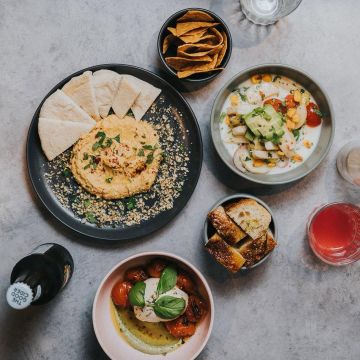
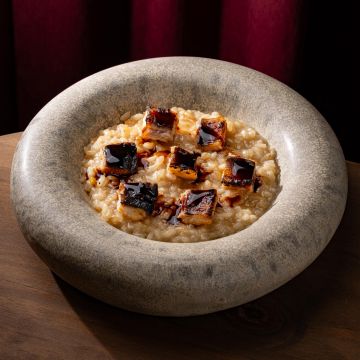
This new chapter will also be reflected in the cuisine. Although Papalote shares the essence of Oxte, it does not want to be a copy: the proposal will adapt to the city where it is opening and will incorporate Barcelona as another part of the project. Thus, the menu will combine Mexican techniques and flavors with ingredients from Mediterranean cuisine, from a ceviche made with Huelva white shrimp to piparras, Santa Pau beans or a pil-pil reinterpreted with jalapeño.
In addition to incorporating local ingredients, Papalote will also represent a change from Oxte in terms of the format of the restaurant. If the Parisian restaurant has only nine tables and offers a tasting menu —between 135 and 195 euros—, the new space in Barcelona will bring together three different experiences: an informal cocktail bar, a room with large tables where they will serve an à la carte menu —with a wide variety of dishes, many of them designed for sharing—, and a small gastronomic space with a tasting menu, a direct heir to Oxte.
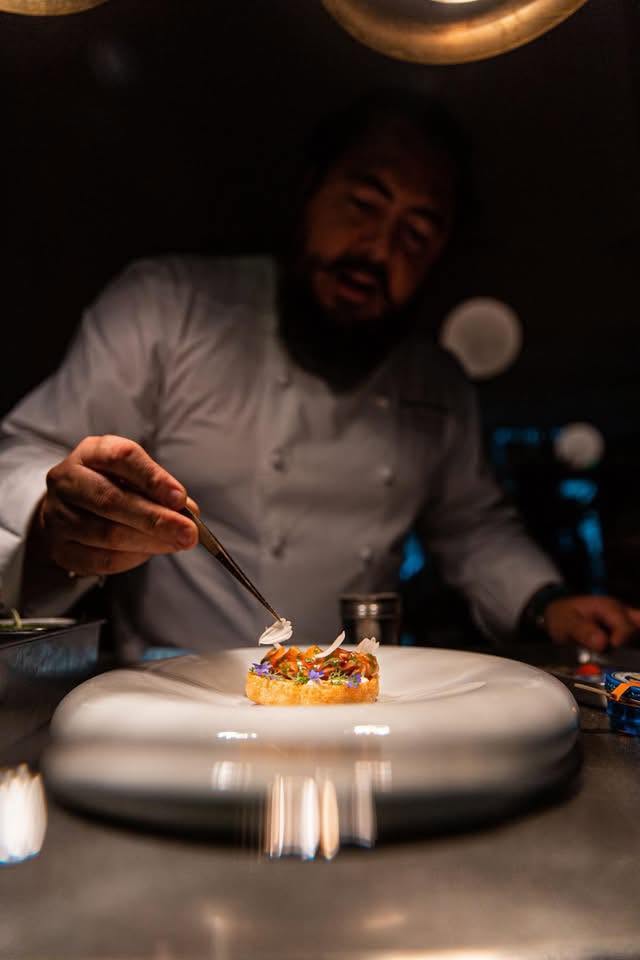
"In Spain, as in Mexico, we like to share. Putting dishes in the middle of the table and extending the after-dinner conversation is part of the culture," defends Casarrubias. For this reason, Papalote will also be designed to accommodate larger groups and offer à la carte dishes. "We want people to feel at home, to come and live a whole experience and not just to have dinner," adds Estrada.
And Barcelona could be just the beginning of this new concept. Casarrubias imagines Papalote as "a butterfly that must continue flying": a project with a with ambitions to grow, reach new places and continue evolving without losing sight of its origins.
Add The New Barcelona Post as your preferred Google source for free
Stay informed with the latest news.