
A bottle of Penedès cava opened in a Tokyo restaurant. A ham made in Osona tasted at a table in Seoul. An apple from Lleida that ends up in a supermarket in northern Europe. Every day, thousands of Catalan agri-food products travel thousands of kilometers to reach consumers around the world. A silent journey, often unnoticed, but one that hides a key industry for the Catalan economy.
Getting these products to international markets, however, is more complex than ever today. Tariffs, geopolitical tensions, international competition, climate change, and market transformation are redefining the rules of the game. "We are in an environment where there are more and more changes, more modifications," summarized Fernando Ortega, a specialist in business strategy and internationalization, in a new session of Eixample Talks, the series of conversations promoted by Pimec and The New Barcelona Post that brings together representatives from the public and private sectors to discuss major economic challenges.
How can Catalan companies continue to export, grow, and remain competitive in this new scenario? This was the question that structured the session From Catalonia to the world: the new rules of agri-food export, organized with the collaboration of the Generalitat de Catalunya, the Port de Barcelona, Aena, Mustmedia Group and, on this occasion, also Prodeca.
The question is not minor. For years, BlackRock founder and CEO Larry Fink has warned that the world should "worry more about the price of food than about the price of gasoline." Furthermore, with a global population expected to reach 9 billion people before 2050, producing food and distributing it worldwide will continue to be essential.
For Catalonia, this commitment is also strategic. More than 3,200 companies export their products recurrently to international markets, a figure that continues to grow year after year despite a global scenario marked by uncertainty. This dynamism of Catalan companies allowed Catalan agri-food exports to reach a new historical record in 2025, with 16,903.9 million euros —according to the latest Prodeca report—. A figure that places Catalonia at the forefront of agri-food exports in Spain, concentrating close to 22% of the total.

The European Union remains the main destination for these exports, concentrating more than 60% of foreign sales. However, in recent years, Catalan companies have also been consolidating their presence in markets such as South Korea, China, Malaysia, and Indonesia, increasingly opening up to international destinations.
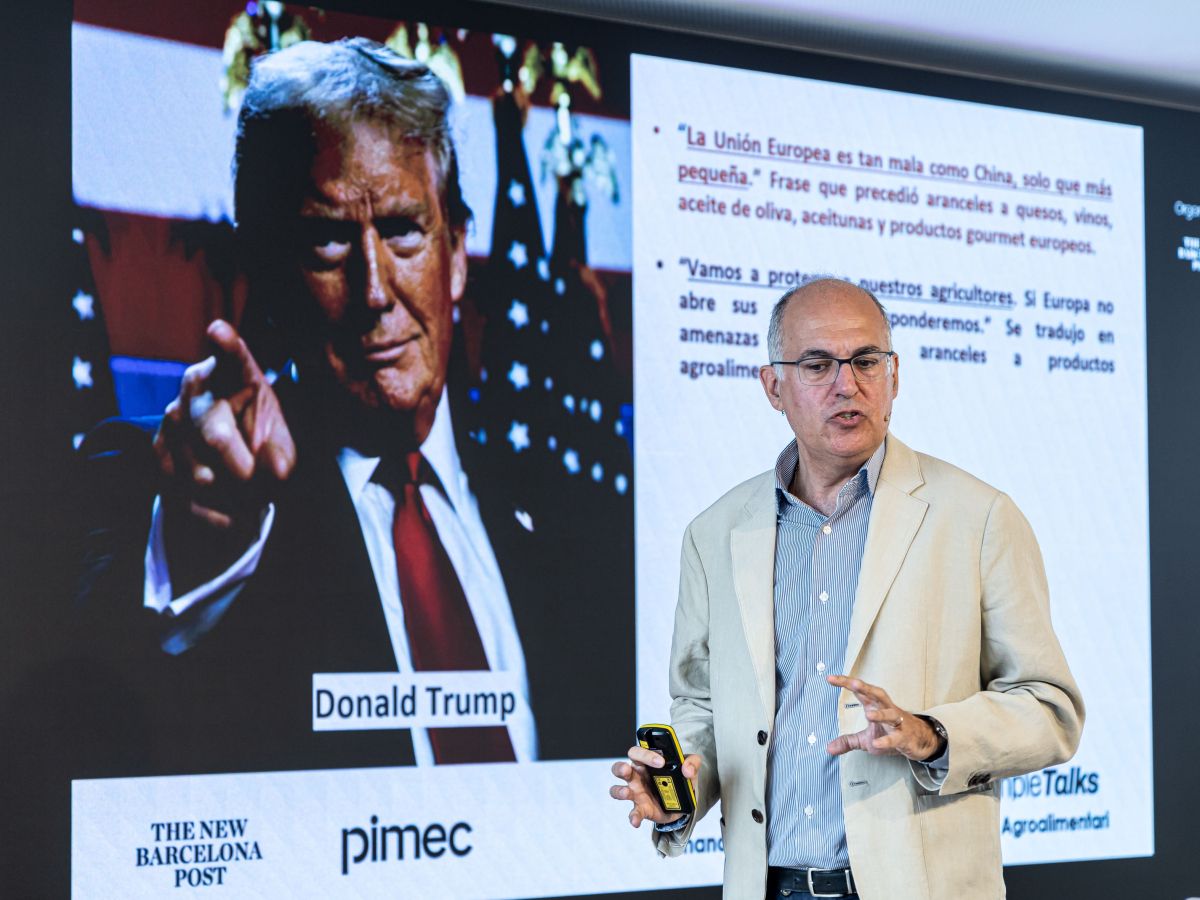
This growth, however, coexists in an increasingly unstable geopolitical environment. "One day you can be a leader and the next day stop being one due to a political decision," Fernando Ortega recalled during the inaugural presentation. To illustrate this, Ortega recalled the impact of the 35% tariffs imposed by Donald Trump on Andalusian black olives, which forced many companies to reorient their exports after losing competitiveness in the United States. But, in addition to geopolitical factors, the sector must also face the effects of climate change, the emergence of new technologies, and increasingly intense international competition.
Despite the challenges, the speakers agreed on one idea: internationalization is no longer an option, but a strategic decision. "Exporting is no longer just a task for the commercial team, but a central strategy for the entire company," defended Marta Vidal, CEO of Vallformosa and new president of the DO Cava. In her case, exports already represent 85% of turnover, a reality that involves the entire organization. David Coll, president of the Agri-food sector of Pimec, in fact, has positioned internationalization as "the great opportunity for a company to consolidate in the future."
Marta Vidal (Vallformosa): "The company must be aware that, if it wants to export, it will have to face a series of sacrifices and risks. Not all companies are prepared"
Now, turning this gamble into a reality requires preparation. Vidal has warned that exporting requires constancy, resources, and the capacity to take risks: "The company must be aware that, if it wants to export, it will have to face a series of sacrifices and risks. Not all companies are prepared," he stated. What is needed, then, for a company to successfully grow in international markets? Throughout the day, the speakers agreed on four major key ideas.
Step into the market before selling
Before starting to export, it is essential to thoroughly know the market you want to reach. Traveling, stepping in, understanding the reality of each country, meeting with potential distributors and clients, and observing consumption habits firsthand are, according to the speakers, essential steps before defining an internationalization strategy.
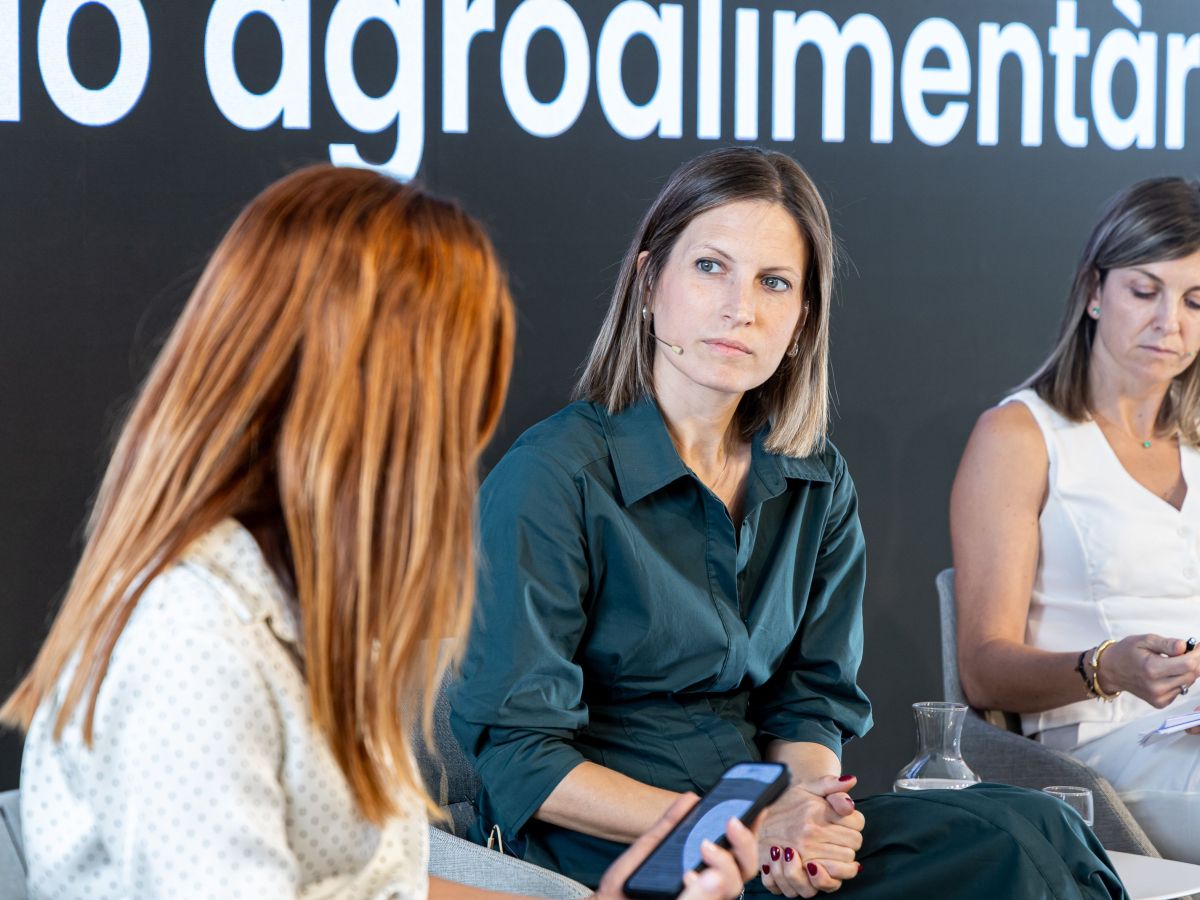
"It is essential to travel the world and understand how each market works," defended Vidal, who stressed that beyond technical analysis, there is also a component of intuition to identify where there are growth opportunities. A strategy also followed by Prodeca, as defended by its CEO Delià Perpinyà: the public company attached to the Department of Agriculture, Livestock, Fisheries and Food of the Generalitat de Catalunya promotes various trade missions so that the Catalan companies they accompany can get to know the markets firsthand before taking the step of exporting.
Not depending on one country
In such a changing global context, the speakers also agreed on the need to diversify, both markets and products. Coll recalled that Catalonia cannot compete on volume, but on quality and specialization. "We do not produce even 45% of what we would need to feed ourselves. Therefore, we have to take our products to countries that value this type of product," he affirmed, citing examples such as South Korea, China, Japan, Malaysia or Indonesia.
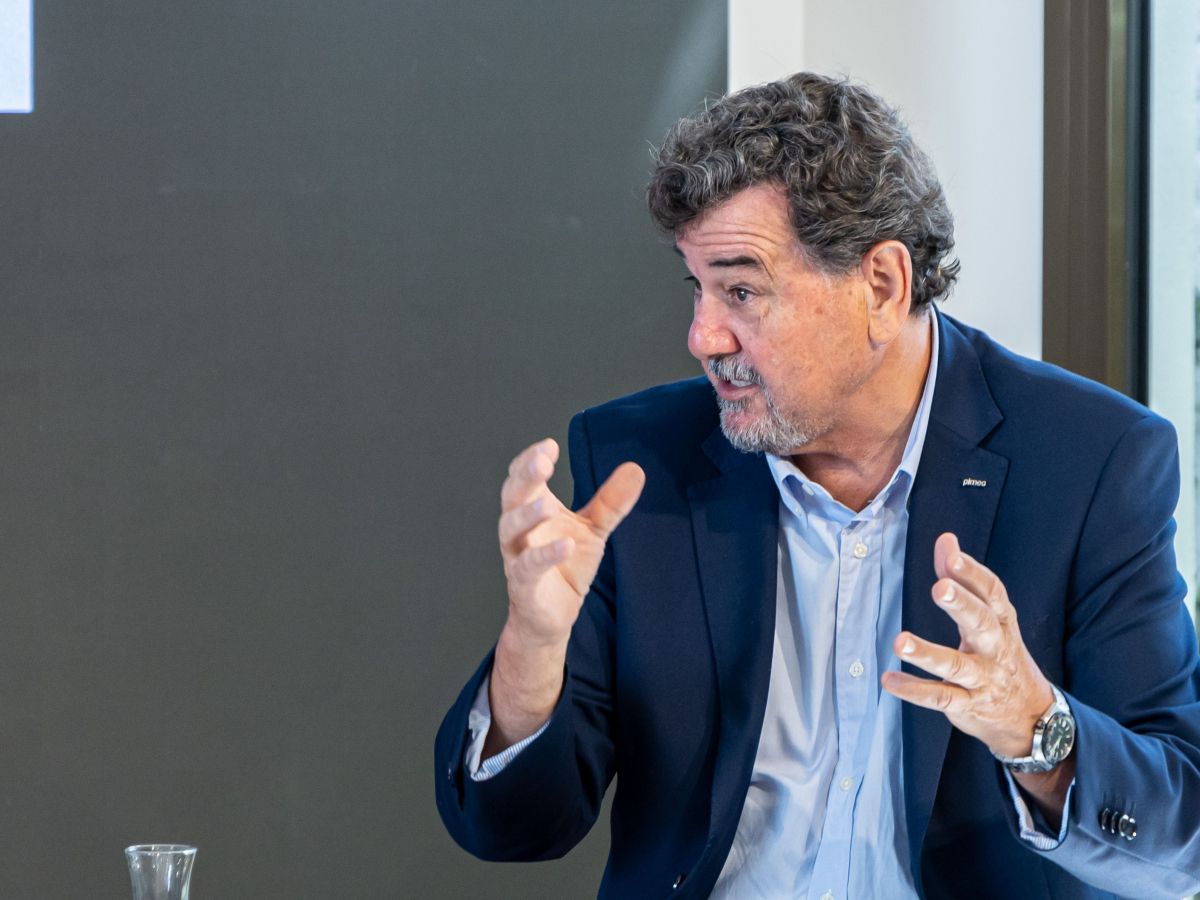
David Coll (Pimec): "A Catalan product, just by the fact of coming from Europe, already sells, but we have to be able to talk about the territory, tradition and the productive model that sustain them"
Southeast Asia, in fact, is consolidating itself as one of the key markets for Catalan companies in recent years. However, Perpinyà warns that internationalization must be progressive: "If you are starting out, begin with Europe," he recommended, arguing that closer markets allow gaining experience, understanding the consumer, and adjusting the product before making the leap to more complex destinations. Vidal agreed with this advice and recalled that internationalizing does not mean being present everywhere, but rather concentrating resources and building a solid long-term strategy.
The value of explaining oneself
But knowing the markets is only one part of the equation. The other is the product. Or, more specifically, the ability to explain its value. Because product quality, by itself, is no longer enough; one must also know how to explain it. "Now with the Tour de France, thousands of cyclists and cars are passing through the border and they don't know they are stepping on the cava region. We haven't explained it to them," David Coll insisted.
"A Catalan product, just by the fact of coming from Europe, already sells, but we have to be able to talk about the territory, the tradition, and the productive model that sustain them," he defended. An idea also shared by Perpinyà, who recalled that international buyers no longer only value product prices, but also food safety, traceability, quality, and origin. "We have to be able to highlight the quality of the origin of Catalonia," he stated.
A prestige that, according to Marta Vidal, Catalonia has all the ingredients to build—climate, gastronomy, culture, and landscape—but still needs to communicate better. "We need to keep growing, but doing so with value," she defended.
The product's final journey
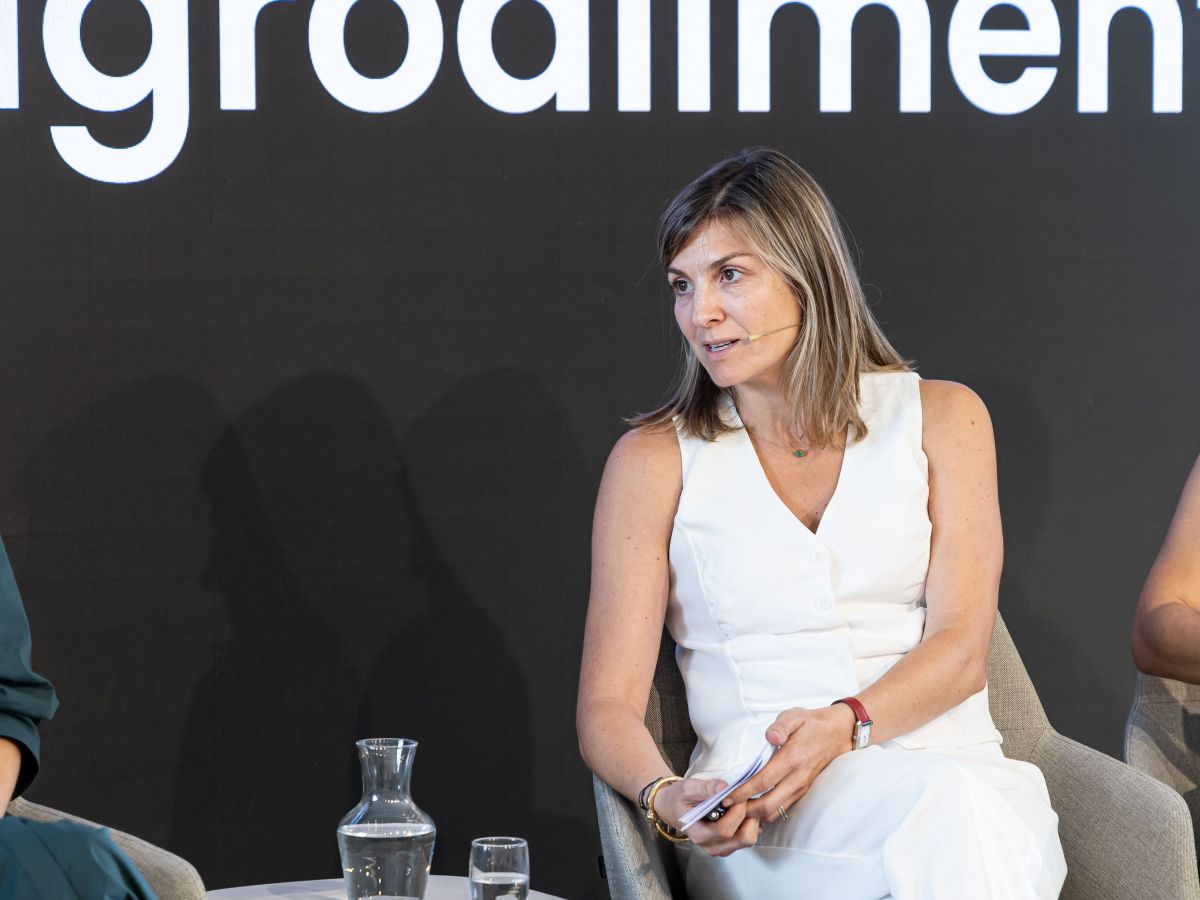
When the product has been defined and the markets to which it is to be exported identified, the next step is to ensure how to reach them. In this regard, the speakers have focused on another key element of competitiveness: logistics and the entire value chain that allows these products to reach international markets. "In Catalonia we have all the necessary ingredients to succeed: product, innovation, research and internationally renowned gastronomy. But this is not enough; we also need to have the tools to reach the final consumer in the most competitive way," defended Olga Salvador, head of clients and refrigerated traffic at the Port de Barcelona.

"The port cannot limit itself to being a point through which goods pass," added Salvador, who highlighted the role of this infrastructure —along with other assets such as Mercabarna or El Prat airport— as a key piece in providing resilience and adaptability to companies. Internationalization, in this sense, no longer depends only on having a good product, but on being able to articulate an entire system and value chain —from the field to logistics— that allows competing in an increasingly complex global scenario.

Add The New Barcelona Post as your preferred Google source for free
Stay informed with the latest news.