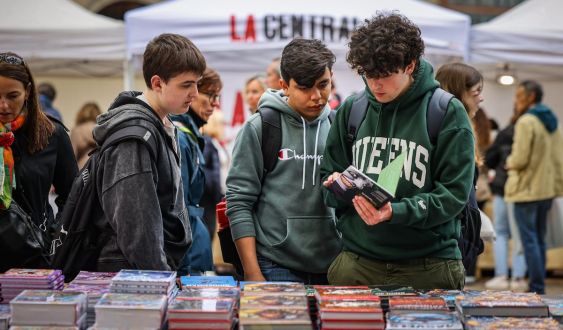
The data, in fact, disproves the cliché: the new generations have not only not stopped reading, but they read more than previous ones. In Catalonia, the percentage of readers over 14 years old grows year after year: 73.9% of the Catalan population has read at least one book per quarter, according to the Reading Habits and Book Purchase report; when less than ten years ago, in 2016, this figure was ten points lower (67.8%). And the group that reads the most is, precisely, those aged 14 to 24 (76.1%), followed by adults aged 55 to 64 (75.9%).
This trend places young Catalans almost as a European exception. While the publishing market loses strength in countries like France, Italy or the United Kingdom, in Spain, Portugal and Latin America the industry reaches record figures in both number of readers and turnover. In the first half of 2025 alone, the sector invoiced 586 million euros in sales, according to GfK (NielsenIQ). A phenomenon that, in the publishing market, is already known as "the Iberian exceptionality."
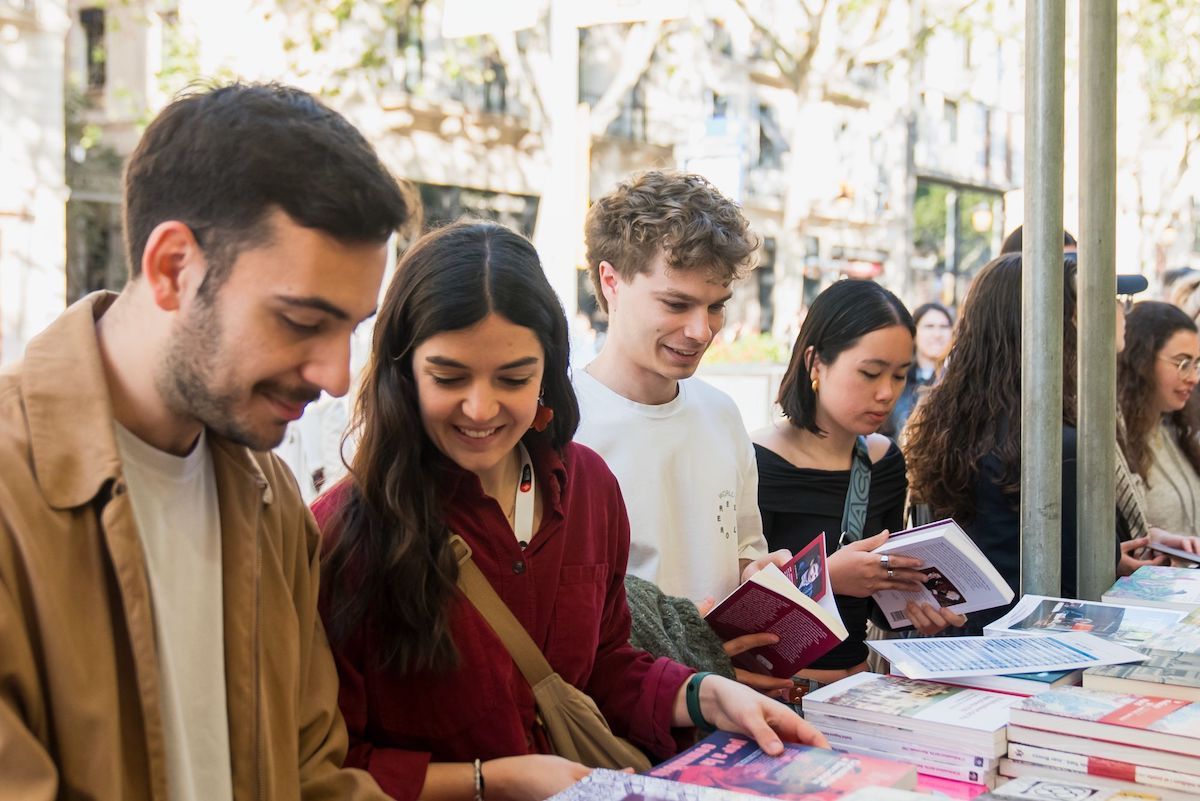
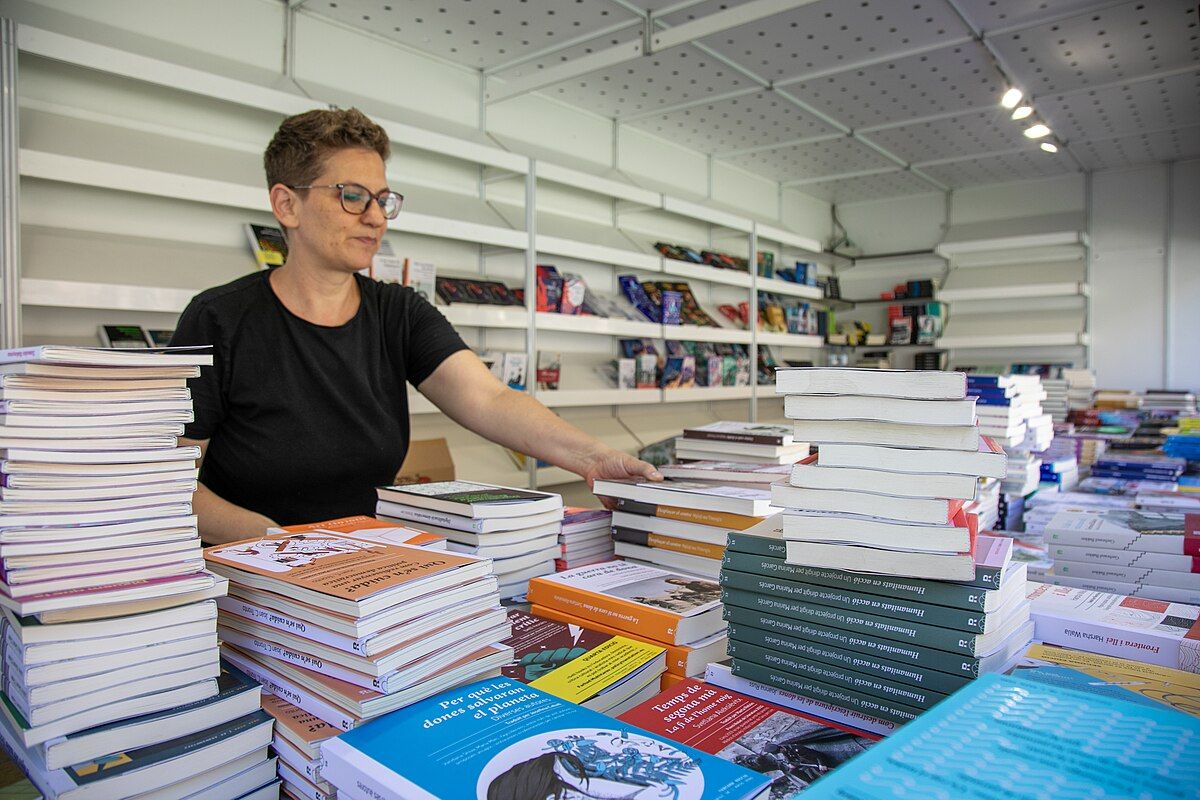
"In comparison with the rest of Europe, the case of Spain and especially that of Catalonia is very significant," acknowledges Eva Güell, professor of Publishing at the Universitat Oberta de Catalunya (UOC) and the University of Alcalá, and an editorial consultant specialized in digital strategy. But what explains this exceptionality? On the one hand,"the good health of the public library network, but also of bookstores,that not only have not disappeared as was predicted a few years ago, but have been reinforced as essential agents for reading promotion."Güell also points out another key factor: the explosion of young adult literature, especially driven by the romantasy genre (which combines fantasy and romance novel) and young adult, especially among female readers. In fact, the children's and young adult genre is the one that has grown the most in value during the first half of 2025, with an increase of 9.2%, according to GfK.
Fantasy as a refuge
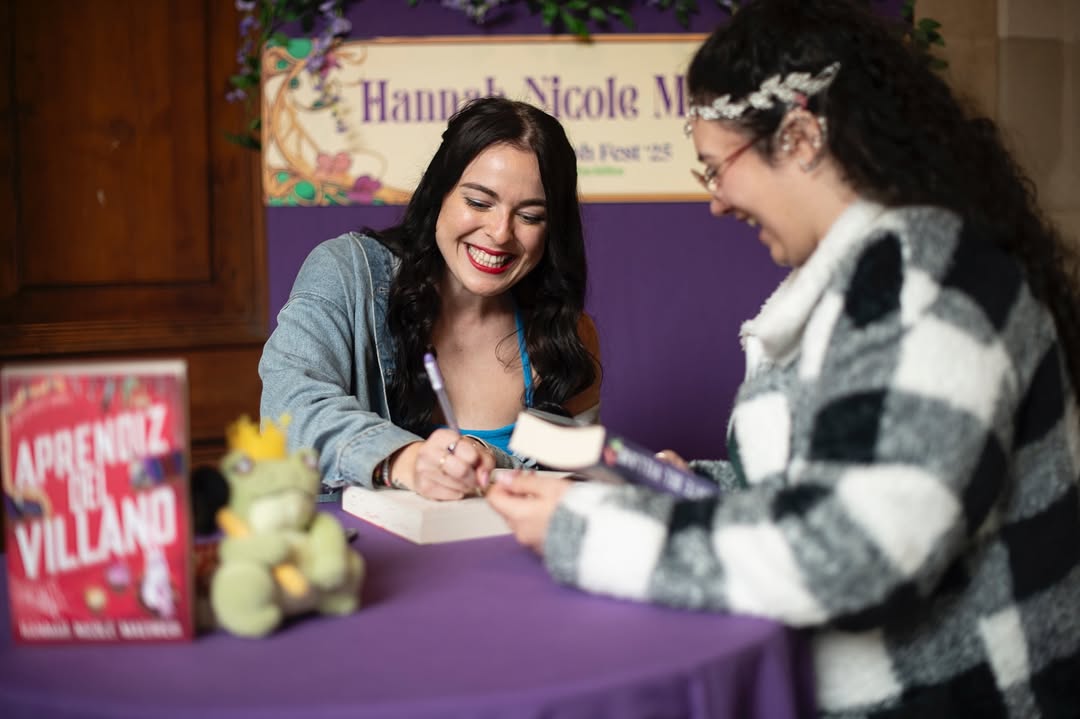
Vampires, dragons, witches, imaginary kingdoms... Romantasy combines the magic of fantasy with the innocence and passion of first love, generating addictive stories that flood social media, sell out in bookstores, and fill festivals and fairs with endless queues. A commercial phenomenon that large publishing groups are taking advantage of, and which also reflects a deeper reality: adolescents and young people were demanding different stories from those that the traditional market was offering them.
This phenomenon began, in fact, outside the publishing industry —but now it has been absorbed and boosted by the sector—. Many of the authors who today move masses, such as Americans Sarah J. Maas (A Court of Thorns and Roses) or Rebecca Yarros (Fourth Wing), started by self-publishing. Some, moreover, became known through platforms such as Wattpad, where science fiction, romantic stories, and even fanfics (texts generated by fans of a cultural product, such as a series) stand out.
Broaden the view, break prejudices
"We tend to have a very reductionist and simplified view of adolescents. And the same thing happens with novels: it seems that everyone falls in love in the same way or that they only have trivial concerns, when, in reality, they have an inner world as rich as that of adults," says Cristian Olivé (Barcelona, 1987), author of several pedagogy books and the young adult dilogyUnique(Rosa dels Vents). For this reason, in their storiestries to reflect this diversity and these concerns,based on her own experiences but also on what she observes in the classrooms, teaching language and literature in secondary school.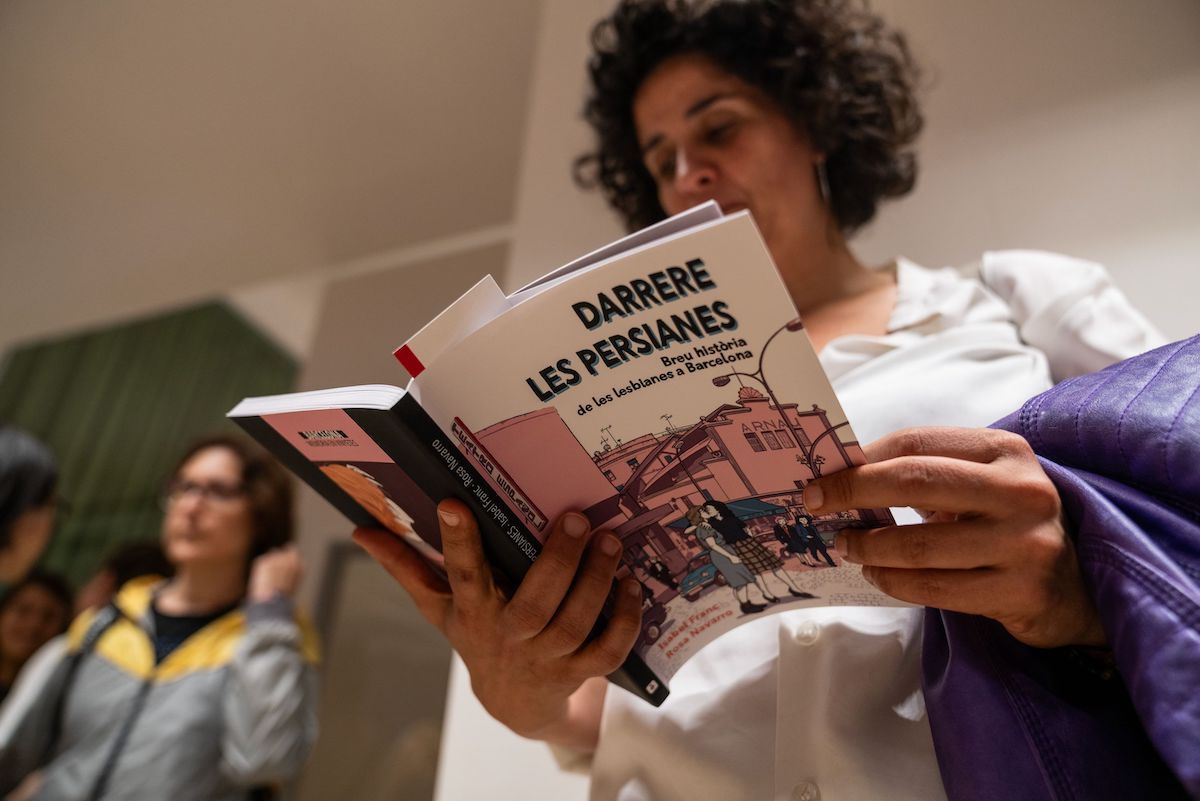
Based on the story of two siblings, seemingly identical but with very different personalities, Olivé explores in Únics everyday but complex themes such as concern for international war conflicts, betrayal, friendship, secrets, or first love. The goal of this saga was also to offer love stories starring gay couples, but "in a very natural way, without making this fact the center of the plot."
"We must break with classifications by gender or age: a literary work does not understand ages, but connection. Young people need and appreciate protagonists who reflect the diversity of their generation," reflects Olivé. Laura Huerga, co-founder of the essay and narrative publishing house Raig Verd, agrees with this argument: "We must offer young people quality content, not just commercial, because only then will they be able to discover a true love for reading, with books that leave a mark, and that are not mere low-quality quick entertainment," argues Huerga.
Comics, a universal language
Another genre that seduces young people and adolescents is comics and illustrated novels. According to the report on Reading Habits and Book Purchases, 37.5% of young people between 14 and 24 years old have read at least one comic in the last quarter.A typology of stories that continues to seduce generation after generation, even if it is an aesthetically analog format. "It's paradoxical how, in a digital world, a black and white format that is read backwards triumphs," emphasizes Óscar Valiente, director of Norma Editorial. Driven above all by Japanese manga, which arrived in Catalonia in the 90s thanks to the successful phenomenon ofDragon Ball, continues to triumph among young people and teenagers thanks to audiovisual productions, in addition to American superheroes or European comics.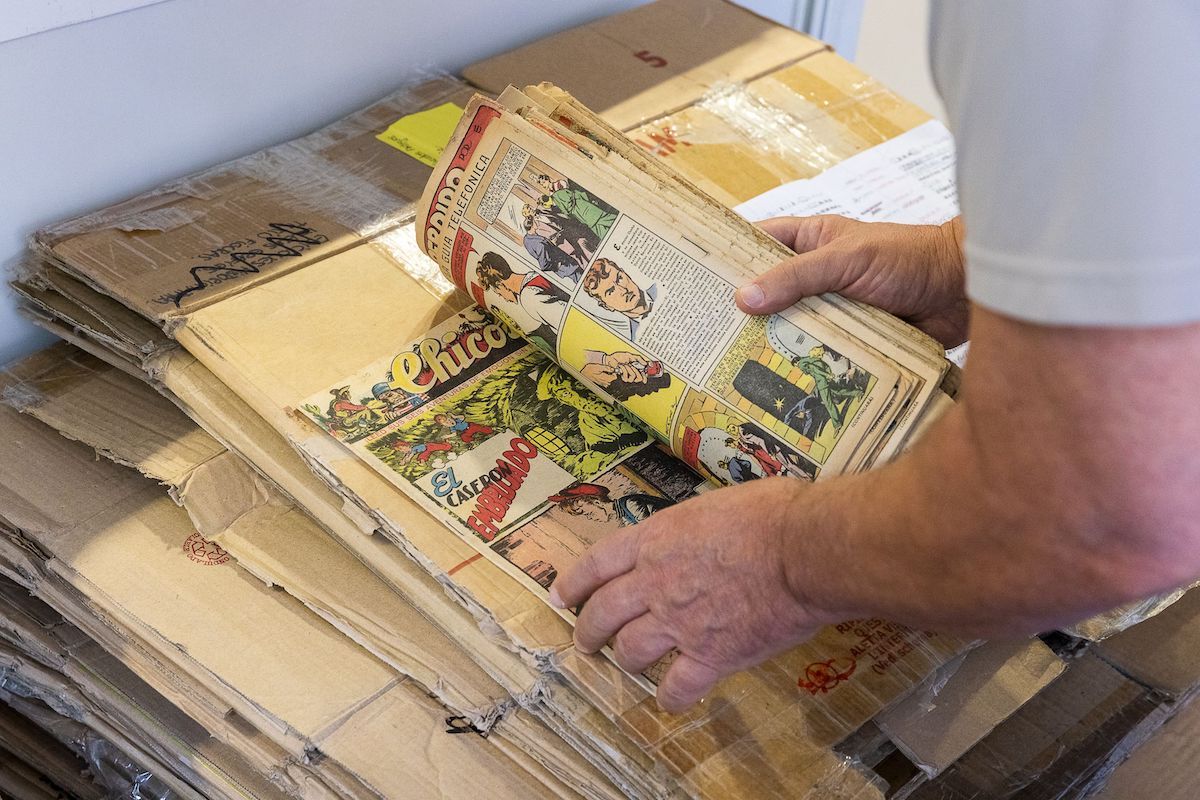
Valiente also highlights the change in mentality on the part of publishers: from being a phenomenon considered almost second-rate or a subculture, to being a massive genre, not only among young people, but also among adults. "From being a type of stories consumed in newsstands, since in bookstores you could only find Astérix and Obélix or Mortadelo and Filemón, to being a genre appreciated by a wide variety of readers," he summarizes.
Connecting physically in the digital age
In the dissemination of this genre, face-to-face salons and events such as Manga Barcelona have also played a key role: "events like this are an entry point for thousands of readers every year,people who perhaps have not yet acquired consolidated reading habits, but who upon visiting the salon begin to be fascinated by this world, in addition to being a point of loyalty and connection for the entire community of faithful readers," defends Puig, a few days before the start of the salon, which will be held from December 5 to 8, with the presence of renowned international authors such as Gou Tanabe, Tsutomu Takahashi or Akemi Takada. But Manga Barcelona is not unique in its kind; the city has events for all tastes and readers: from BCNegra, the Crush Fest (focused on the genreyoung adult), until the 42nd festival, of fantastic genres.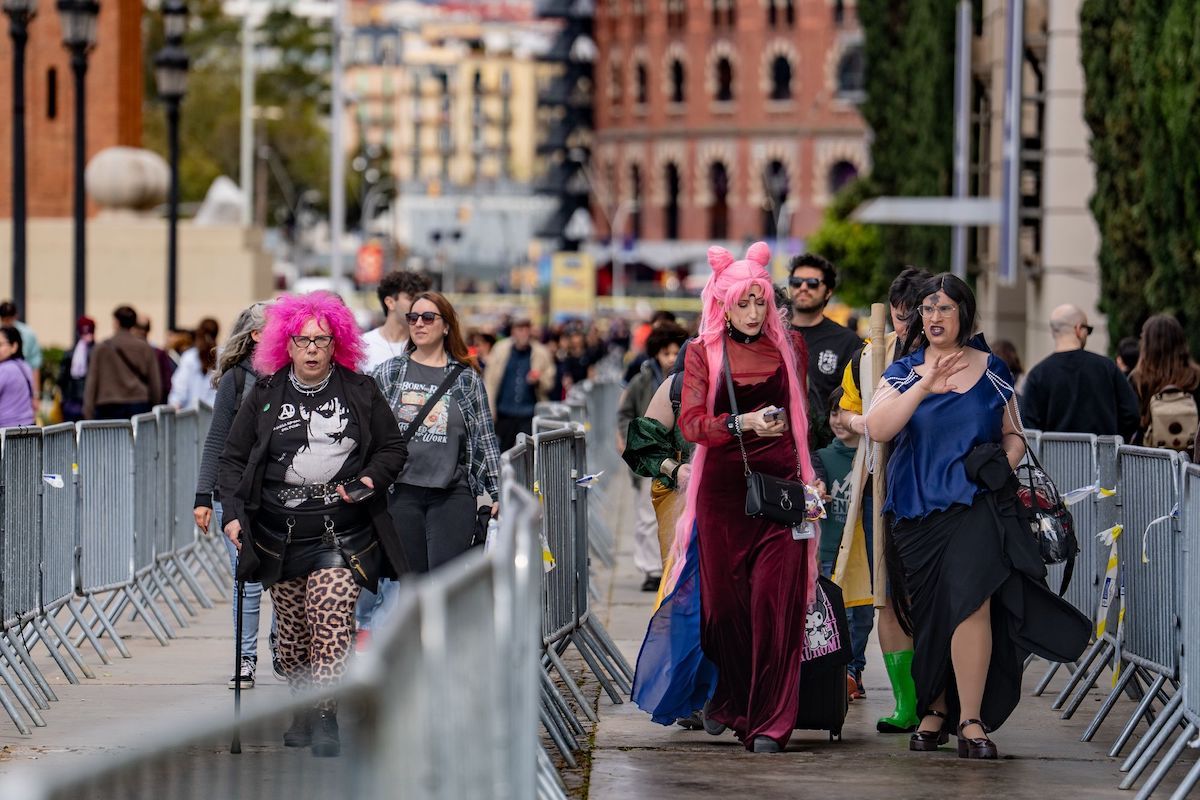

Catalan, the pending subject
With the work of all agents involved in the literary industry —from libraries or bookstores to publishers or authors who address their concerns—, the sector is achieving that a generation usually considered lost is massively mobilized by literature, filling events and book fairs and promoting the purchase of copies, mostly in physical format. However, the current challenge is for these new generations to read in Catalan: only 33.9% of Catalans habitually read in this language(while 63.9% do so in Spanish)."Fortunately, there is a lot of diversity in literature, but that diversity does not always reach Catalan literature"Although the percentage has increased slightly in recent years, Castilian Spanish continues to be the predominant language in reading, especially among young people: only 27.2% of people between 14 and 24 years old and 27% of people between 25 and 34 years old regularly read in Catalan. The Government is now working precisely to reverse these figures through the well-known Pla Nacional del Llibre i la Lectura (National Plan for Books and Reading), which defines the sector's strategy between 2023 and 2030: with the goal that 76% of the population over 14 years old reads a book per quarter, that 65% does so at least once a week, and that 40% regularly reads in Catalan. The idea is to involve the entire sector: from the Department of Culture to that of Education, but also the publishing industry to publish more titles.

"Fortunately, there is a lot of diversity in literature, but that diversity does not always reach Catalan literature," laments author Cristian Olivé. In fact, there are still few translated copies of young adult or romantasy novels —the predominant genre among young people and teenagers—, and although there are increasingly more, there is still a lack of references in Catalan comics. It is mainly the small independent publishers, which predominate in the Catalan market with a wide variety of companies (156 of the 268 Catalan publishers are small businesses that do not exceed 600,000 euros in annual turnover), that work to ensure that international successes can be read in Catalan and that great Catalan authors are translated into various languages.
For Laura Huerga, president of the PEN Català association, Catalan literature is gaining increasing international recognition: "the quality of our culture is exceptional and is attracting the attention of world critics, thanks also to the tireless work of institutions such as the Institut Ramon Llull." This has also been confirmed these days at the Guadalajara International Book Fair (FIL), the major literary event held this week in Guadalajara (Mexico), with Barcelona as the guest city. She assures that publishers from all over the world have shown interest in the represented authors and also in the language in which they write, encouraging them to read excerpts in Catalan at the end of each presentation. On social media, various creators such as Marta Sangrà —who creates content about literature solely in Catalan— also fight to spread the use of this language among young people.

However, Huerga recalls that, for the international prestige of Catalan authors to be consolidated, more translators into Catalan are needed, but also more economic incentives, demanding the approval of the budgets and that Culture reaches the much-desired 2%. In this sense, she considers that proposals such as the Narrar Barcelona residency grants, announced within the framework of the FIL and aimed at Latin American authors, represent a setback in linguistic rights, "especially due to the comparative economic grievance with other aids designed for texts in Catalan," such as the Montserrat Roig grants.
It is with the effort of all these agents involved to offer young people and adolescents quality content that connects with these new generations, that speaks their language —and that also does so in Catalan— that literature will continue to seduce readers generation after generation. With diverse and varied stories that appeal to them and move them, because this generation, which some call "lost," is more than willing to get lost in the magic of books.
Add The New Barcelona Post as your preferred Google source for free
Stay informed with the latest news.
