Just a few years ago, talking about quantum technology seemed like talking about a distant future reserved exclusively for the most advanced physics laboratories. Although today it is still an unknown technology —in part because it explores an invisible scale, that of atoms and subatomic particles—, this microscopic world is opening the door to a new generation of applications with the capacity to transform sectors as essential as health, telecommunications, cybersecurity, or aeronautics.
A technological revolution that also has an important economic dimension: it is estimated that the quantum technology market could reach 215,000 million dollars by 2040. Given the global interest in this technology, Catalonia has been building its own ecosystem in recent years, bringing together leading research centers, pioneering infrastructures, and specialized companies. So much so that the report Quantum technologies in Catalonia, prepared by Acció, precisely describes this moment as a stage of "quantum effervescence" to illustrate the period of acceleration that the sector is experiencing at a Catalan level.
The figures support this Catalan effervescence: the ecosystem already has 52 companies linked to the sector, generating 91.4 million euros in turnover and nearly 470 jobs, after having incorporated 30 new companies since 2019.
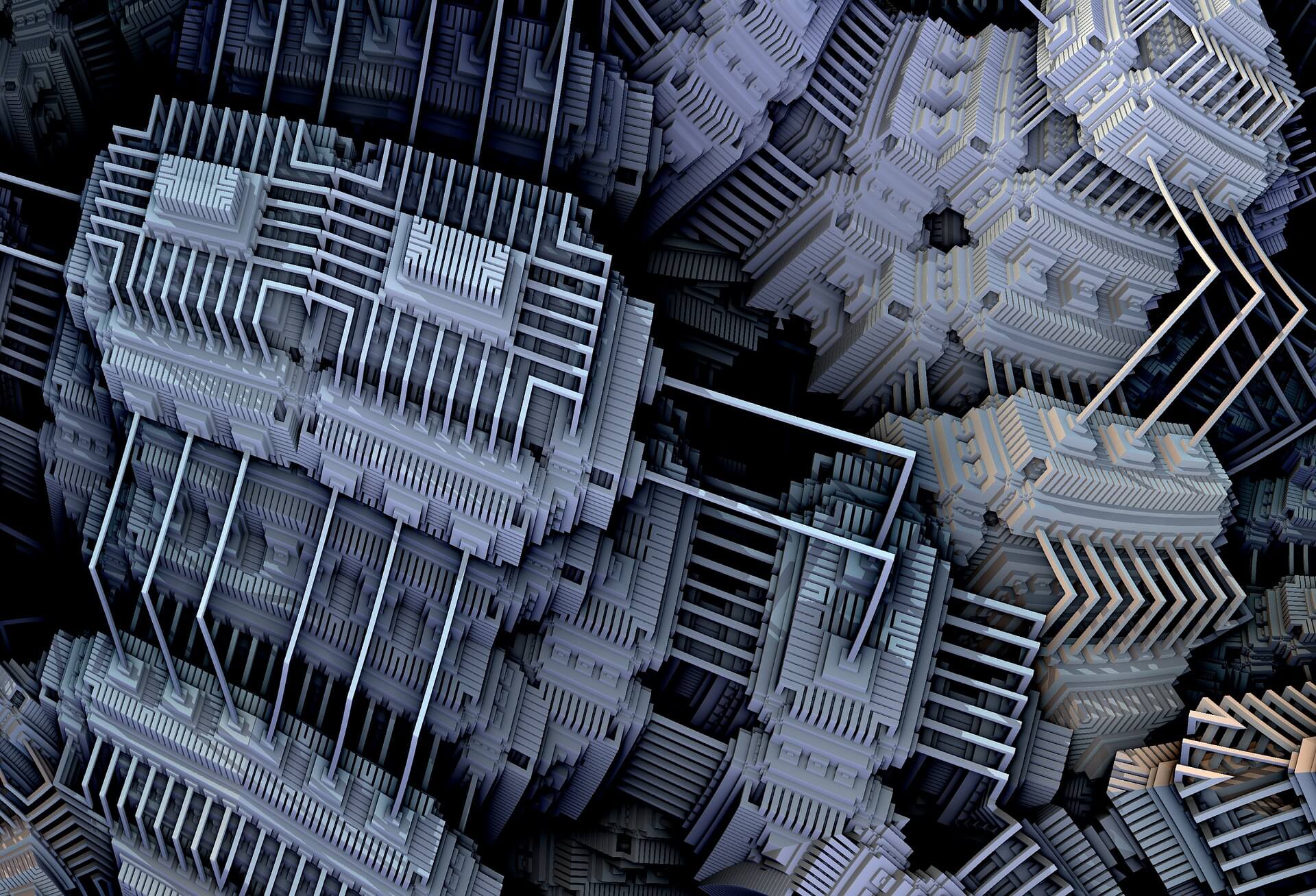
Behind this effervescence is a technology still difficult to see and understand, but with enormous transformative potential. Quantum technologies harness the properties of quantum mechanics, the branch of physics that studies the behavior of matter at the atomic and subatomic scale. This microscopic reality operates under different rules than the conventional world and allows the development of new tools for processing information, communicating data, or measuring phenomena with millimeter precision.
One of the most well-known applications is quantum computing. While current computers work with bits that can have a value of 0 or 1, quantum computers use qubits. More than a purely technical difference, this new way of processing information can allow solving problems that today exceed the capacity of traditional computers. However, the quantum revolution is not limited to computers; it also includes quantum communications, with applications in cybersecurity, and quantum sensors, with potential in fields such as medicine, navigation, or industry.
A quantum business fabric in full expansion
This wide range of applications is opening the door to the creation of new companies specialized in the development of quantum solutions. A sector still under construction, as highlighted by the data from the report presented by Acció: 17.3% of Catalan companies are startups and 32.7% have less than ten years of activity. But this youth does not prevent a part of the sector from already being consolidated and looking outwards: in fact, 21.2% of Catalan companies are already exporters.
Among the companies that form the Catalan ecosystem, projects such as Qilimanjaro Quantum Tech, which develops computers and software for quantum computing; Quside, specialized in quantum randomness generation for applications such as cybersecurity; and LuxQuanta, which works on quantum communication systems to ensure more secure transmissions, stand out. A new international player will soon join this ecosystem: the British company Oxford Quantum Circuits (OQC), a spin-off of the University of Oxford, has chosen Barcelona to install the largest quantum computing hub in all of Europe. The project foresees an investment of 92 million euros and the creation of more than 210 qualified jobs in the next five years.

In fact, the Catalan capital and its metropolitan area concentrate most of the quantum companies: Barcelonès groups 38 of the 52 companies in the sector, 73% of the total. Within the region, the Catalan capital leads the map with 34 companies, followed by municipalities such as Castelldefels, l'Hospitalet de Llobregat, or Cerdanyola del Vallès.
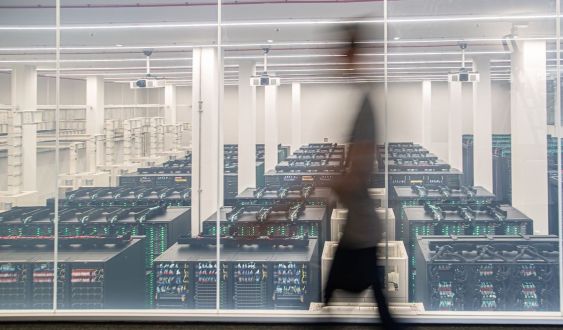
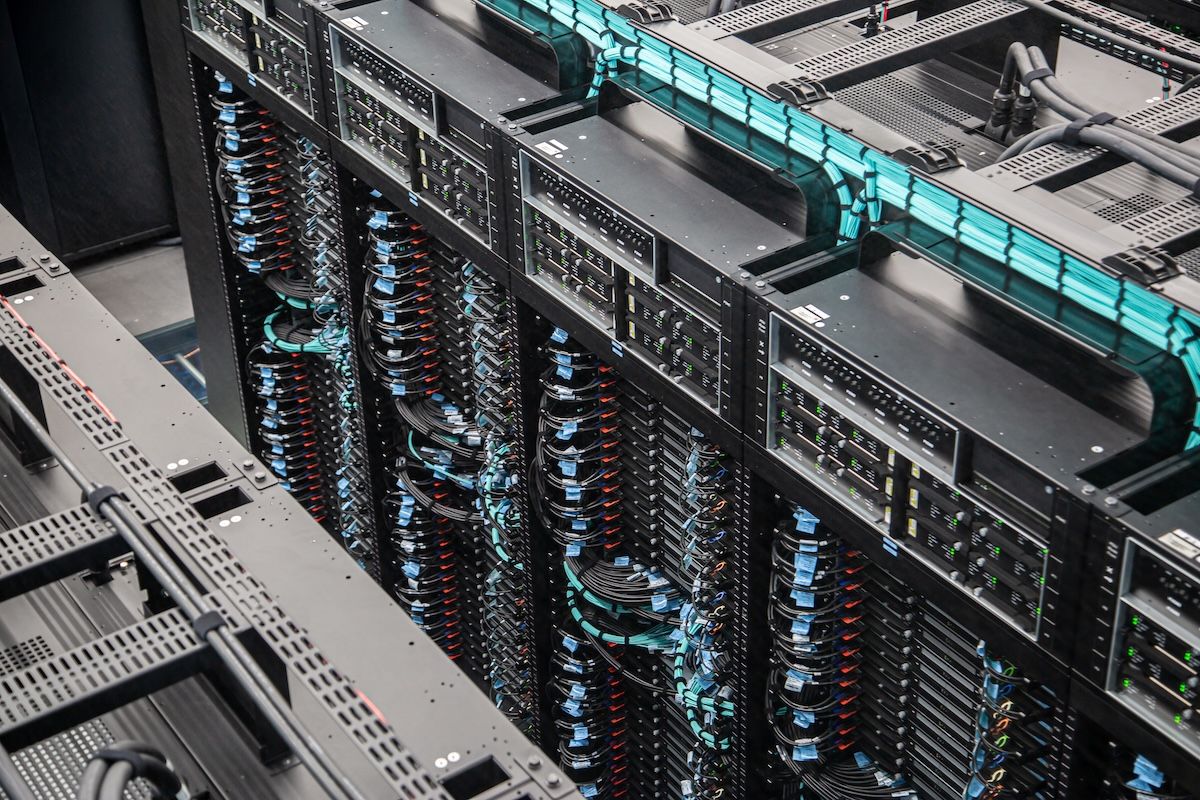
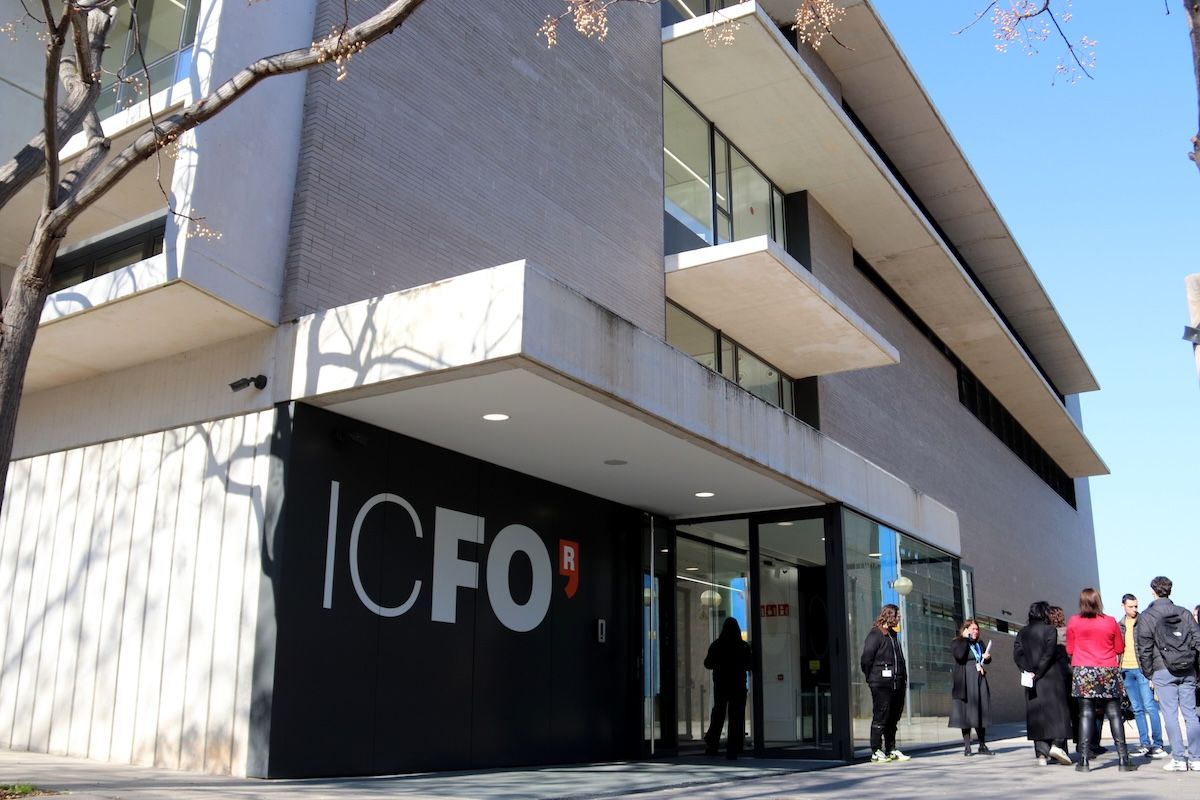
But for a technology like quantum to go from research to market, infrastructures capable of developing and testing it are needed. The Acció report points out that this is one of Catalonia's strengths, which has research centers and advanced equipment that help generate knowledge and attract talent, from the Institute of Photonic Sciences (ICFO), to the Catalan Institute of Nanoscience and Nanotechnology. One of the main examples of these infrastructures is the Barcelona Supercomputing Center (BSC-CNS), which houses one of the six European quantum supercomputers and the first quantum computer of the Quantum Spain project.
Catalonia's research capacity, however, is not limited to a single infrastructure. Various centers and teams in the territory participate in European projects linked to quantum technologies. In fact, between 2022 and the first quarter of 2026, Catalonia has concentrated 44.6% of the state funding allocated to initiatives with a quantum component within Horizon Europe. In total, 53 projects that have mobilized close to 41 million euros.
The great challenge, however, remains for this knowledge to leave the laboratories and translate into real applications and businesses. A process that Catalonia has already begun to promote with initiatives such as QuantumCAT, the Catalan hub of quantum technologies, and with a growing ecosystem of companies working to convert research into market-applicable solutions.
Add The New Barcelona Post as your preferred Google source for free
Stay informed with the latest news.