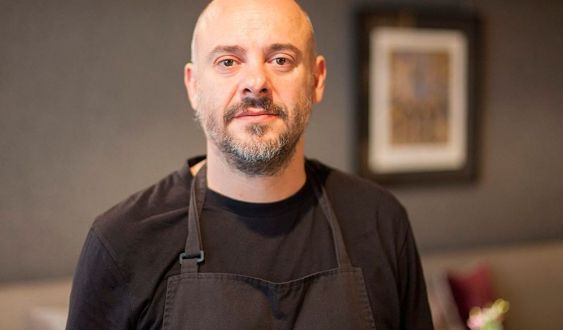
It will do so in a unique space: a renovated Llotja de Pescadors that, in recent years, has opened up to the public to become an authentic window to this coastline almost forgotten by the city. Today, fewer than twenty boats and about 250 fishermen work in Barcelona. With the aim of bringing this traditional trade closer to the citizens —and even inviting them to experience its intensity firsthand, by opening the fish auction to Barcelonians for the first time— the port began, three years ago, an ambitious reform of the Llotja de Pescadors. "A space that citizens must recover and make their own again," defends chef Albert Ventura, who is now outlining the gastronomic offer of this new space.
The project has involved the demolition of the old Llotja and the construction ofa new building signed by the OAB architecture studio, led byCarlos and Lucía Ferrater. A voluminous building of more than 3,200 square meters conceived in three blocks, which has been awarded the Ciutat de Barcelona d'Arquitectura i Urbanisme Prize. Not only for its innovative and sustainable design, based on aluminum panels, but, above all, for the novelty it incorporates:an exterior walkway that allows citizens to observe the daily fish auction that takes place on the lower floor.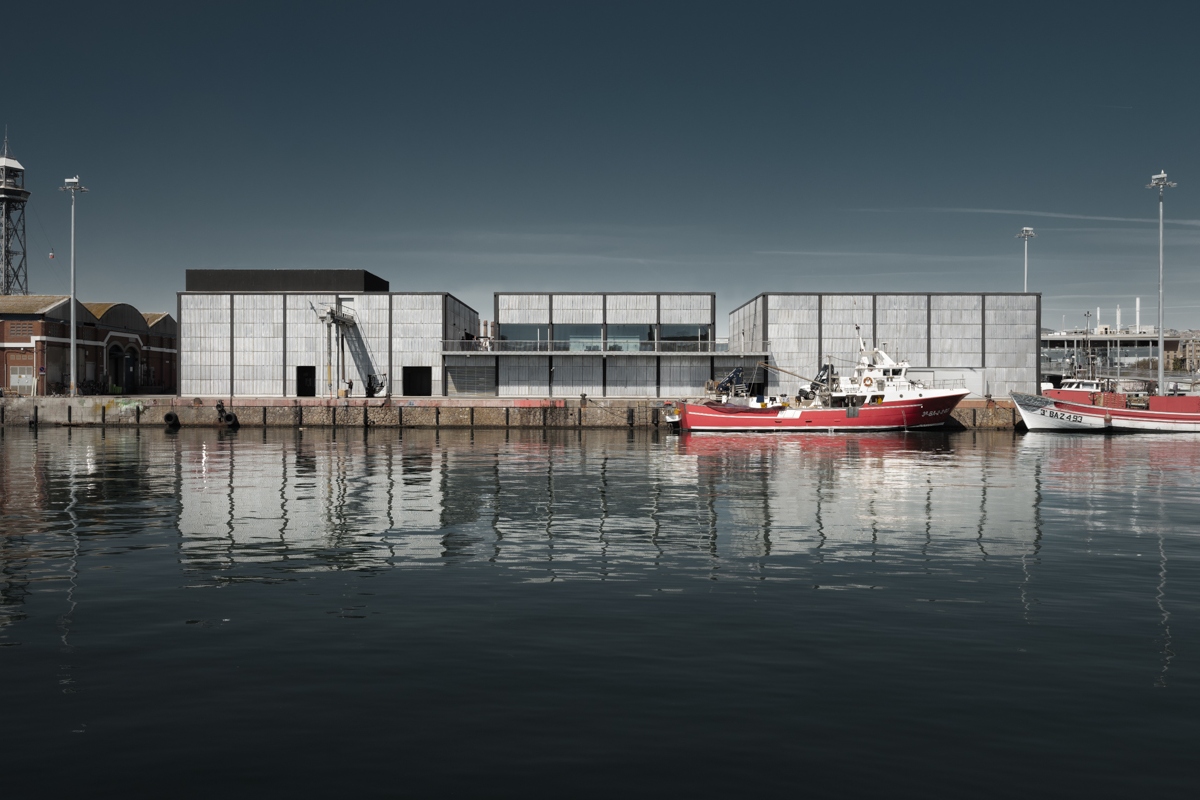
A house from which to reconcile with the sea and delight in its fresh products, which must be promoted and valued, as Ventura defends, who recognizes fish as one of his star ingredients. He affirms this after a career of more than two decades in the kitchen, either as owner and chef or as a gastronomic advisor for various establishments. A career during which he has always shied away from large sophisticated restaurants, arguing that the best breeding grounds are "small kitchens, with personality and product," Ventura acknowledges, who has also never wanted to enter "the game of Michelin Stars or tasting menus."
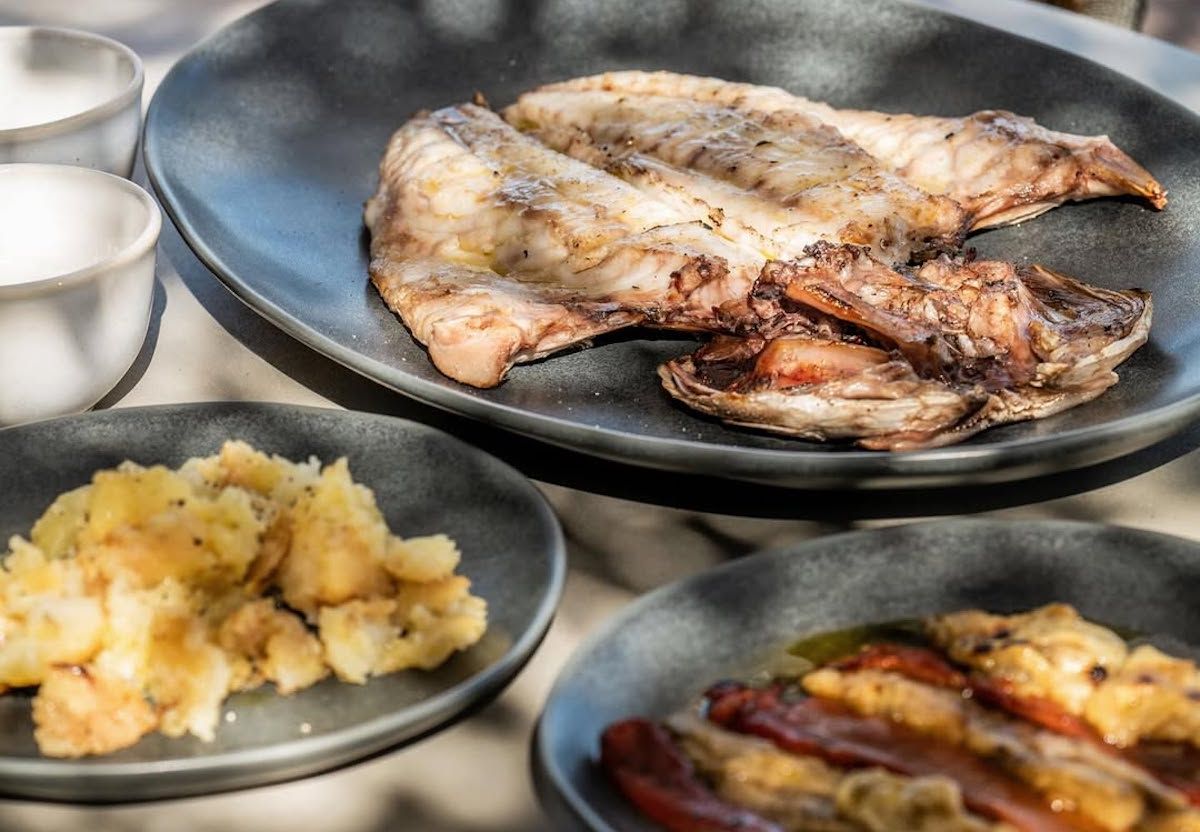
"The coastline is an essential element for Catalonia, but unfortunately we are moving further and further away from these traditions that shape our identity and our culture," Ventura defends. For this reason, he wants the Llotja restaurant to be an open and close space, that manages to connect with local citizens and even with the fishermen who work to defend this coastline.
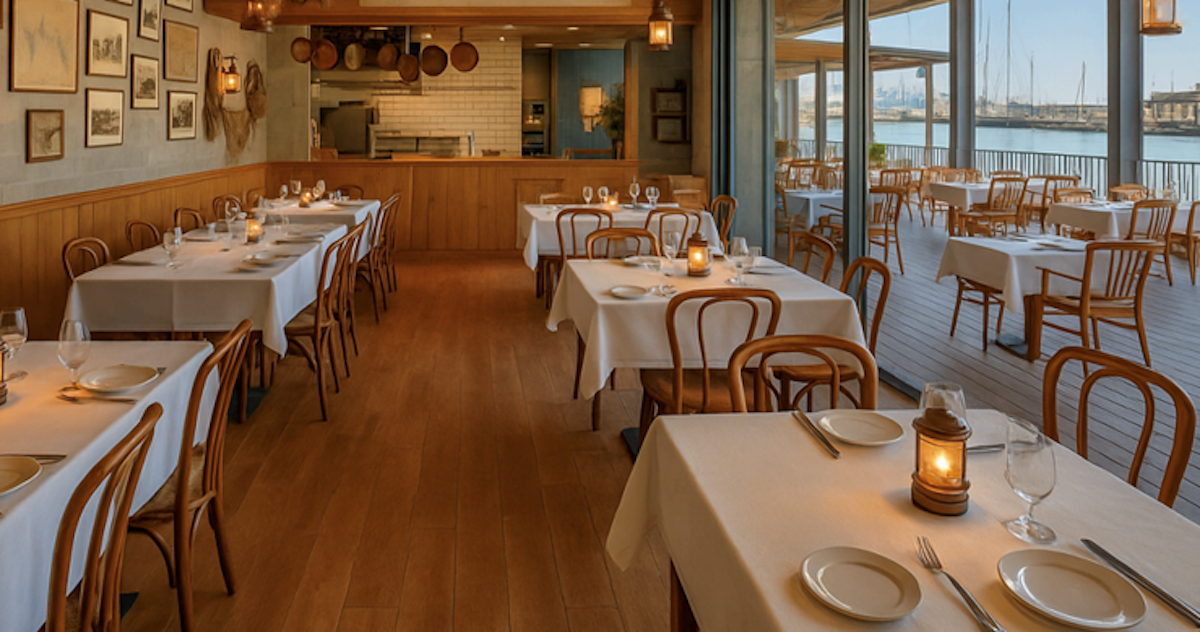
Although he is still finishing designing the business plan, his idea is that the place can adapt to the schedules and routine of the fishermen: with uninterrupted kitchen service from nine in the morning to seven in the evening. "The restaurant must breathe at the same rhythm as the Llotja, integrating harmoniously into its routines," Ventura emphasizes. Offering a gastronomic experience that can be a bridge between the city and the sea, where diners can watch the auction and smell the fish they will later taste.
"The philosophy is the same in all my establishments: that the diner feels at home," says Ventura, who admits that he cooks thinking about what he likes to find when he goes to a restaurant. "The goal of any new establishment opening in Barcelona must be to seduce the local public: to offer something authentic, where they can recognize and identify the traditional flavors," the chef remarks. "If the project has personality, tourists and foreigners will come on their own, but the essential thing must always be authenticity," he adds.
Thus achieving another goal: to show the diner sitting at the table the richness of Mediterranean produce and maritime culture. "Increasingly, less fish is eaten at home because there is the preconceived idea that it is very expensive, difficult, and laborious to cook," the chef laments. An idea he wants to dismantle from the restaurant at the Llotja de Pescadors, offering simple, approachable, and personality-filled dishes. An invitation to look again, taste, and fall in love with the sea and its products.
Add The New Barcelona Post as your preferred Google source for free
Stay informed with the latest news.
