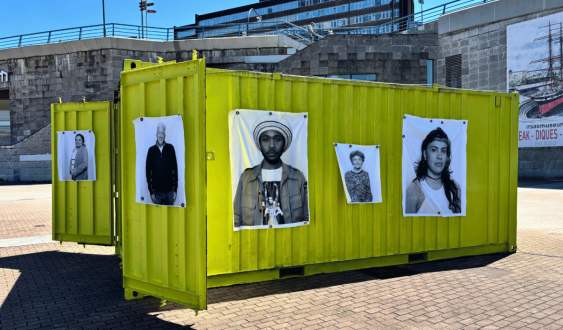
A large yellow container has been installed this week in Plaça del Canòdrom, in Barcelona’s Sant Andreu district. But despite its appearance, it carries no goods, only life stories: those of people who left their places of origin behind to start anew and seek new opportunities in Barcelona. This is the Museo Migrante Migrante, an itinerant artistic project travelling across Spain that brings together stories of migration and identity.
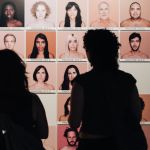
Led by photographer Angélica Dass, coordinated by the social consulting firm Cidalia, and funded by the Directorate-General for Cultural Rights of the Spanish Ministry of Culture, the Museo Migrante Migrante (MMM) will remain in Barcelona until 18 October. Inside the yellow container, visitors will find photographic portraits accompanied by personal testimonies that give voice to people who have moved elsewhere to start a new chapter in their lives.
Not all the stories involve crossing an international border or moving to another country. Some tell of people who left their hometowns to seek new opportunities in the city, while others reflect the experiences of families who still carry memories of displacement from previous generations. In short, these stories speak not only of the past, but also of the present.
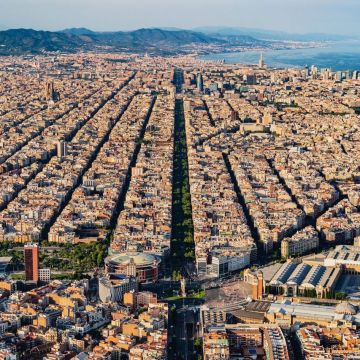
Indeed, today’s Barcelona reflects this diversity of journeys: according to municipal census data, more than one in three people living in the city were born abroad. Alongside the stories of those who arrived from other countries are those of people who moved to the Catalan capital from elsewhere in Catalonia or Spain to start a new chapter. These different experiences come together at the Museo Migrante Migrante, where photographic portraits and personal testimonies give voice to those who have left one place behind to build a life in another.
But the visit to the yellow container is not limited to exploring the exhibited stories. Those who approach the museum can also voluntarily share their own experiences and contribute to a photographic and written collection that grows with each stop of the project. In this way, the space incorporates new voices as its itinerary progresses. A journey that began in Bilbao, where the museum had its first activation at Itsasmuseum between May 5 and 10. And, after its stay in the Catalan capital, the project plans to continue through Santander, Catarroja (Valencia), Malaga, and Santa Cruz de Tenerife.
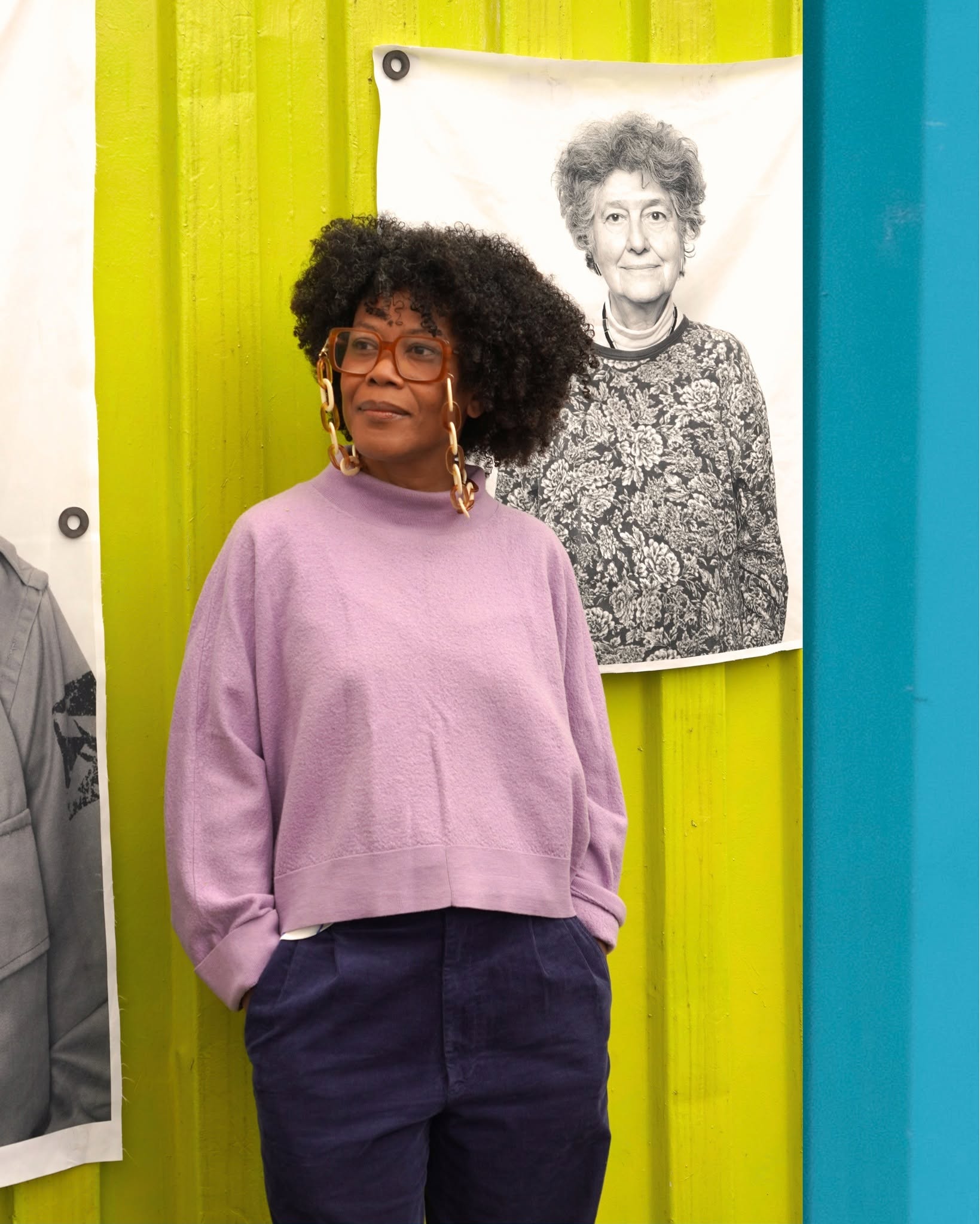
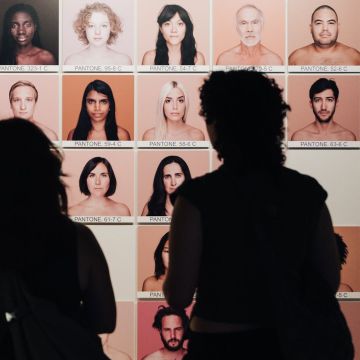
Also, during these days, the museum will also open a space for dialogue. Next October 15, from 6 to 8 p.m., the Ateneu d’Innovació Digital i Democràtica Canòdrom will host Conversaciones de Memoria en Movimiento (Conversations on Memory in Motion), a meeting in which Ali González-García, an expert in digital transformation in governments; Silvina Merino, linked to the Microhistorias Migrantes project; and Angélica Dass, artistic coordinator of the Museo Migrante Migrante, will participate. The conversation will focus on how displacements influence identity and the sense of belonging, and on the role of personal stories in the memory of cities. Dass's presence in Barcelona also coincides with the exhibition of another of her works in the city. Her photographic project Humanae is part of The Cult of Beauty, an exhibition at the Centre de Cultura Contemporània de Barcelona (CCCB) that can be visited until November 8 and explores the evolution of beauty ideals throughout history.
In addition, the Museo Migrante Migrante's program is complemented by educational and community activities in Plaça del Canòdrom, scheduled until October 18 and aimed at audiences of different ages. Five educational centers will participate in visits and proposals adapted to the different educational stages to bring students closer to the stories and experiences gathered by the project.
Add The New Barcelona Post as your preferred Google source for free
Stay informed with the latest news.