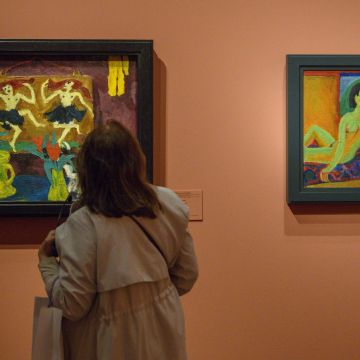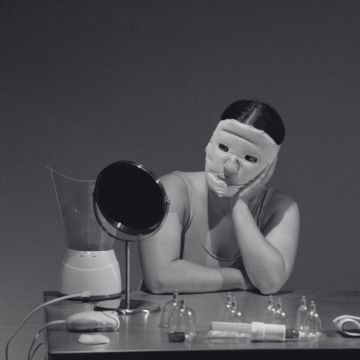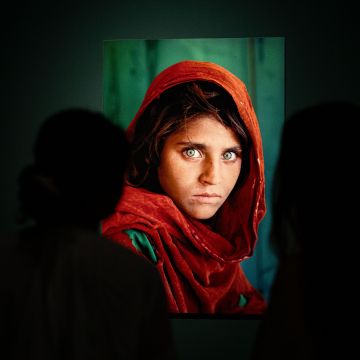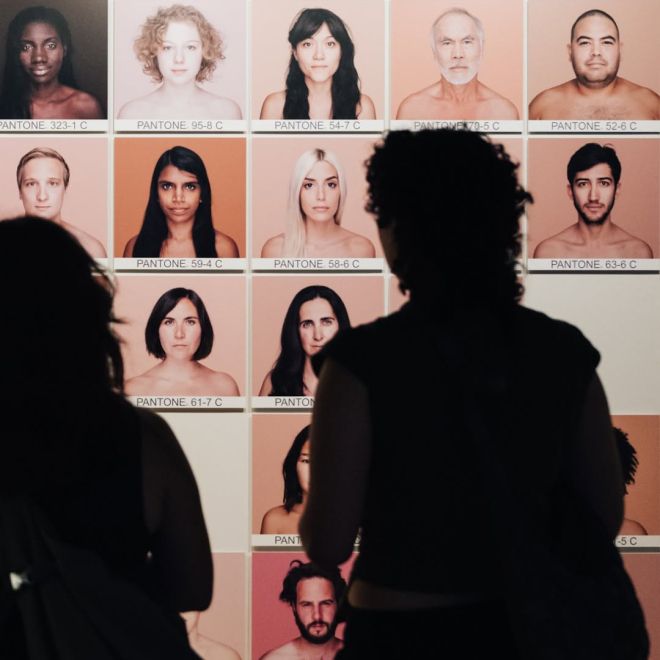
Crossing the courtyard of the Centre de Cultura Contemporània de Barcelona (CCCB) always predisposes one to a dialogue. On this occasion, the appointment required an extra dose of honesty, because entering an exhibition space dedicated to dissecting the aesthetic canons of humanity carrying a tired body, far from any normative dictate, might seem an act of vulnerability.
I do not meet the standards. My height is discreet, my hips are wide, I live with a belly that holds the memory of having carried my two children, I have gray hairs that I do not wish to hide, and I keep a slightly crooked front tooth that resisted, untamed, three years of costly orthodontics. However, upon crossing the threshold of the exhibition, that physiognomy that advertising insists on cataloging as imperfect did not feel like a mistake, but rather like a living map, a biography written on the skin that deserved to be read with tenderness and respect.
The proposal, successfully adapted by Blanca Arias and Júlia Lull Sanz from the original project by Janice Li at the Wellcome Collection in London, precisely suggests this: an invitation to subvert the gaze and to rescue the dignity of bodies that the norm has made invisible.
The exhibition The Cult of Beauty thus proposes a journey through more than two thousand years of history to demonstrate that aesthetic ideals are not universal truths, but cultural constructions traversed by power relations, economic interests, and struggles for the representation of bodies. A profound and necessary journey that transforms the mirror into a territory of reconciliation and political dispute.
The central thesis immediately dismantles the idea that beauty is an immutable biological quality or a metaphysical absolute. On the contrary, it is presented to us as a social construct in constant transformation. Through the more than 400 pieces that make up the exhibition, the viewer understands how the normative power of the canon has historically functioned as a device for ordering and exclusion. And isn't the same thing still happening to us?
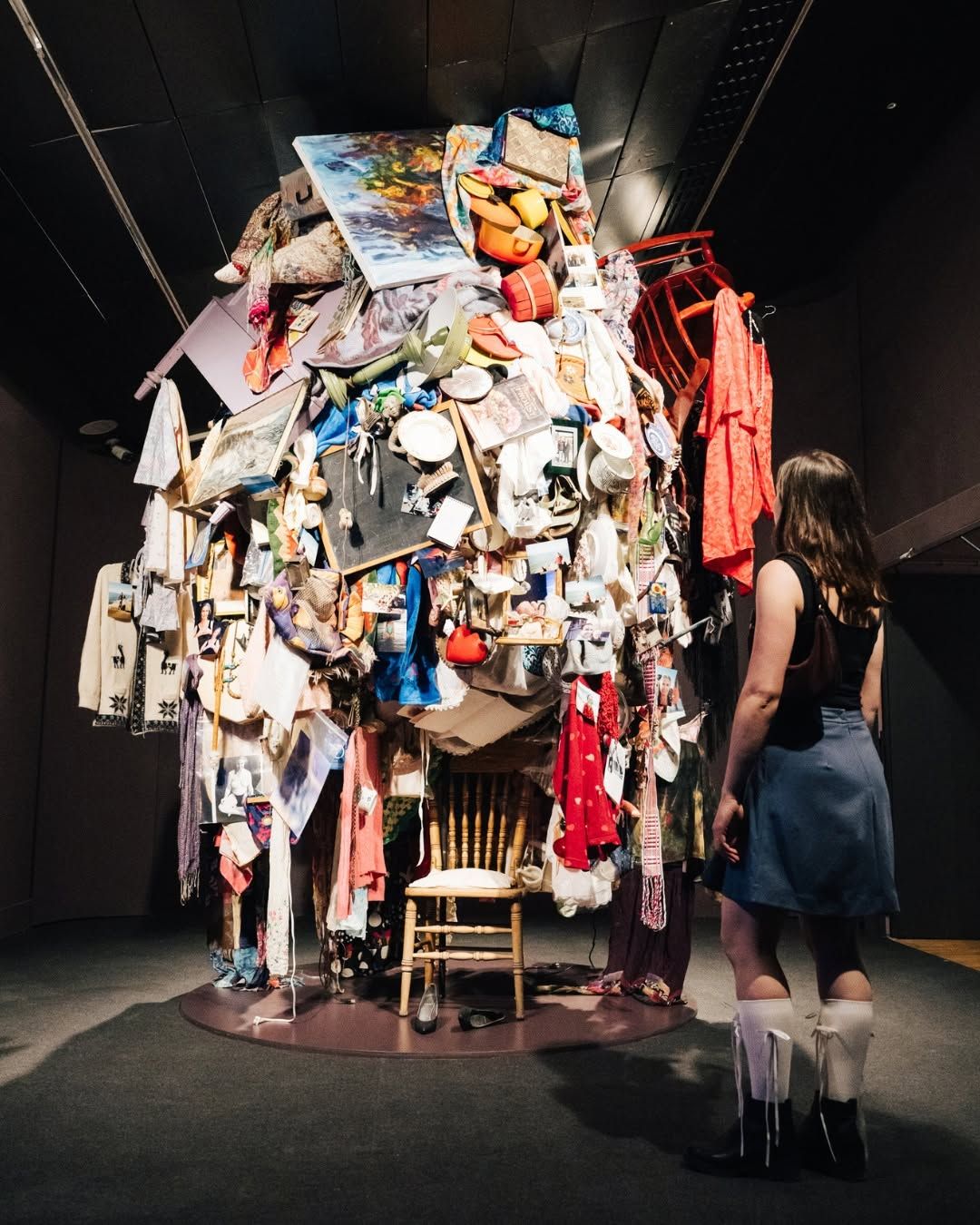
Since classical Antiquity, where the rules of proportion and gender set an unattainable perfection, society has linked physical harmony to moral virtue, equating aging or asymmetry with failure —allow me a parenthesis to recommend reading La invención del cuerpo. Arte y erotismo en el mundo clásico by Carmen Sánchez (Siruela, Biblioteca de Ensayo), in connection with this—.
This examination acquires an overwhelming weight when delving into the relationship between aesthetic ideals and colonial thought. 18th-century caste paintings and Orientalist aesthetics show how the imposition of white skin as a standard of purity and civilization served to legitimize racial hierarchies and logics of domination that still structure our consumption and our gaze today. Understanding that the canon is a political instrument frees us from guilt and pushes us to seek a more complex, plural, and human beauty.
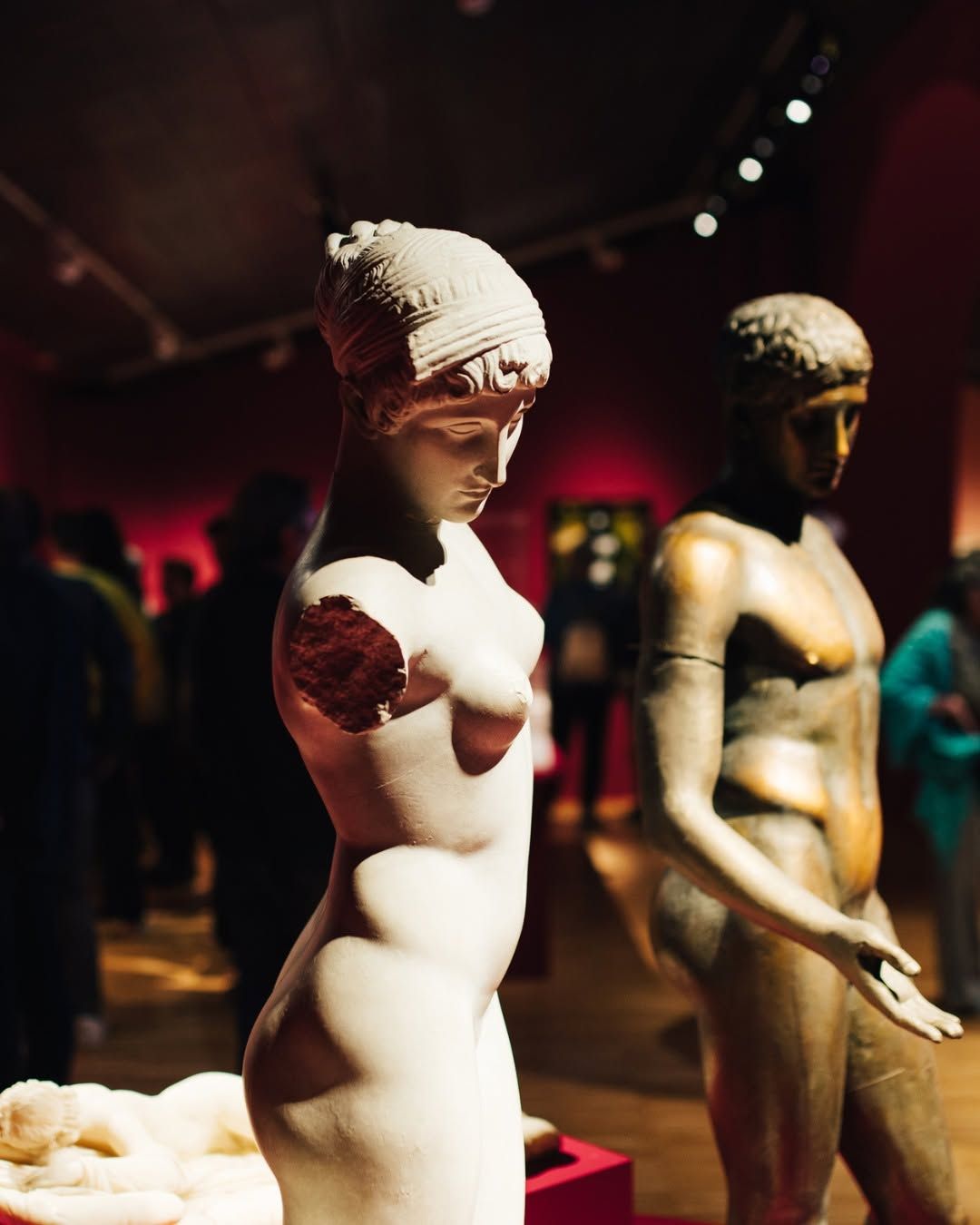
But the historical journey proposed by the exhibition is not linear; instead, it constantly dialogues with the present, crossing archaeology with contemporary drifts of artificial intelligence and digital culture, reminding us that, although we believe ourselves to be evolved beings, we are not so far off.
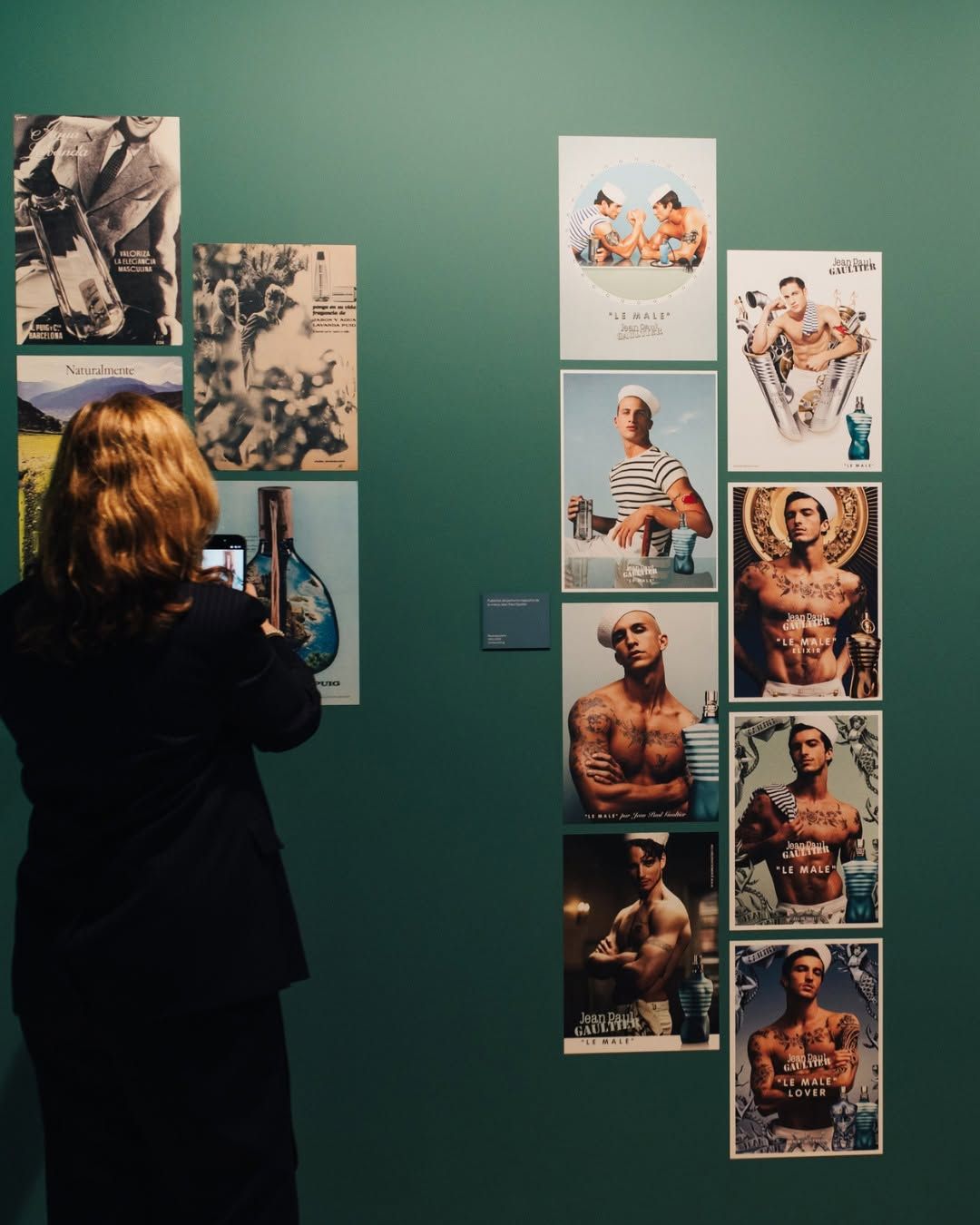
In the midst of this dense conceptual framework, the exhibition design offers moments of enormous sensory power (without a doubt, these have been my favorite corners). This is the case of the olfactory installation created by the Ernesto Ventós Foundation, which invites visitors to pause before a series of aromatic recreations inspired by great male figures in history. Smelling these diffusers is a way to understand how status and attractiveness were codified through scent in different eras.
"The industry cleanses bodily dissidence to return it packaged and fit for consumption, reminding us that the true challenge is not for the market to approve our imperfections, but for us to learn to inhabit them outside its logic"
Pharaoh Tutankhamun evoked his sacred nature through the use of oriental resins, incense, and myrrh, a dense scent thought to be for immortality. Nero, on the other hand, resorted to an excess of rosewater and exotic aromas to stage the opulence of an imperial Rome where beauty was a privilege paid for with gold. For his part, Napoleon Bonaparte used Eau de Cologne almost industrially, a citrusy and pungent aroma designed by his apothecaries not only for personal hygiene but to establish an image of neatness, discipline, and absolute control before his troops. In all of them, physiognomy was subordinated to the aroma of power; the canon forgave physical decadence if it came wrapped in the fragrance of sovereignty.
This artisanal management of one's own image radically mutated during the 20th century with the rise of the self-image industry, transforming beauty into a global economic machine that converts physical appearance into cultural capital and an inexhaustible source of profit. This phenomenon is brilliantly analyzed in the section dedicated to the Barbie doll, an everyday object that functions as the perfect thermometer of our aesthetic obsessions.
From the first versions of the fifties, with their impossible waists and dehumanized anatomies oriented towards female domestication, to contemporary showcases that incorporate dolls with vitiligo, in wheelchairs, or with curvy silhouettes, the exhibition forces us to reflect on the limits of commercial inclusion.
Observing these figures closely, one perceives how the market assimilates difference: diverse Barbies retain faces of mathematical symmetry and polished surfaces, devoid of the real marks of time, pain, or fatigue. The industry cleanses bodily dissidence to return it packaged and suitable for consumption, reminding us that the true challenge is not for the market to approve our imperfections, but for us to learn to inhabit them outside its logic.

The true heart of the exhibition beats in the shift towards pure corporeality, where the discourse is structured around skin, hair, and flesh as authentic political territories. It is in this space that historically marginalized communities—queer collectives, trans and non-binary people, and racialized bodies—become the protagonists of a profound resistance, using their own identities to broaden the limits of what we consider beautiful.
The most moving and powerful piece in the exhibition, stripped of any adornment, is a pair of excised breast masses preserved in a jar of formaldehyde, located in the section dedicated to transgender realities. The impact of this work lies in its radical honesty. By showing naked flesh, free from the eroticization and censorship with which media bombard women's bodies daily, surgical intervention ceases to be a tool of submission to the canon and becomes a process of emancipation, pain, and existential sovereignty. There is an overwhelming beauty in that pain that seeks its own truth, a dignity that understands not symmetries but authenticity.
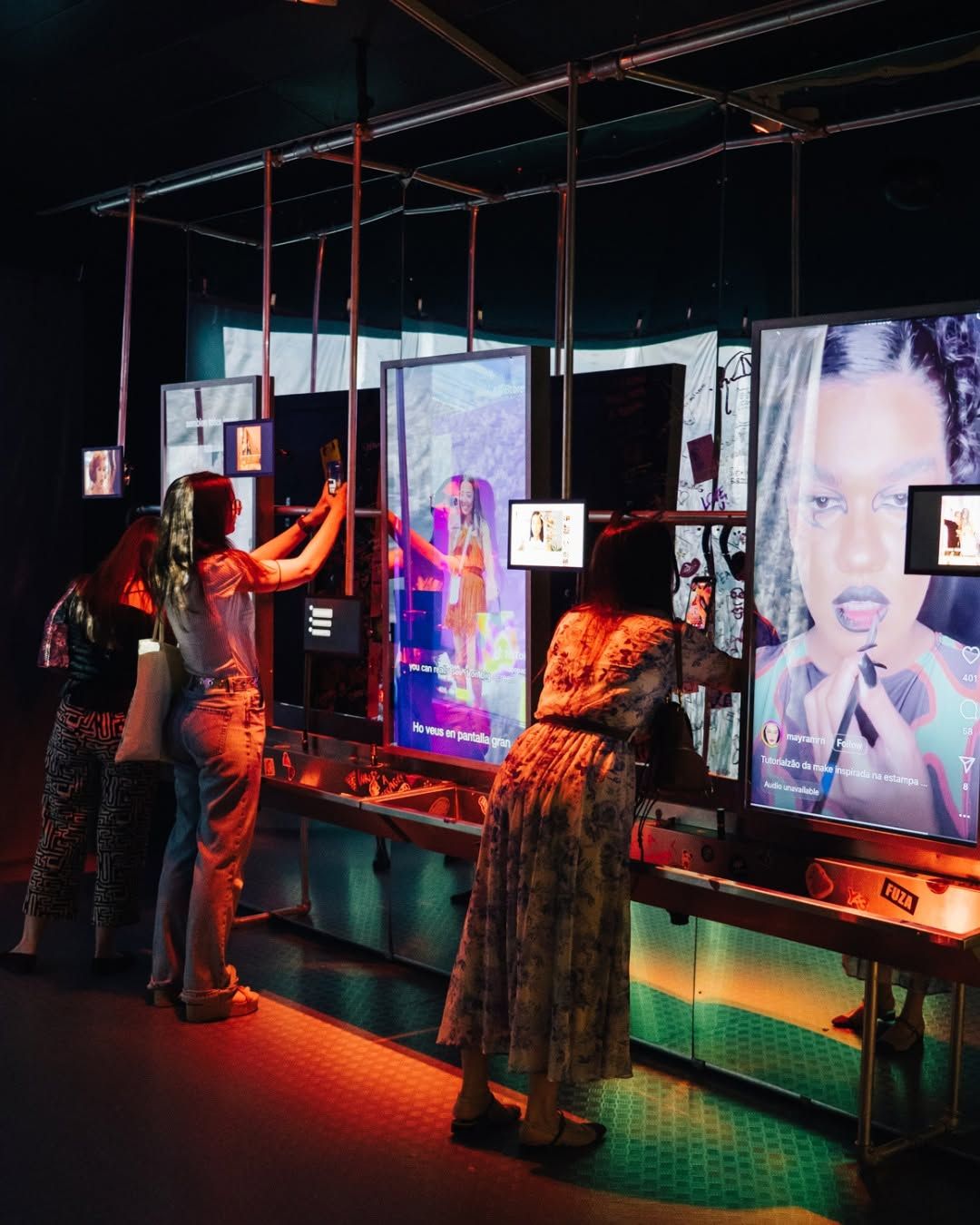
The CCCB demonstrates immense intellectual maturity by addressing a topic so prone to frivolity from a neutral and plural discourse, which does not seek to indoctrinate or judge individual decisions about body care or modification, but rather to encourage the viewer to develop their own reflection. This sensitivity is also transferred to the accessibility of the exhibition, which incorporates tactile resources designed for visually impaired people, demonstrating that aesthetic experience can be decoded through touch, hearing, and olfactory memory, sabotaging the historical monopoly of hypervisual gaze.
So absorbed was I in these reflections, reconciling myself with each of my scars and with that rebellious tooth that refuses to align, that I completely lost track of time. I was in the last section, contemplating a series of prostheses that explored the repair of the wounded body and the aesthetics of the future, when a gallery attendant, with firm kindness, reminded me that the museum was closing its doors and that I had to leave the premises.
I was left wanting to decipher those last pieces, but reality demands its schedules. I went out into the streets of Raval under a soft light, my head full of questions and my gaze transformed, once again. As I crossed the square, I saw the people of Barcelona walking, laughing, and talking: young people with dissident haircuts, old people who wore their wrinkles like medals of life, mothers who held their children with tired but strong bodies. None of them fit into the advertisements that light up the avenues, and yet, in each of their asymmetries, in each of their authentic gestures, an immense beauty blows.
To look differently again is not an aesthetic whim; it is a human need to learn, at last, to love ourselves in our wonderful and shared imperfection.
Add The New Barcelona Post as your preferred Google source for free
Stay informed with the latest news.