
Barcelona hosts these months an exhibition that starts from a question: what exactly is beauty? The CCCB presents The Cult of Beauty, an exhibition that explores how aesthetic ideals have been constructed throughout history and how these ideals have excluded many bodies, faces, and ways of being in the world.
Whenever I go to exhibitions, I take notes. Even on city free tours. Well, in my notes from this exhibition, I wrote: Richard Feynman and the flower. My head made that association, and when I got home, I developed the idea.
Feynman, a Nobel laureate in Physics, used to say that he had a painter friend who didn't understand his way of looking at the world. One day, the friend took a flower and said: "Look how beautiful it is." Feynman agreed. The flower was beautiful. But then the painter added that he, as an artist, could see its beauty, while Feynman, as a scientist, merely disassembled and analyzed it.
Feynman thought just the opposite.
He also saw the beauty of the flower, but his knowledge allowed him to see additional layers. He could imagine its cells, the invisible processes that kept it alive, and the complex relationship between its colors and the insects that pollinate it. Knowing more did not destroy the beauty of the flower. It was what allowed him to see it with greater depth.
During the CCCB exhibition, I moved between these two ideas, and that's why Feynman came to mind. At first, I felt that analyzing beauty made it colder. But the reality is that when you understand how an idea of beauty is constructed, you begin to see it better. You see what you previously took for granted, you realize what part of your taste is truly yours, and you understand which images have become the norm and which forms of beauty have been left out of the frame.

Understanding does not impoverish the experience. It adds layers.
Feynman learned this from a young age. His father taught him to translate the abstract into something concrete. If the encyclopedia said a dinosaur was seven and a half meters tall, his father would turn it into an image: if it were in front of the house, it could stick its head through the second-story window. That is understanding.
That's why a good explanation gives order and depth to things without destroying their magic. A musician does not enjoy a song less for knowing its structure, nor does a student learn worse for understanding how their memory works. On the contrary, understanding adds precision, generates better questions, and multiplies wonder.
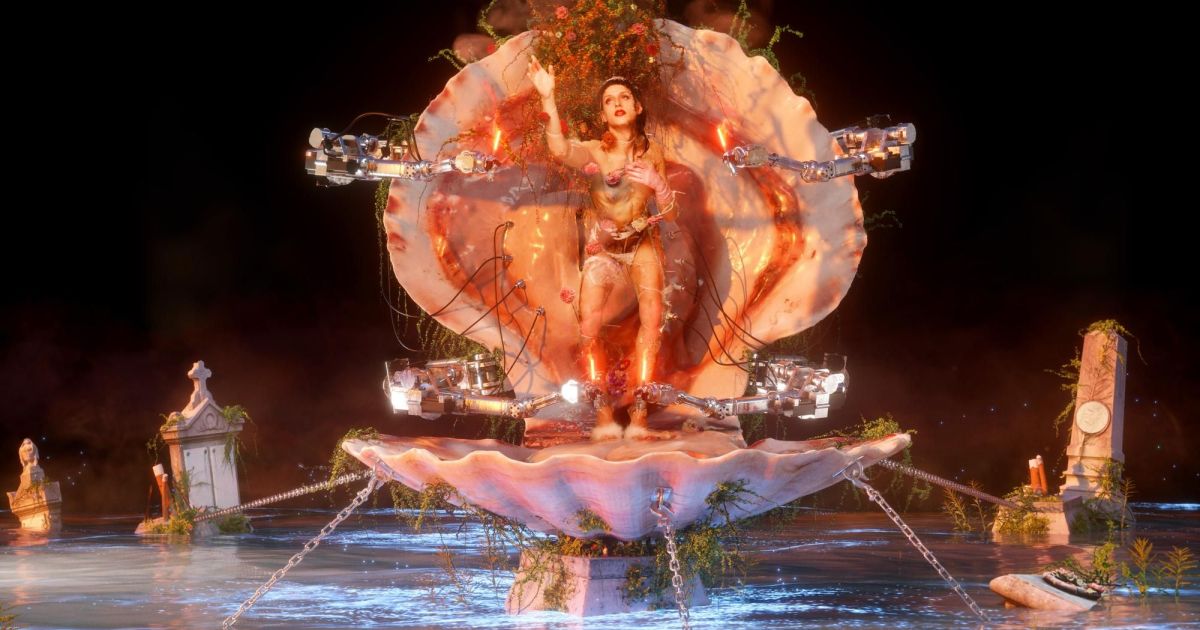
The exhibition reminds us that beauty is also in the questions that force us to review how we have learned to admire it.
Knowledge always adds up. Don't settle for just looking at beauty: dare to understand it.
Add The New Barcelona Post as your preferred Google source for free
Stay informed with the latest news.