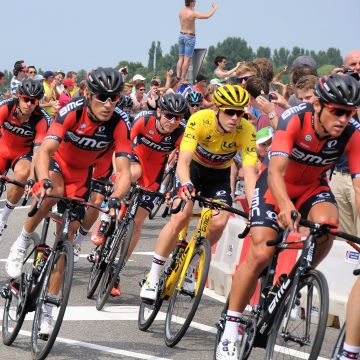
While Barcelona prepares to host the Grand Départ of the Tour de France for the first time, the streets of the same city saw the first bicycles arrive around 150 years ago. Seeing the speed at which competition cyclists now ride —they can reach 70 kilometers per hour—, it's hard to imagine that it all started with a machine that didn't even have pedals.
Before becoming a sport that attracts global audiences, and an everyday vehicle, the history of the bicycle began in 1817, when the German Karl Drais presented his running machine, a two-wheeled vehicle that moved by pushing off the ground with the feet. That first prototype was still far from what we understand today as a bicycle; it took shape over the following decades, during which pedals, chain drive, brakes, inflatable tires, and two equal wheels were incorporated —initially one was notably larger than the other.
The sum of these innovations led to the modern bicycle, developed by Pierre Michaux and his son Ernest, which began to gain popularity from the 1860s onwards. The first major boost came from the Paris Universal Exposition of 1867, where they attracted many eyes to a new form of mobility, at a time when carriages, tartans, and horses were the usual means of transport.
Shortly after, that invention also arrived in Barcelona. And, again, the Universal Exposition was responsible for its impulse —in this case, two decades after the one in Paris. The event hosted by Barcelona in 1888 acted as an accelerator, in years when the city was undergoing a profound urban transformation and the Eixample was beginning to take shape. In a city still dominated by carriages, bikes began to become fashionable. However, it was a fashion reserved for a minority with purchasing power. Thus, it became the transport of the bourgeoisie, who embraced modernity and technical advances in the city. At the end of the 19th century, there was a boom in the city, favored by the progressive standardization of bicycles and a reduction in prices. Although still inaccessible for many pockets, cycling clubs began to appear, maps of cycle paths were drawn, velodromes were built, and bikes also became a means of leisure, sports, and professional transport.
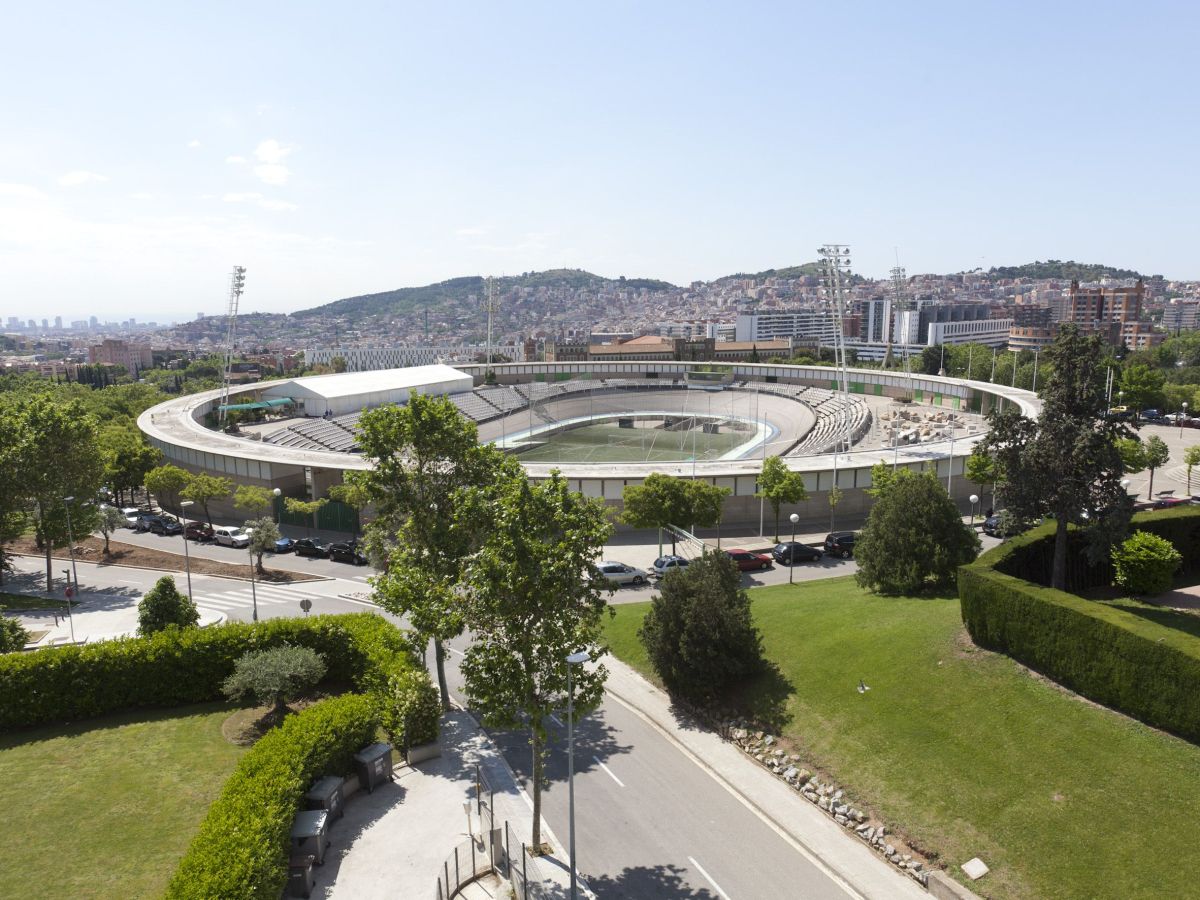
"Whoever had a bike, had a trade. Having a bike opened up opportunities to earn a living. Transporting anything, like milk, fish, or water, was already a trade," highlights bicycle collector Sebas Garriga. Some of his bikes, along with those of five other Catalan collectors, are on display at the Barcelona City Council to review the evolution of this vehicle, until next Monday. "Furthermore, the bike gave a new dimension to certain professions, such as doctors who visited homes by bicycle, and even priests." And it is that, after Sunday mass, in many towns they visited elderly or sick people in their homes, so they could receive communion. "And how did they get around? By bicycle."
At the exhibition in the City Council, some of these bikes can be seen, with 57 historical models from six Catalan collectors, including Garriga and his tandem in the world of cycling collecting, Arnaldo Gómez. Titled Bicycle and Society (1817-1960), the exhibition reviews its evolution to warm up for the Grand Départ that Barcelona will host this weekend.
Modernism by bicycle
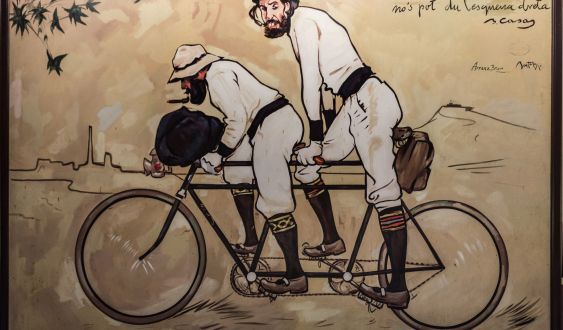
This boom of the bike in the city was portrayed through illustrious Barcelonans who chose it as a means of transport at a time when Impressionism and Modernism were exploding in the city. Ramon Casas and Santiago Rusiñol narrated their bicycle adventures from Vic to Barcelona; actress Rosario Pino was a pioneer in using them in a presentation in Barcelona, and many others adopted it as their way of getting around. All of them can be summarized in one image, that of the mythical tandem of Els Quatre Gats, with Ramon Casas and Pere Romeu perched on the double bike that is now in the Museu Nacional d'Art de Catalunya.
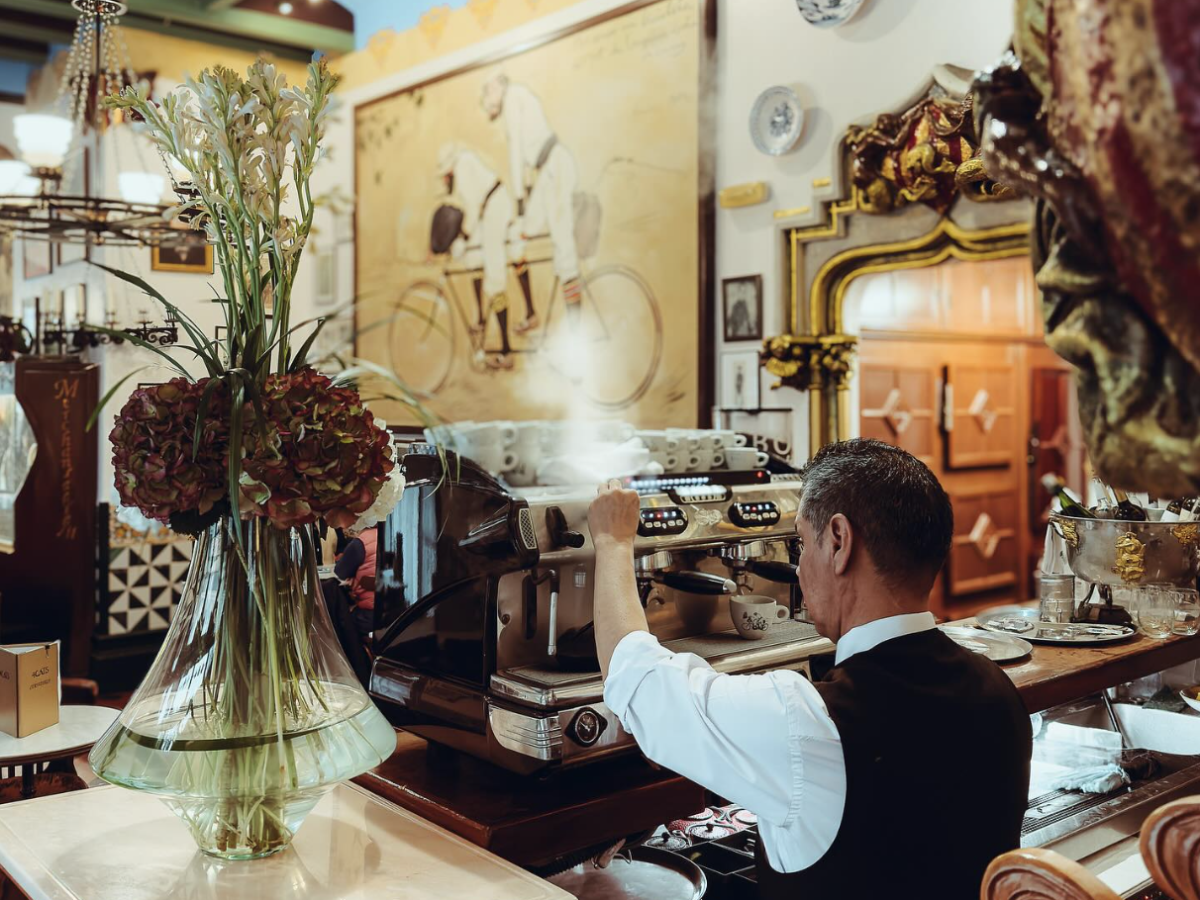
The testimonies of modernism by bike do not stop there: a discreet bicycle is hidden in the Palau Macaya. It was a nod from the sculptor Eusebi Arnau, a regular collaborator of Josep Puig i Cadafalch. The architect was then working simultaneously between the Palau Macaya and the Casa Ametller, which forced him to go from one building to another repeatedly throughout the day. To cover the distance between Passeig de Sant Joan and Passeig de Gràcia, Puig i Cadafalch went by bicycle, the same one that was immortalized on the facade of the Palau Macaya, in a capital sculpted by Arnau.
But the bike was not limited to the artistic or bourgeois sphere. It spread, and was even adopted by municipal services and police forces. The Guardia Urbana, created in 1907, already had a year later a cycling unit made up of 21 bicycles, intended for more agile patrols. "Firefighters also rode bicycles," and photographers, sharpeners, ice cream vendors, and the postal service, as Garriga highlights. In the midst of this boom, workshops and companies linked to the world of bicycles emerged in Barcelona and its surroundings, which contributed to popularizing it. Located in the Eixample, Bicicletes Sanromà was a popular bicycle brand founded at the end of the 19th century and consolidated during the 20th, along with other firms such as Bicicletas Amat or Bicicletas Castells, still active. "In Barcelona we had a powerful industry," Garriga remarks.
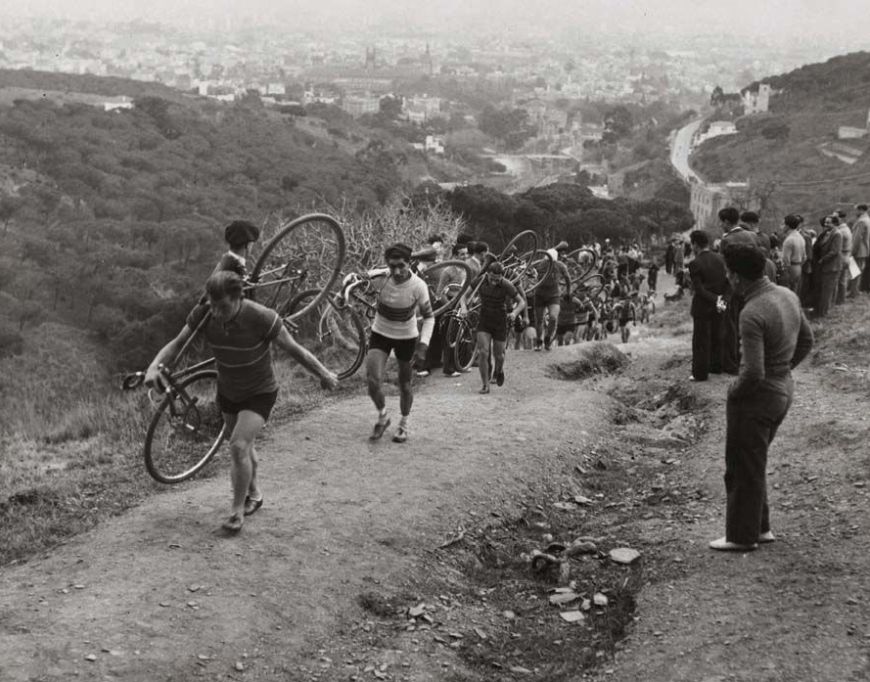
But while the bike was spreading, so was another vehicle that would end up winning the game: the car. In those years, there were just over a hundred registered automobiles in the city —Barcelona's first official license plate, B-1, was issued in 1907—, but they quickly gained prominence on the city's streets, and ended up imposing their urban dominance. But the bike was not relegated to disuse, far from it. In fact, its usefulness had implications in all areas, including social ones, even in feminism: "The suffragist movement in the United Kingdom spread more easily by bicycle, which allowed people to travel from one town to another to amplify the message and the movement," Garriga points out. Meanwhile, the bicycle had also jumped into the sports arena: the Club Velocipédico de Barcelona was founded in 1884, while in 1911 the first edition of the Volta Ciclista was held, a few years after the Tour de France was also created in 1903.
The post-war period reinforced the everyday role of the bike —in 1944 some 36,000 bicycles circulated in Barcelona—, but everything changed with the development of the sixties. Private vehicles came to occupy the center of urban planning and the bicycle was relegated to the background. Barcelona became increasingly identified with motorcycles and cars —it has even been known as the city of motorcycles—, until the recovery began at the end of the 20th century, one hundred years after the arrival of the bike in the city.
The resurgence had a turning point in a protest by the Amics de la Bici collective in 1986, when they painted, as a claim, the city's first bike lane at the intersection of Gran Via and Entença, to demand that the City Council take cyclists into account and enable safer routes throughout the city. At that time, the bike had supporters and detractors, and an episode with Pasqual Maragall serves to illustrate it: as mayor, he was fined for cycling with a group of people on Rambla Catalunya, reserved only for pedestrians, after a citizen filed a complaint with the Guardia Urbana, in 1996.

With more or fewer supporters, cycling Barcelona expanded until, at the beginning of the 21st century, it experienced a second boom with the creation of Bicing in 2007, with the expansion of the bike lane network —up to the current more than 260 kilometers—, and also with electric bikes, shared-use services, and delivery people who use them to bring everything to users of apps and ecommerce. Now, coinciding with the arrival of the Tour de France, the city is preparing to become the capital of cycling for a few days. "For Barcelona, hosting the Grand Départ means placing the Barcelona brand in a global showcase of the highest level," as highlighted by Xavier Riera, professor of Sports Event Organization at Euncet Business School Centre Universitari. "Furthermore, it comes at a time when Barcelona and Catalonia have hosted, in a very short time, major mass and highly prestigious sporting events, such as MotoGP, Formula 1, and now the Tour. Few events allow showing the world the city, its architecture, its landscape, and its lifestyle with such intensity," adds Riera from the center, linked to the UPC.
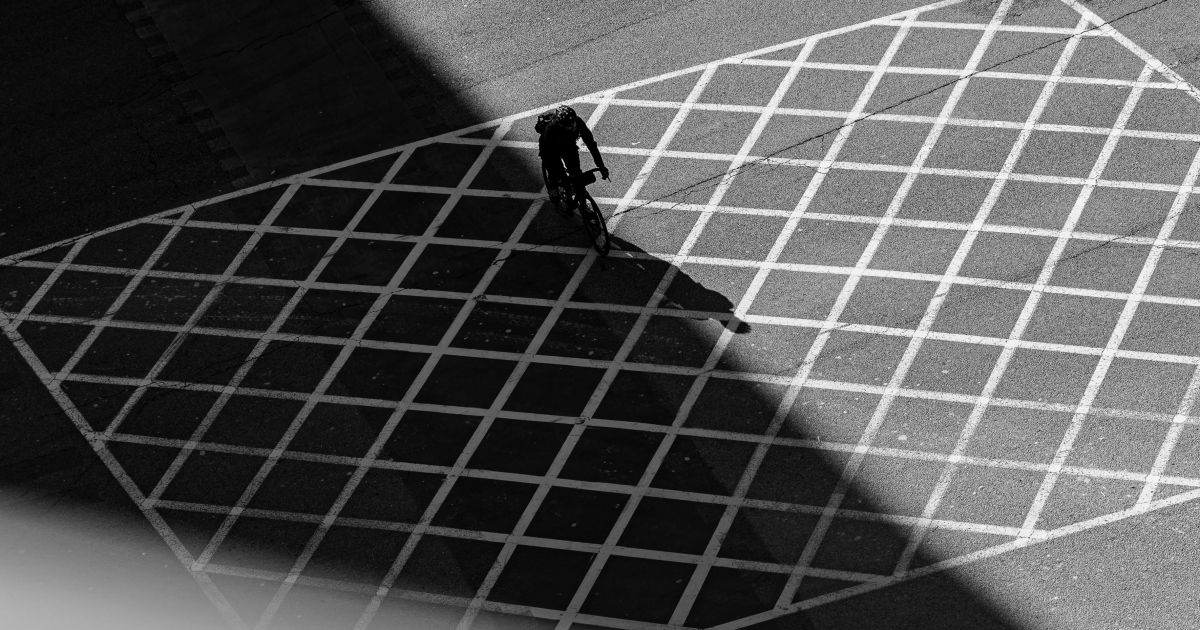
In addition, the Grand Départ has a particularity compared to other sporting events: "It does not take place inside a stadium, but rather turns the entire city into the stage." Thus, it will extend its impact both from an economic and social point of view, while boosting the use and debate about the bicycle. "Catalunya has a strong cycling culture and a very attractive offer for sports tourism. At a time when Barcelona is debating what type of tourism it wants to attract, positioning itself through cycling can help reinforce higher quality tourism," Riera points out. In this context, the start of the Tour de France from Barcelona will write another chapter in this history of the relationship between the bike and the city. In the 150 years that cycling has been practiced in Barcelona, materials, speed, and the way of getting around have changed, but the bicycle continues to move the city.
Add The New Barcelona Post as your preferred Google source for free
Stay informed with the latest news.