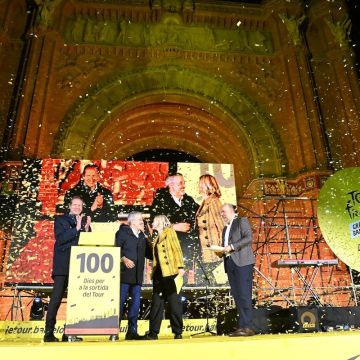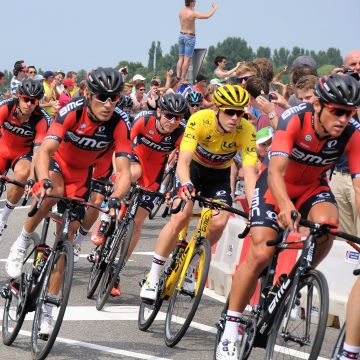
Barcelona begins a week in which it will become a large cycling circuit and, once again, a global showcase. Some 850,000 fans will fill the city's streets to follow the Grand Départ of the Tour de France, while hotels will be almost full and tourist apartments will exceed 80% occupancy after a June marked by major events such as Primavera Sound, Sónar, the Formula 1 Grand Prix, or the visit of Pope Leo XIV.
The 184 riders, the almost 20 kilometers of route through Barcelona, and the nearly 850,000 spectators expected to take to the streets explain the sporting dimension of the Grand Départ. But its magnitude goes far beyond the sporting event: the last edition of the Tour accumulated more than 1 billion viewing hours and was broadcast in 190 countries, making the race one of the largest international showcases in sports. Precisely this global projection is what Barcelona seeks with the organization of the Grand Départ which, by the way, of the 113 editions that the competition has celebrated, Barcelona has been a venue in four: in 1957, 1965, 2009, and now also in 2026.
But this comes at a cost. According to CRÍTIC, the administrations had already committed close to 9.6 million euros for the fee required to host the start of the Tour. To this amount are added, at least, 9.5 million more in associated organization, security, mobility, and logistics costs, raising the public investment to close to 20 million euros.
To evaluate this commitment, however, one must look at the return. Bilbao, which hosted the Grand Départ in 2023, calculated an economic impact of 8.5 euros for every euro invested. Florence even surpassed it. For now, the Minister of Sports of the Generalitat, Berni Álvarez, already announced in March that the Grand Départ could generate an economic impact of more than 100 million euros in Catalonia as a whole. As for Barcelona, the first specific estimates will be presented this Monday at a conference organized by the Barcelona City Council, INDESCAT, and the Barcelona Sports Hub, focused precisely on the economic, business, and international projection opportunities generated by the start of the Tour.
Major sporting events are a tool for economic development, and in Catalonia, there are several examples: the Circuit de Barcelona-Catalunya generates around 500 million euros in annual impact; the Marathon and Half Marathon together exceed 72 million, and the Conde de Godó Trophy estimates a return close to 50 million. The Tour now aspires to join this list.
Barcelona, transformed into a grand circuit
For two days, the city will cease to function with its usual mobility to adapt to the rhythm of the Tour. The first stage will cover 19.7 kilometers between the Fórum and Montjuïc in a team time trial with 23 teams and 184 riders. At some points, cyclists will exceed 70 kilometers per hour, a speed higher than the limit allowed within the city.
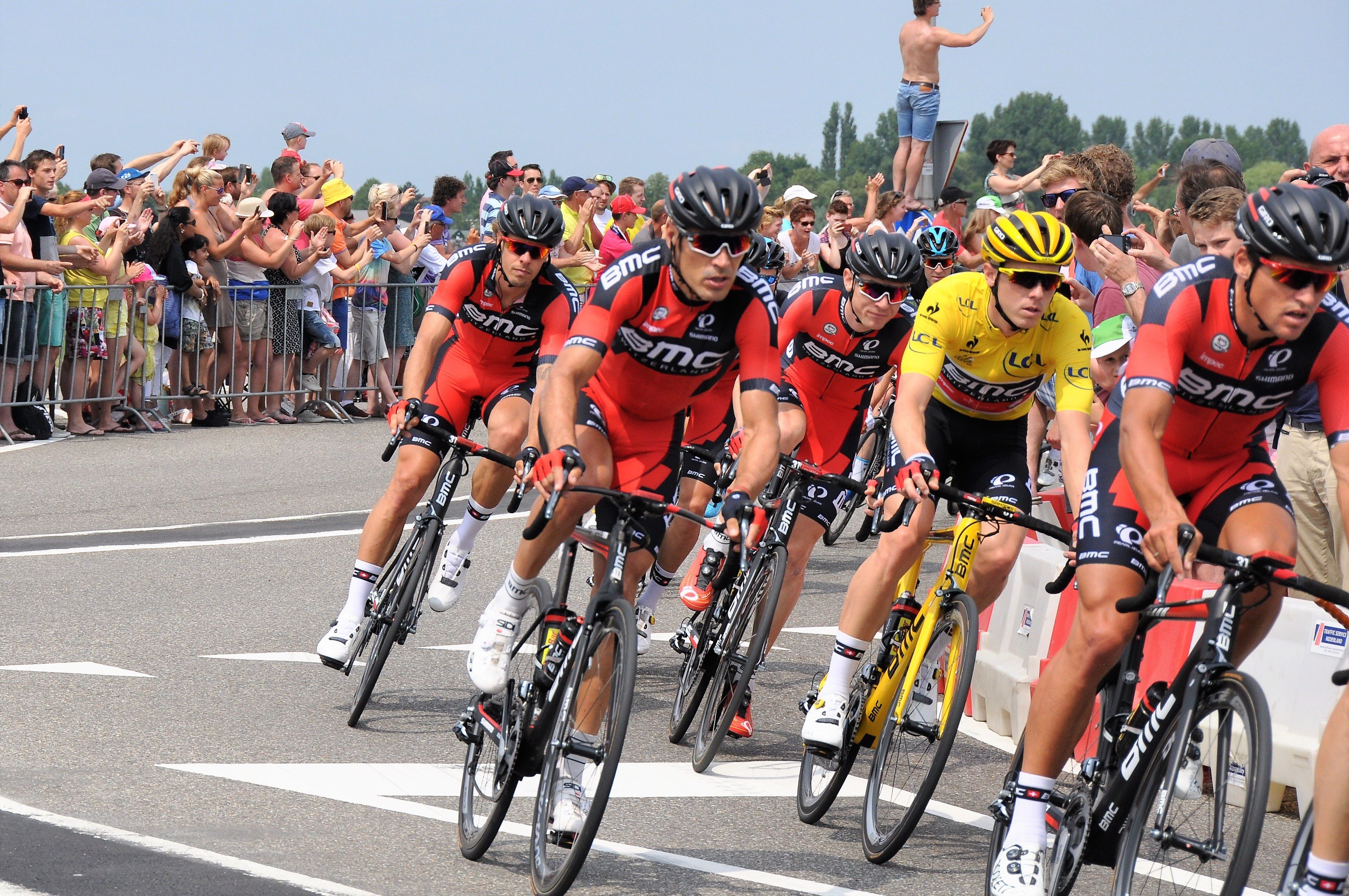
To prevent Barcelona from being completely divided by the circuit, 54 pedestrian crossings and two temporary bridges will be enabled, allowing people to cross the route during the race. All of this will be part of a logistical operation that is only possible thanks to a global infrastructure that mobilizes 28,000 police, gendarmes, and firefighters throughout the Tour and more than 1,000 people specifically trained in prevention and security.
The figures also explain the sporting dimension of the event. The 2026 Tour will cover 3,320.7 kilometers divided into 21 stages that will cross seven regions. Catalonia will host the first three days, passing through the demarcations of Barcelona, Tarragona, and Girona. In the sporting sphere, the organization will distribute 2,302,800 euros in prizes, of which 500,000 will go to the winner of the general classification.
The boost for cycle tourism
But the Grand Départ is not just a sporting event. It is also a tool for international projection. For two days, Barcelona will become the main stage of a global showcase that will reach 190 countries, with images of the Sagrada Familia, the coastline, the Fórum, or Montjuïc entering millions of homes around the world.
The objective, however, goes much further than two stages. Both the Provincial Council and the tourism sector want to take advantage of this exposure to consolidate Barcelona and its province as a reference destination for cycle tourism. The territory already has more than 3,000 kilometers of routes suitable for bicycles and a network of 774 entities linked to cycling, a base on which a long-term international promotion strategy is to be built.
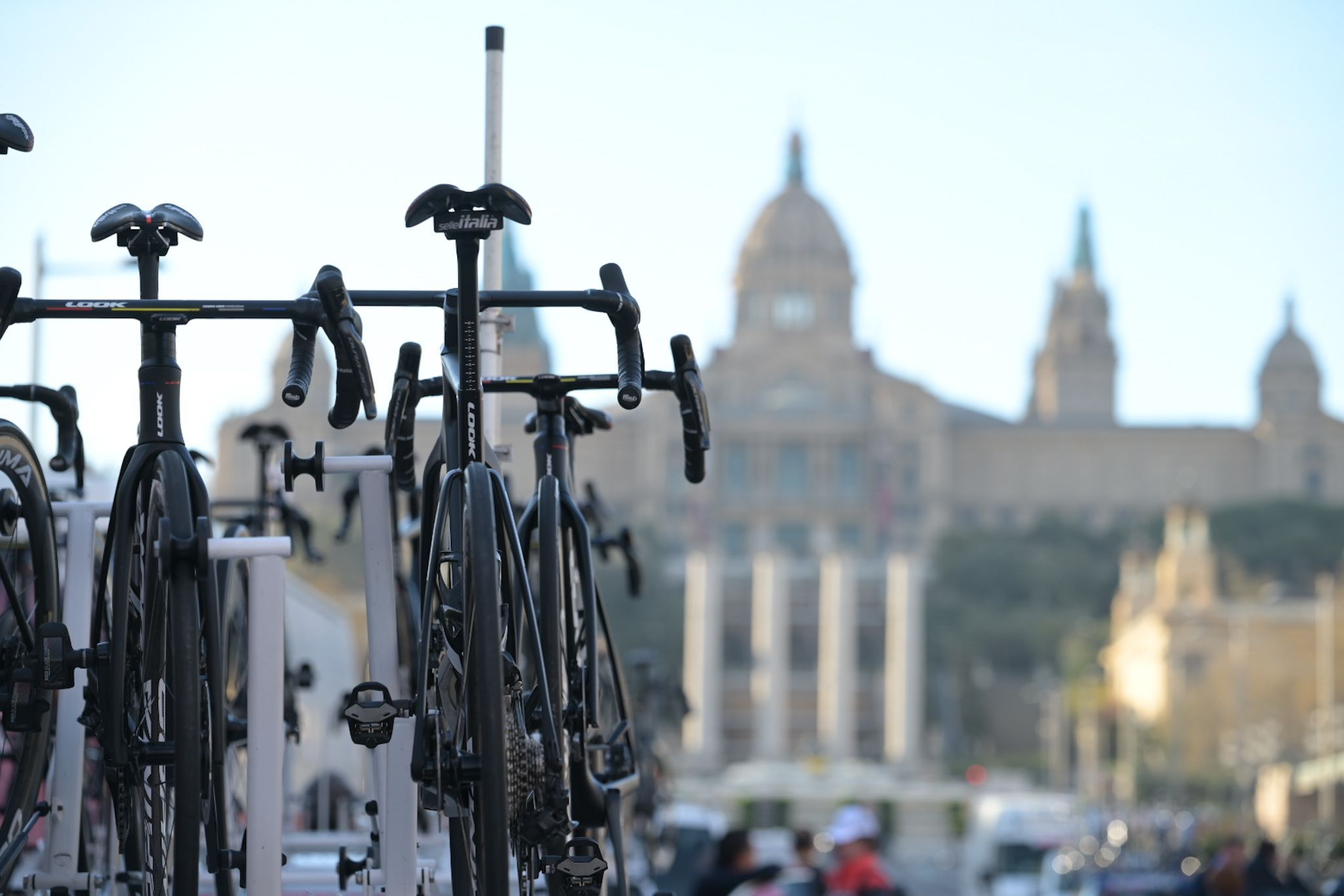
The Tour is also an opportunity to reinforce Barcelona's commitment to making the bicycle an increasingly important part of mobility and its tourist appeal. In fact, Barcelona already has more than 240 kilometers of bike lanes, through which an average of 14,057 bicycles circulate every day. Added to this is Bicing, the main public bicycle system in Spain, with a fleet of more than 8,000 bicycles, which places it among the four largest in the world, only behind those of Paris, New York and Mexico City.
Because the Tour will only pass through Barcelona. But the bicycle, on the other hand, has long been part of the city. And its figures would also deserve to star in another Barcelona in figures. But that will be another Monday.
Add The New Barcelona Post as your preferred Google source for free
Stay informed with the latest news.