The extinction of species is a natural process in evolution, which rewards those that adapt best in a changing environment. The problem comes when this disappearance accelerates in an exaggerated way, as has happened with human action, which has multiplied its rhythm by a thousand. The impact of man on the lives of other living beings has caused that, currently, more than 30,000 species are in danger of extinction, a figure that grows year after year.
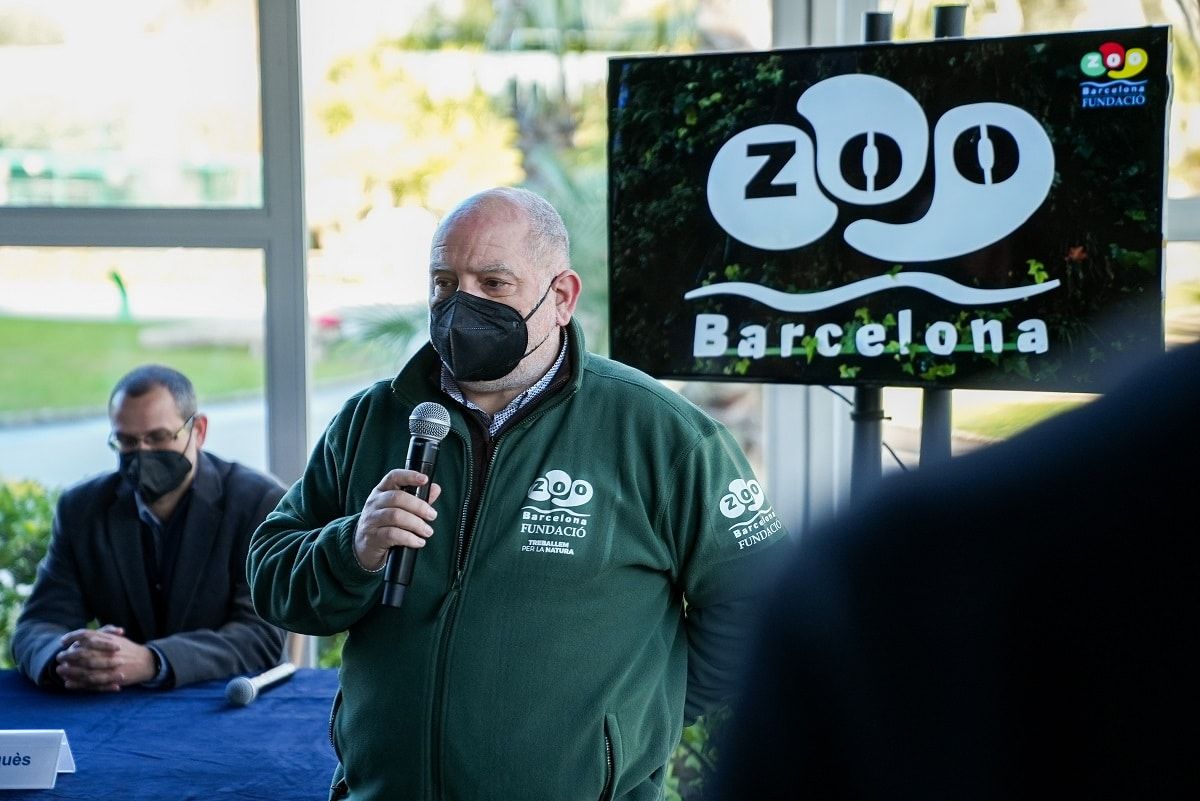
Given this situation, the Barcelona Zoo has decided to promote a biological bank that will collect animal tissues and cells, with the aim of preserving endangered species and being able to recover in the future those that, unfortunately, have not been able to survive the damage caused by people. It will also serve to facilitate the study of animals in a less invasive way, providing researchers with samples already collected and preserved in optimal conditions. "It would be unforgivable if we didn't do it," defended its director, Sito Alarcón, at the presentation of the project. "There are species that continue to exist thanks to the Zoo, such as the Montseny newt, and they will increase," he added.
The new biobank is a pioneering project throughout Spain and aims to become the benchmark in Southern Europe. In the last decade, zoos around the world have been promoting this type of bank, but Barcelona's will have the virtue of bringing together different types of samples, a unique characteristic compared to those already existing in other countries, such as Germany, the United Kingdom or Denmark. Specifically, the project is nourished by two initiatives that the Zoo has been promoting for years, which will now be strengthened and will join forces.
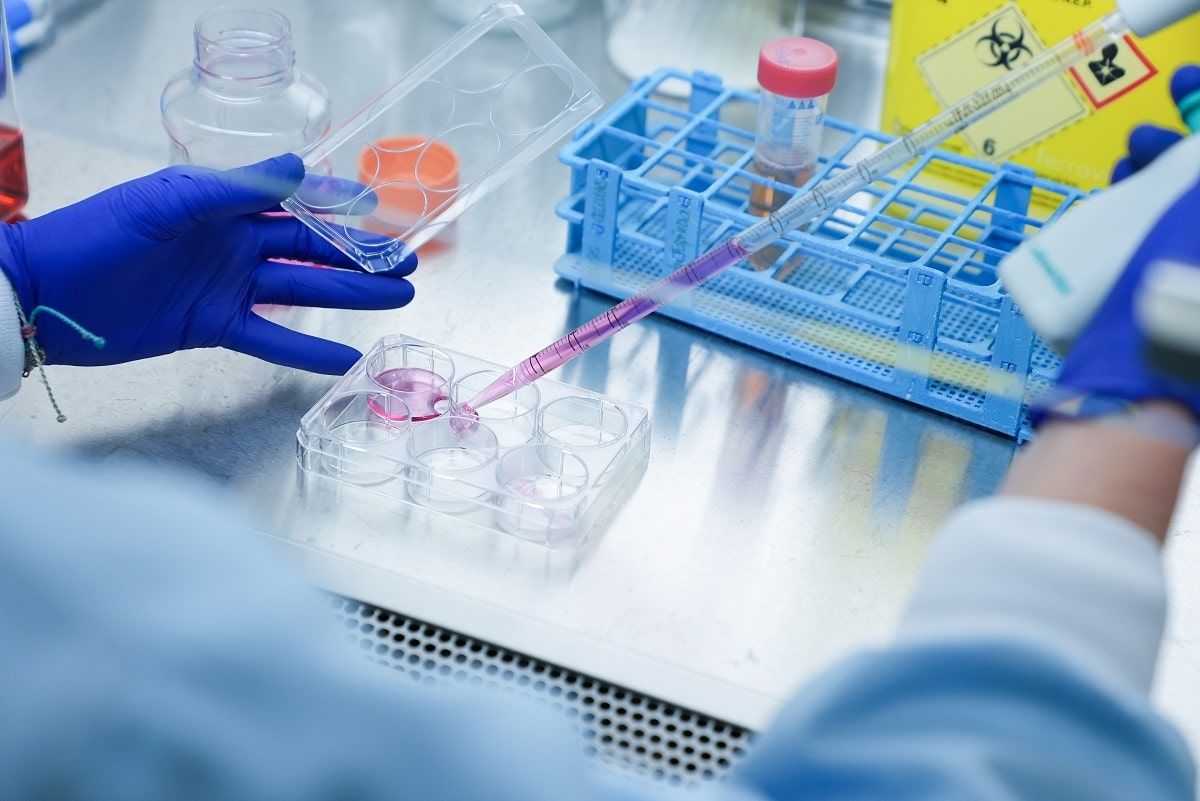
The first leg corresponds to the Universitat Autònoma de Barcelona (UAB). In 2003, it began to preserve samples of animals from the Zoo that could be useful for research, such as blood, saliva, urine, excrement, hair, scales or feathers. Currently, it has more than 11,000 samples from some 284 different species. It has also been collecting reproductive samples, such as ovaries or testicles, obtaining more than 200 from about seventy species.
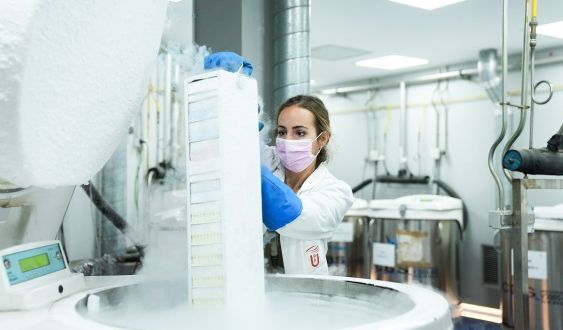
The second is provided by the Institut de Biologia Evolutiva (IBE), which has been promoting a Cryozoo with the Zoo since 2018 at the Parc de Recerca Biomèdica de Barcelona (PCBB), located at Hospital del Mar. The Cryozoo is focused on storing cell lines, that is, a set of cells that derive from stem cells and can become reproductive cells, the last resort for endangered animals. It has a total of 230 samples, with vertebrates as the main protagonists. This project is inspired by the Frozen Zoo in San Diego, which since 1964 has been preserving cell lines, reaching up to 10,000 samples, the largest collection in the world.
The UAB and the IBE will be the two physical headquarters of the Zoo's biomaterials bank. In the medium term, it is expected to be concentrated in the future Zoo research center, as stated by the third deputy mayor, Laia Bonet. "The biobank is the first step," she stressed. This new institution will be framed within the future Ciutadella del Coneixement, an initiative that aims to transform and revitalize the Ciutadella Park and its surroundings as a hub for scientific research and innovation.
The Ciutadella del Coneixement contemplates the construction of three buildings by the Universitat Pompeu Fabra (UPF), the Consejo Superior de Investigaciones Científicas (CSIC) and the Barcelona Institute of Science and Technology (BIST) in a first phase, which is expected to begin with the works in April 2022. In one of them, that of the CSIC, which will be destined for the IBE and will focus on biodiversity research, is where the Zoo wants to locate its research center. Alarcón points out that they estimate they will need about 5,000 square meters. This space will serve to bring together under one roof the different research programs it develops.
Add The New Barcelona Post as your preferred Google source for free
Stay informed with the latest news.
