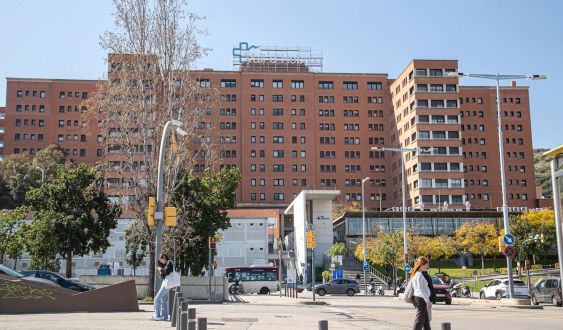
With the celebration of its 70th anniversary, Vall d'Hebron advances in its expansion process. The hospital is a small city through which 50,000 inhabitants pass daily. Between patients, family members, and professionals, the facilities often become congested, hindering the daily life of a complex that lives with its back to the surrounding neighborhoods.
On an area of about 220,000 square meters, the center itself coexists with the Vall d'Hebron Research Institute (VHIR), the Vall d'Hebron Institute of Oncology (VHIO), the Multiple Sclerosis Center of Catalonia (Cemcat), and the Autonomous University of Barcelona (UAB), totaling a staff of 9,000 workers. To all this, it is added that years pass, as seen in the central building, built in the late 1950s and with an infrastructure that needs to be updated to avoid becoming outdated.
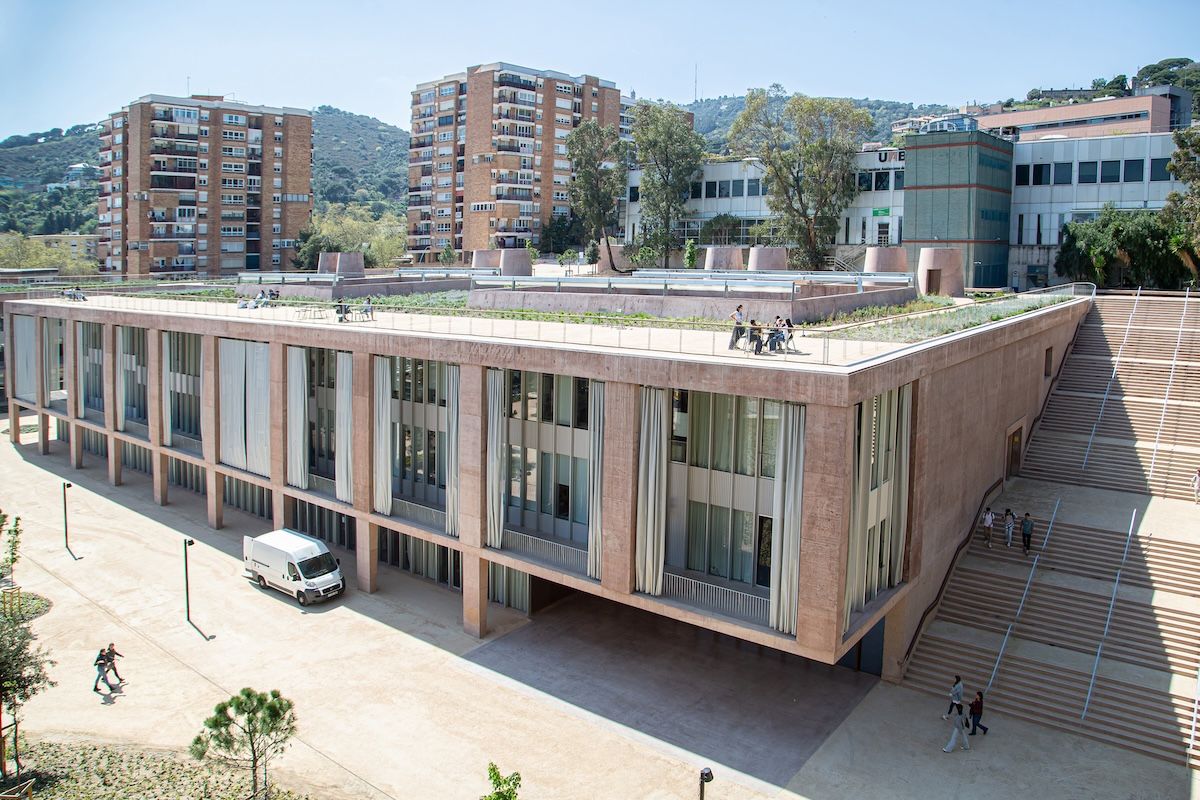
With the aim of improving its healthcare and urban integration, the public center undertook an expansion project in 2017, with a global budget of 300 million euros. Some pieces have already been completed, such as the new helipad and the recently opened VHIR headquarters, where they want to accommodate start-up companies.
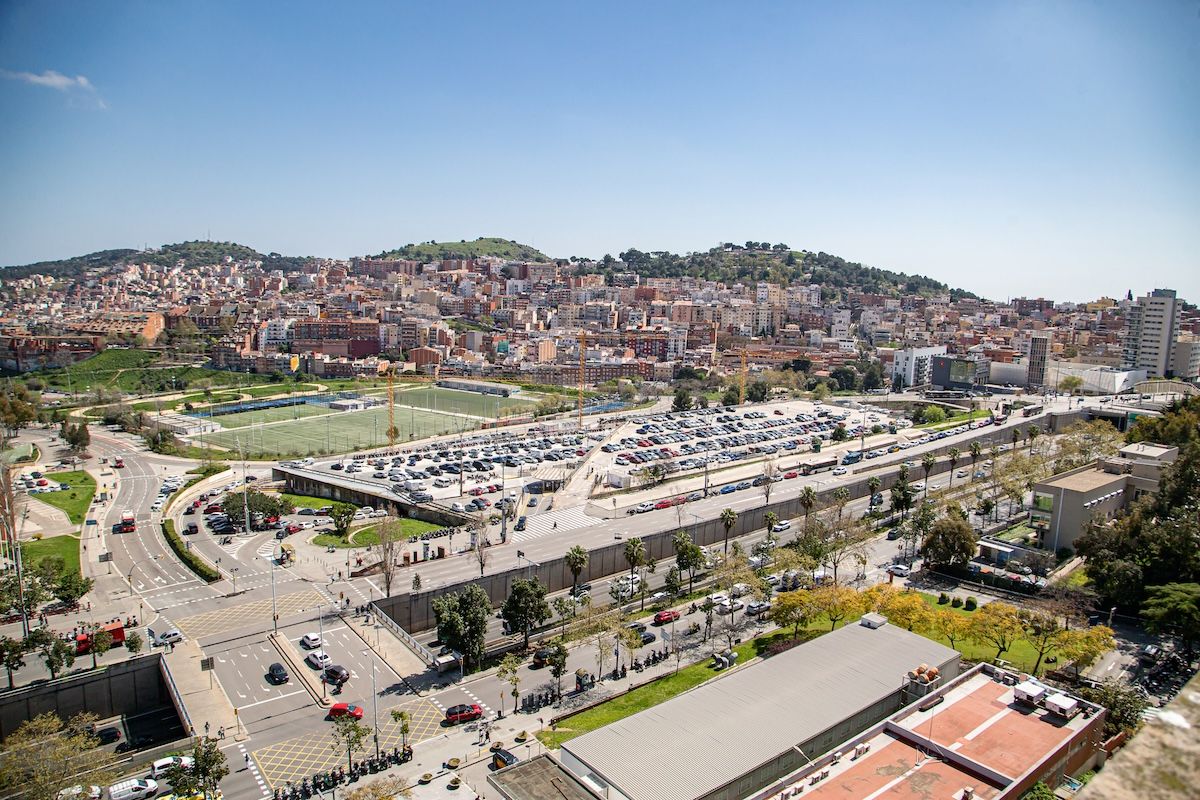
But, without a doubt, the main piece will be the future adult outpatient consultation building, which will be on the other side of the Ronda, already in the Teixonera neighborhood. It will be built on a municipal concrete slab. Below it are the L3 metro depots and TMB offices, crowned by a B:SM parking lot and a municipal crane depot. The distance that now separates it from the hospital will be urbanized, above the Ronda, as will also be done at the CaixaResearch Institute.
In this building, designed by architects Diego Nakamatsu and Lluís Morán, almost all of Vall d'Hebron's outpatient services, until now also dispersed throughout the campus, will be concentrated, in addition to working in a more multidisciplinary way. With an investment of 100 million euros, the new building will have 250 consultation rooms spread over ten floors. "It will transform Barcelona's skyline," says the hospital's care director, María José Abadias. The space will respond to the 1.2 million patients the center attends each year.
The works have just been put out to tender. "Soon, earth will begin to be moved," Abadias remarks. First, demolitions will have to be carried out and the hole into which the external consultation block will fit. Once this phase is completed, construction work will begin. The forecast is that the works will start this summer and finish in 2029. For later, the construction of a new building will remain, where all emergencies, with the exception of pediatric ones, the new pharmacy, and the hospital's logistical activities will be concentrated. It cannot be addressed until the new building on the other side of the Ronda is finished.
A second headquarters for VHIO
VHIO, a leading center in oncological research directed by Dr. Tabernero, also wants to grow because it no longer has available space to incorporate new areas of study. It will do so on a plot of land next to its current headquarters, the Cellex building. The land was purchased more than two years ago. The forecast is that the works will last three years and its second headquarters will be finished in 2028. The investment will be between 30 and 35 million euros.
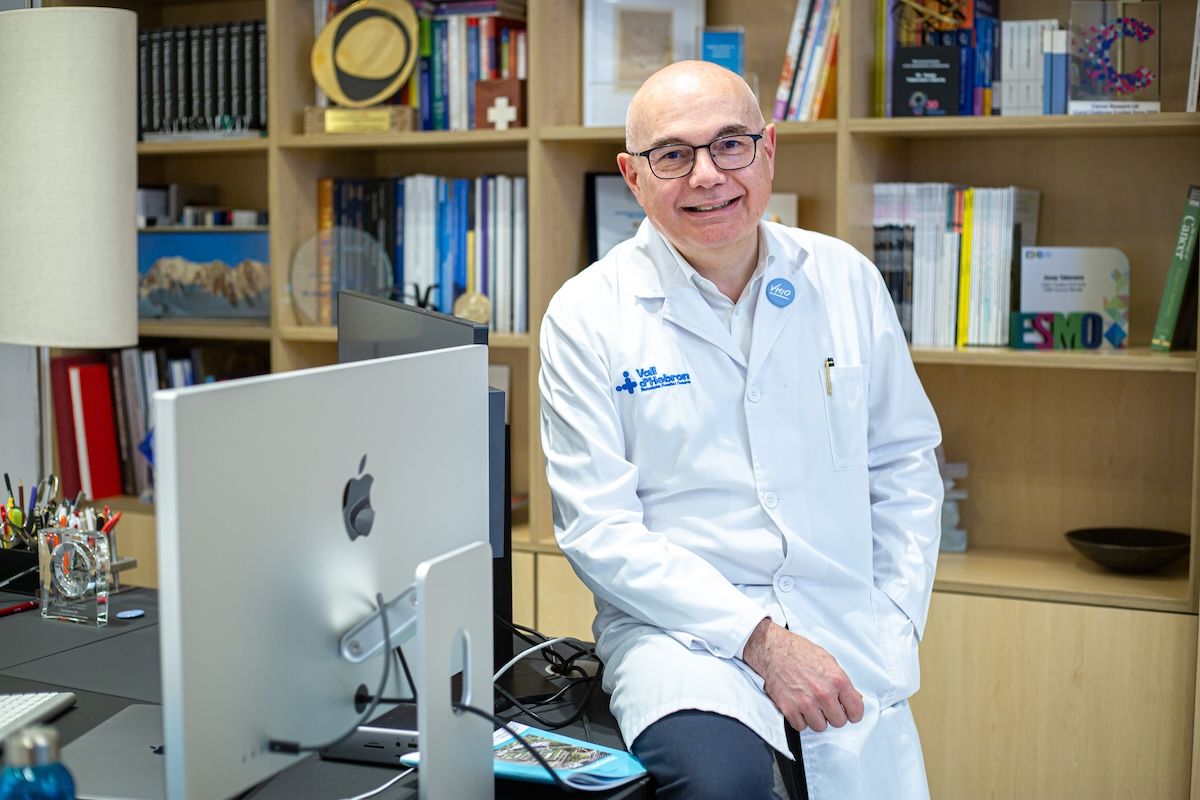
The institute wants to expand to be able to address research lines that did not exist when it was created almost 20 years ago, nor were they on the table when the Celex building was inaugurated 10 years ago. "There is a need to investigate more," Tabernero remarks. This will translate into new treatments and improvements in diagnosis, but also into delving into prevention, taking steps forward to understand, for example, the causal relationship between ultra-processed foods and cancer.
In parallel to the construction work of the new headquarters, more personnel will be progressively incorporated, with the aim of exceeding a thousand researchers and fifty research groups. As of today, VHIO is made up of 700 professionals and almost 40 research groups.
Add The New Barcelona Post as your preferred Google source for free
Stay informed with the latest news.
