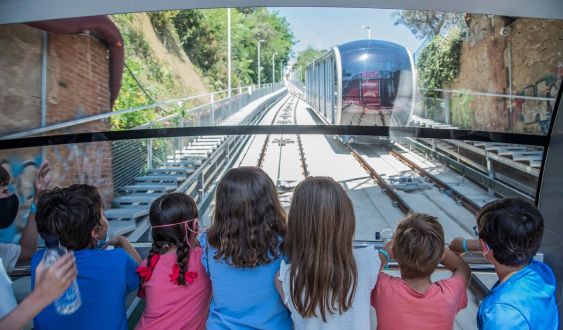
People like Màrius Farran explain the history of Tibidabo. He, who was born on the same mountain, has lived his entire life linked to this park, where he has worked since 1955. "I am a tibidabeño," he claims. And he says it with all the reason in the world because he has lived, literally, on top of it. A mechanic by profession, he began as an apprentice to review the operation of the now-defunct Tramvia Blau, the funicular, and the attractions. When he got married, he was offered to live in the house that was above the funicular station in Plaza Doctor Andreu. And he still lives there. "I would take the funicular and I was already at work," he explains, recalling how his colleagues told him that he didn't even need to take an umbrella on a rainy day to get to the workshops without getting wet.
Since he was 14, Farran has seen how a park that this season celebrates its 120th anniversary has changed and grown. Precisely, the funicular that he has helped to assemble and improve is the element that marks this commemoration. The Tibidabo funicular was the first element of the park ---and the first vehicle of its kind in all of Spain---. Before thinking about the attractions, it was necessary to be able to get there. After a year of construction, its inauguration date was in October 1901.
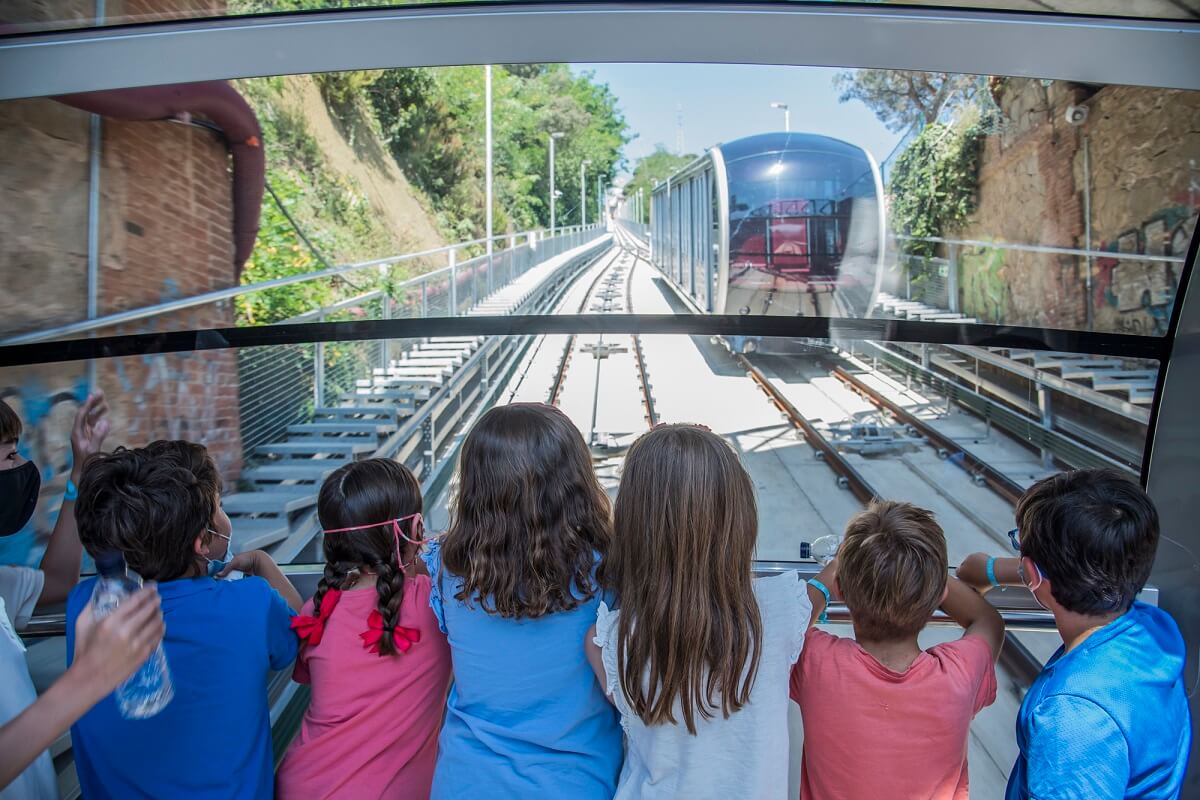
In 1958, with Farran already working, the wooden bodies of the original wagons were replaced by new ones made of sheet metal. The funicular that Farran renovated was in operation until 2019, when it was retired awaiting a new one, the Cuca de Llum. This has been Tibidabo's big premiere on its 120th birthday. With the nostalgia of someone who devised a system to grease the tracks with two Magefesa brand pressure cookers, Farran only has good words for the Cuca: it is fast ---the journey now takes three minutes and before it was seven---, safe and very beautiful, illuminating the mountain when night falls. "It's fantastic," he summarizes. It is also quieter compared to the previous funicular, and now from home, they hardly even notice when it leaves the station.
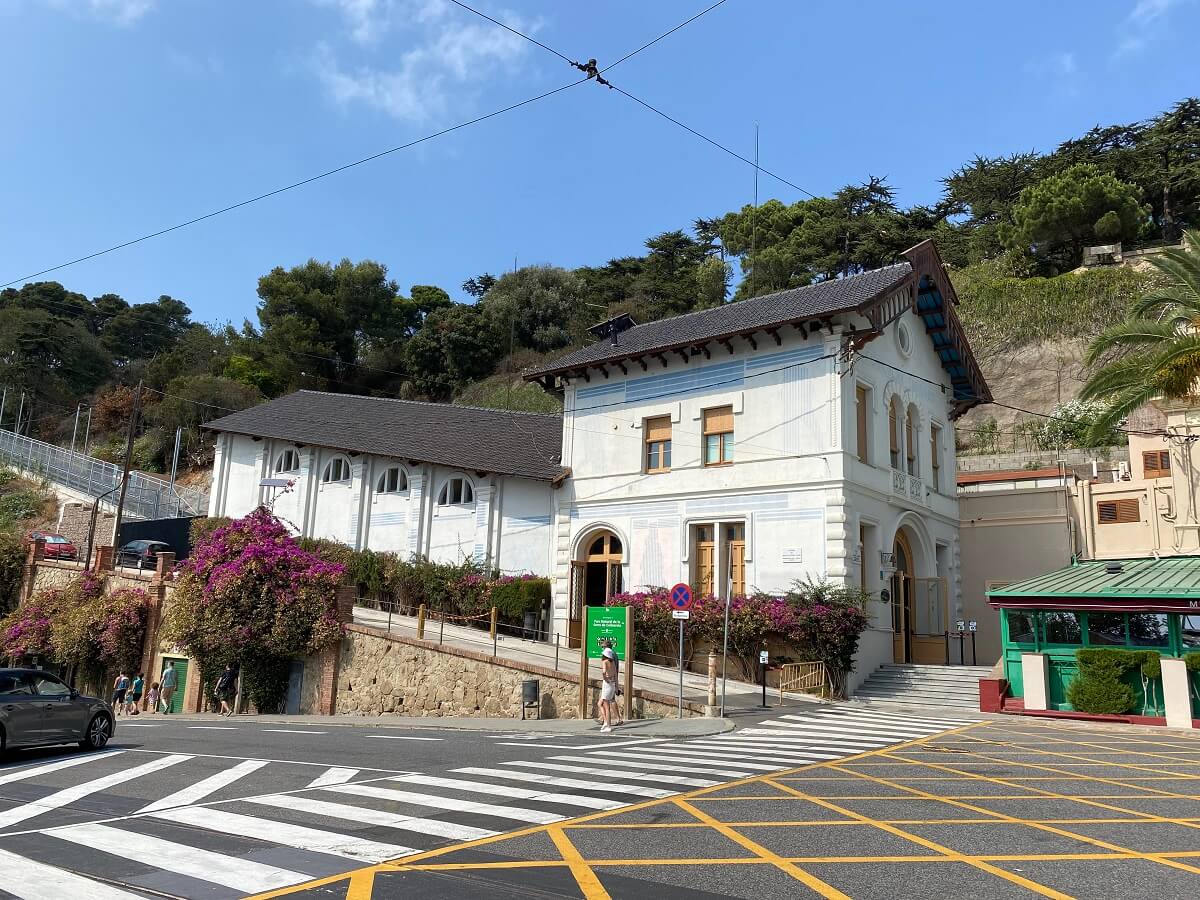
If the main surprise for visitors to Tibidabo this season has been the Cuca de Llum, the big party planned in the park will coincide with the inauguration of the old funicular on October 28, 1901. This will be the date to celebrate the 120th anniversary, which also coincides with the 15th anniversary of Tibiclub, the annual park pass for families. After this tribute to the first piece of the park, Tibidabo also has a second celebration planned for December 18, where the protagonist will be the Atalaya, which turns 100 years old.
Although many think that the Atalaya or the Avión were the first attractions in the park, according to the general director of Tibidabo, Rosa Ortiz, this title belongs to the Buri Buri, now called Embruixabruixes. May 22, 1915, was the inauguration date of this aerial railway, which since then offers privileged views of Barcelona and has maintained its essence throughout all these years. Initially, the staging imitated any public transport trip: the trip cost 50 cents (pesetas) and there was a driver in the first car and flight attendants in each of the cars to convey a sense of security. It was not until 1980 that the figure of the driver disappeared and magic became the central theme of the attraction, with the Buri Buri playing its tricks.
The rest of the attractions that have emerged in the park, such as the Ferris wheel, the swing, the mirrors, the bumper cars, the Roller Coaster or the Hotel Krüeger, have ended up integrating into the memory of Barcelona residents and their imaginary, remarks Ortiz, whose task is to preserve these emblems of the city, as well as to create others that adapt to new times. Examples of this reconversion are the Castle, which has left fear behind and has been invaded by stories ---maintaining some scares---, a robotics space by Lego or an interactive simulator.
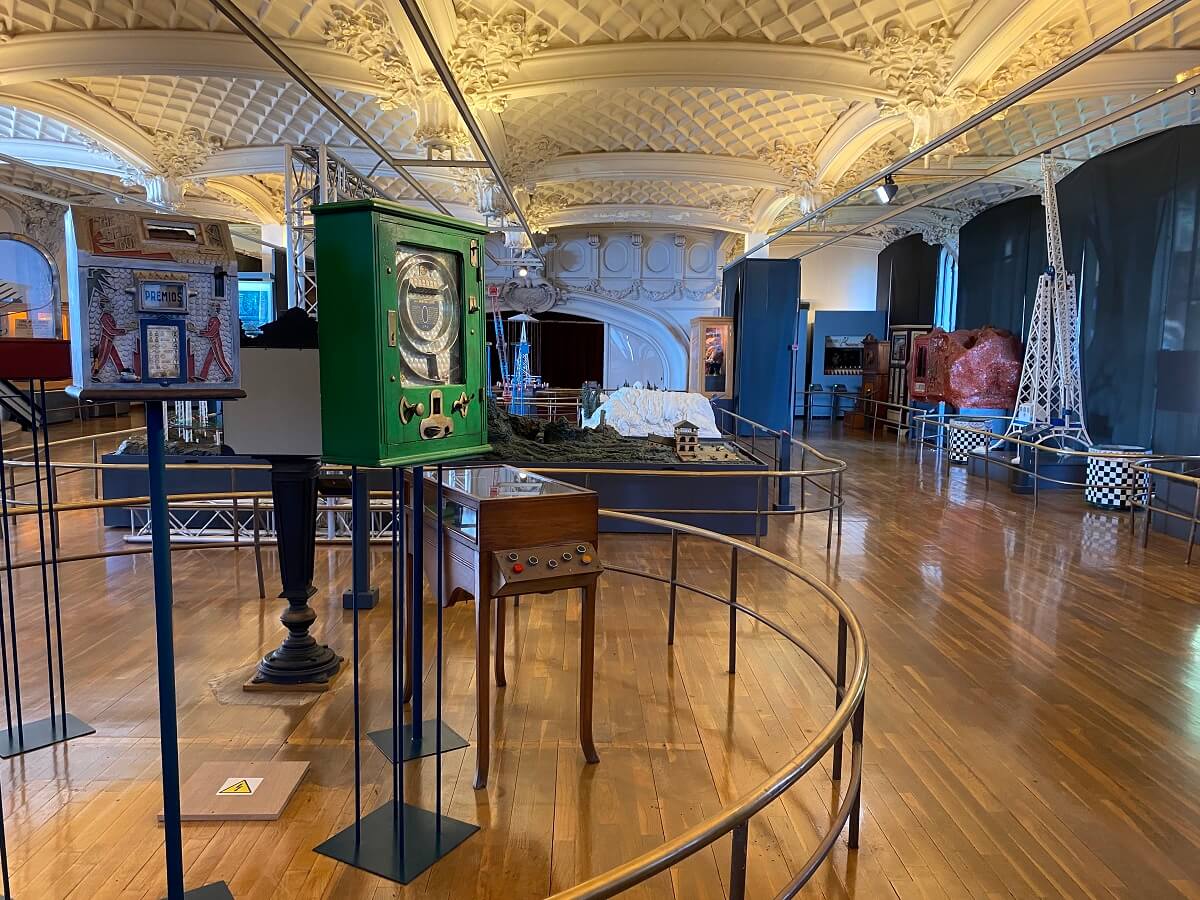
For those always looking for classics, the Museum of Automata, one of the attractions Farran most enjoyed repairing, remains open. Who knows if it won't end up incorporating into its offerings the automaton that Farran himself has built over 20 years and now keeps at home. According to him, it is a unique piece in the world because it can play the harmonica and, furthermore, it is dressed "as a Catalan," that is, with a barretina and espadrilles.
80,000 visitors in August
The park celebrates this anniversary in a context still marked by the impact the pandemic has had on leisure, but improving results compared to last season, which was characterized by continuous opening and closing. In fact, it could only open 50 days and attendance was 16% compared to a normal year.
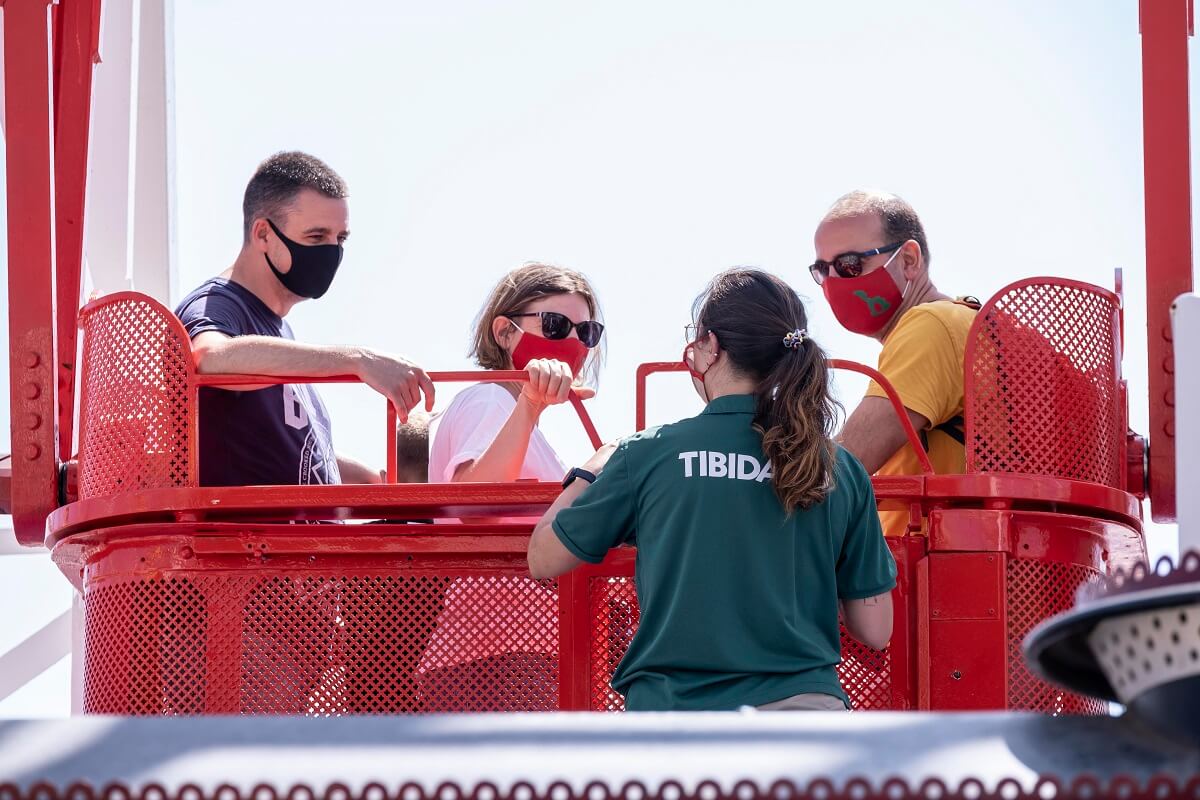
Last year the park could only open 50 daysAfter seven months closed, Tibidabo reopenedon May 15.Masks, hand sanitizer, and distances have become the park's new assistants, in which people are encouraged to book in advance to avoid being left at the door if the maximum capacity of 50% has been reached.
Ortiz makes a very good assessment of this season, with more presence of Barcelonians and selling 80% of available tickets daily. "It's going very well for us. You can tell that people want to have a good time," he explains. Specifically, the amusement park will close August with an attendance of 80,000 people, a figure that represents 60% of a pre-covid season.
Add The New Barcelona Post as your preferred Google source for free
Stay informed with the latest news.
