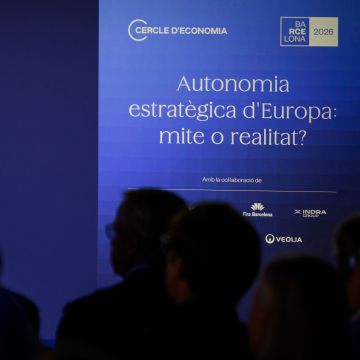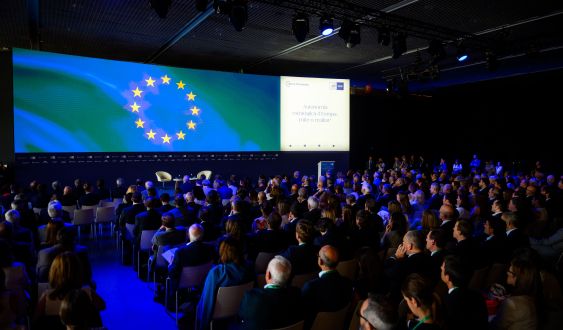
"Europe's strategic autonomy: myth or reality?". Three days after the great debate, with the Palau de Congressos de Catalunya as the setting for debates with dozens of speakers and political, business, institutional and international representatives, the 41st annual meeting of the Cercle d'Economia closes an edition focused on European strategic autonomy and on a big question: if this —strategic autonomy— is a real ambition or simply a well-intentioned political formula.
The president of the Cercle d'Economia herself, Teresa Garcia-Milà, already warned at the inauguration of the Meeting: "The answer to the question that gives title to this edition depends, in large part, on what we do." And, ultimately, on the conclusions drawn and the decisions made.
However, the Cercle has articulated the conversation through three scales —Catalonia, Spain and Europe— and four questions that, more than a debate program, have outlined the main dilemmas of the European project these three days: can Europe achieve true technological sovereignty? Can it decarbonize its economy without sacrificing competitiveness? Who will finance the transformation it needs? And in which sectors can it still aspire to lead the world?
During these three days, the answers have not always coincided. But a fundamental consensus has emerged: strategic autonomy is no longer an abstract aspiration or a political slogan. It is a necessity imposed by a more fragmented, more competitive world less willing to guarantee the dependencies that Europe had taken for granted. The question is whether the continent is willing to assume the costs —economic, regulatory and political— that converting this ambition entails.
What have the main speakers answered to the big question? We also articulate it in four sovereignties: financial, energy, technological and defense. Four different sovereignties that share the same demand: more scale, less fragmentation and an execution capacity that Europe has not yet achieved.
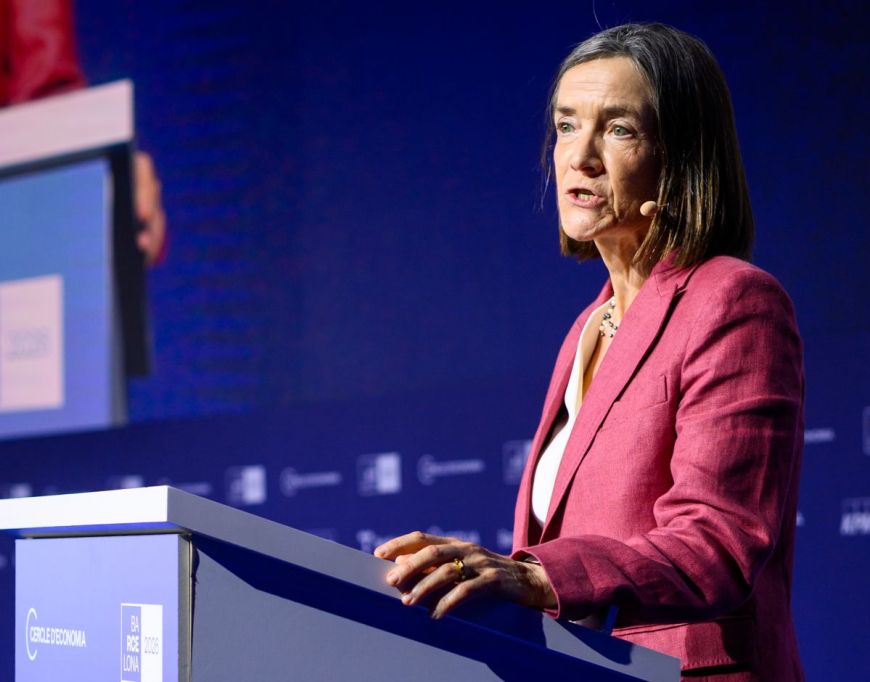
Financial sovereignty: the limits of the European single market
If there is one word that has been especially present during the debate of the Annual Meeting, it is financing. And, almost always by its side, another concept has appeared: fragmentation. Throughout the sessions, these two ideas have been repeated until they paint a portrait of a Europe that, despite its potential, still fails to transform it into real scale. In response to this limitation, one of the keys to the recipe drawn up by the Cercle's annual meeting has emerged: the need to complete a true European single market.
In fact, this should be one of the continent's great assets: a market of 450 million consumers with high purchasing power. But this single market is still more aspiration than reality. "More than a regulatory problem, I see a problem of fragmentation in the European Union," said the Director General of Economics of the Bank of Spain, David López Salido. This fragmentation has to do, according to the executive, with differences in taxation between countries, but López Salido has assured that, if an effort is made to reduce these divergences, "significant gains" could be obtained.
For his part, the president of CaixaBank, Tomás Muniesa, has focused on the slowness of the system. "In Europe, we regulate so much that markets are not very agile, and that makes it very difficult for us to carry out any process," he lamented. According to Muniesa, the excess of bureaucracy and regulation reduces the competitiveness of companies that operate in an increasingly fast global environment. At this point, López Salido, despite sharing part of the diagnosis, recalled that regulation plays an essential role after the 2008 financial crisis.
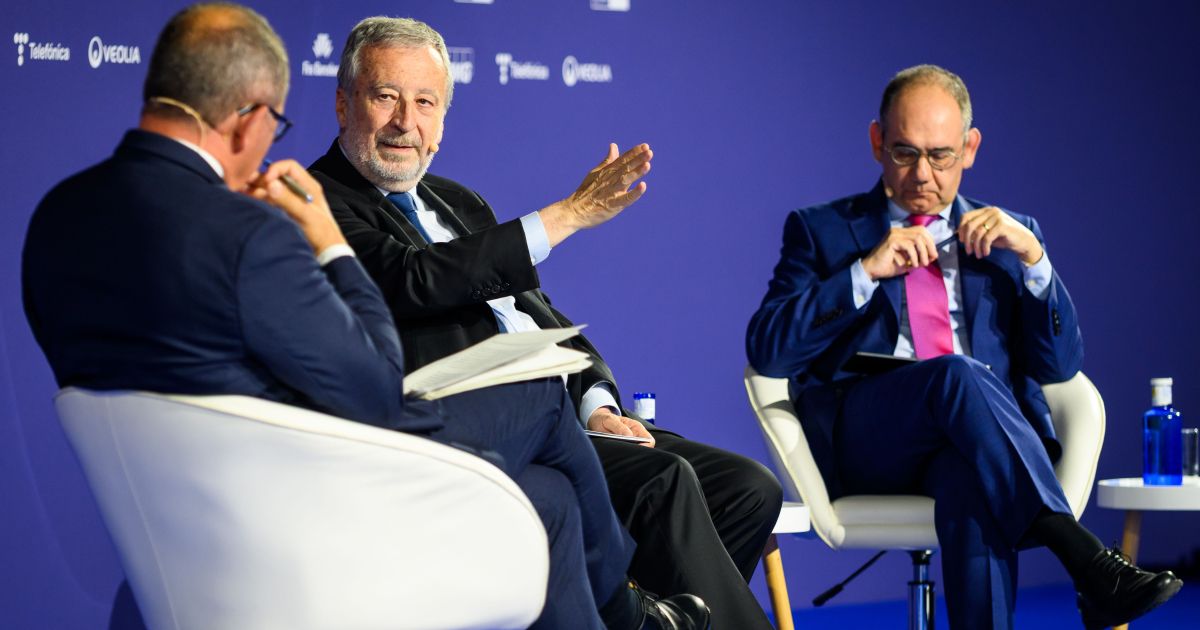
But this need to gain scale has not only remained in the financial field, but has also permeated the political debate of the Annual Meeting. The Minister of Industry and Tourism, Jordi Hereu, defended during his speech the need to increase the community budget to 2% of European GDP. "We need more and better Europe," he stated, demanding the ability to "mobilize everything" to face the industrial, energy, and technological transformations that the continent needs.
With financing as a recurring concept in the Cercle's debate, it is no coincidence that the two main political announcements of the Meeting have materialized precisely in the form of investment. Two announcements on two different scales, but pointing towards the same need. The President of the Generalitat de Catalunya, Salvador Illa, presented, during the inauguration of the Annual Meeting, a new infrastructure package valued at more than 3,000 million euros, with projects ranging from the stations of the central section of the L9 to new road and rail infrastructures. "We must think big, with ambition and drive," he defended.
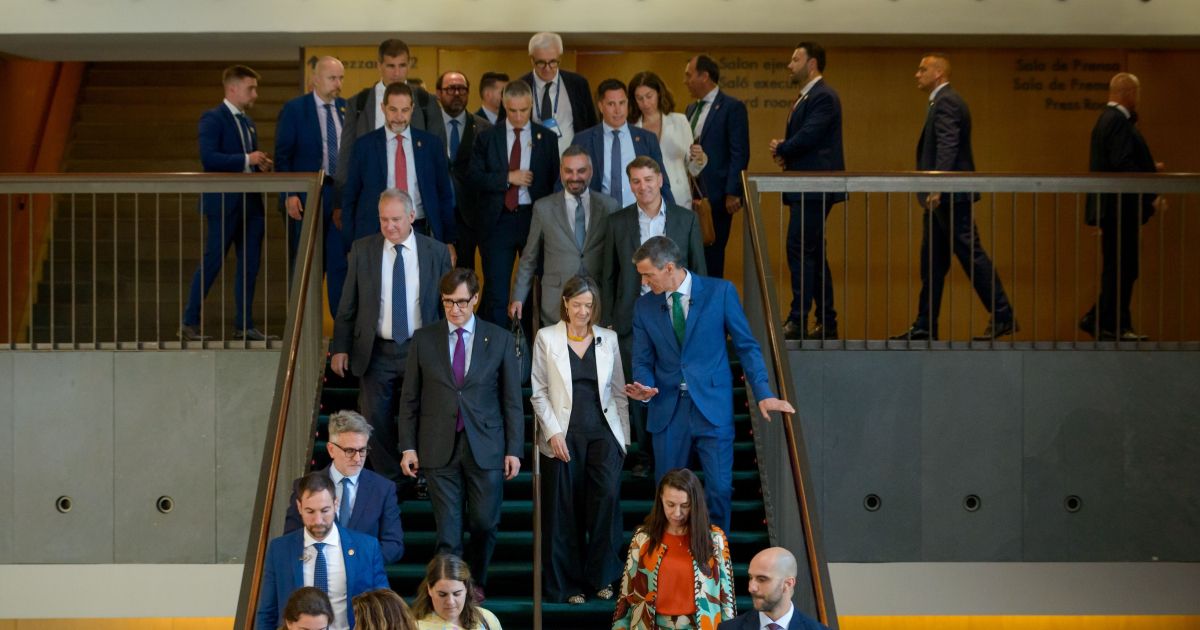
Pedro Sánchez, for his part and at the close of the Meeting, took the opportunity to announce the start of the processing of the future general state budgets for 2027. State accounts that he defined as "more ambitious, more social and more fiscally responsible," with a strong commitment to housing policies.
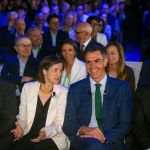
Despite the diversity of voices, the recipe that emerges from the Annual Meeting regarding financing seems clear: more investment —with a larger community budget—, less fragmentation —with an eye on a true single market— and more scale.
Energy sovereignty: decarbonizing without deindustrializing
But Europe's autonomy is not limited to financing and is also played out in another key area: energy. A field in which, in recent months, Europe has once again shown its dependence and fragility, with the Strait of Hormuz crisis as a catalyst.
"There is no strategic autonomy if there is no guaranteed supply," warned Antonio Brufau. The president of Repsol has been especially critical of a European strategy that, according to him, has prioritized sustainability without at the same time protecting the productive base. "Europe has based its energy strategy outside of its industrial strategy, and that is an absolute barbarity," he stated. Brufau illustrated this paradox with a graphic example: while Europe has reduced its emissions, part of its industry has moved to countries like China, where environmental standards remain very different.
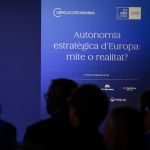
However, other speakers have wanted to qualify this reading and have stressed that sustainability should not be a limitation, but an opportunity and a key investment for Europe. Daniel Tugues, director of Veolia Spain, has defended an "intermediate path" and has assured that the energy transition and industrial competitiveness are "absolutely compatible".
Francisco Reynés, president of Naturgy, has completed the diagnosis by pointing out another structural weakness: the lack of a true European energy policy. "Nobody takes advantage of the diversification of supply sources, and there is no energy exchange between countries because there is no European energy policy," Reynés said, referring to the limitations of the continent's energy interconnections, and recalled, for example, that the energy connection with France through the Pyrenees via Catalonia has been stopped for years.
For this reason, Reynés has pointed to a clear recipe for European energy sovereignty: strengthen interconnections between countries, move towards a true common energy policy, and promote an energy transition that can be compatible with industrial competitiveness.
Technological and scientific sovereignty: innovate more, regulate better
But if there is one area where European dependence generates more concern, it is technology. From semiconductors to health, the different interventions have drawn the same concern: Europe continues to lag behind in sectors that will mark the competitiveness of the coming decades.
The CEO of Openchip, Francesc Quim, has been especially forceful: "China and the United States are 30 years ahead of us." Given this situation, he has argued that Europe must be "extremely aggressive in investments," as the current dependence is "brutal."
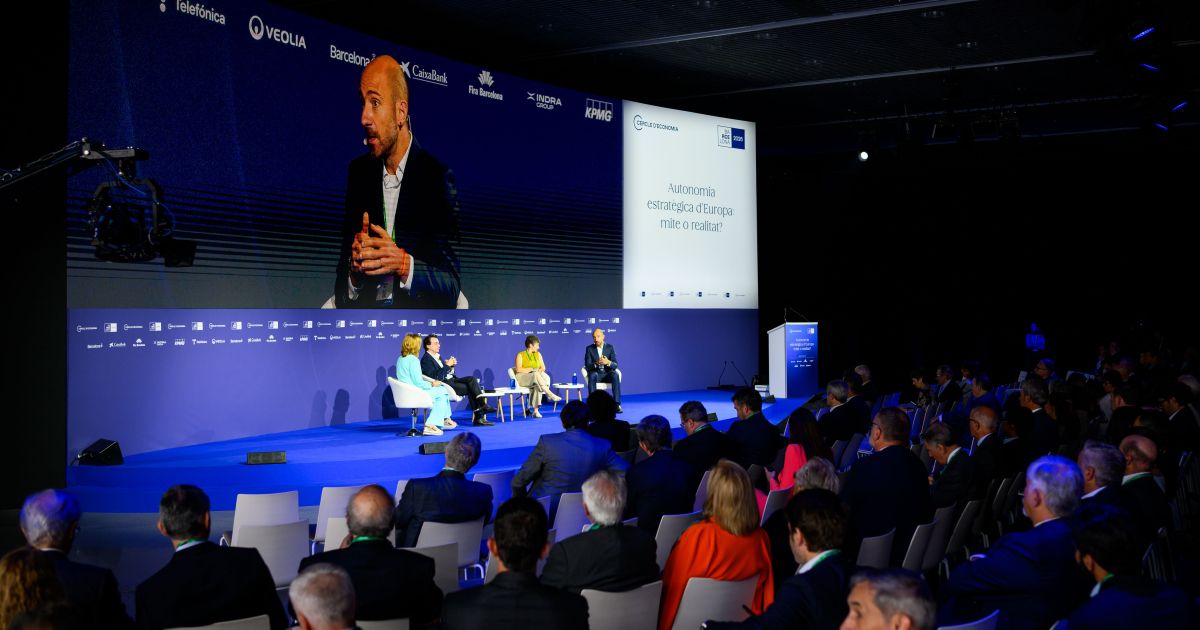
The same idea has appeared in the field of health. Laura Colón, president of AstraZeneca Spain, has insisted that innovation should not be considered an expense. "Without health there is no economy," she recalled, claiming the role that new medicines have had in increasing life expectancy and the quality of life of the population. As she explained, while the United States allocates approximately 0.8% of GDP per capita to science and new treatments, Europe remains around 0.3%.
Francesc Quim (OpenChip): "China and the United States are 30 years ahead of us"
But almost all speakers have agreed on the same conclusion: investing more is necessary, but not enough; we also need to innovate faster. From KPMG Spain, its president Juanjo Cano, has called for simpler, more efficient, and growth-oriented regulation. Along these lines, Colón has given a particularly illustrative example: while the approval of a new drug can take about 60 days in the United States or China, in Europe the process extends to 110 days, to which the respective national procedures must be added.
The president of Telefónica, Marc Murtra, has synthesized a large part of the solution to the technological debate in a single sentence: "European sovereignty involves simplifying regulation, building our own technology, and assuming the risk of failure." Murtra has pointed out that the diagnosis is widely shared —"all paths and reports lead us to Rome"— and that now the challenge is to move from diagnosis to action, assuming that simplifying regulation also implies taking risks.
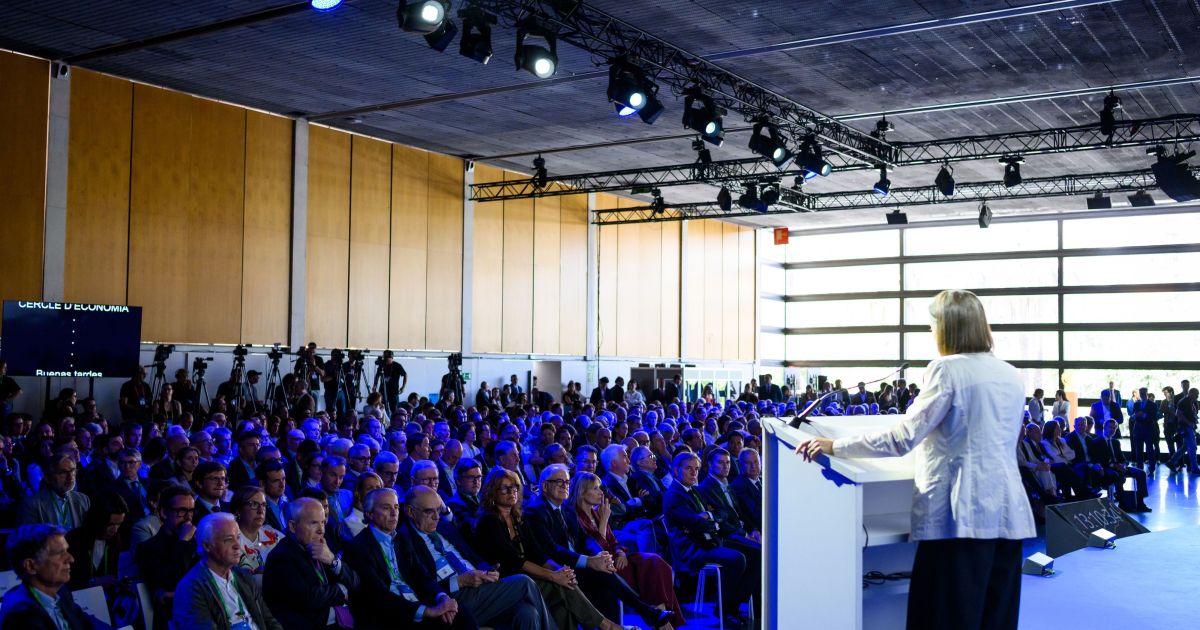
For his part, Juvencio Maeztu, president and CEO of Ingka Group (IKEA), has reminded that regulatory simplification should not go against European values. "We must be radical in simplification, but without compromising its 'why'," he stated. In this sense, he has stressed that regulation also protects values such as sustainability, social cohesion, and equal opportunities.
Marc Murtra (Telefónica): "European sovereignty involves simplifying regulation, building our own technology, and assuming the risk of failure"
This debate about excessive regulation and Europe's capacity to act has also ended up moving to the institutional arena. Both the Minister of Foreign Affairs, José Manuel Albares, and his Polish counterpart, Radosław Sikorski, have defended the need to review some of the European Union's decision-making mechanisms. In a context of enlargement to new countries, both have warned of the risk that the right of veto —whereby any member state can block a decision that must be approved unanimously— could end up hindering or even blocking strategic decisions.
Defensive sovereignty: a "strategic" opportunity for Europe
With all these challenges on the table, the Annual Meeting of the Cercle d'Economia has also highlighted a great opportunity for Europe and Catalonia: defense. An area that, only a few years ago, would have been difficult to imagine occupying such a central role in an economic meeting. In this edition, however, right from the inauguration, it has been positioned as one of the great challenges.
Teresa Garcia-Milà recalled on the first day that Catalonia has more than a hundred companies linked to the aerospace and defense sectors, but that the current weight of this activity is still small compared to the existing technological potential. "This is an anomaly that we now have the opportunity to correct," she stated.
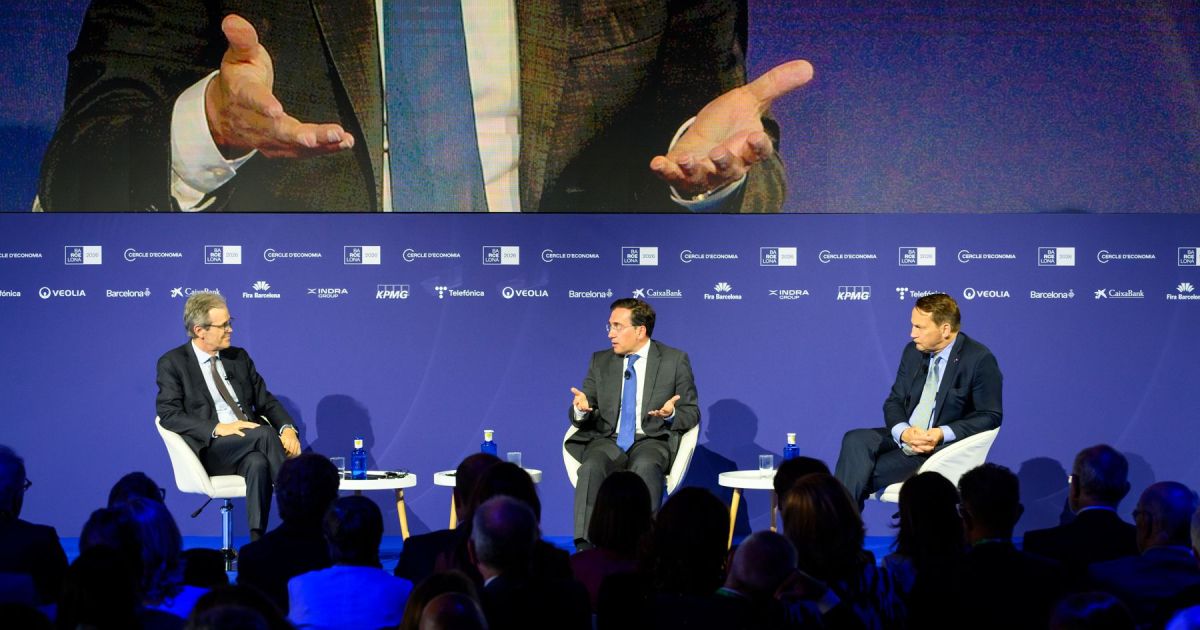
But beyond an opportunity, the Ministers of Foreign Affairs, José Manuel Albares and Radosław Sikorski, have agreed to highlight it as an urgent necessity in an increasingly demanding international context. Albares has even raised the possibility of a European army that, without replacing national armies, could act when "the dimension of the threat is European or it is necessary to project forces abroad."
But defense is no longer just a military issue, but also technological, industrial, and even spatial. "One cannot depend on the United States for such critical infrastructures as telecommunications," warned Jaume Sanpera, CEO of Sateliot. According to the executive, Europe has technology and investment capacity, but needs large-scale contracts that allow its companies to compete globally.
Roser Roca, managing director and CEO of Airbus GeoTech, has gone a step further and called for more regulatory flexibility to be able to promote large common projects, referring to the project of the three major European groups in the sector —Thales, Leonardo and Airbus— to create a new joint venture. "We need competition laws not to limit us and to help us make history once again," she warned. In regulatory terms, Adrià Argemi, CEO of Pangea Aerospace, pointed out that Europe still has "a long way to go" and that it is necessary to move towards a more homogeneous regulatory framework.
Once again, the diagnosis was repeated: Europe has technology, talent, and industrial capacity, but it needs financing and administrations capable of boosting and scaling these assets. Thus, although in this and other areas the responses have not always been unanimous, a single European recipe has been taking shape: more scale, more integration, and more investment capacity. This is the path that emerges from the Cercle's Annual Meeting for Europe's strategic autonomy to cease being an aspiration and become a tangible reality.
Add The New Barcelona Post as your preferred Google source for free
Stay informed with the latest news.