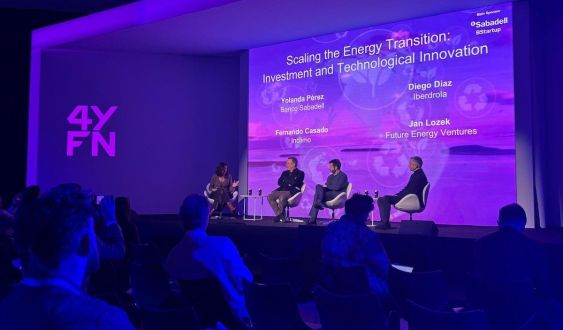
The global energy transition is still far from what is needed to meet climate goals
A sector that is advancing, but not fast enough
The speakers have agreed that the global energy transition is already underway, although the pace is still far from what is needed to meet climate goals. According to Lozek, in 2025, around 2.3 trillion euros in the energy transition worldwide, a figure that reflects significant growth. However, the investor has warned that the challenge is not only to invest more, but accelerate the deployment of existing solutions. From his perspective, Europe faces three major bottlenecks: a lack of global ambition to compete with other markets like the United States, an energy infrastructure that needs to become smarter and more digital, and still insufficient collaboration between startups, corporations, administrations, and investors. The energy system must operate 24 hours a day, seven days a week. Innovating in it requires all actors to work together," he said.Electrification: the great challenge of the next decade
For Díaz Pilas, one of the main challenges is to increase the weight of electricity within global energy consumption. In Spain, close to 35% of the energy consumed already comes from clean sources, although electricity still represents only 25% of the total energy mix. The rest continues to depend on fossil fuels to move vehicles, heat buildings, or power industrial processes.Díaz: "The focus now is to deploy, regulate and accelerate""The challenge is to grow that 25% to 30%, 35% or 40%," he explained. To achieve this, he stressed the importance of invest in electrical grids, essential for connecting the growing renewable generation with demand. In addition, he recalled that many of the technologies needed to advance are already available: electric vehicles, heat pumps or thermal storage solutions for industry. "Most of the hardware already exists. The focus now is to deploy, regulate and accelerate," he said.
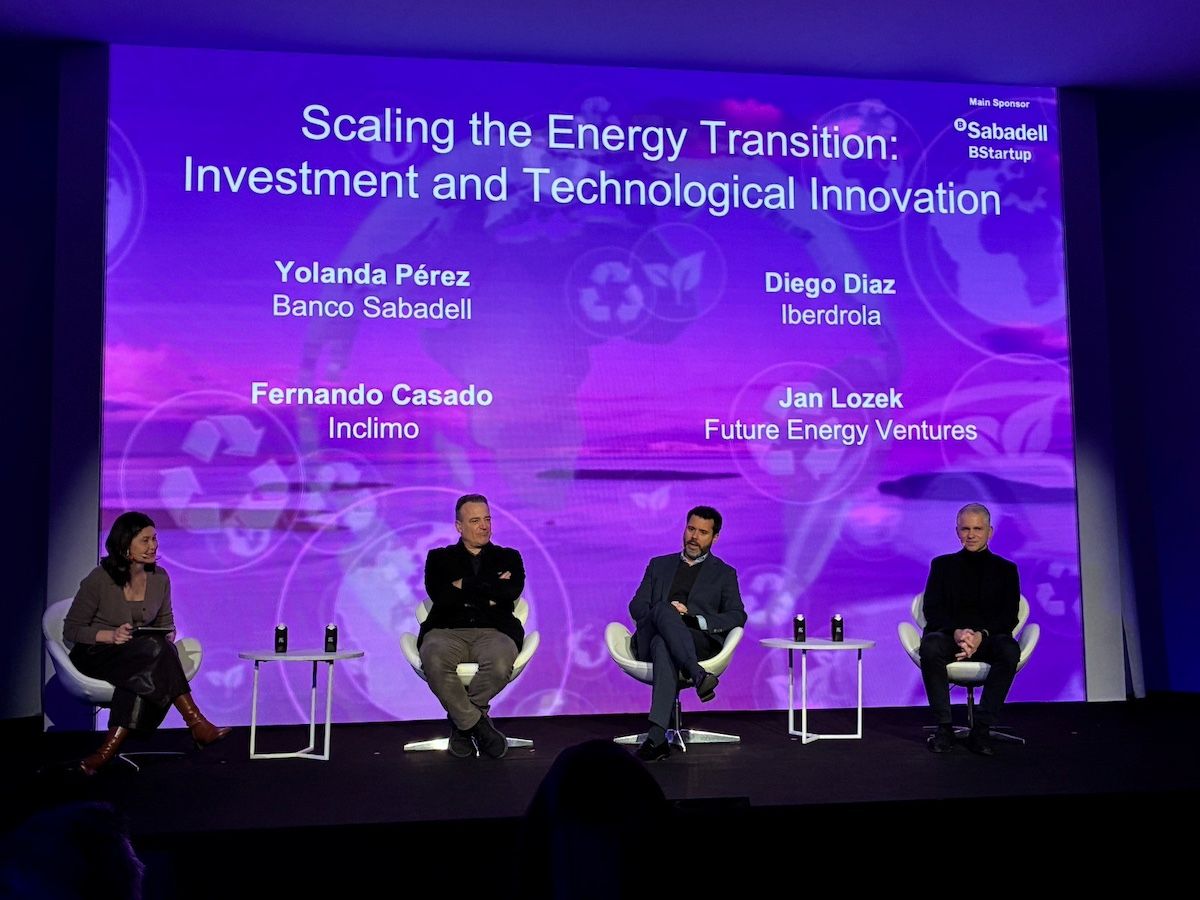
Infrastructure and regulation: two critical gaps
Fernando Casado has highlighted another structural obstacle: the gap between technological evolution and regulatory frameworks. Current electricity grids, he explained, were designed for a centralized and predictable energy system, very different from the current renewable model, characterized by distributed generation and the variability of sources. "We have a double gap: obsolete infrastructure and outdated regulation," he warned.Casado: "We have a double gap: obsolete infrastructure and outdated regulation"This situation limits the ability of startups to scale their solutions and demands significant investments in network modernization, digitalization, and systemic innovation. In this sense, Casado has defended the need for patient capital, with investment horizons of between 10 and 20 years, if the aim is to truly transform the energy system.
Where investment is happening
Experts have also agreed that the global context is pushing investors towards technologies with already proven business models. Currently, a large part of the capital is directed to sectors such as renewable energy, the electrification of transport, or industrial solutions capable of offering clear returns in the short and medium term.Lozek: "If we invest in good business models, the climate impact will arrive anyway"According to Lozek, this approach responds to an economic logic: "If we invest in good business models, the climate impact will arrive anyway." In his opinion, Europe should adopt a more pragmatic and results-oriented mindset.
From pilot to market
One of the central themes of the debate has been the role of startups in the energy transition and the difficulties many encounter in moving from the pilot phase to commercial implementation. Casado has pointed out that one of the most common mistakes is to rely excessively on favorable regulatory frameworks or public incentives to justify the business model. In his opinion, the startups that truly manage to scale are those capable of competing in price and value even without subsidies. He has also criticized the proliferation of pilots that drag on for months without real prospects of scaling. "Communicating the failure of the pilot as soon as possible is the best way to help a startup scale, because it allows it to pivot quickly and reorient its resources without delay," he stated. From the corporate perspective, Díaz Pilas has pointed out that the main challenge is usually the technological timing. In a sector with long investment cycles and high demands in terms of reliability, testing solutions before they are ready can close off future opportunities.The human factor, decisive
To close the conversation, Lozek recalled that, beyond technology or capital, the most determining factor in the success of startups continues to be the entrepreneurial team. "The entrepreneurial person is the differentiating factor," he pointed out. "Resilience, ambition, and the ability to pivot are the qualities that truly make a difference." The session highlighted that accelerating the energy transition will require smarter infrastructures, greater collaboration among ecosystem actors, and a determined investment in scalable technologies that are already available.Add The New Barcelona Post as your preferred Google source for free
Stay informed with the latest news.
