The exhibition Seny i rauxa. Notícia de l'arquitectura catalana, which you can still visit at DHub until September 6, is an incredibly dense survey of modern Catalan architecture (it's a wonder they haven't slipped in the Gothic, Romanesque and the Temple of Augustus too). It leaves you thoroughly stuffed, if wholesomely so: you end up seeing everything — the beauty we're capable of creating, and also the profound ugliness we're just as capable of erecting. It's a holistic overview weaving together photography, models, text, and furniture (plus the odd stroke of painterly genius), one that sets us before that famous mirror of seny and rauxa — common sense and impetuosity, the two poles said to define the Catalan temperament. There's just one small problem: it's hard to tell one from the other.
Let me explain. If you call an exhibition Seny i rauxa, the narrative should stick as closely as possible to that wonderfully suggestive title. Instead, what we have is a very impressive survey of our architecture and urbanism that does not label things too much, describe them too closely or pass too much judgment — leaving each visitor to decide for themselves which piece belongs to reason and which to madness, or at the very least to point out the traces of restraint and abandon coexisting within a single work. No: the curators have opted to leave out nothing and no one, with the result that drawing any line between seny and rauxa becomes virtually impossible. It could have been done with a narrator, a scriptwriter, a storyteller. Instead, one senses they consulted an encyclopedia salesman.
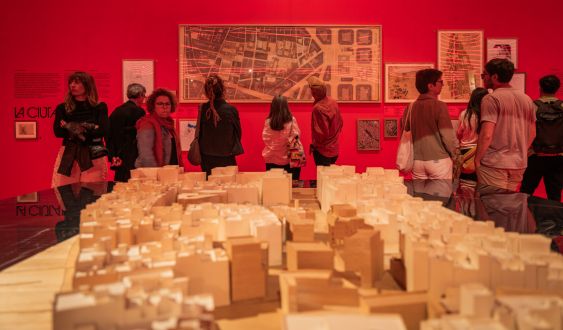
It is a beautifully presented, enormous exhibition, splashed with a vivid red that surrounds the entire gallery and its central panels. Photographs and texts hang along them (with useful numbering to guide you), while the central spaces are given over to models, objects, books and specialist magazines. The exhibition takes us from 1875 to the present day, and I stress: you leave it having learned a great deal. The chronological order is also divided thematically into The Room, The House, The Apartment Building, The Buildings, The Street, The Old City, The New City and, naturally (sigh), The Territory.
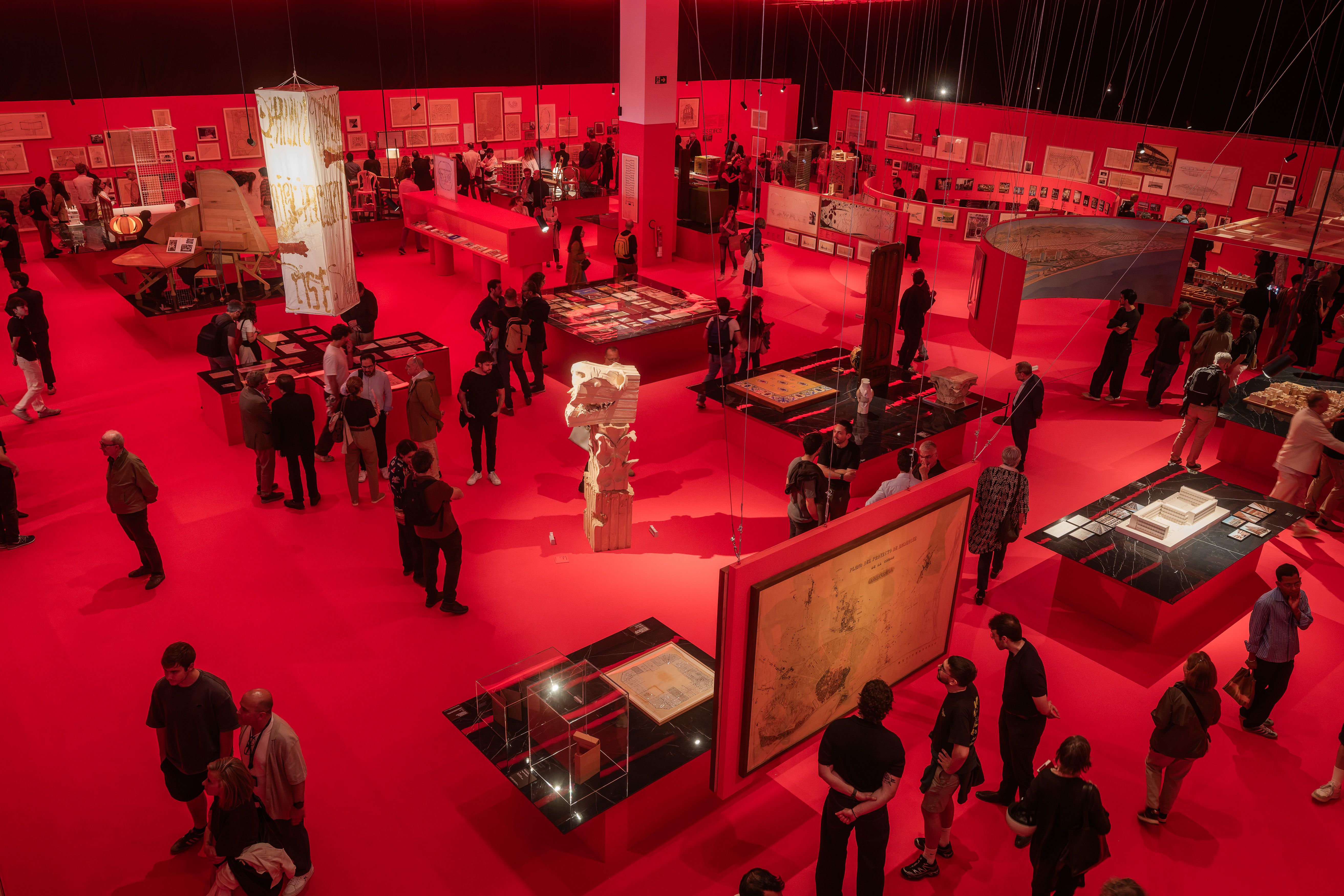
Fortunately, the sculptures by Tàpies (a large floating rectangle) and Barceló (a dragon-shaped totem made of molten bricks) bring some breathing room to the entrance, which immediately invites us to follow the side panels. They begin, thankfully, with Antoni Gaudí’s room/studio and a splendid painting by Ramon Casas (Interior), already set against a graphic representation of a 1976 musical work by Anna Bofill Levi (Quartet for Piano, Harpsichord, Guitar and Percussion). From there, we are faced with a vast torrent of graphics, photographs, plans and drawings, all numbered and identified, with only the briefest of explanations, which we are left to piece together through the description of each section. In other words: we end up skirting around the exhibition’s central theme — which architecture embodies seny (common sense) and which embodies rauxa (impetuosity). Which happens to be the very question that drew me here in the first place. Instead, what we get is an enormous, and far from negligible, compendium of the Catalan contribution to architecture and urbanism.
Tusquets, Bofill, Gaudí, Domènech i Montaner, Puig i Cadafalch, Bohigas, Tagliabue, Coderch, Jujol, Florensa, Folguera, Duran i Reynals, Miralles... Walden Building, Casa Batlló, Casa Milà, Casa Navàs, Casa Cabtarell, Casa Horitzó, Casa Gomis (or "La Ricarda"), Casa Cambó, Casa Tàpies, Casa Planells, Casa Tecla Sala, Fonda Espanya, Palau Güell, Santuari de Meritxell, Vila Olímpica, Torre Urquinaona.

Wooden beds (a Modernist bed with four credited authors), iron beds (one with no author at all), the garret apartments of La Pedrera (alongside a marvelous floor plan of the interior layout, signed by Gaudí himself) — set against the horrors of the buildings on Carrer de Navas de Tolosa (Bohigas) or the housing block on Avinguda Meridiana (Bohigas's well-known "beehive"). Faculties, schools, bars (delicious photos of Marsella and London), nightclubs, Olympic villages (again Bohigas's curious Icarias).
The Els Encants and Santa Caterina Markets (the latter's model comes with a photomontage sky set into the ceiling above it), hydraulic floor tiles laid near Gaudí's doorways and the Sagrada Família's capitals, Picasso and Miró turned to urban decoration, the Scottish Parliament, world's fairs, sketches of the (still dreadful) Plaça dels Països Catalans, even new urban plans for Olot and Reus — "the territory," of course, handsomely illustrated here with Vayreda's lovely La Terrassa — tables, chairs.
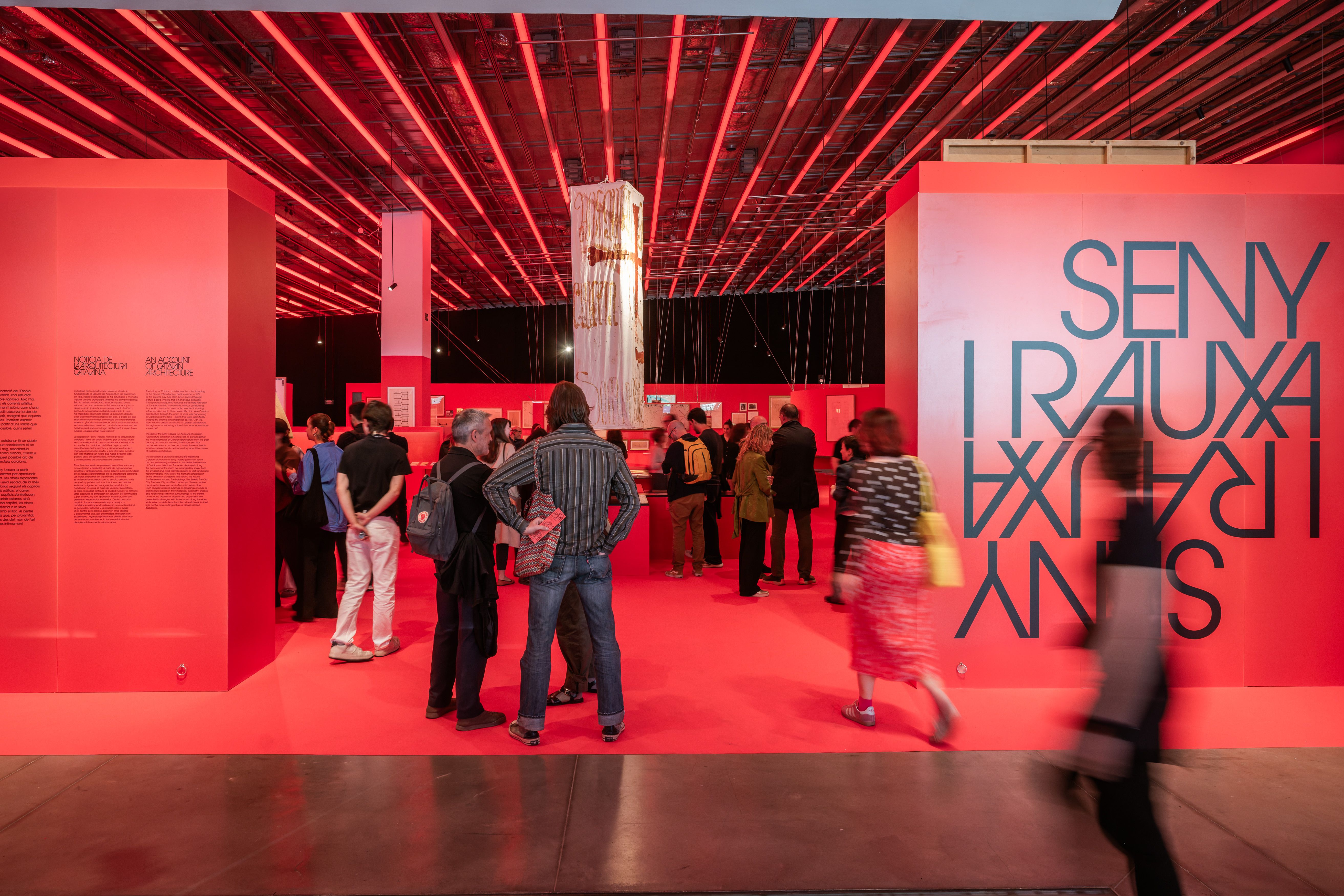
Seny and rauxa are there but incognito. Good luck spotting them. If the aim was a group photo in which no one was left out, they have pulled it off with flying colors. If the aim was a story, I'm afraid there isn't one: what we get is closer to a portrait, a "stand still or you won't make it into the picture," a two-century catalogue of everything we know how to do. That's no small thing — in fact, it's a great deal. To walk into this exhibition is, one way or another, to walk into an extended monologue on one of the defining traits of our creativity, and it's a shame, therefore, that it doesn't come with a firmer editorial hand. Had the architects themselves confined their work to merely describing reality, after all, they would all have ended up with minds as grid-bound as Cerdà's. Fortunately, as this exhibition demonstrates at every turn, we've never been short on imagination — or on rauxa.
Add The New Barcelona Post as your preferred Google source for free
Stay informed with the latest news.