Next year will mark one hundred years since the death of Antoni Gaudí i Cornet. He died on June 10, 1926. Numerous events and activities will introduce the architect from Baix Camp, through his works and his life, throughout a whole year that has been declared Any Gaudí.
The anniversary of Gaudí's death has been the beacon guiding the culmination of the tower of Jesus, the last and tallest tower that the Sagrada Família temple will have. It will measure 172.5 meters high. In the city of Reus, next year's commemoration has also motivated the desire to create a sculpture of the architect, as an adult, because the capital of Baix Camp already has a figure of Gaudí as a child. A few months ago, the Amics de Gaudí de Reus association launched a campaign to raise funds to materialize this three-dimensional representation of the architect at work, by the Tarragona sculptor Joan Serramià.
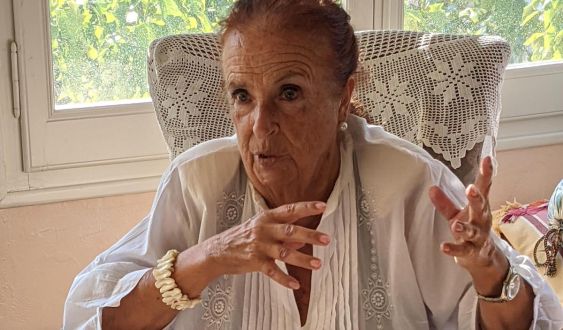
The Amics de Gaudí de Reus, who this year celebrated seventy years since their founding, is an entity with about seventy members chaired by Maria Teresa Gaudí, Antoni Gaudí's great-niece. In her family's genealogical tree, her paternal great-grandfather is listed as the brother of the celebrated architect's father. She, who will turn eighty on January 14, never met him, but remembers when and how her father and her "padrineta," her father's sister, spoke of him at home.
"Both of them, who must have been eight and ten years old, more or less, were taken to Barcelona to see their uncle ---Gaudí--- work, at the Sagrada Família. The towers impressed them greatly, and Gaudí, who always carried hazelnuts in his trouser pockets, shared his nuts with them," explains Maria Teresa Gaudí.
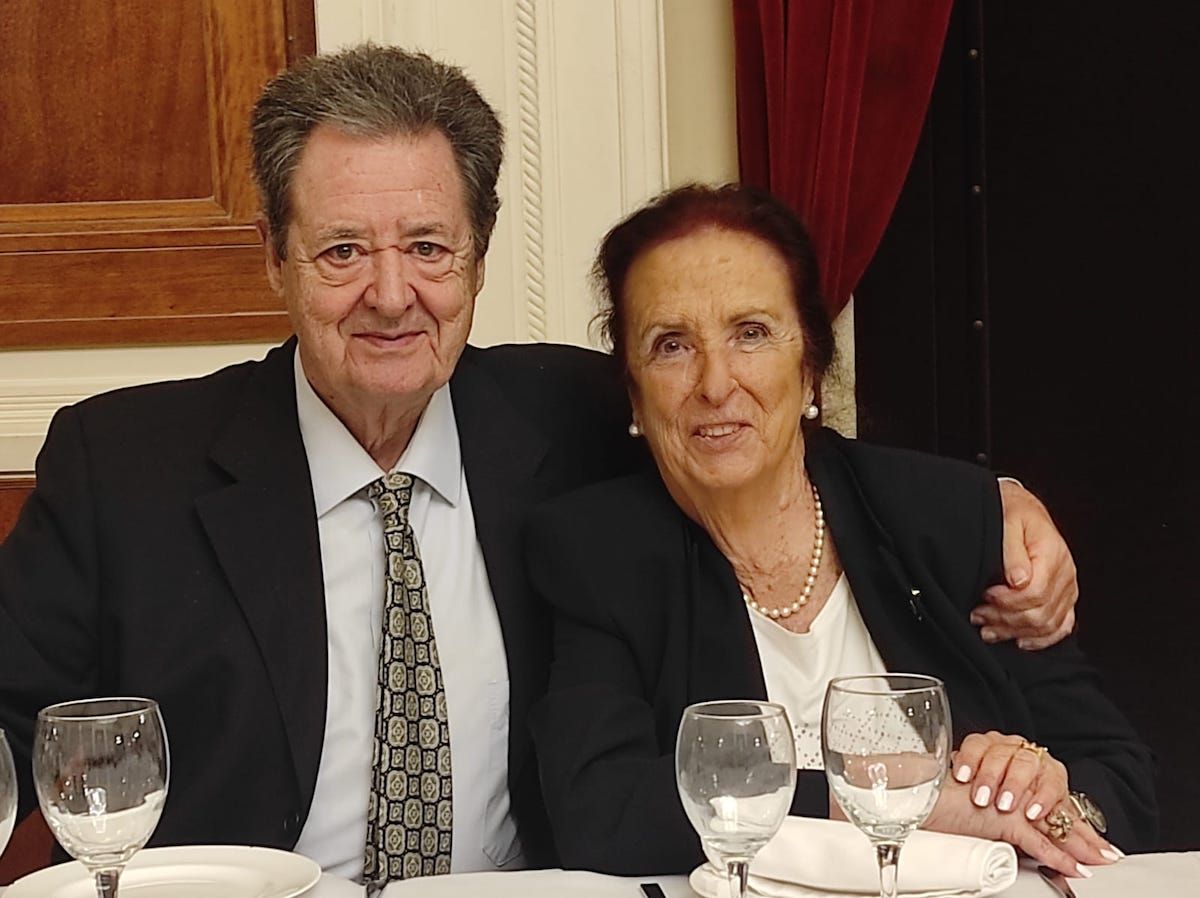
She is also impressed by the magnitude of her ancestor's work. Park Güell, Güell Palace, La Pedrera, Casa Vicens, Bellesguard tower, Casa Batlló, Crypt of Colonia Güell... with the Amigos de Gaudí de Reus, they have been everywhere to see Gaudí's works. And, at each of the inaugurations of the advances in the construction of the Sagrada Família, Maria Teresa has been there, accompanied by her husband, Lluís Garcia Reig, who always tells a very beautiful anecdote. He was still a teenager when, one summer in his town, Alcoi, he told his father that he had met a descendant of the architect Antonio Gaudí. And, then, his father explained to him that he and his sisters cried when they learned of the death of that good man.
Trusts in beatification
That good man, whom Pope Francis has already declared venerable, could be beatified next year. The very special year in which Gaudí will be remembered everywhere and with international echo would be completed. "It would be very nice, and it seems that now the process to make him a blessed, which Lluís Bonet, Josep Maria Tarragona and José Manuel Almuzara started more than a decade ago, has already been unblocked. I trust that this will go forward," says Maria Teresa. "This good man ---Gaudí--- has already proven to be a saint. He dedicated himself fully to the Sagrada Família, his work, which is a living bible. In it everything has a meaning. The more you study it, the more you realize what he did."
Maria Teresa is up to date on everything. In the Amics de Gaudí Whatsapp group, the members of this group hug in memoriam to Gaudí share the news that is published linked to the architect or any of his works. Recently, a newspaper clipping from 1987 recalled details of the accident that caused Gaudí's death, at the confluence of Bailén and Gran Vía streets in Barcelona, by being run over by a tram. "Given the inaction of everyone at the scene of the incident, a Galician civil guard confronted a taxi driver, forcing him to take Gaudí to the hospital, because no one wanted to pick him up. They saw him very poorly dressed and no one knew who he was," narrates Maria Teresa.
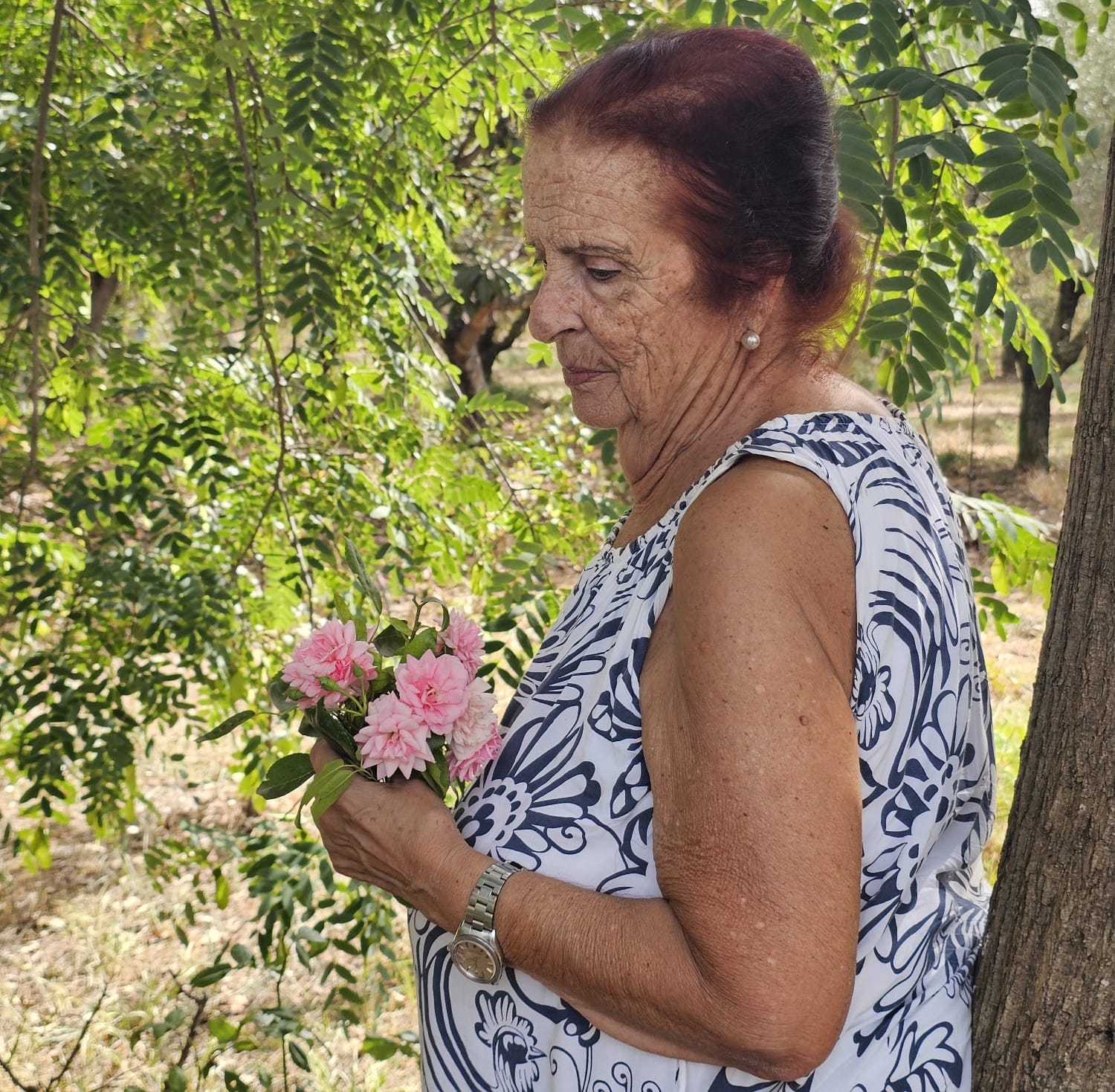
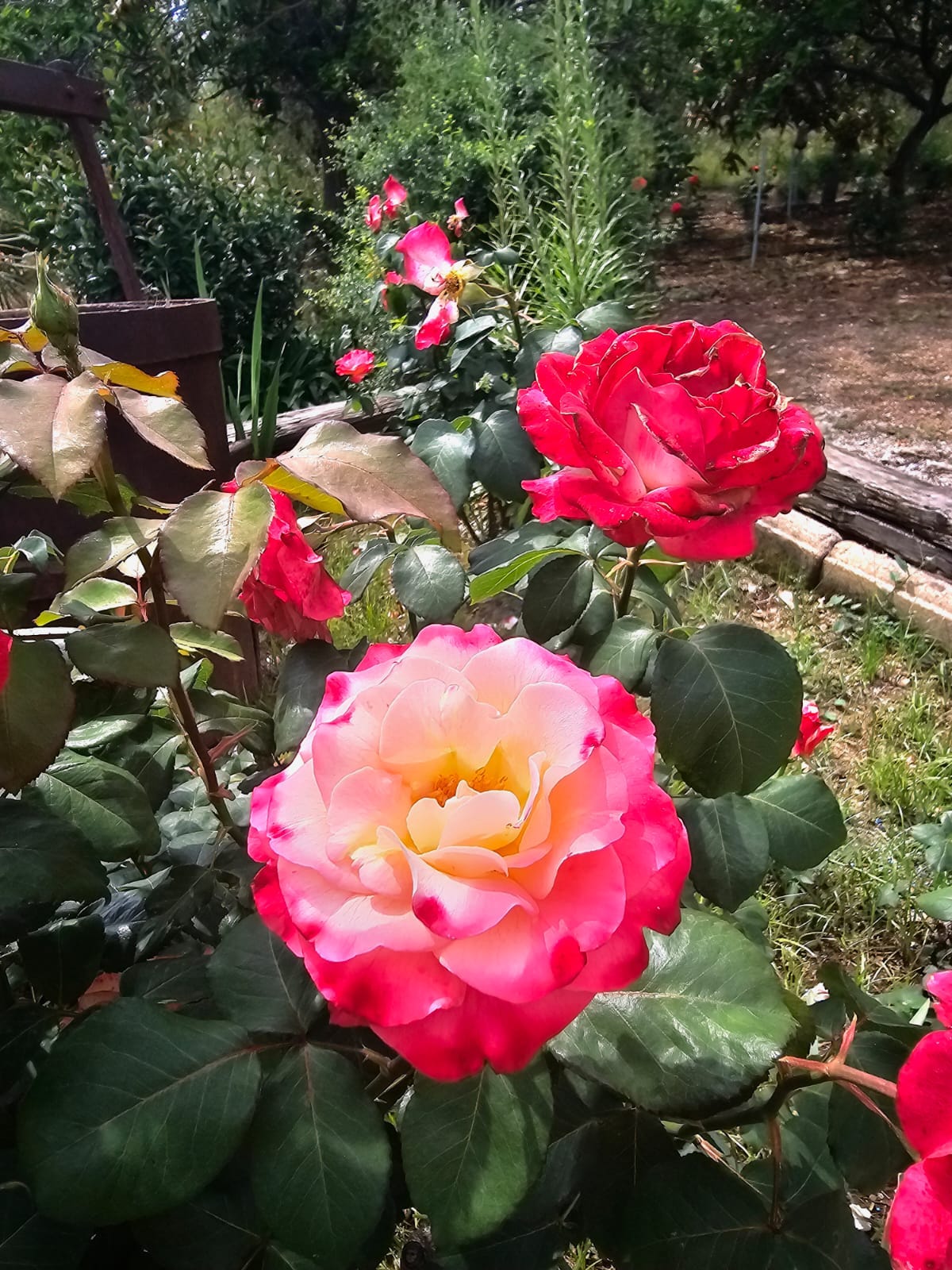
Well, through news like this, she connects the dots and contacts and, in this case, has managed to contact the granddaughter of that civil guard who insisted that Gaudí be taken to the hospital. "She is a Galician lady who lives in Andalusia and we send each other Whatsapp messages," says Gaudí's descendant. Also by Whatsapp, Maria Teresa sends a lot of joy by sharing photographs of the beautiful rose bushes she cares for in the garden of her estate, next to Reus. She has five hundred rose bushes, and they need to be watered.
Her surname has led her to have to explain many times her link with the brilliant architect, whose work, like so many people, moves her"In May they bloom, and if I cut the roses, they grow back, though not with as much strength," she says. She and her husband go practically every day. "My grandparents already came, and when I hadn't even been born yet, my parents also came, and when I was very little they started bringing me. As I grew up, I remember we had a horse and my father and I would take it to drink from a pond. We would put our hand with the water and it would drink. I feel very welcome here, and all of this gives you life. Some things are the same, others have improved, and I have brought new plants. I am very well here."
Every year in May, the Centre de Lectura de Reus organizes a national rose competition and exhibition at the Bartrina Theater, and Maria Teresa has participated, until very recently, every year since she was two years old, then with her mother. "Now I no longer participate, but the Amics de Gaudí Association, out of competition, awards the best specimen of the Gaudí rose and we present a ceramic plate as a prize," she explains. The rose is, for her, "a flower with a lot of life, with its colorful varieties they seem to have a life of their own." Each one has a name, because they have been created by rosarians dedicated to some well-known personality. For example, we have the Pau Casals rose, the Princess of Monaco, and, of course, the Gaudí rose.
The Sagrada Família in her heart
Last July 16, on the day of the Virgen del Carmen, Maria Teresa and Lluís recalled their wedding day again, 52 years ago, in the crypt of the Sagrada Família. "Back then there was only the crypt, the Nativity facade, a few towers and little else. Everything was haphazard, I remember we took photos and everything was under construction, but nothing like now. Everything was very slow-paced," she recalls. We had the reception at the Barcelona yacht club which, as it was the day of the Virgen del Carmen, who is the patron saint of sailors, the boats went out to sea in procession. It was very beautiful."
"(In the Sagrada Família) I feel a connection, it brings back many memories because my father and my 'padrineta' did know Antoni Gaudí and when I go, I relive all that"Getting married next to the tomb of Antoni Gaudí, buried in the crypt, also made a lot of sense for this couple who have always been involved in cultural activities in which, in some way, Gaudí is very present. "The Sagrada Família is part of my life, because we got married there, and because everything there has been positive for us," she says.
Once married, the couple lived in Valldoreix, and in La Floresta. "I really like Barcelona, for its Mediterranean light, but I am more of a garden and trees person than asphalt," confesses Maria Teresa. After finishing psychology at the Autonomous University, she worked as a psychologist in a school in Barcelona, and later in Mont-roig del Camp. Her surname has led her to have to explain her connection to the brilliant architect many times, whose work, like so many people, moves her.
"Every time I enter the Sagrada Família basilica, I get emotional. I feel very good in there and many times a little tear falls. I feel a connection, it brings back many memories because my father and my 'padrineta' did know Antoni Gaudí and when I go, I relive all that. Besides, it's imposing, I think it impresses everyone."
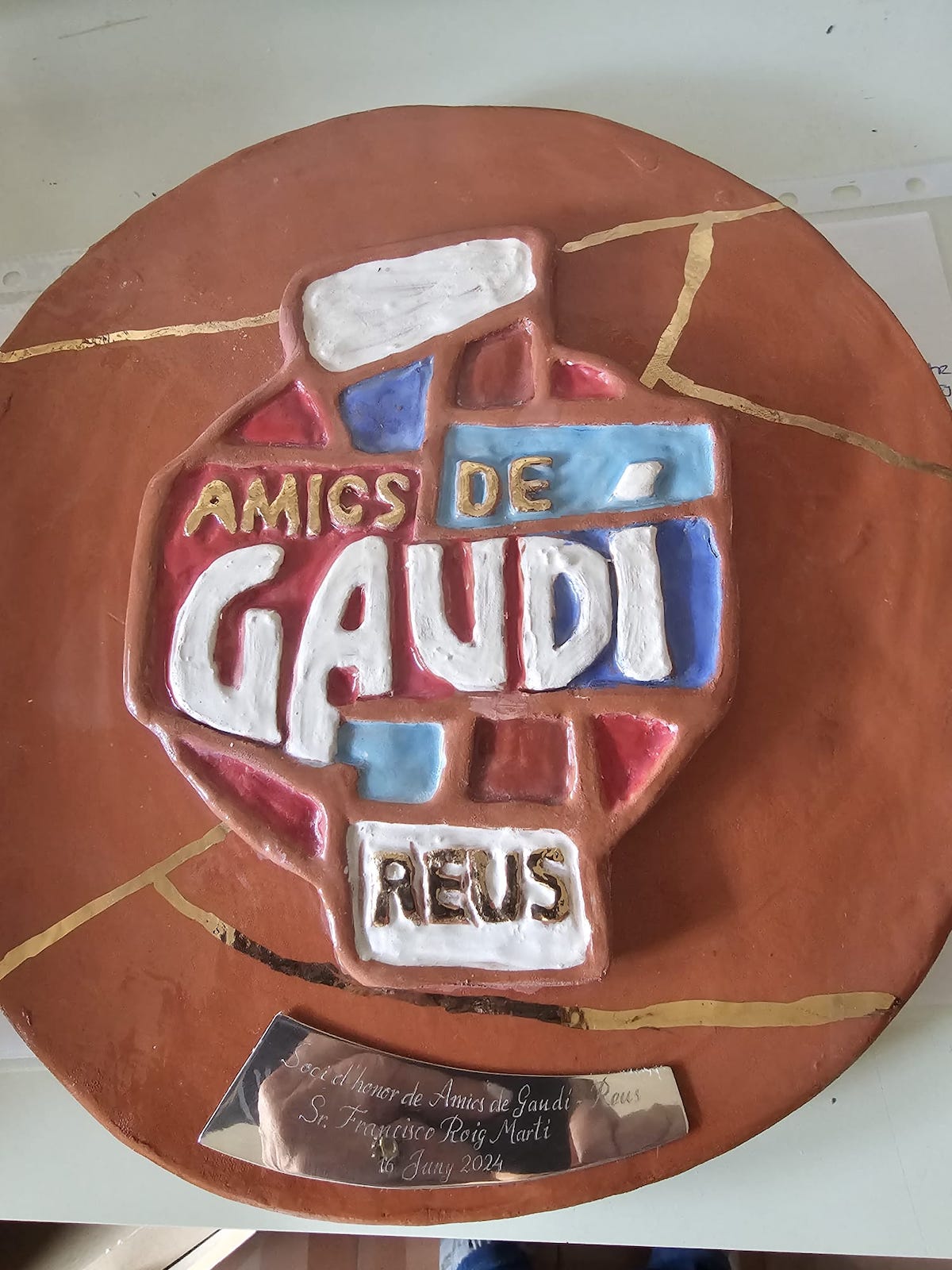
The Amics de Gaudí Whatsapp group is also the means to communicate outing proposals to its members, such as the one planned for next September 20, a guided excursion to a place near Escornalbou castle, where Antoni Gaudí is believed to have been inspired to create the chimneys of La Pedrera, Casa Milà. It will be the first of the group's activities scheduled to commemorate Gaudí Year.
"We have many projects underway with the association, and many papers and visits. Sometimes I think it's too much, perhaps, but as long as we hold on... And I have many people by my side who help me," concludes Maria Teresa, with her sights set on the culmination of the Gaudí friends' desire to materialize the sculpture of the architect that will be located at the door of the Prioral church in Reus. It could be a new stop on the city's modernist route, which features a magnificent presentation of Gaudí's work at its interpretation center, Reus Gaudí Centre.
Add The New Barcelona Post as your preferred Google source for free
Stay informed with the latest news.
