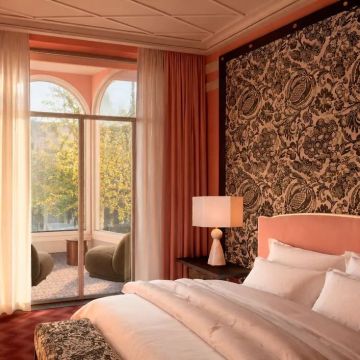
Hotels with History and Hotel Stories, the series we publish every two weeks at The New Barcelona Post, marks its 25th installment. A quarter-century of chapters deserves to be dedicated to something special: the hotel that has historically been the grandest in the city, the one with more threads to pull than almost any other, and one of the oldest that has remained among the very best — El Palace Barcelona, an establishment that opened as the Ritz and, for many, still carries that name in spirit.
To understand how this brand arrived in our city, we need to talk about a leading figure from this series' past — Francesc Cambó, who appeared in our piece Grand Hotel Central: Francesc Cambó, and who founded the company Hotel Ritz Barcelona SA together with Gonzalo Arnús. Cambó, president of the Lliga Regionalista and a regular at Madrid's Ritz during his long stints as a member of the Cortes, became convinced that Barcelona deserved a Ritz of its own.
Through the mediation of the Madrid hotel's director, himself a Catalan, Cambó approached the hotelier César Ritz directly — the man who had invented the very concept of the modern luxury grand hotel, a Swiss national known as "the hotelier of kings and the king of hoteliers." Ritz agreed to put his name on an establishment in Barcelona, though he never lived to see it finished: he died in 1918, a year before the opening.

The project was entrusted to the architect Eduard Ferrès Puig, who also designed the Palau Maricel in Sitges and the Damians department store, later El Siglo, on Carrer de Pelai. It rose on what was then Carrer de Cortes, today Gran Via de les Corts Catalanes. The official opening was planned for October 22, 1919. But sabotage to the pipes and a strike among the kitchen staff got in the way — compounded by the general strike then gripping the city, as Barcelona was living through the so-called Bolshevik Triennium, with the hangover of that same year's historic La Canadenca strike still fresh. The opening was pushed back to November 23, with 190 rooms and a staff of 400.
The bourgeoisie's grand hotel was born, quite literally, amid the very social tension pitting that same class against the labor movement. Ten years later, buoyed by the 1929 International Exposition, the hotel expanded by 60 more rooms.
A first turn of events
The underlying social tension would eventually erupt inside the building itself. On July 22, 1936, just days after the Civil War began, the hotel was collectivized by the unions and became the headquarters of the FOSIG (the Workers' Federation of Gastronomic Industry Unions): a portrait of Lenin presided over the lobby, the hotel was renamed Hotel Gastronómico Nº 1, and its basements served as an air-raid shelter during the bombing of the city.
Once the war ended, the hotel recovered its name and its international profile — a comeback that included one of its more uncomfortable episodes: in 1940, it hosted the Nazi official Heinrich Himmler, then visiting a Francoist Spain whose dictatorship had just begun.
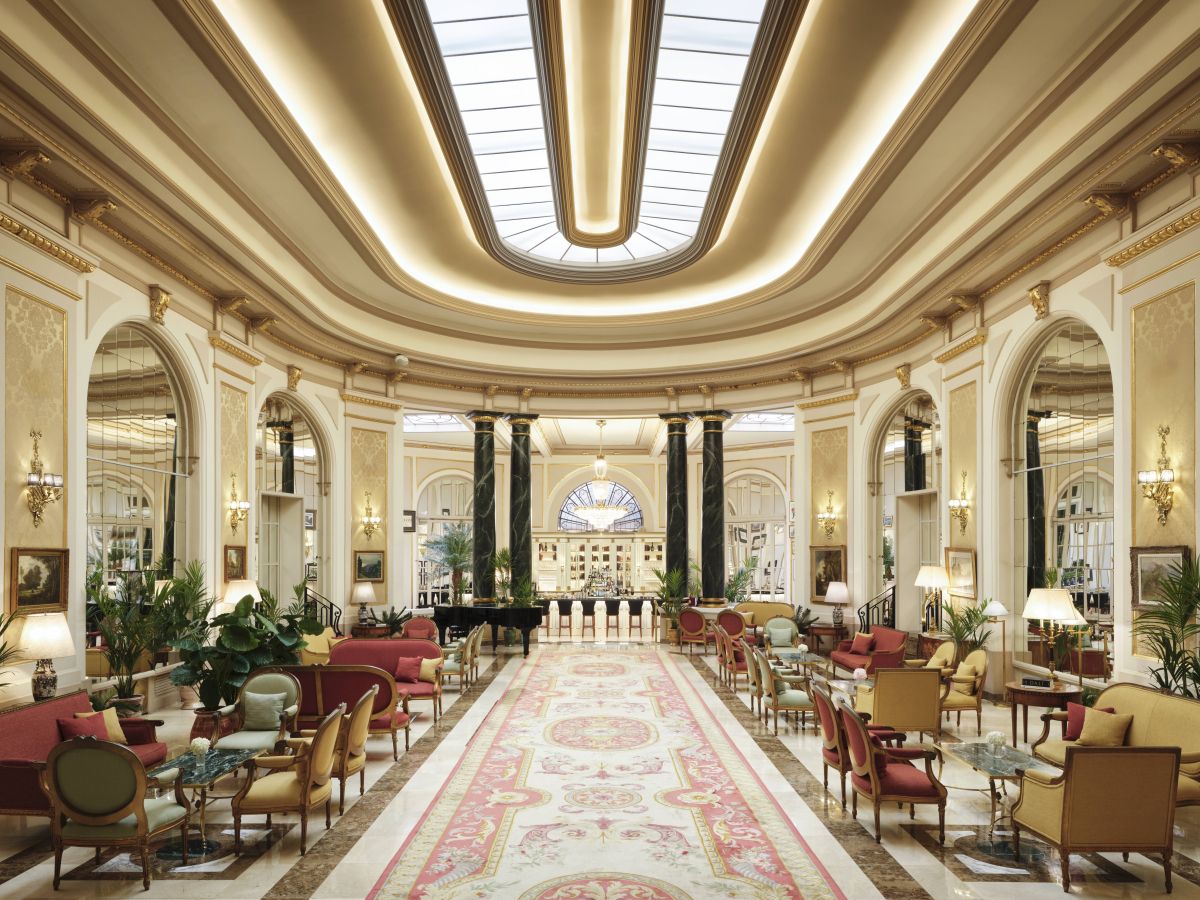
It was in that postwar decade that ownership changed hands: the textile magnate Julio Muñoz Ramonet, one of the biggest beneficiaries of the black market and of his ties to the new regime, acquired the hotel, along with other grand properties in the city, such as the Palau Robert and the marquis of Alella's residence on Carrer de Muntaner. The hotel became a regular venue for auctions, fashion shows, lavish parties, and literary prizes like the Premio Nadal. It was also during these years that, in the old ground-floor storerooms, the legendary Parrilla del Ritz opened its doors (1942) — probably the most exclusive ballroom in Barcelona.
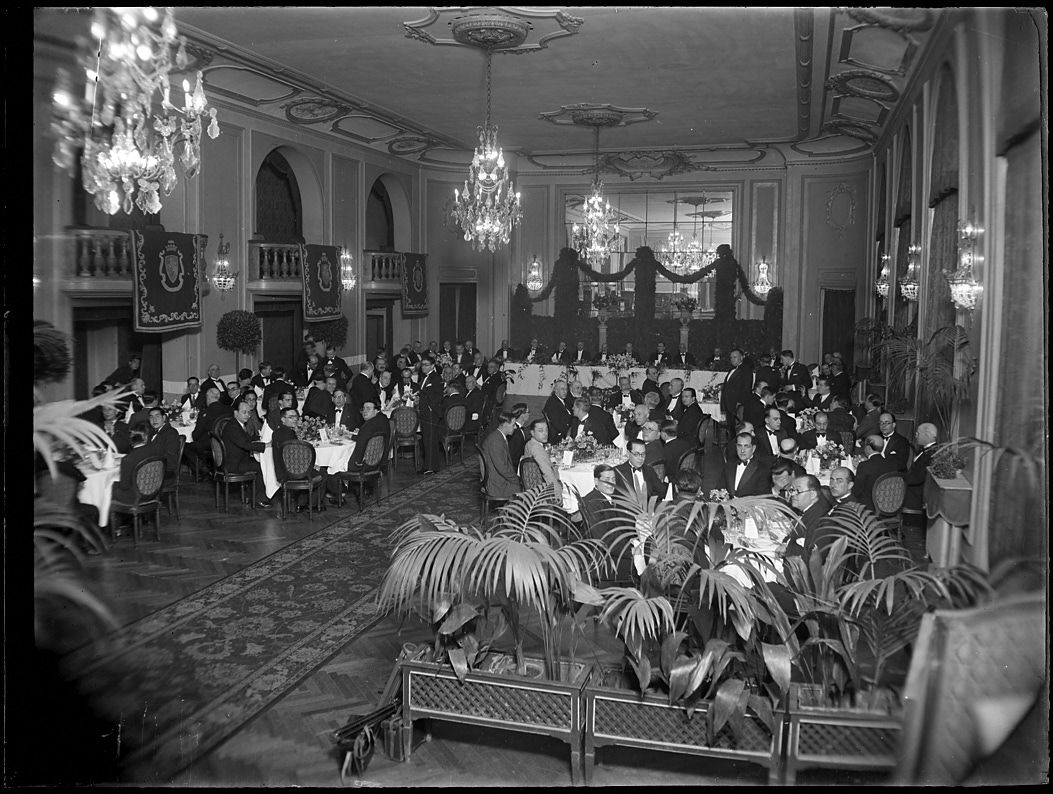
Any international social gathering held in Barcelona stood a good chance of taking place at the hotel. © Arxiu Fotogràfic de Barcelona
It's in precisely that golden postwar era that we should pause on the figures who passed through its lounges, rooms, and suites — though trying to list them all in a single installment is simply an impossible task (perhaps the 26th chapter of Hoteles con Historia could be devoted entirely to a second part, focused just on names). Some, however, can't wait, like Xavier Cugat, the "king of the rumba" from Girona who conquered golden-age Hollywood.
Cugat didn't just stay at the Ritz — he lived there. Installed almost permanently until his death in 1990, surrounded by his chihuahuas, with a gold Rolls-Royce bearing California plates almost always parked at the door, he even settled part of his debts with the hotel by handing over signed drawings and caricatures.
His neighbor at various points was Salvador Dalí, who also had no apartment in Barcelona: the Ritz was his home in the city, so much so that on one occasion he carried a taxidermied horse up the stairs as a gift for Gala. It's easy to imagine, then, that when Walt Disney traveled to Catalonia to meet with Dalí before heading to Cadaqués, their preliminary encounter could well have taken place at the hotel itself — the only Barcelona address the painter from Figueres had.
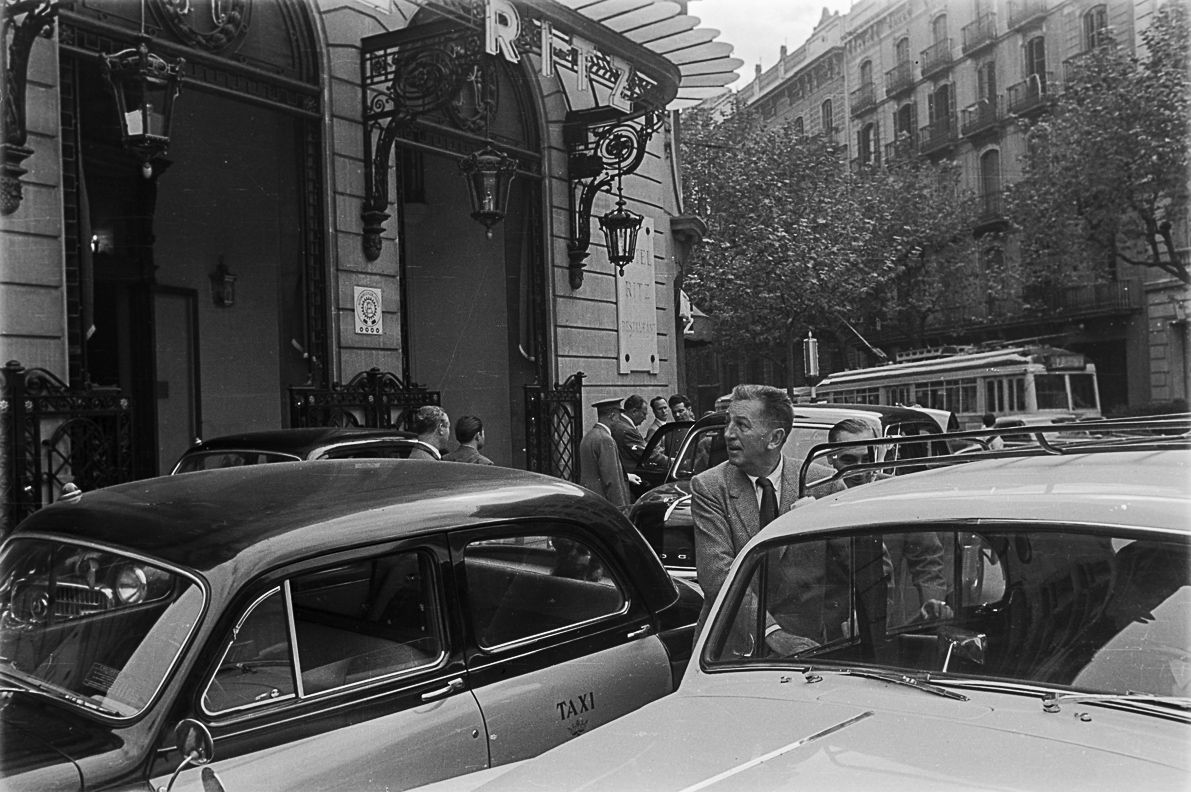
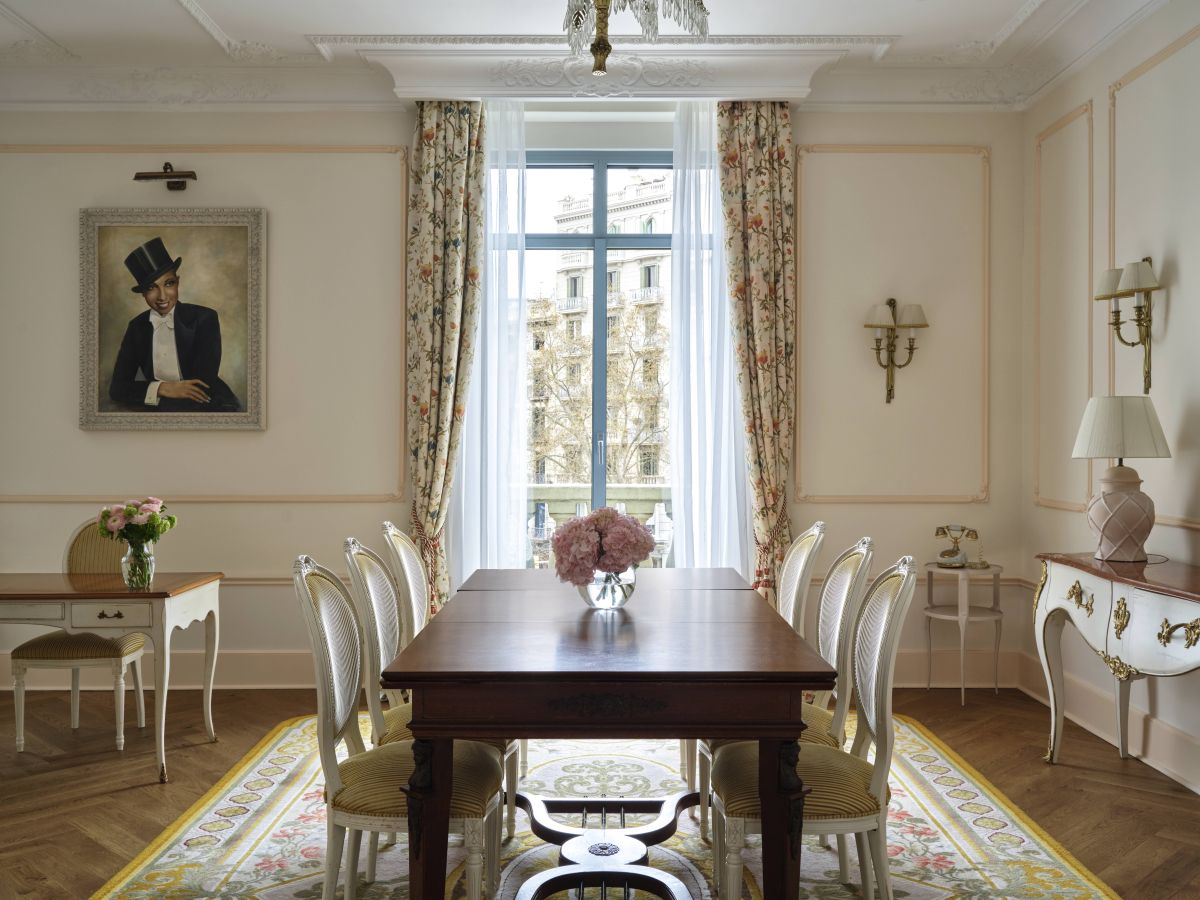
Josephine Baker performed at the Parrilla del Ritz, and its lounges and famed bar saw the likes of Maria Callas, Ella Fitzgerald, Duke Ellington, Cary Grant, and Frank Sinatra, who probably holds the record for shortest stay: a plane malfunction forced him into an emergency overnight stop, and with no rooms available, the hotel set him up in a suite with extra beds, where his entourage capped off the wait with a paella — just minutes before word came that the plane had been repaired.
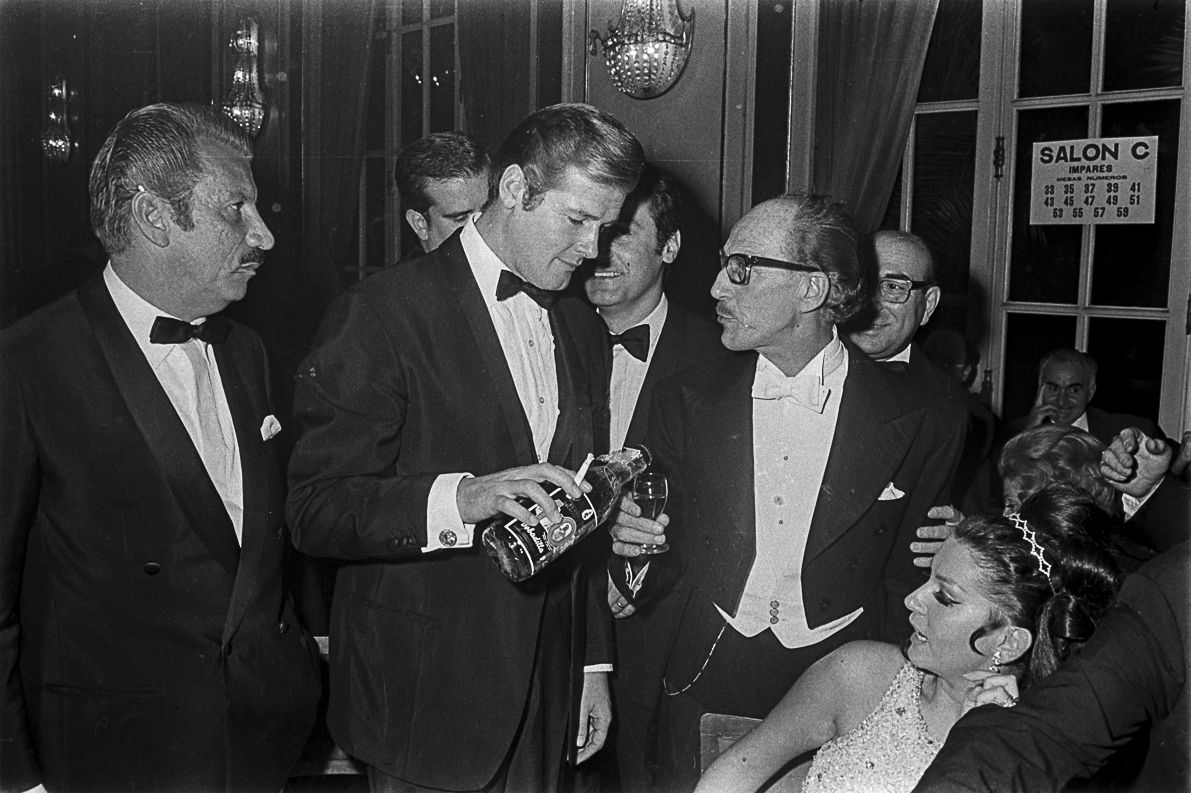
In March 1987, a hotel salon, with a piano set up for the occasion, was the setting for the first meeting between Freddie Mercury and Montserrat Caballé — a meeting that proved pivotal for "Barcelona," the song they went on to write and perform together. Among the less-documented but equally delightful anecdotes is that of a young Roger Moore serving drinks to his tablemates at the Premios Ondas in the 1960s, years before he became the third actor to play James Bond on screen. Later came regulars such as Woody Allen, a frequent guest, among many other familiar faces from every corner of society.
Before that, in 1975, came a new — and considerably less glamorous — change of ownership. The financial decline of the Muñoz Ramonet family ended with the hotel's seizure, which passed into the hands of Joan Gaspart through the real estate company Inmobiliaria Sarasate, and the hotel became part of the Husa chain, which took full control of its management in 1985. These were the years in which the city's former grand hotel was absorbed into the dozens of properties under the group's umbrella, losing some of the exclusivity and character that had defined it in its early decades: just another asset within a chain, no longer the independent jewel it had once been.
So long to the Ritz
It was precisely ownership of the name that triggered the final conflict: Muñoz Ramonet's heirs, who had retained the rights to the "Ritz" trademark, entered into litigation with Husa in 1988. The legal battle dragged on for years, with a first ruling in 1996 that already barred Husa from using the name, until it was settled for good in 2005: the hotel would have to give up the name Ritz forever.
"Compelled by a court, not by choice, El Palace Barcelona was born — a name chosen precisely to evoke luxury and tradition without being able to say out loud the word everyone still had in mind"
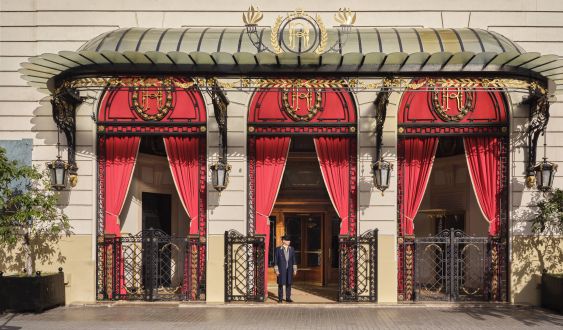
Overnight, plaques, stationery, tableware — any physical trace of the word had to disappear from the building. And so, compelled by a court and not by choice, El Palace Barcelona was born: a name chosen precisely to evoke luxury and tradition without being able to say out loud the word everyone still had in mind. Even so, keen observers can still make out a few shadows of its past, both on the facade and on a plaque at the entrance — you just have to look closely.
Following the 2016–17 renovation on the road to its centenary, the Art Suites were created, dedicated to César Ritz himself and to five figures from the world of culture. The hotel bounced back and reclaimed its place among the city's great addresses. Today, the Cugat-and-Dalí past coexists with thoroughly contemporary touches, including a live-music club due to reopen soon — heir to that old Parrilla del Ritz where Josephine Baker once sang, played, and danced.
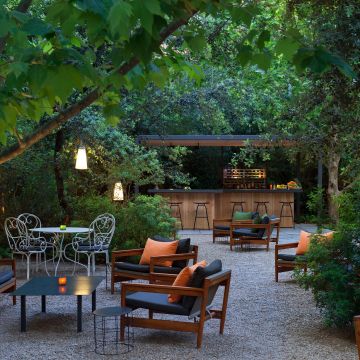
The hotel also experienced an unexpected turn of events during the pandemic: with international tourism at a standstill and the hotel empty of guests, many Barcelonans discovered its terrace for the first time — today one of the hotel's great icons — turned, for once, into a space open to the city itself. It's one more rarity for an establishment that has been one of the very few grand hotels in Barcelona able to fend off the constant advances of major international luxury brands looking to absorb its name and management — because the hotel simply doesn't need them.
The courts took away its name, but not its soul: a century later, for half of Barcelona, it's still, as ever, the Ritz.
Add The New Barcelona Post as your preferred Google source for free
Stay informed with the latest news.