What does it mean for Barcelona to hold the title of World Capital of Architecture if this recognition is not reflected in all the streets, doorways, and corners of the city? Elisenda Bonet, director of the 48H Open House architecture festival, is clear: the capital status cannot remain a label of international prestige, but must become a shared celebration of heritage. "It is an opportunity to reclaim and celebrate the architectural work we have at home: not only the iconic buildings in the center, but also the treasures hidden in the neighborhoods we normally call the periphery." For Bonet, the Capital status must ultimately be an exercise in collective self-esteem, from the center to the margins.
This is the intention of Open Barri, the new format promoted by the 48H Open House festival which, for fifteen days and across three different seasons in 2026, will focus on three neighborhoods often left out of the official narrative: Nou Barris (in winter), La Marina (in spring), and Vallvidrera (in summer). "When people ask about Barcelona's heritage, almost no one thinks of these places," Bonet laments. "And yet, in them you can find great examples of quality contemporary architecture, conversion of industry into cultural facilities, very well-designed public spaces... The celebration of the Capital status also involves recognizing this contemporary architecture as culture."
The three editions of Open Barri —which are in addition to the traditional autumn event of 48H Open House, which promotes a weekend of open doors in more than 250 spaces— are not just an extension of the calendar, but a declaration of intent. "Many times we make the mistake of discovering architecture only when we travel," Bonet reflects. The goal is for enjoying this heritage to be "another cultural option: that, like someone who goes to the cinema or the theater, one day they decide to participate in a route, a workshop, or an open house in one of the neighborhoods we have nearby, but which, nevertheless, we are unfamiliar with."
The neighborhood as a shared experience
However, Open Barri is not limited to looking at facades or discovering hidden interiors, but rather wants to transmit "the way of life of the neighborhood." For this reason, the program extends far beyond the open house weekend (February 28 and March 1), and becomes a choral journey over fifteen days: live podcasts, children's activities, guided tours, workshops and the Neighborhood Mailbox —where residents can share ideas to improve the environment— transform the festival into a space for reflection on how we inhabit and transform the city."Architecture is not an isolated cultural fact: it relates to gastronomy, cinema, literature, and the personal stories of the residents who inhabit it," insists Bonet. Residents like historian Nirvana Amaya, who, during one of the guided tours, will review her family's evolution from the shacks of Somorrostro to the first public housing flats in Nou Barris. An individual portrait that becomes, however, a framework shared by many other residents of the district, a result of the intense growth of the area in the mid-20th century.
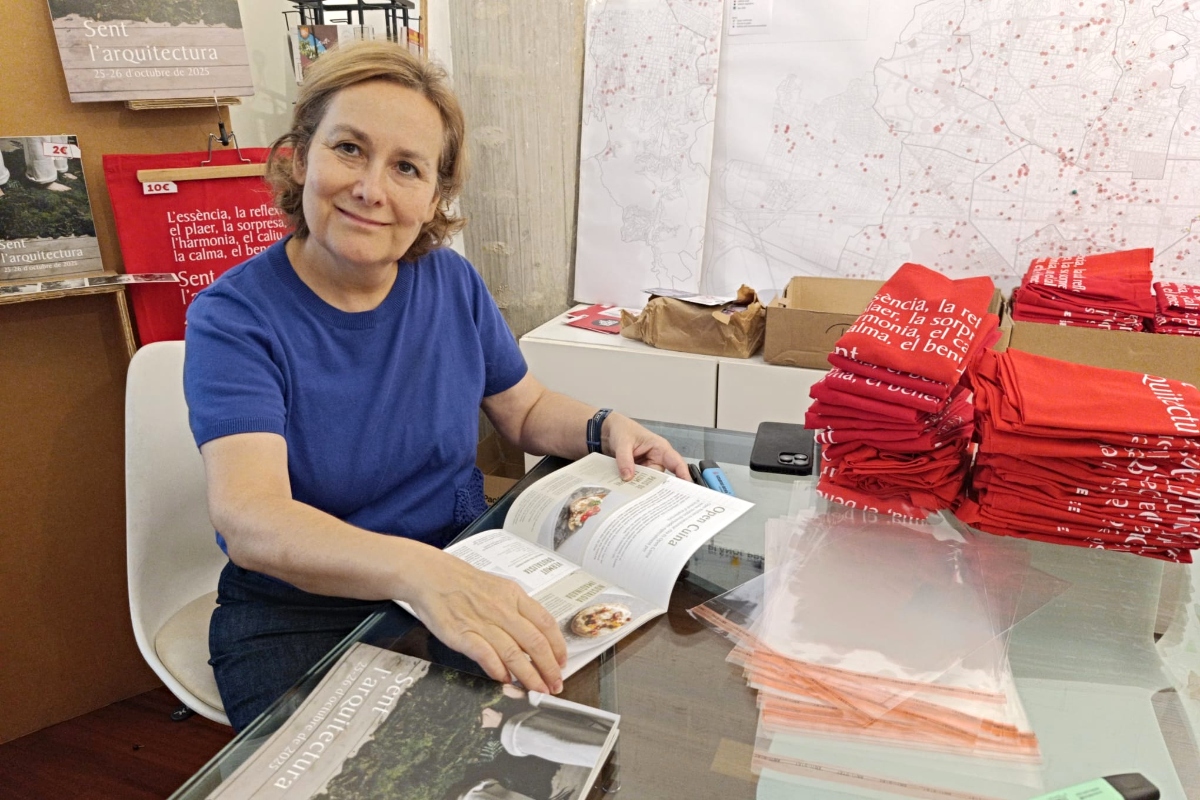
But the city can be discovered not only through sight or hearing, but also through taste, with Open Cuina, which in Nou Barris celebrates identity through migas: a simple, but powerful dish, that speaks of roots and social resistance.
Nou Barris: between farmhouses and the legacy of Oriol Bohigas
Open Barri's activities begin, in fact, with an exhibition at the Capital's headquarters (the former headquarters of the Gustavo Gili publishing house, which will be converted into Barcelona's new House of Architecture), inviting visitors to rediscover these neighborhoods from a new perspective. In the case of Nou Barris, the exhibition BarriBarcelona —open until March 1— explains the district from its social construction, understanding the neighborhood as a living, collective space in constant transformation.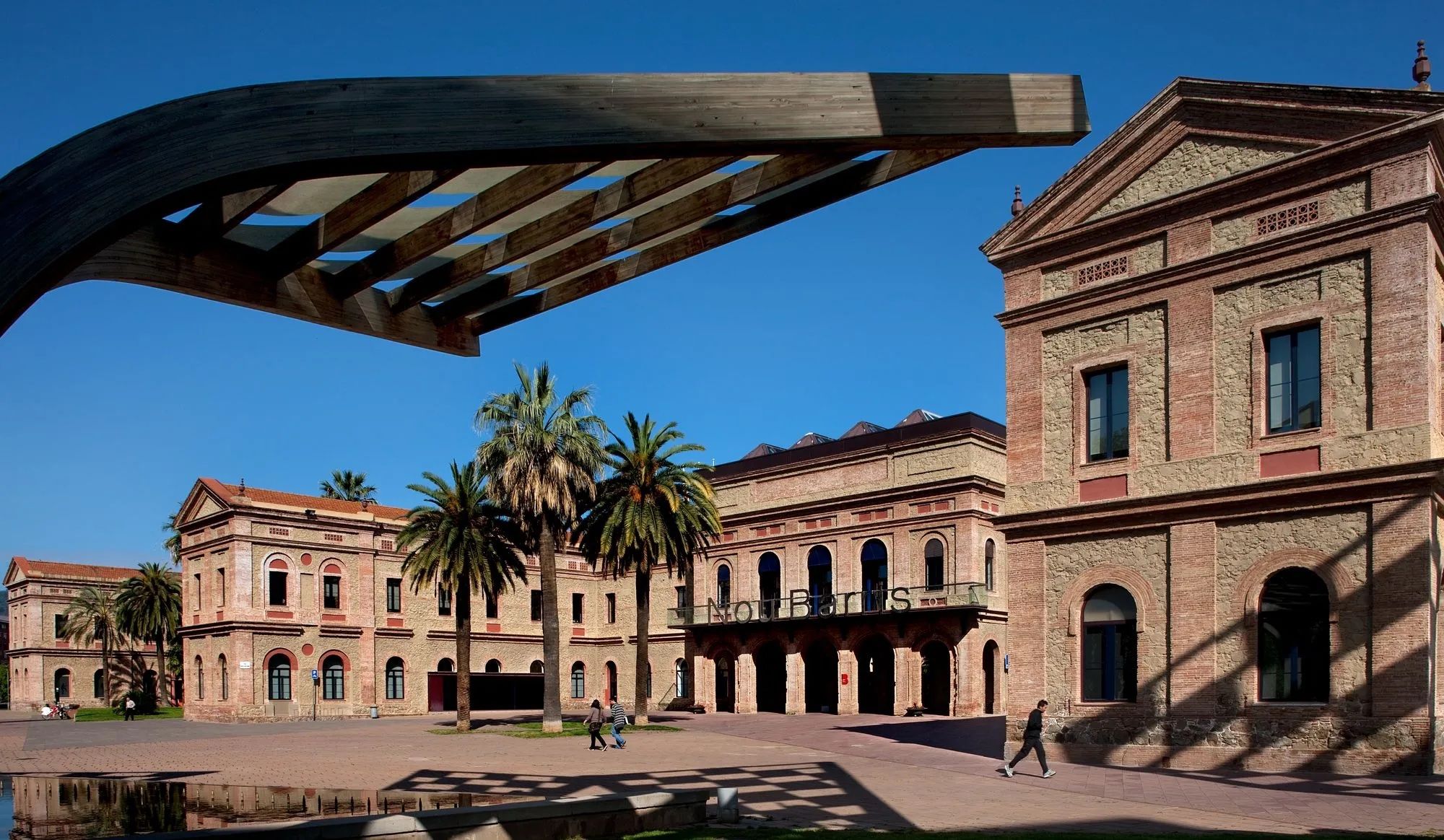
Far from the cathedrals, monumental modernism, or the grand buildings of the city center, architectural heritage in Nou Barris takes on diverse and often unexpected forms. From the Mental Institute of Santa Creu —testimony to an ancient and monumental psychiatric complex of which only three pavilions remain today— to the Sant Andreu Cemetery, inaugurated in 1834 and which conceals everything from a Hebrew enclosure to military pantheons. These are just two examples of the thirty spaces that will open their doors on the weekend of February 28 and March 1 with Open Barri, with guided tours that contextualize each building and link it to the history of the neighborhood, thanks also to the work of nearly 200 volunteers.
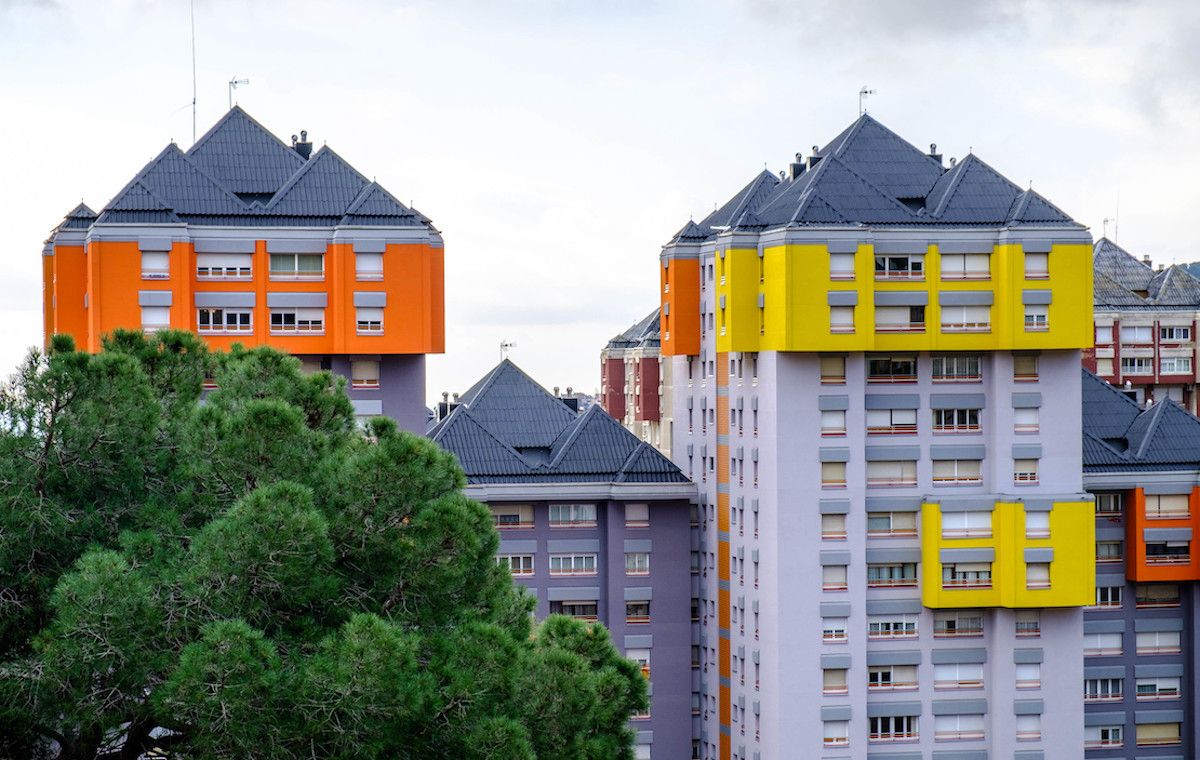
The buildings proposed by 48H Open House for these open days trace the great contrasts of the neighborhood: "from traditional farmhouses, vestiges of its rural origins, to residential buildings that today are already part of the collective imagination," highlights Bonet. The route allows one to travel, in a few steps, centuries of history: from the medieval farmhouses of Can Valent and Can Verdaguer to the modern homes of the Canyelles housing group —today converted into an icon of the district due to its stepped profile and vibrant colors—, to Torre Calinova, both witnesses to the vertical growth that marked the district during the second half of the 20th century and which forced the construction of tall buildings.
Accustomed to following the footprint of Oriol Bohigas's rationalism in large urban settings —from the stapler-shaped DHub building to the transformation of the Olympic Village—, many citizens will be surprised to find his mark in less-traveled corners of Nou Barris. The district, in fact, preserves several initial experiments by MBM Arquitectes, the studio founded by the Catalans Josep Martorell and Bohigas, which was later joined by the British David Mackay.
Among them, the Escola Superior de Conservació i Restauració de Béns Culturals de Catalunya stands out, originally conceived as a public school and an example of rationalist, austere, and functional architecture. The same spirit can be followed in the Grup Escolar Timbaler del Bruc, a paradigm of a school understood as a flexible and open-air space, with patios and terraces annexed to the classrooms, which would end up becoming a reference for subsequent educational typologies.
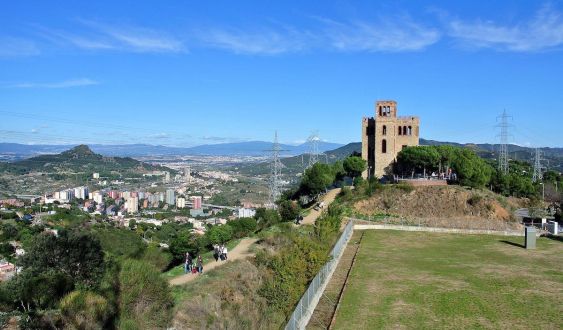
And from rationalism to industrial modernism: the Casas de l'Aigua de la Trinitat —between the Trinitat Vella pumping station and the Trinitat Nova treatment station— are a testament to the effort to bring drinking water to a neighborhood that was growing unchecked and was in the midst of steep slopes. All this, in an itinerary that culminates by climbing up to the Castillo de Torre Baró, one of Barcelona's most privileged viewpoints.
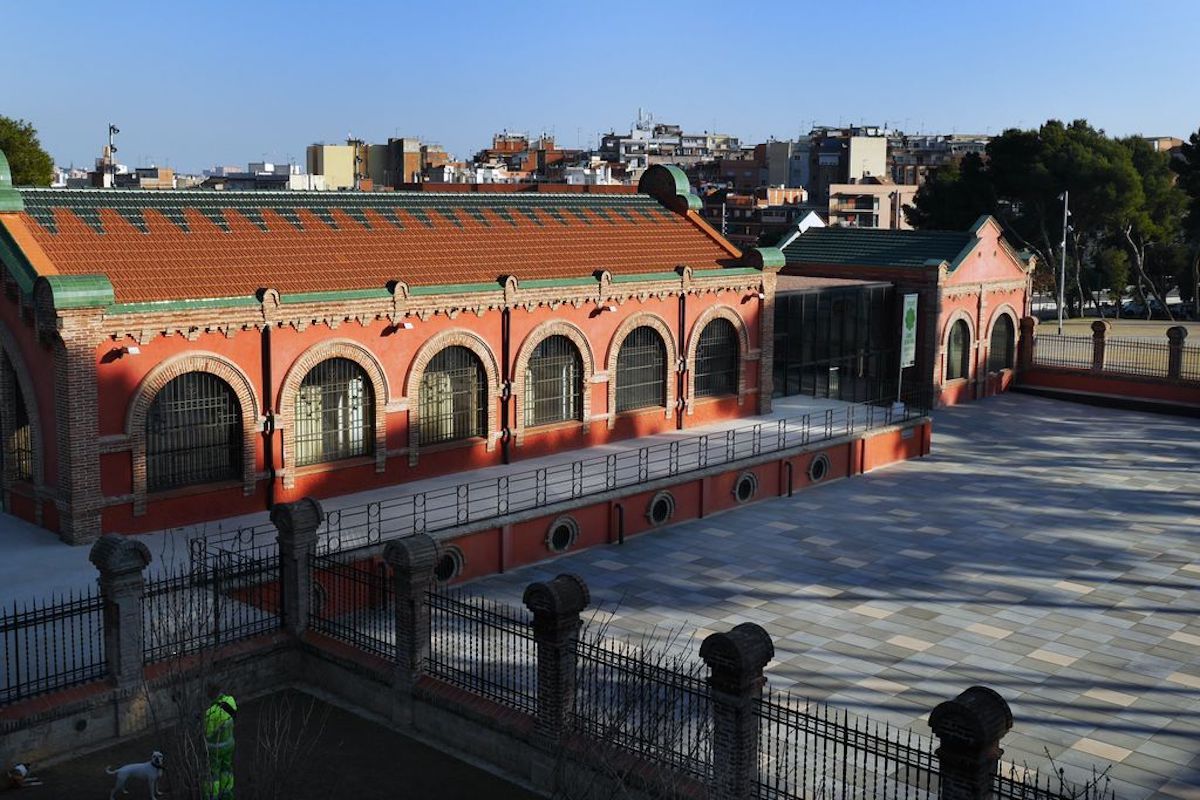
Everyday heritage
For those who want to go beyond contemplation, Open Barri also proposes six routes through hidden spaces (which will take place throughout the fifteen days of programming): small-format visits, guided by experts, that allow access to infrastructures usually closed to the public for reasons of use, safety or conservation. This is the case of the route through the aqueducts of Ciutat Meridiana and Torre Baró or the visit to the Pont dels Tres Ulls —an aqueduct partially unearthed thanks to the neighborhood struggle of the Arxiu de Roquetes—, which allows following the invisible thread of water in Barcelona. Also to the Canyelles heritage warehouse, where sculptures removed from public spaces, by artists such as Frederic Marès or Pau Gargallo, are kept.The 48H Open House itinerary is, at its core, an exercise in collective self-esteem. An invitation to look with new eyes at spaces that do not appear on postcards, but that shape the daily life of residents: the renovated Mercat de la Guineueta, the Mercat de Montserrat, or the Trinitat Nova neighborhood center - SomLaPera. "Functional, local buildings, perhaps two hundred meters from home, to which we pay little attention, but which hide a heritage that must be explained and valued," defends Bonet.
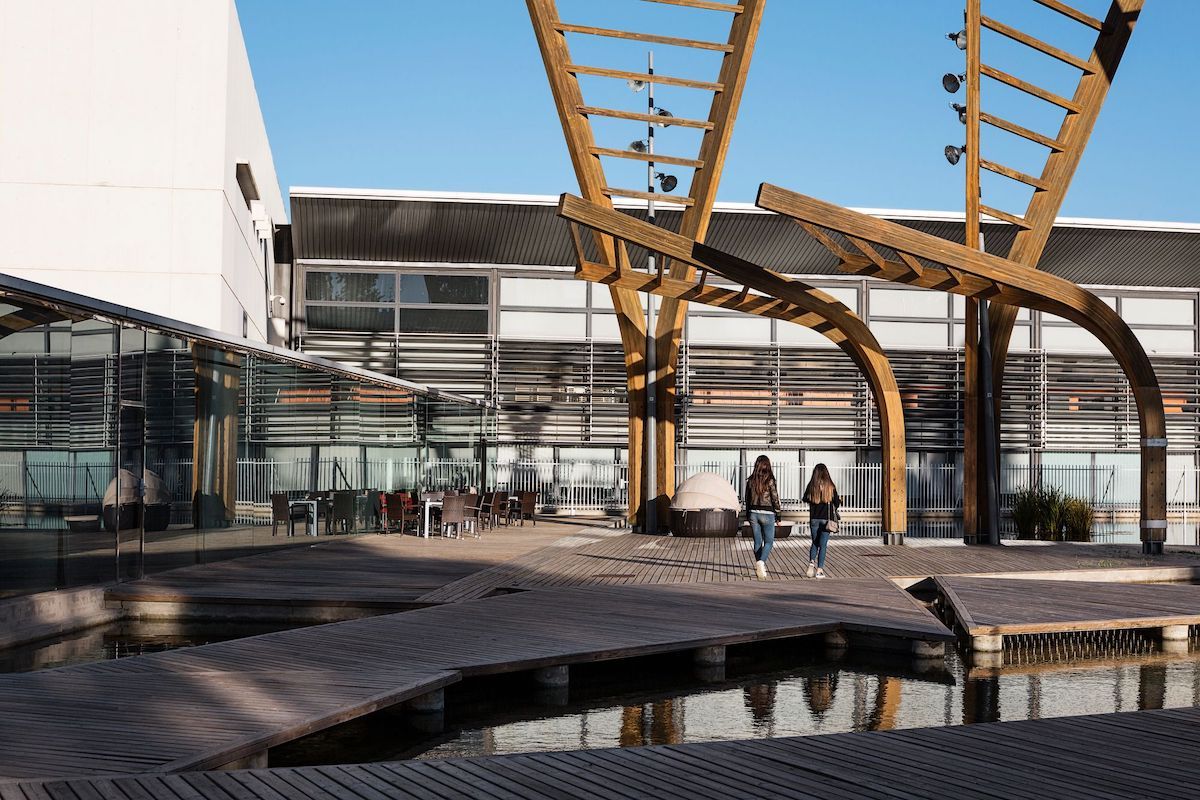
After this edition of Open Barri in Nou Barris during the winter, the project will continue in La Marina in spring (April 13 to 26) and in Vallvidrera in summer (June 15 to 28). Although it may seem like a distant choice, the three neighborhoods share characteristics that make them unique and that 48H Open House wants to highlight: a marked orography —with natural elements that delimit them, such as Collserola, Montjuïc, the Besòs river, or the sea— and a history linked to the city's demographic growth in recent centuries.
"These are neighborhoods that, in short, have been left out of the city's official narrative." A narrative that Open Barri wants to help expand and enrich, inviting citizens to discover their own city as if they were tourists. Because architecture also has this power: "to connect us, to understand each other as equals, and to strengthen the city's self-esteem," emphasizes Bonet. A self-esteem shared by the richness of Barcelona that does not end in the center, but is found on every street.
Add The New Barcelona Post as your preferred Google source for free
Stay informed with the latest news.
