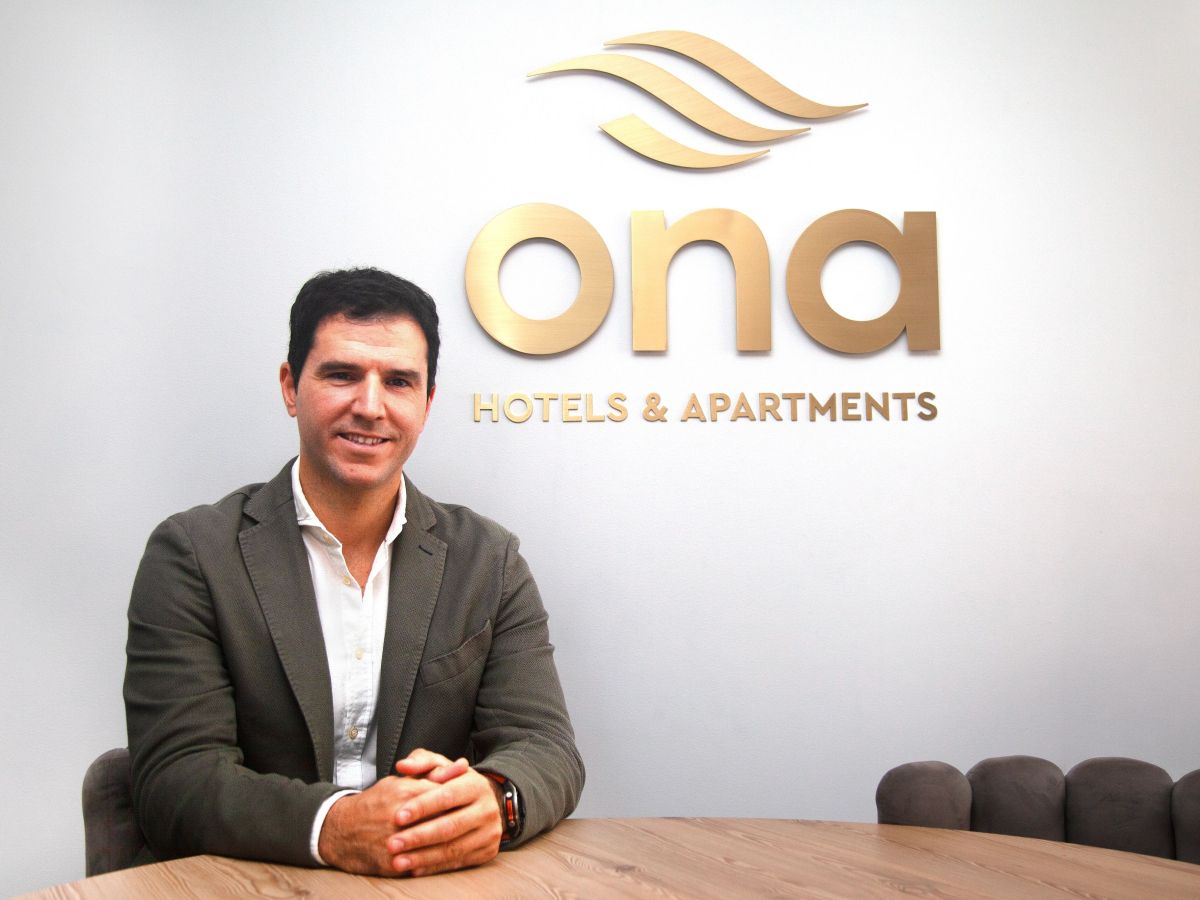
Thirty years ago, Carlos Barrau began managing holiday apartments in Salou. Three decades on, that modest venture has evolved into Ona Hotels & Apartments, an enterprise whose footprint has broadened to 51 properties. With Nacho Barrau, the family’s second generation, at the helm as CEO, the group continues its upward trajectory: it closed last year with €200 million in revenue (a 34% increase over the previous year) and projects reaching €250 million this year.
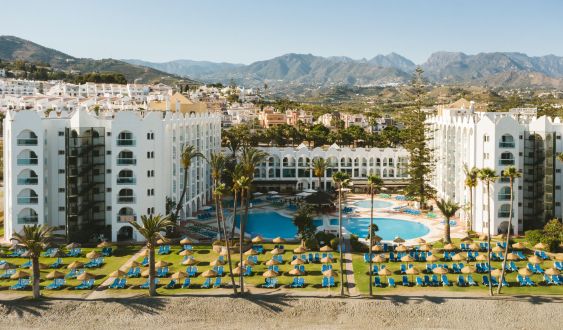
What began in Salou gradually expanded, first along Spain’s Mediterranean coast and later to the Canary Islands. The first major turning point arrived in 2005. After taking on several small properties, the group acquired Cala Pi, a beachfront resort in Mallorca with more than 100 units. “To this day, it remains one of the group’s most special properties.”
A decade later came another strategic watershed when Nacho Barrau joined the family firm, ushering in new operational models to accelerate growth. Until then, Ona had primarily managed its own properties. The new strategy involved managing properties owned by third parties, through management or lease agreements, allowing the group to grow faster without having to acquire each property outright.
That same year, 2015, the company acquired a portfolio of seven hotels — six in the Canary Islands and one in Estepona — substantially elevating the group’s profile. In 2019, it took another major step forward with the acquisition of a complex comprising four resorts and nearly 1,000 apartments in Tenerife. Since then, the group has continued to grow, totaling 51 properties today and employing 140 people at its headquarters in Barcelona. Moreover, its hotels and apartments employ thousands of people, sustaining up to 3,000 direct and indirect jobs during the high season.
In recent years, the group has added an average of four to six properties a year, although Barrau does not set a specific growth target that the company must meet: “If we don’t find an opportunity that fits one year, then we don’t find one.” The company nevertheless keeps a close eye on the market and is currently assessing several potential deals. Most are located along the Spanish coast, but the group is now looking further afield, with a presence in Andorra and Morocco.

Last year, the chain entered Morocco, where it now has two hotels and a resort. Looking ahead, it plans to continue growing in the country, while remaining focused on the Mediterranean coast where it was born, particularly Catalonia, and expanding into Cádiz. According to Barrau, technology will also shape the future, particularly artificial intelligence and its potential to transform the way people plan their trips.

In this new scenario, he believes that properties with a distinctive offering could benefit, as “people will increasingly segment their searches,” making it easier for unique hotels to be discovered based on what they offer. Yet regardless of technological shifts or geographic coordinates, the group’s core objective remains unchanged: to cultivate a consistent experience that encourages guests to return, while expanding the brand's footprint and preserving its family ethos.
Add The New Barcelona Post as your preferred Google source for free
Stay informed with the latest news.