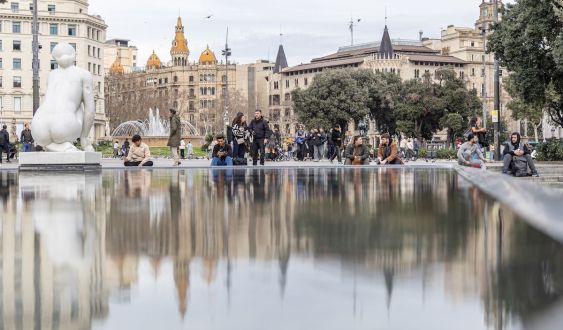
Barcelona has a long history as a city with tourism behind it, which dates back to the early 20th century. In this more than a century, the city has catapulted its projection with major international events, with the Olympic Games at the forefront, followed by countless milestones, from large to small, that have positioned it as the most visited city in the world.
From this position of global leadership, the city takes the way it has presented itself to the world since the beginning of its tourist facet, and turns it around. The goal is no longer to attract visitors indiscriminately; now the city wants to select them. For what? To maximize the positive impact of tourism on the city, and minimize negative externalities. With this clear objective, the city has decided to bet everything on quality tourism. And that quality is not measured only by the purchasing power of the visitor, but by their ability to integrate into the life of the city with respect, and to generate added value in areas that go beyond the purely tourist sector, such as culture and economy.
"Barcelona wants tourism, but it wants it well managed," defends Mònica Martorell from Turisme de Barcelona. And how do you attract this value-added visitor? With a proposal that makes them feel addressed. That equates to culture, heritage, sporting events, international fairs and congresses or quality gastronomy, among many other attractions of the city that can seduce these profiles that benefit it most. The city has materialized this new direction with a change of strategy that has a name: the city's tourism promotion has gone from Visit Barcelona to This is Barcelona. The change goes beyond a slogan, but can be read as a declaration of intent. It ceases to be a universal invitation to get to know the city, and becomes a reaffirmation of its identity and its best attributes; not as a tourist city, but as a city with tourism.
Thus, Barcelona redefines itself as a preliminary step to redefining its tourism. "In people's imagination, in the top of mind when thinking of Barcelona, sun and beach appear, and we have worked so that what appears is urban tourism linked to culture, gastronomy, architecture... and at the same time good weather, and an environment full of places to discover," highlights Martorell. Barcelona made the decision years ago to advance in this direction, and now it is concretized in this This is Barcelona.
Now, that declaration of intentions behind the slogan goes a step further and translates into a tool to extol these attributes of Barcelona and bring them closer to visitors —and to Barcelonans themselves. Turisme de Barcelona is finalizing the digital platform This is Barcelona, "which aims to explain the city, what we are and what we expect from those who come to visit us." To connect visitors with places, plans and proposals throughout the city —also in the less obvious areas for tourists—, the platform will include a search engine that will allow filtering by type of trip and by interests, in 30 languages. Here, Barcelonans are not left out: This is Barcelona also wants to discover the city to its own residents: "We hope it will be very useful for the people of Barcelona."
The platform also aims to contribute to the goal of decentralizing tourism. And here, the city makes it easy, according to Martorell: "When you value everything that happens in the city, you immediately decentralize, because interesting things happen everywhere." In addition, the website will go beyond visitor information, and will work to give visibility to prominent Barcelonan figures, from fields ranging from art to cuisine.
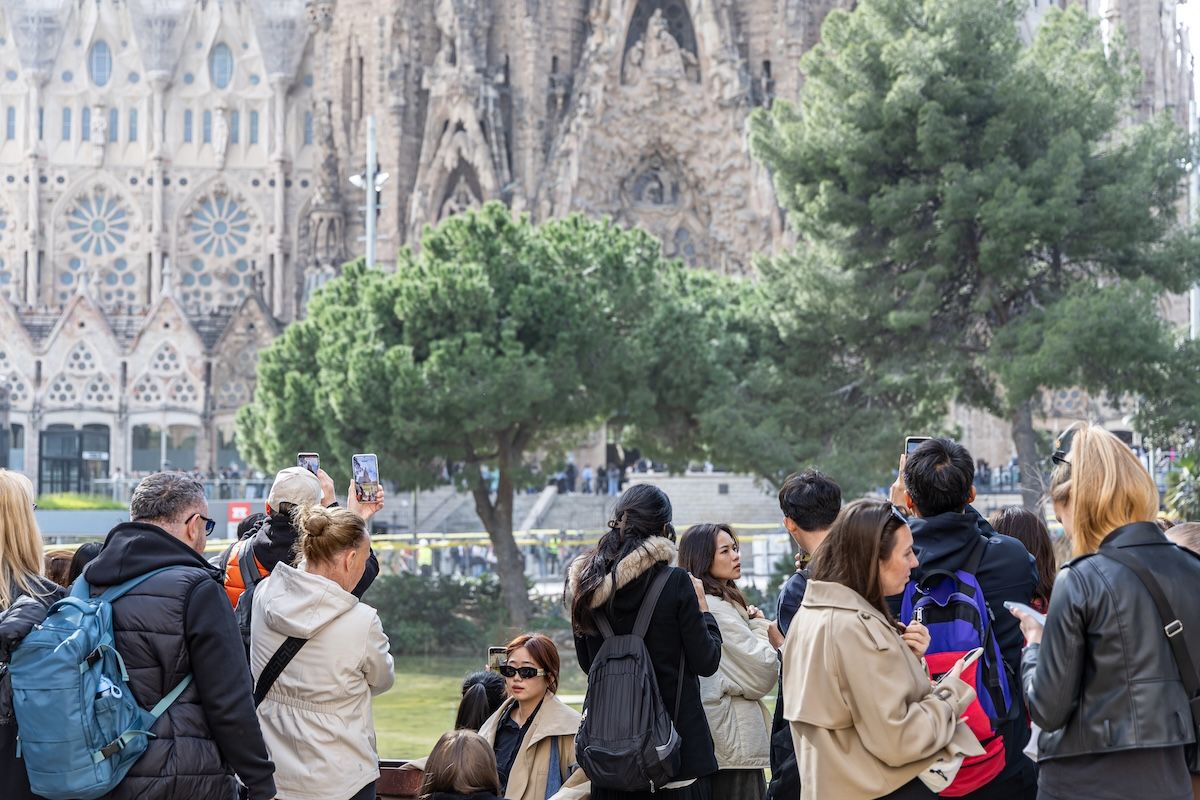
Precisely, gastronomy and culture are two of the great attributes with which Barcelona wants to appeal to those value-added tourists. Emblems of music such as the Liceu, the Palau de la Música Catalana or L'Auditori; museums such as the MNAC, the Macba, the Picasso or the Miró or Tàpies foundations, and the city's architectural jewels are a magnet for this visitor that now wants to be promoted. They do so, moreover, in a cultural landscape in effervescence, with major milestones on the near horizon, such as the expansion of Macba and MNAC and the opening of the new Thyssen museum. Thus, tourism and culture establish a symbiotic relationship: the influx of foreign visitors strengthens cultural institutions, and at the same time culture allows attracting higher quality tourism. The future opening of the Thyssen illustrates this relationship: "It would be impossible to open the Thyssen if we were not a city with tourism," defends the general director of Derby Hotels Collection, Joaquim Clos. Nacho Barrau from Ona Hotels and Apartments shares this perspective, highlighting the importance of tourism from culture to the Sagrada Família and its construction, which is financed, precisely, mainly through the visits it receives.
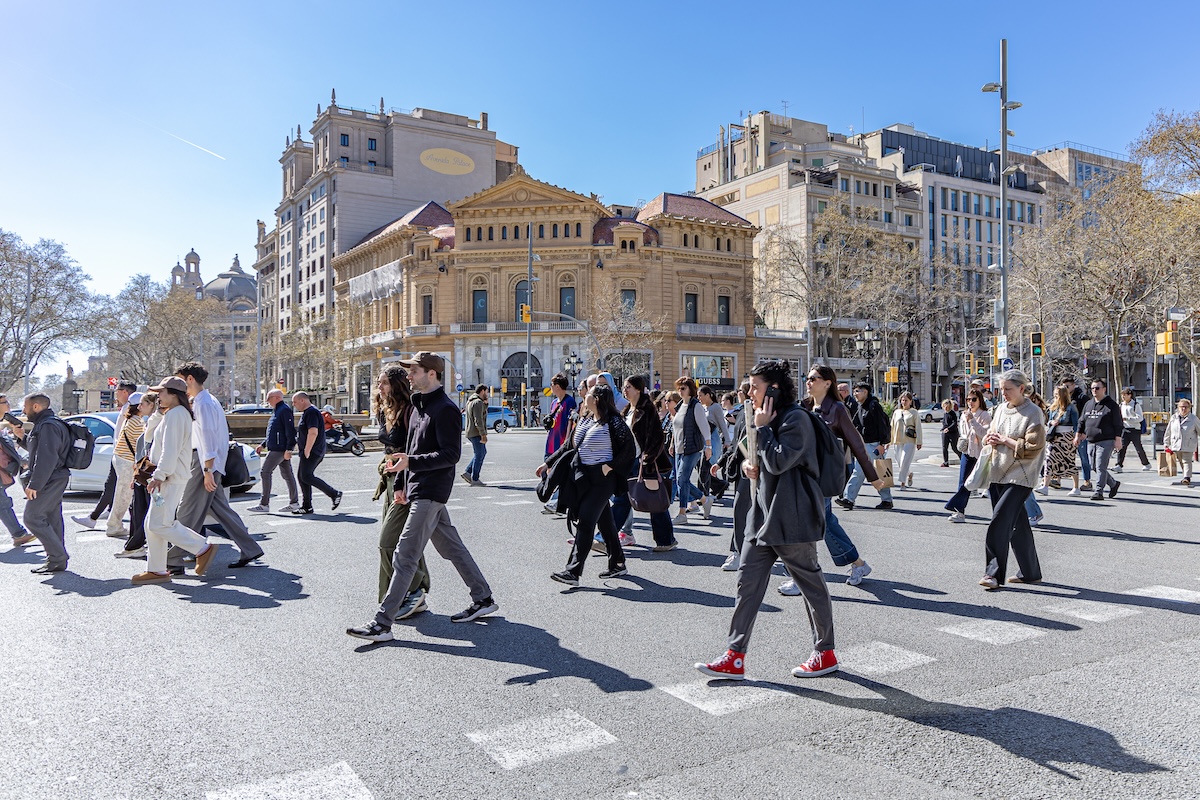
Beyond culture and heritage, shopping tourism also plays a relevant role in attracting this tourist profile. "What truly makes Barcelona distinctive is the combination of culture, creativity, gastronomy and design that defines the city. This identity allows it to lead a model in which shopping is not an end in itself, but an integrated part of the visitor's itinerary," defends Elena Foguet from The Bicester Collection group, to which La Roca Village belongs. "We understand shopping tourism as a system, not as an isolated act. A system that, when designed with intention, is capable of extending cities beyond their urban core, balancing flows, increasing value per visitor and redistributing economic impact more sustainably," she remarks.
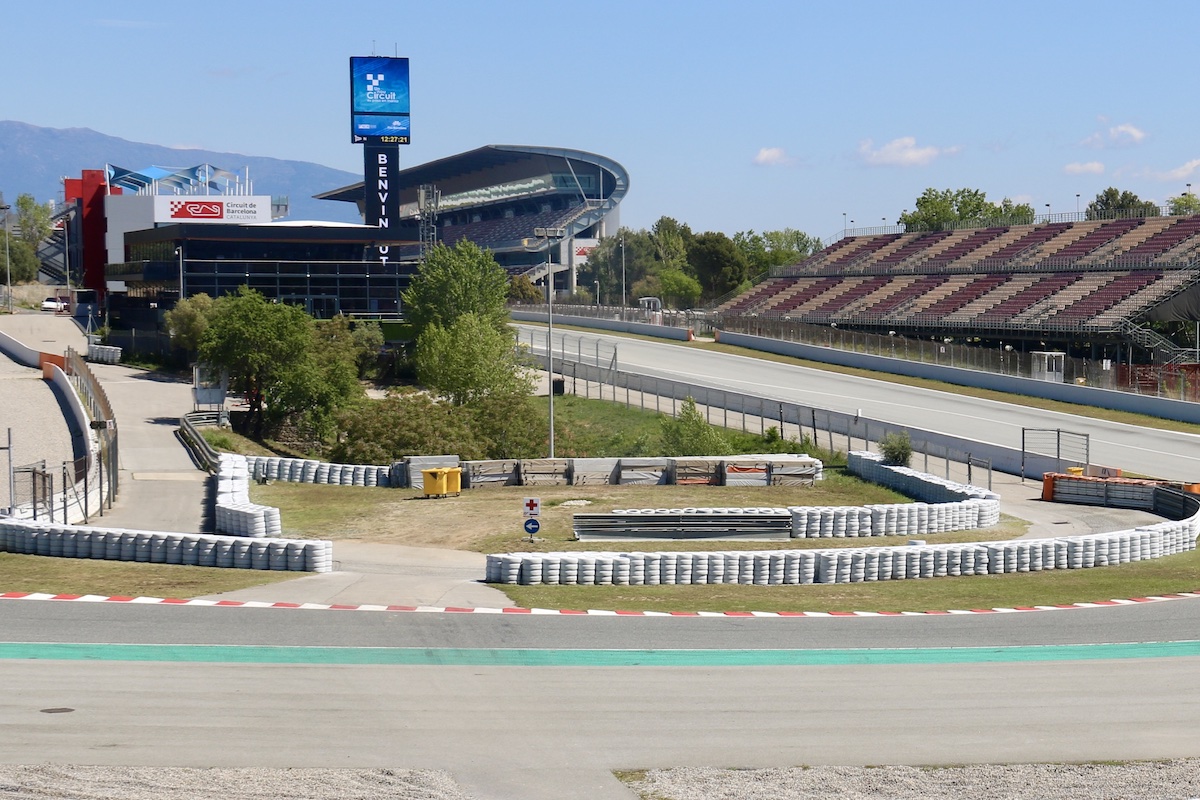
On this path, sport also adds up, with major international events —such as the start of the Tour de France in July— and events linked to multiple areas, such as motorsports. "The profile of the visitor who comes to a Formula 1 or MotoGP Grand Prix is an international profile with high purchasing power," highlights Constantí Serrallonga, general director of Fira de Barcelona, which manages the infrastructure since last year. "The mix of Barcelona with these high-level competitions and internationally renowned facilities, together with the climate and leisure offerings, positions us in a privileged place as a destination for this type of tourist," adds Serrallonga.
For all this to happen, another essential element must be present, according to Clos: "The city must be well-maintained." And this includes municipal services such as cleaning, security and its perception, and also major urban transformations, such as that of La Rambla. The works, which are expected to finish in February 2027, will allow more space for pedestrians and give more weight to culture, with a more fluid connection between Gòtic and Raval. The city that will host the tourist of the future is also preparing for other major transformations, such as that of Montjuïc and the Fira de Barcelona venue, coinciding with the centenary of the International Exhibition.
This well-maintained city goes beyond the urban planning scenario, and also focuses on the scene it hosts. And even more so in a city like Barcelona, where neighborhoods clamor to maintain their identity, with their daily life and their local commerce, which combats the homogenization of streets and cities, and the increase in the cost of living and housing. It does so, not without difficulties, in a context where not only residents seek this identity, but tourists are also increasingly tending to orient themselves towards authenticity. And it is that "travelers want to live more real experiences," as Rafa Serra, president of the Associació Corporativa d'Agències de Viatges Especialitzades (Acave), points out.
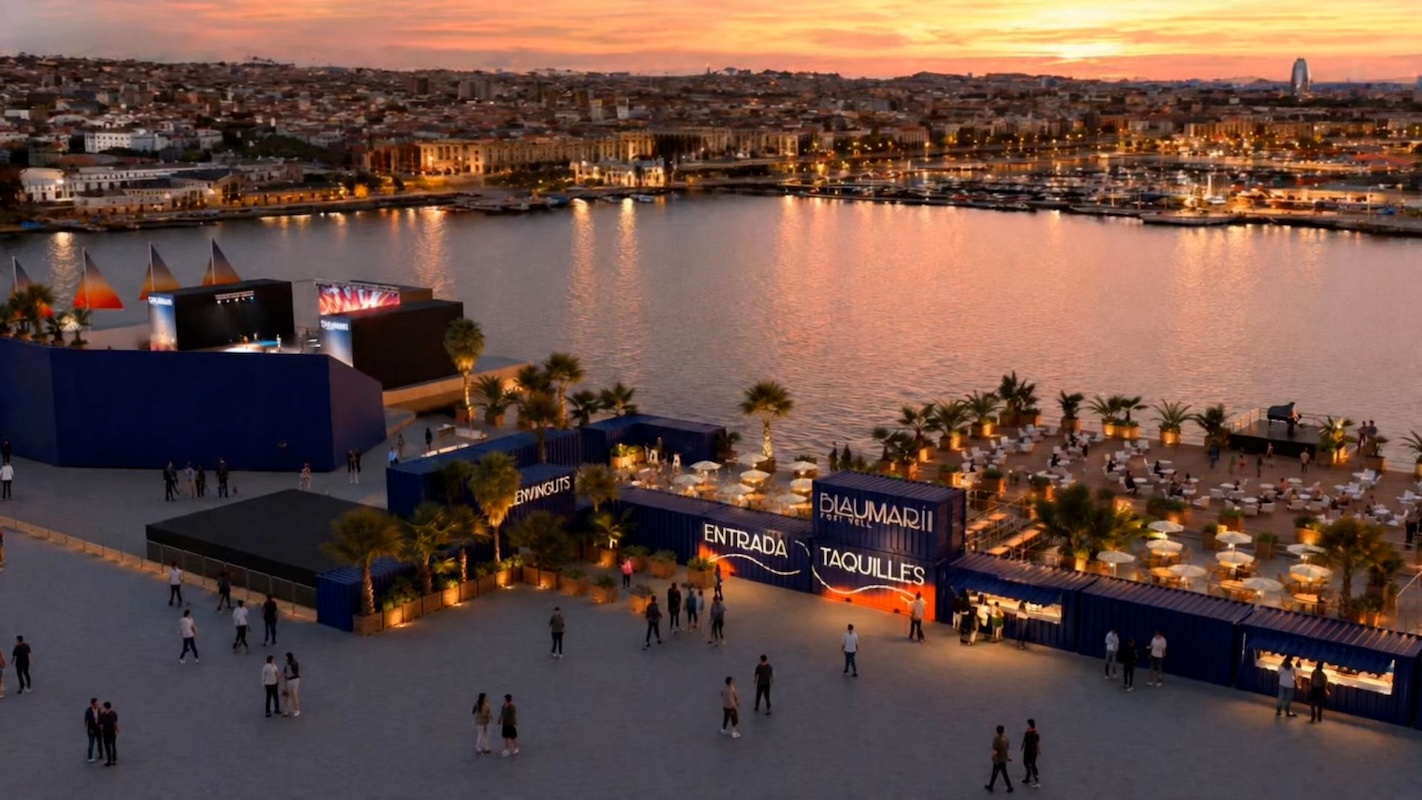
In this whole strategy of attracting a tourist with more added value, the infrastructure that receives them is also crucial. The entry points to the city are basic, such as El Prat Airport. 57.5 million passengers passed through it last year —a record figure—, and from it you can reach more than 200 destinations flying with more than 90 companies, while it prepares for its expansion. From the sea, the Port of Barcelona acts as a mobility and connection infrastructure for the city, but not only that: it has acquired a new dimension by opening up to the city and hosting sports, business and cultural initiatives —from the America's Cup to the new Blaumarí Music Port Vell festival, with a stage that will be, literally, on the sea.
But, for the tourist, it's not just about arriving in the city. Hotel infrastructure is more than key at this point: to attract quality tourism, quality establishments are required, as sources from the sector claim. And, although this quality affects the price, "we still have a long way to go when we compare ourselves with other European cities," defends Barrau: "If you look at Barcelona's rates compared to other cities, like Rome, we are practically at half." This price increase can be detrimental to occupancy, pointing again in the same direction: prioritizing quality over volume.
In this path, technology emerges as an ally. "We have to move towards more cultural, more experiential, more personalized tourism," defends Xavi Garcia, cluster manager of the Tech Tourism Cluster. The entity brings together more than 150 companies that link tourism and technology, uniting two areas in which Barcelona is a benchmark. For Garcia, the basis for this technological advance is data: "With data we can apply AI to be more efficient and optimize and automate processes, but also to manage better. When we have identified the flows, we can make better decisions," he highlights. And this directly links with the vocation of This is Barcelona, and that is that "when you have the data, you can optimize the tourist."
"If you are able to optimize mobility and flows, the tourist feels more comfortable in the city" and, in parallel, so does the resident. Although Garcia points out: "When we talk about strategy and city, we don't talk about tourists and locals, but about people who share spaces", and who can do so with less friction through technology. Faced with this reality, Barcelona does not remain a spectator, but has become an active player in accelerating technology also linked to tourism, through initiatives such as the Barcelona Travel Hub.
Driven by the Gremi d'Hotels de Barcelona and with the support of the City Council, the hub was born with the aim of "bringing innovation closer to the tourism sector", according to the general director of the Gremi d'Hotels, Manel Casals: "That is the basis of everything". And, with that basis, the hub acts as a meeting point for companies, startups and projects called to transform tourism. It does so through events, activities and its incubation program, Lab4Travel, open to the entire tourism sector. "Barcelona has everything in its favor to have potential in tourism innovation", as Casals highlights, at a time of transformation also marked by AI: "We don't know where this change will lead, but we want Barcelona to be part of it".
To accelerate this transformation of tourism, the city has other reference actors, such as the CETT and its Innovation Hub. As a university and training center linked to the UB, the CETT goes further: "We also take care of generating and transferring knowledge", highlights Jordi Arcos, Research Director of the CETT. The objective of the center, as Arcos highlights, is "to provide knowledge for the management of tourism and its fit with society and with the territory, and for the satisfaction of visitors".
For this, the CETT has the Hotel Alimara as a university hotel, as a living lab where students participate in its different departments and test their projects, to prepare the tourism professionals of the future. For Arcos, the keys to these future professionals involve having an interdisciplinary perspective and sustainability. "Tourism has become aware that it has an impact on society, and that there is a great need to manage it. This implies that future professionals have a reflective, even humanistic perspective".
Sustainability and regeneration as a cornerstone
And it is that, along with technology, sustainability is a main pillar of the future of the sector.In fact, sustainability can draw from technological advances, in a context in which "technology is still a means, and sustainability and the perspectives that take into consideration the territory and its inhabitants are the end."StartupsasSwiftONandDefcon8 examples of how technology advances in this sense. Both incubated in Lab4Travel, they focus on water management, in a different way. SwiftON does it through a game, with a device that is installed on the shower wall and detects when it starts and when it ends, while inviting guests to bewater heroes:with its gamified proposal, showers are reduced by an average of four minutes, which representsa saving of up to 50%.Defcon8 also involves visitors in water saving, with a digital counter on the bathroom mirror: when the tap is turned on, the counter starts, thus making the guest aware of what they are spending. Making water consumption visible generates habit changes, which have led to reductions of up to 22%, and which the client can take home to continue applying these changes beyond their stay. At the same time, the counter provides data to the facilities where it is installed —be it a hotel, a hospital or a gym—. "The great challenge of tourism is not only to be more sustainable, but also to be able to measure and manage it in real time," highlight Defcon8.
In this sense, sustainability is not only measured in the environmental sphere, but also in the social, in aspects such as accessibility. Projects such as Tip-Top-tourism and Wheeling Barcelona are moving in this direction, also with the impulse of Lab4Travel. Wheeling Barcelona's handbike routes allow people with reduced mobility to explore the city in a different way, while Tip-Top-Tourism connects companies in the tourism and MICE ecosystem with travelers with functional diversity, who become testers to identify barriers and points for improvement, measure and correct them, for sustainable and accessible tourism for all.
And it is that "sustainability goes beyond the environmental sphere," claims sustainable and regenerative tourism expert Mayte Redondo from Travel 2 Care People and Planet. "Sustainable tourism seeks to travel minimizing negative impact and maximizing positive impact, and regenerative tourism maximizes positive impact, as a tool to improve it," details Redondo, who argues that both are under the same umbrella of sustainability. And how is that positive impact maximized? "Taking into account the companies we choose for the trip, staying in local hotels so that what they earn stays in the destination, buying from businesses that allocate part of their profits to community projects," among a long etcetera cited by Redondo, who also accompanies companies in the sector in certification processes.

To continue taking steps in this sustainable and regenerative tourism, "training and awareness are essential, both professionally and for users". Here, he also sees it as necessary for companies not only to work in this direction but also to communicate when they do so, "to generate a domino effect" that spreads throughout the sector. Trends such as slow tourism can contribute to this path towards more sustainable, responsible, and conscious tourism, also, of course, in destinations like Barcelona. "The cities that will win the next decade are those that integrate sustainability and competitiveness. Volume models seem increasingly low quality. Sustainable, regenerative, and value-driven models are the new sign of competitive sophistication," warns international expert in cities Greg Clark.
"Sustainable, regenerative, and value-driven models are the new sign of competitive sophistication," adds the urban strategy advisor. "Competitiveness in tourism today means guardianship. Cities that deliberately govern openness will retain their global advantage. Those that allow drift will lose it," and that is where Barcelona is focusing. From a strategy that has shifted from promotion to tourist prescription, the city no longer just exhibits itself but explains itself, reaffirming its identity to the world.
Add The New Barcelona Post as your preferred Google source for free
Stay informed with the latest news.