Barcelona is a city of music. Intimate and massive concerts, festivals, record labels, consolidated and emerging venues, street artists, and even major classical music events on the beach sand shape the musical landscape of the Catalan capital, within which prestigious institutions emerge as pillars of this cultural sphere in the city.
The Palau de la Música Catalana and L'Auditori are, indisputably, two of these great musical institutions in Barcelona. Their respective directors, Joan Oller and Robert Brufau, will elaborate on the role of these institutions in a new session of the Moments Estel·lars series, organized by The New Barcelona Post.
In a conversation at CASA SEAT with journalist and UPF-BSM professor Toni Aira, Oller and Brufau will discuss the role of these institutions and their relevance to the city, in their role as both disseminators and generators of culture. The session, organized with the collaboration of CASA SEAT, Must Media Group and Barcelona Global, will be held on October 7 at 6:30 PM. To attend as an audience member and ask questions to the speakers, prior free reservation is required.
Under the name of Musical institutions as an emblem of Barcelona, the session will also address the importance of these institutions in the Catalan capital. Both the Palau de la Música and L'Auditori are two of the city's great auditoriums, and contribute to spreading culture in Barcelona. At the same time, they contribute to the international projection of the city also in the cultural field, in a context in which Barcelona is determined to become a European cultural benchmark.
Betting on international and local talent, these institutions act as both a showcase and a springboard for musical talent, approaching their audience with a varied and prestigious offer that brings together great artists and both classical and innovative proposals.
In this sense, what formulas do traditional venues explore to attract new audiences? How do they shape the future of this field? How should Barcelona and its musical institutions focus their external projection? The meeting will try to answer questions like these, in a session that can later be recovered in podcast format on Spotify or in video on our YouTube channel.
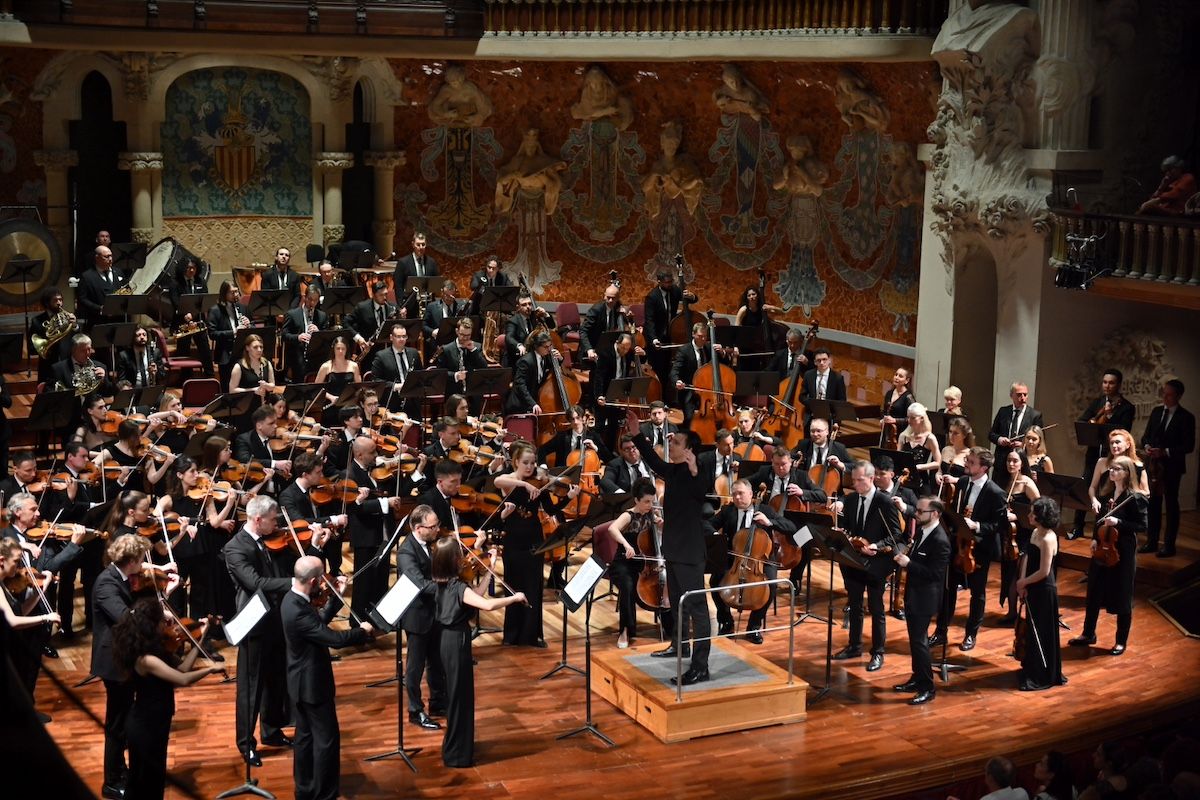
To delve deeper into these and many other issues, the session will feature the vision and experience of the general director of the Palau de la Música Catalana. Oller, who has directed the Palau since 2011, will provide the perspective gained from a career that spans more than a decade at the helm of the modernist jewel, and which has included previous stints at various musical institutions and also in teaching.
With a degree in Business Administration and Management from ESADE and in Philosophy and Educational Sciences from the UB, Oller also has Music studies from the Conservatori del Liceu. He began his professional career in 1991 at Barcelona Activa and its Business Creation Center, and then made the leap to musical institutions.
Oller and Brufau will discuss musical institutions and their role as both disseminators and generators of cultureHe was manager of the Orquestra Simfònica del Vallés between 1995 and 1998, and then of the Pablo Sarasate Foundation in Pamplona. Oller then moved to Valladolid, as manager of the Castilla-León Symphony Orchestra, until in 2001 he became general director of the Consorci de L'Auditori i l'Orquestra.
He held the position until 2011, when he was appointed general director of the Palau de la Música Catalana, which he has led ever since, combining it with academic activity at the Escola Superior de Música de Catalunya (ESMUC). Oller, who presided over and founded the Network of Organizers of Educational Concerts in 2010, is also a member of the prestigious European Concert Hall Organization, which brings together directors from 20 of Europe's most relevant auditoriums.
As it could not be otherwise, L'Auditori also belongs to this European network, and its director is part of the network's management. With Brufau at the helm since 2019, the Palau celebrates 25 years establishing itself as one of the main musical institutions in Catalonia: it integrates the Barcelona Symphony and National Orchestra of Catalonia (OBC), the Barcelona Municipal Band and the Barcelona Music Museum, in addition to the Robert Gerhard Center.
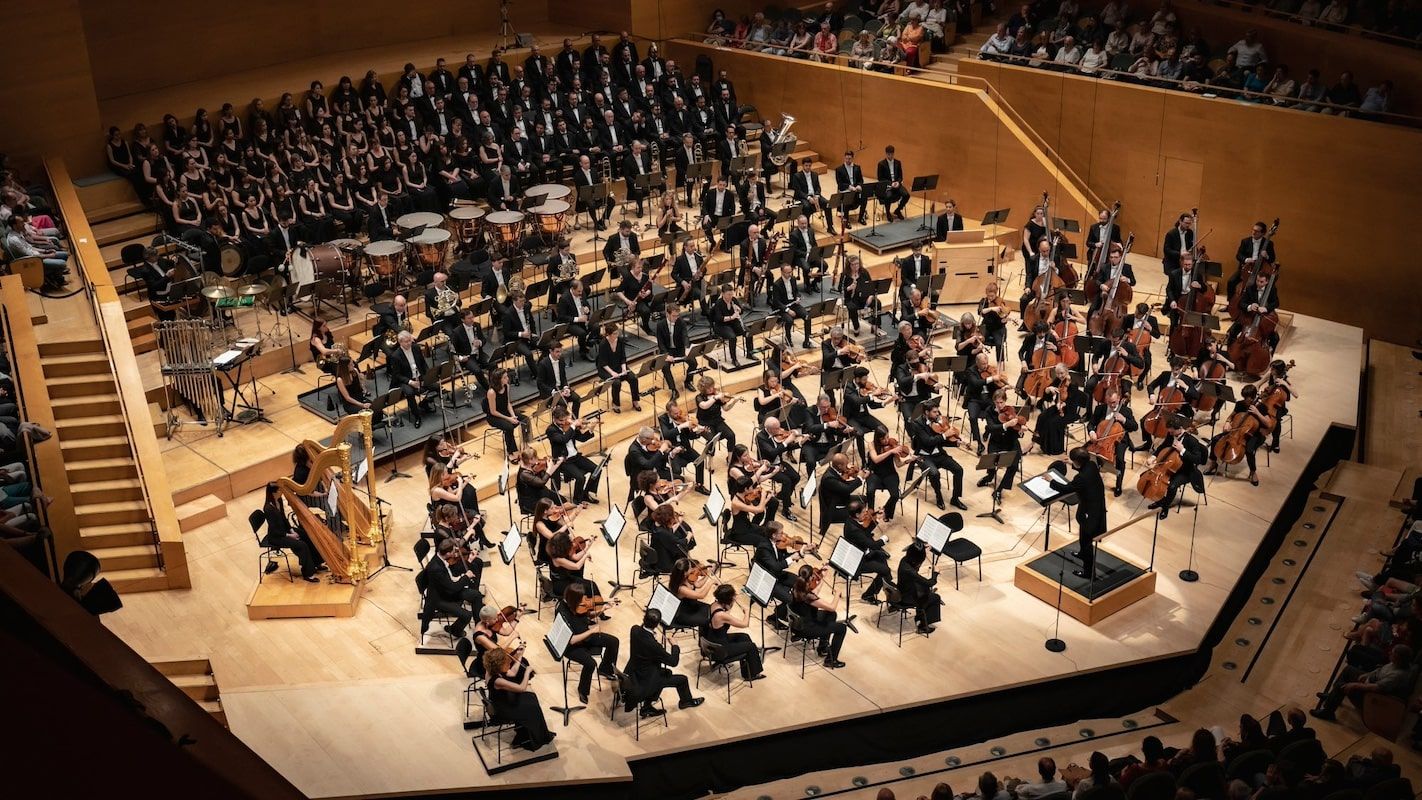
In his time as director, Brufau has expanded the diversity of L'Auditori's musical offering, with more than 500 concerts per season, ranging from ancient music to newly created music. Since taking office five years ago, he has promoted sustainability projects, and also has strengthened the OBC, especially with the appointment of Ludovic Morlot as principal conductor, winner of five Grammys.
Both institutions approach the public with a varied and prestigious offer that brings together great artists and both classical and innovative proposalsIn addition, Brufau has also boosted the institution's impact in the educational and social fields,with projects such as Apropa Cultura or Cantània, which reaches more than a thousand schools throughout Catalonia and beyond. Before his stage as a manager, Brufau was a musician in the Spanish Radio and Television Orchestra, and also worked as a teacher at the Liceu Higher Conservatory of Music. With training in business, culture and music in Geneva, Paris and Barcelona, Brufau was also director of the Solsona International Music Academy for 15 years.
Thus, the new session of Moments Estel·lars will delve into the role of these musical institutions through live performances from two of their main auditoriums, which host the best orchestras, singers and conductors from the local scene and also of international stature, attracted to a Barcelona passionate about music.
Add The New Barcelona Post as your preferred Google source for free
Stay informed with the latest news.