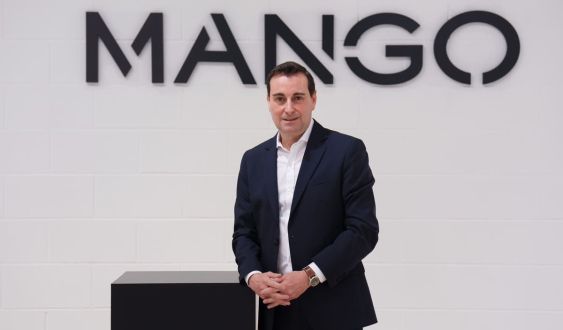
Feeling of pride and maximum satisfaction at Mango after having closed the 2022 financial year with a historic record turnover and the highest profits of the last decade. The textile company owned by Isak Andic and led by Toni Ruiz considers its restructuring phase completely finished and embarks on a new stage focused on growth, international expansion, and high investments in new openings, store renovations, innovation, and reduction of its environmental impact.
After registering a 20% growth due to the reactivation of sales in physical stores once the pandemic was overcome and the good reception of its designs, Mango has reached revenues of 2.7 billion euros in the last year, the highest figure since its inception almost 40 years ago, with the opening of its first store on Paseo de Gràcia in 1984. Specifically, the fashion firm has invoiced 2.688 billion, compared to 2.234 billion in 2021. 78% of revenues come from the international market. Gross profit has climbed to 103 million (+26%), EBITDA to 436.6 million (+3.3%), and net profit to 81.1 million, representing a 20% increase. This result quadruples that achieved in 2019, before the pandemic (21 million) and is the highest in the last ten years.
In addition, the family company has made a very significant reduction in its bank liabilities, placing its net debt (the difference between loans and cash or treasury) at 82 million, with a leverage ratio that is "among the healthiest in the sector," according to the financial director, Margarita Salvans. The executive recalls that in 2022 the company signed, for the first time, a 200 million loan whose cost is referenced to the achievement of sustainability objectives. It should be remembered that in 2016, net financial debt was close to 700 million. Mango thus completely leaves behind its dark period, between 2016 ---when it first entered losses--- and 2019, the year in which it recovered profitability.
"We are very proud of the work and the transformation the company has undergone after a journey of several years in difficulties that we have overcome thanks to our team, a differential business model, and having recovered the brand's DNA," states the group's CEO, Toni Ruiz, with satisfaction. "These results fill us with motivation," notes Ruiz, who is "very hopeful" about the future awaiting the Barcelona-based group.
According to the executive, Mango "consolidates itself as one of the leading fashion companies in Europe" and does so with its own design team that creates 100% of the garments, with a quality, he assures, "much superior to that of other companies in the sector." "We have a unique ecosystem," he adds, referring to its multichannel business model, in which own stores coexist with franchises, corners in department stores, and alliances with local partners to address key markets such as India or Canada. Women's collections continue to generate the bulk of Mango's business, with sales of over 2 billion, accounting for 82%. The rest is divided between Mango Man and Mango Kids, which grew by 30% and 18%, respectively. The youngest division, dedicated to home goods, has doubled its size, although for now it only generates 5 million in revenue.
Ruiz highlights the 2022 results, considering that they had to face adversities such as inflation, the appreciation of the dollar, and the war in Ukraine, which forced them to suspend operations in Russia ---where they had 55 own stores and 65 franchised ones---, with a negative economic impact of 20 million on the annual accounts. Furthermore, the CEO emphasizes that last year they "invested more than ever," with a record of 107 million. This figure more than doubles the investments of 2021 and has been allocated to technology, its logistics platforms, and the renovation and opening of new stores.
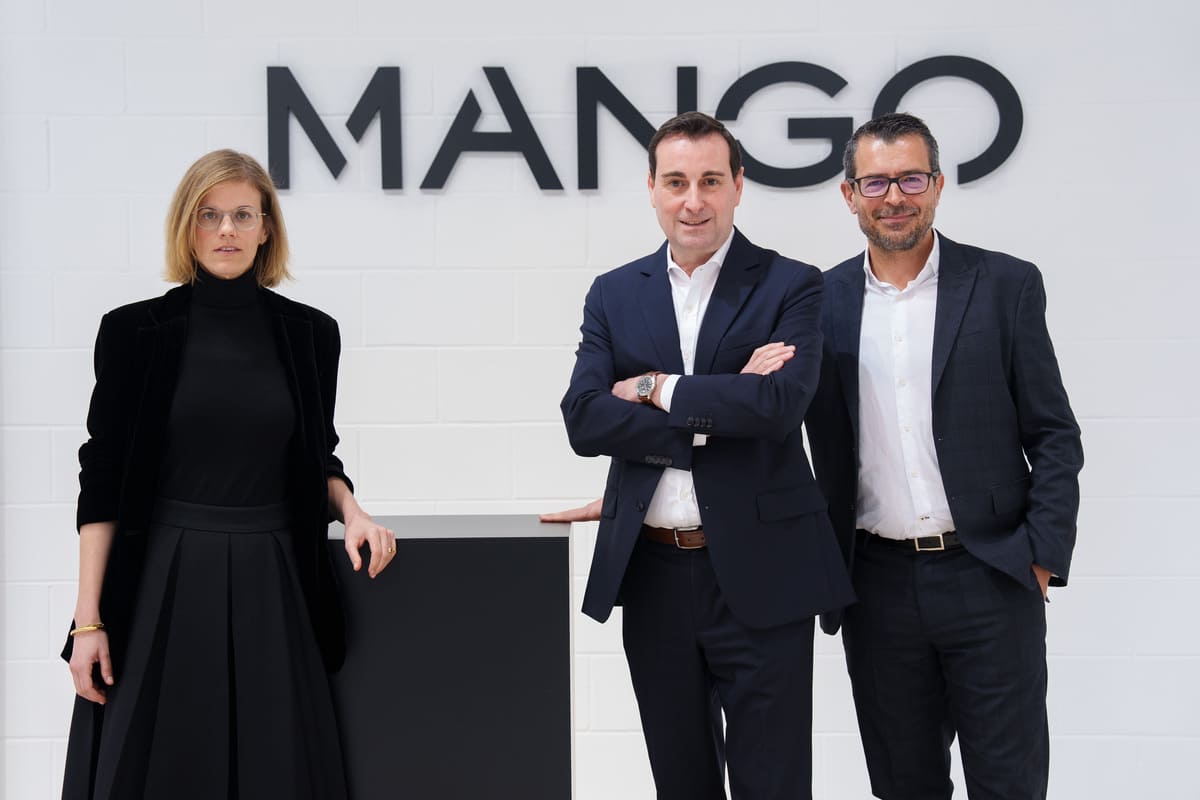
Specifically, in 2022 Mango opened 119 establishments, bringing the total to 2,566 points of sale in 115 countries across five continents. According to César de Vicente, Mango's global retail director, this expansion plan will intensify in 2023. "I don't know the exact number of stores we are going to open, but the pace will be higher than in 2022," says the executive, who also anticipates that expectations for this year, given the evolution of the first two months, "are very good," so the record investments of the previous year will also be surpassed.
One of the milestones of 2022 was the opening of an emblematic store of more than 2,000 square meters on Fifth Avenue in New York. The US market is now the chain's top priority, where it has outlined an expansion plan in the states of Georgia, Texas, and California with the goal of reaching 40 stores by 2024, compared to the current ten. Alliances with partners have also been strengthened to grow in Canada (20 more stores will open) and India (35 new establishments), hand in hand with Fox and Myntra, respectively. "The United States is a huge market, it has enormous growth potential, it will be fundamental for Mango. It should soon be in our Top 3 or Top 5 of countries with the highest sales," points out the CEO. Currently, the key markets for the chain are Spain (22% of sales), France, the United Kingdom, and Italy.
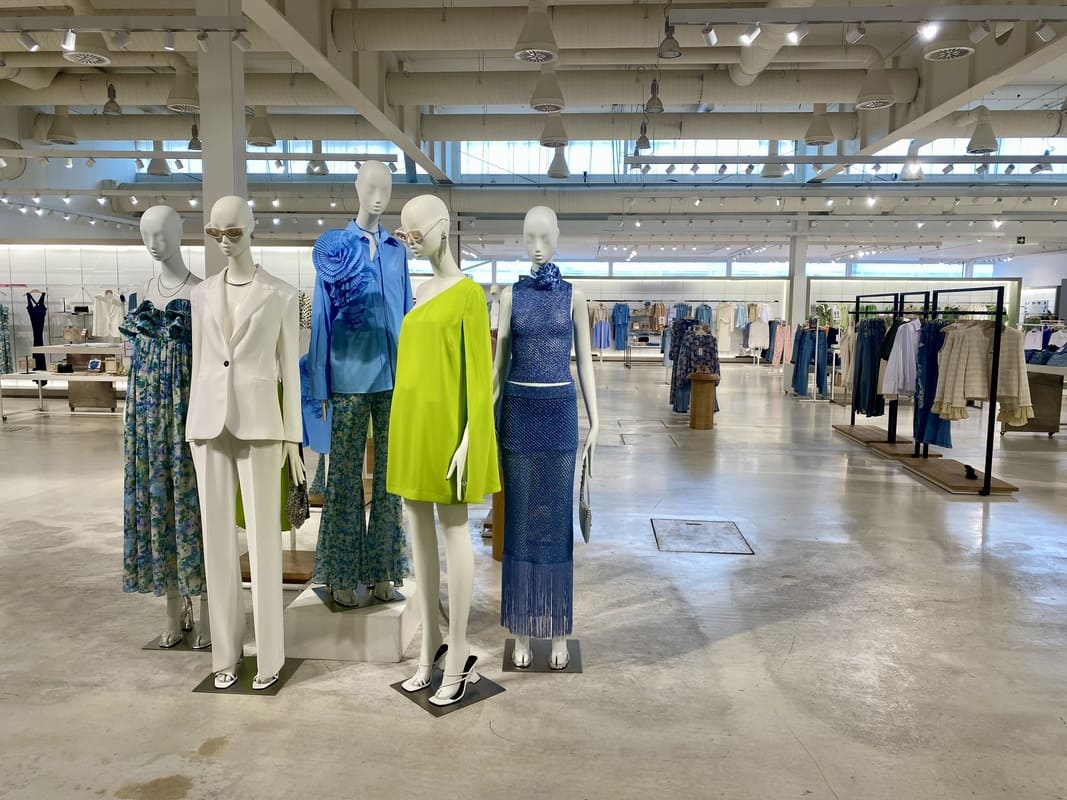
In Mango's multichannel model, its online store occupies a central position, which last year generated a turnover of 960 million, equivalent to 36% of the total business (in 2021 this percentage had reached 42%). The service is available in 90 countries, although this year's goal is to open 20 more markets, especially in Africa and in countries like Brazil. In total, the digital store has 232 million users.
Investments in Palau-solità and Lliçà d'Amunt
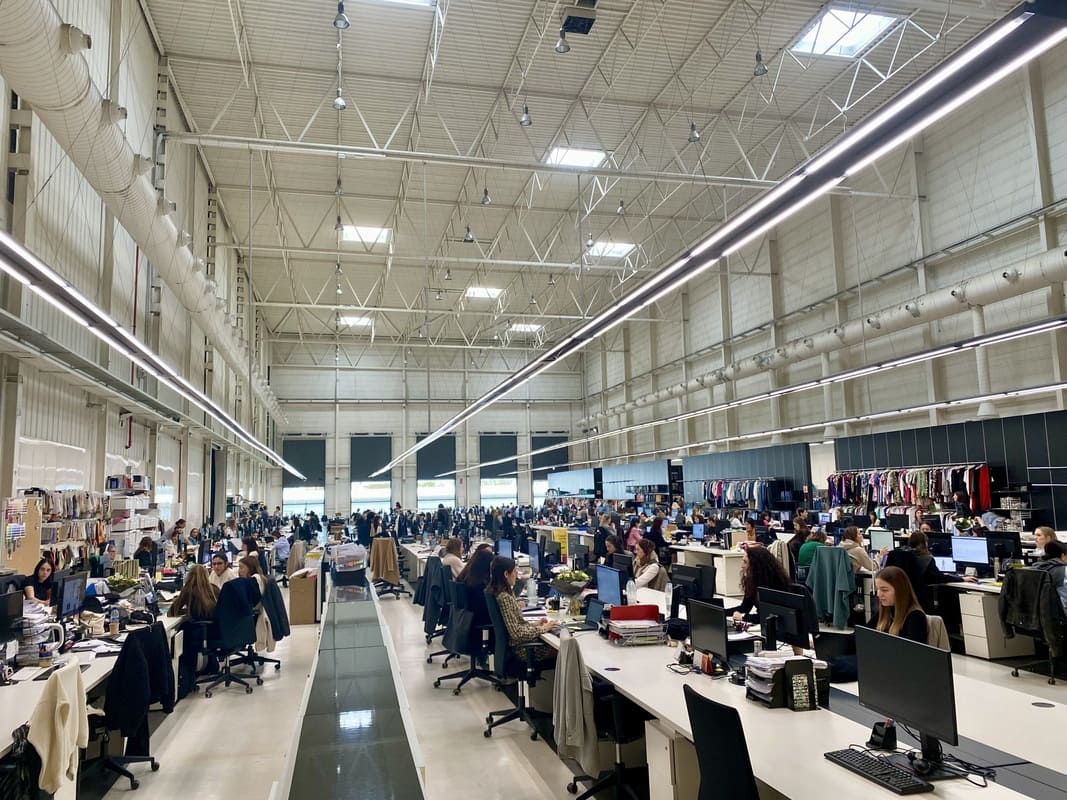
A good part of Mango's investment plan focuses on the Barcelona area. Specifically, the company has an investment of 42 million underway in the reorganization of its central headquarters in Palau-solità i Plegamans, where it has built a new office building and plans to remodel El Hangar, the large warehouse that houses its design and pattern-making teams, sample manufacturing, and which also houses the pilot stores and the brand's showrooms. The new Mango Campus will employ 2,200 people and will open in 2024, coinciding with its 40th anniversary.
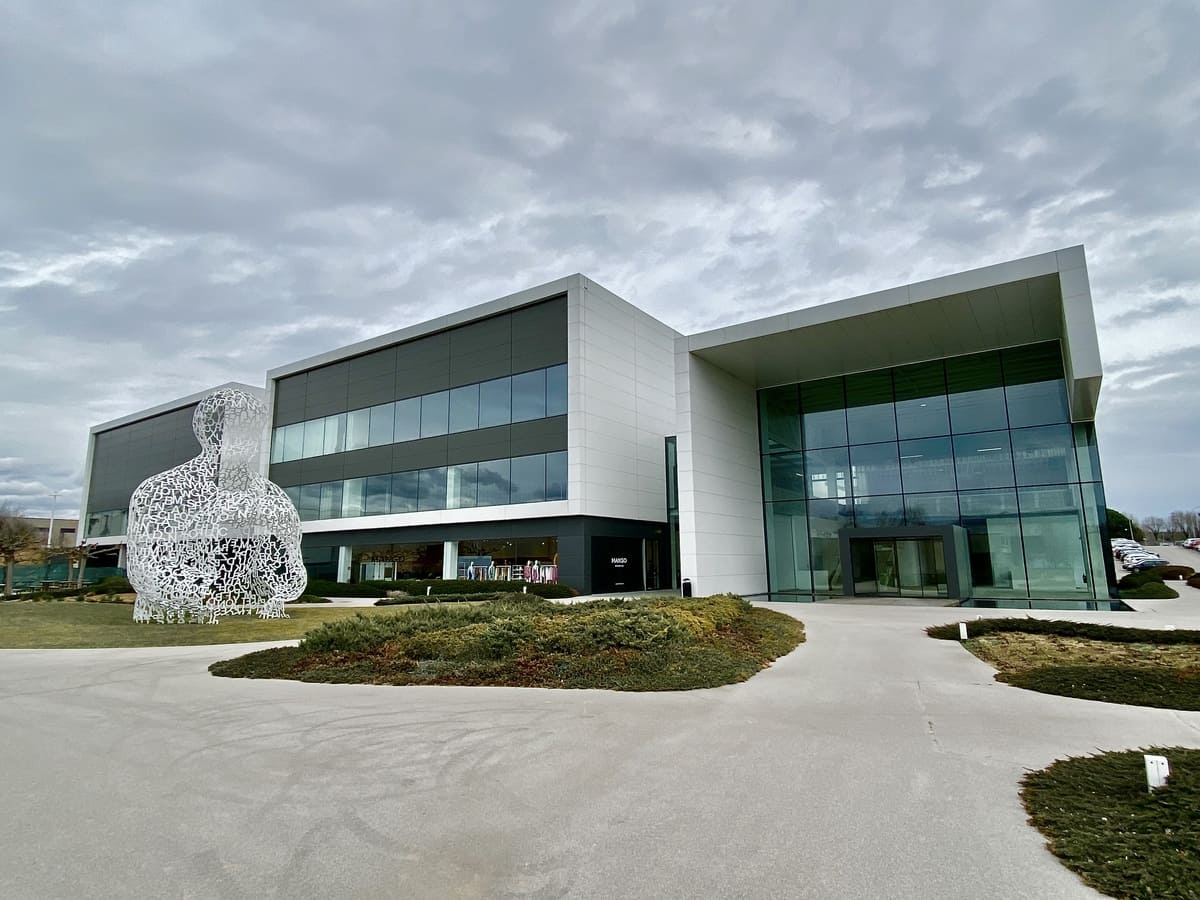
In parallel, the group is also finalizing the expansion works of its logistics macro-complex in Lliçà d'Amunt, budgeted at 35 million and which will be completed this first semester. The project will allow managing in a single center not only shipments for physical stores, but also serving all orders received by the online store, with a management capacity of 10,000 more garments per hour, reaching 85,000 garments/hour.
In the last year, Mango has created 1,300 jobs worldwide, bringing its workforce to 14,082 employees, a 10% increase. Its sustainability plan foresees promoting circular design criteria and the use of materials with less environmental impact, with the challenge that by 2030, 100% of its fibers will be of sustainable or recycled origin. Another goal is to achieve climate neutrality by 2050. Today, Mango's main suppliers are in Turkey, China, India, Spain, and Italy.
Add The New Barcelona Post as your preferred Google source for free
Stay informed with the latest news.