
I confess I am in love with the Catalan capital, does that make me less objective? I also have to admit that I am a person who experiences emotions quite intensely and, "to top it all off," I tend to emphasize the good side of everything. It's not that I don't want to or don't know how to see the bad things, simply, I believe that in this chaotic world we live in, it's worth betting on enjoying the small pleasures and, why not, "romanticizing" our daily lives.
Let this declaration serve as a disclaimer or release of liability for the ideas I want to share. I have been living in Barcelona for ten years and, despite not having been born here, I feel like I belong here. That's why, when I scroll through social media, read an article, or hear a negative conversation about my city, it hurts me deeply. It hurts because Barcelona is not perfect, but it is profoundly valuable.
Barcelona is a city that rewards those who walk slowly. Sometimes I move without looking up from the ground because I enjoy the Eixample's flower panots, the Gaudí tiles, or the century-old hydraulic tiles that many buildings hide. Other times, I can't walk looking straight ahead because there are so many treasures shining on the facade of each building that it's hard not to look up.
When was the last time you looked at Barcelona as if it were the first time? This year, taking advantage of the fact that it is World Capital of Architecture, it can be the perfect excuse to reconnect with a unique heritage that accompanies us on every corner.
I often hear that Barcelona is getting worse and worse. It's not about ignoring what still needs to be improved, but also about learning to recognize what is progressing. The 'superblocks' have brought neighborhood life and calm back to many streets; walking today along axes like Consell de Cent or Girona is to rediscover traditional shops and a friendlier city. And almost no one mentions Les Glòries park, a true green lung that has transformed asphalt and smoke into a space to breathe.
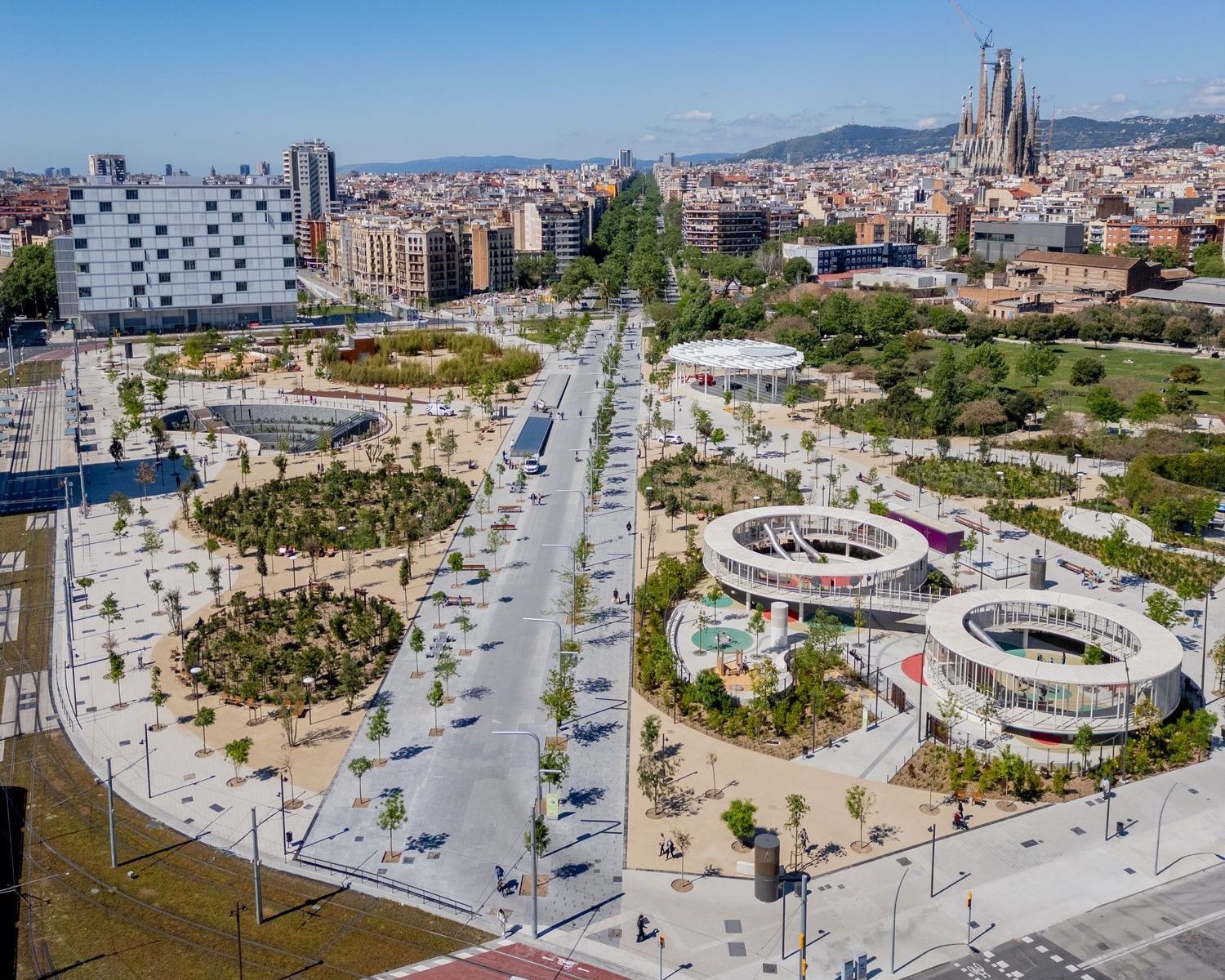
Perhaps the problem is not the city, but the way we look at it. It surprises me when a Barcelona native tells me they have never entered the Casa Batlló or the Sagrada Família. I'm sorry, but I find it a crime. In my first years in the city, I took the opportunity to visit the most iconic buildings and, to this day, my list of places to visit is still long. I enjoy discovering spaces that seem part of the city's scenery without passers-by noticing their value, such as the Mies van der Rohe Pavilion a few steps from Plaça Espanya.
One of the most common excuses for giving up on a touristy Barcelona is thinking that accessing culture is expensive. And although this city is, in itself, an open-air museum, it is true that some spaces have inaccessible prices. Even so, there are always alternatives: every first Sunday of the month many museums open their doors for free, a golden opportunity to rediscover them. This year, furthermore, I was thrilled to learn that Barcelona residents will be able to access the Sagrada Família with a 50% discount to mark the centenary of Antoni Gaudí's death. A real luxury that I do not intend to miss.
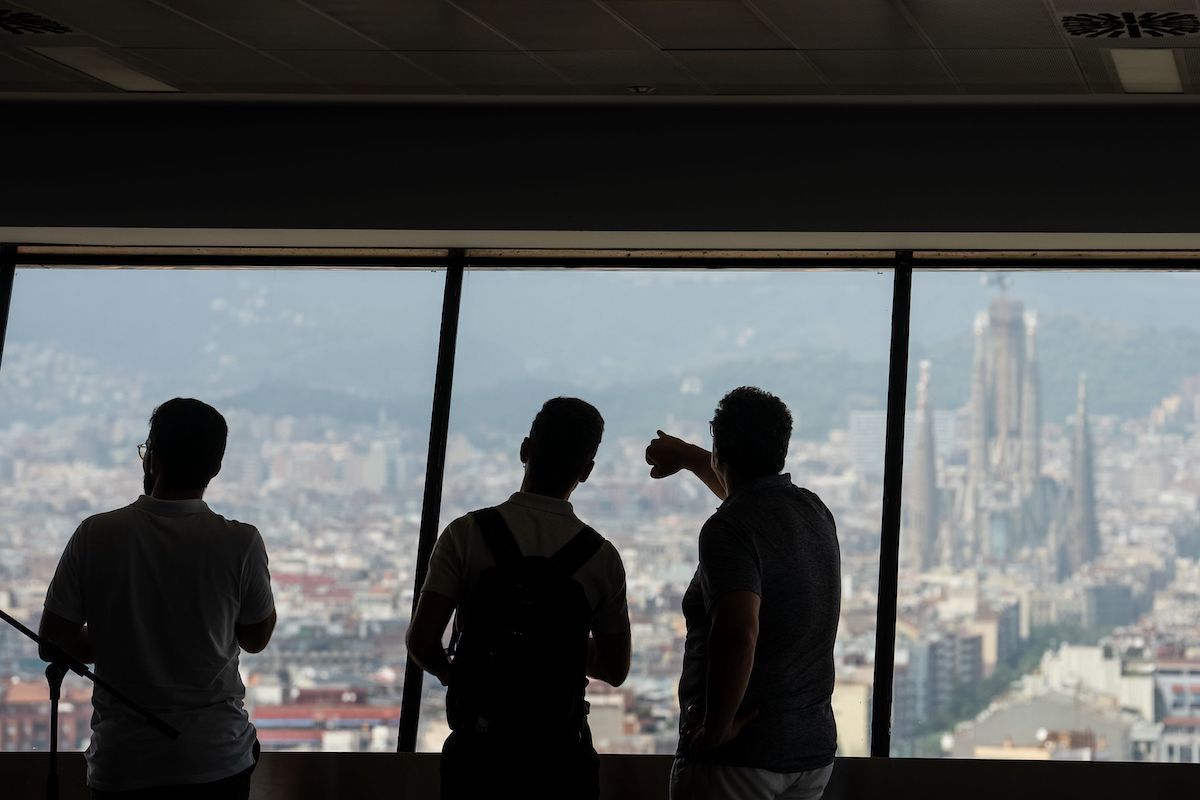
Beyond art and architecture, living in Barcelona means being able to escape to the sea whenever the asphalt chokes us, being able to get lost in one of its parks if we need perspective, or being able to indulge our stomach in any of its gastronomic temples. This year I want to continue enjoying the Catalan capital as if it were my first time, climbing Tibidabo to contemplate everything from above and strolling through Montjuïc or the Vila Olímpica.
Many will continue to think that the streets of Barcelona are unsafe or that the decline is increasing, others will continue to dream of visiting a city full of light, mystery, and history. I don't want to convince anyone, but to remind (myself) why I keep choosing this city every day. Looking at Barcelona as if it were the first time doesn't change it: it changes us.
Add The New Barcelona Post as your preferred Google source for free
Stay informed with the latest news.