Barcelona is going through a period of profound transformation. A 2026 to remember, with major events, new projects and infrastructure, and a growing international profile. Some even say that this year citizens have started to regain their sense of pride in the city… But Barcelona also faces challenges such as housing, insecurity and inequality, which put pressure on the lives of many Barcelona residents and generate discontent. How do we manage success so that Barcelona can continue to be a city to live in, a city for its residents?
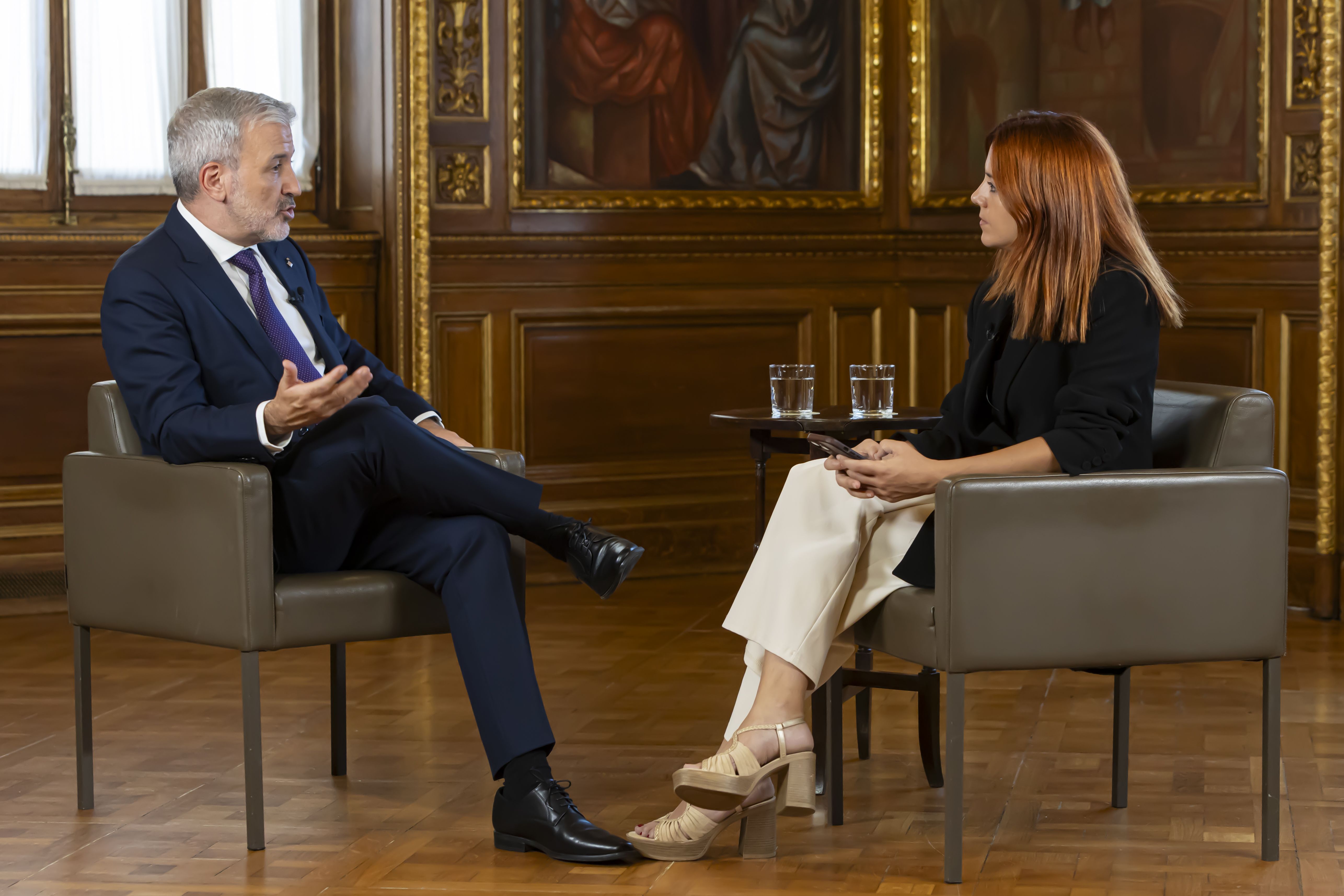
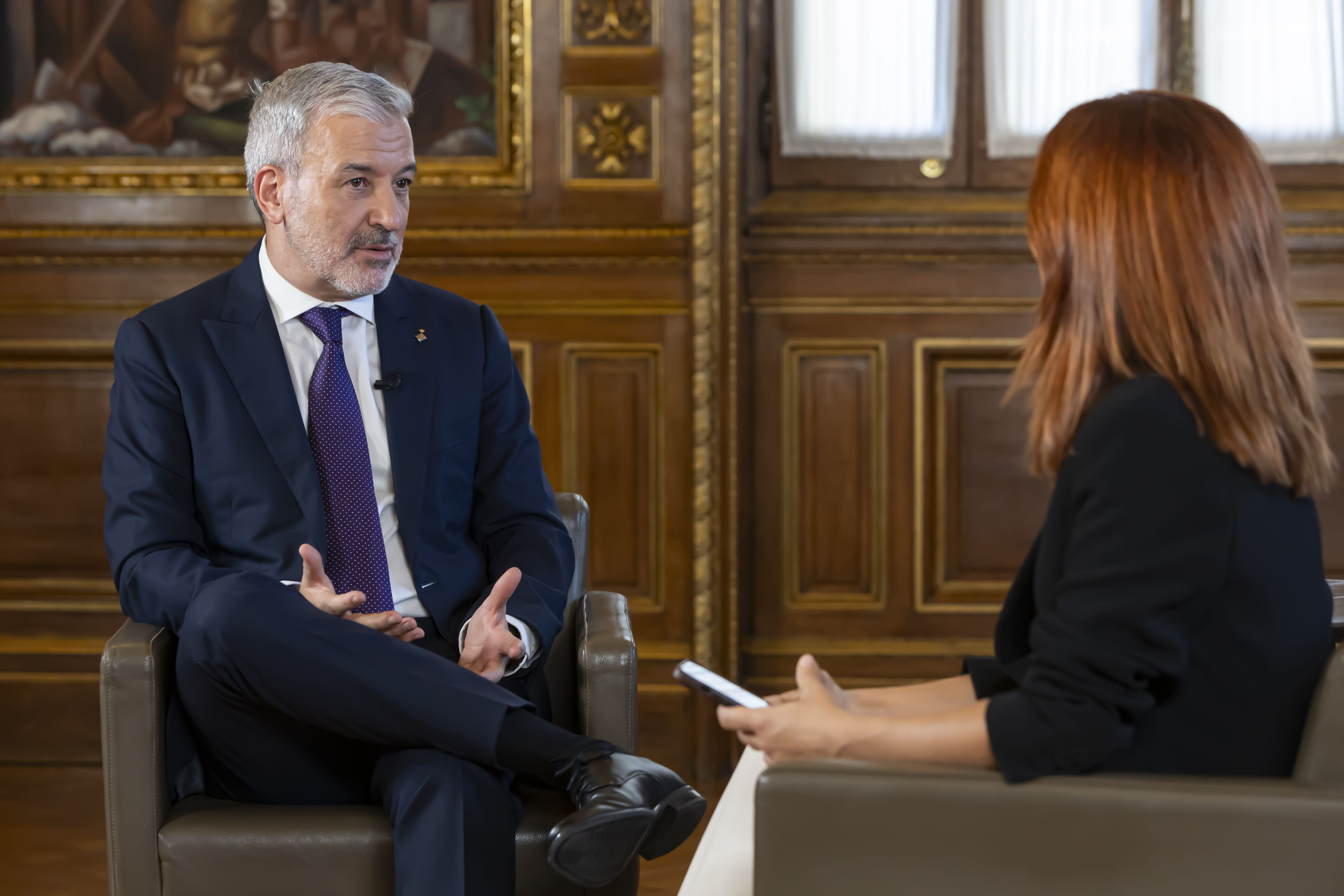
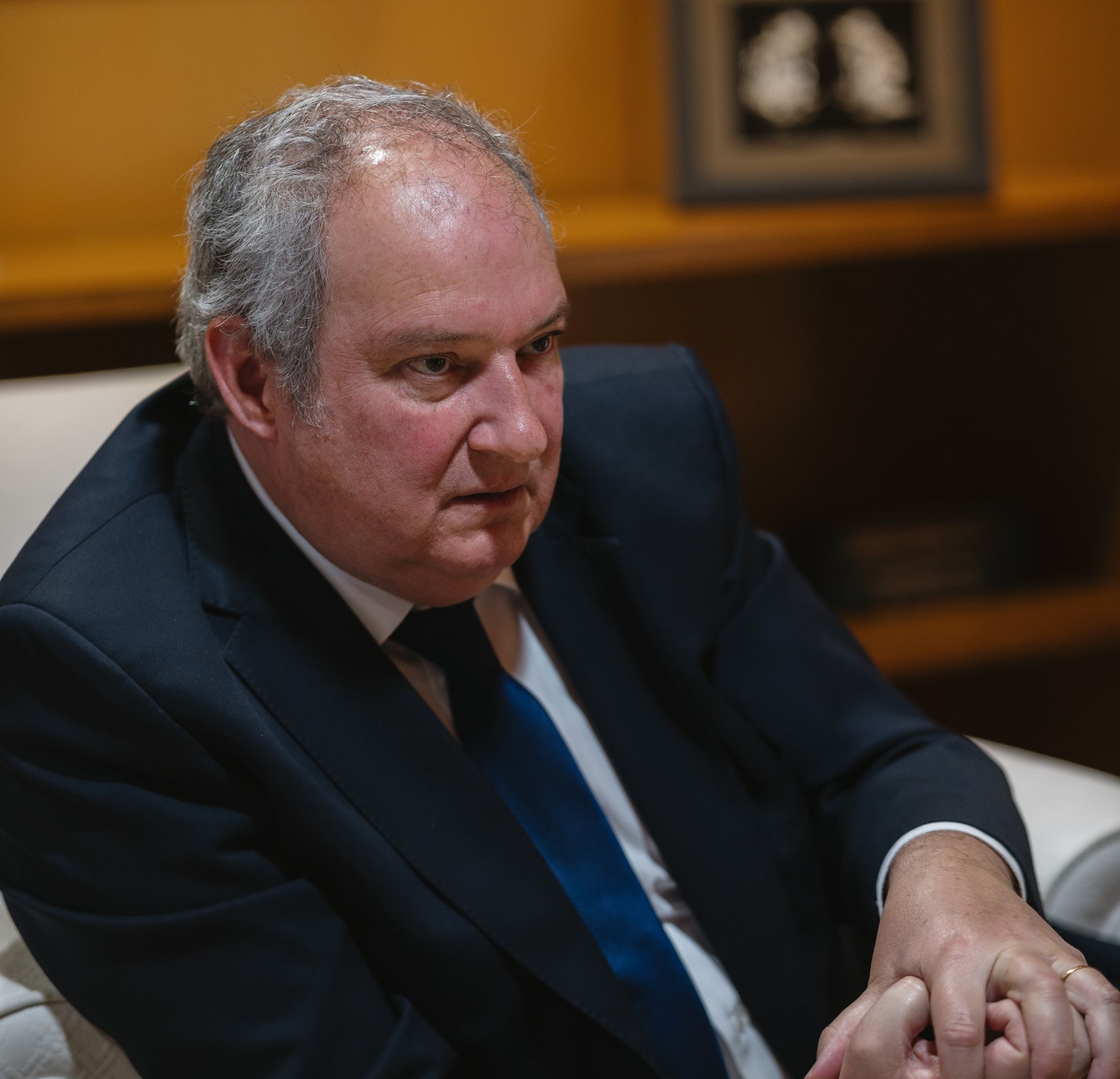
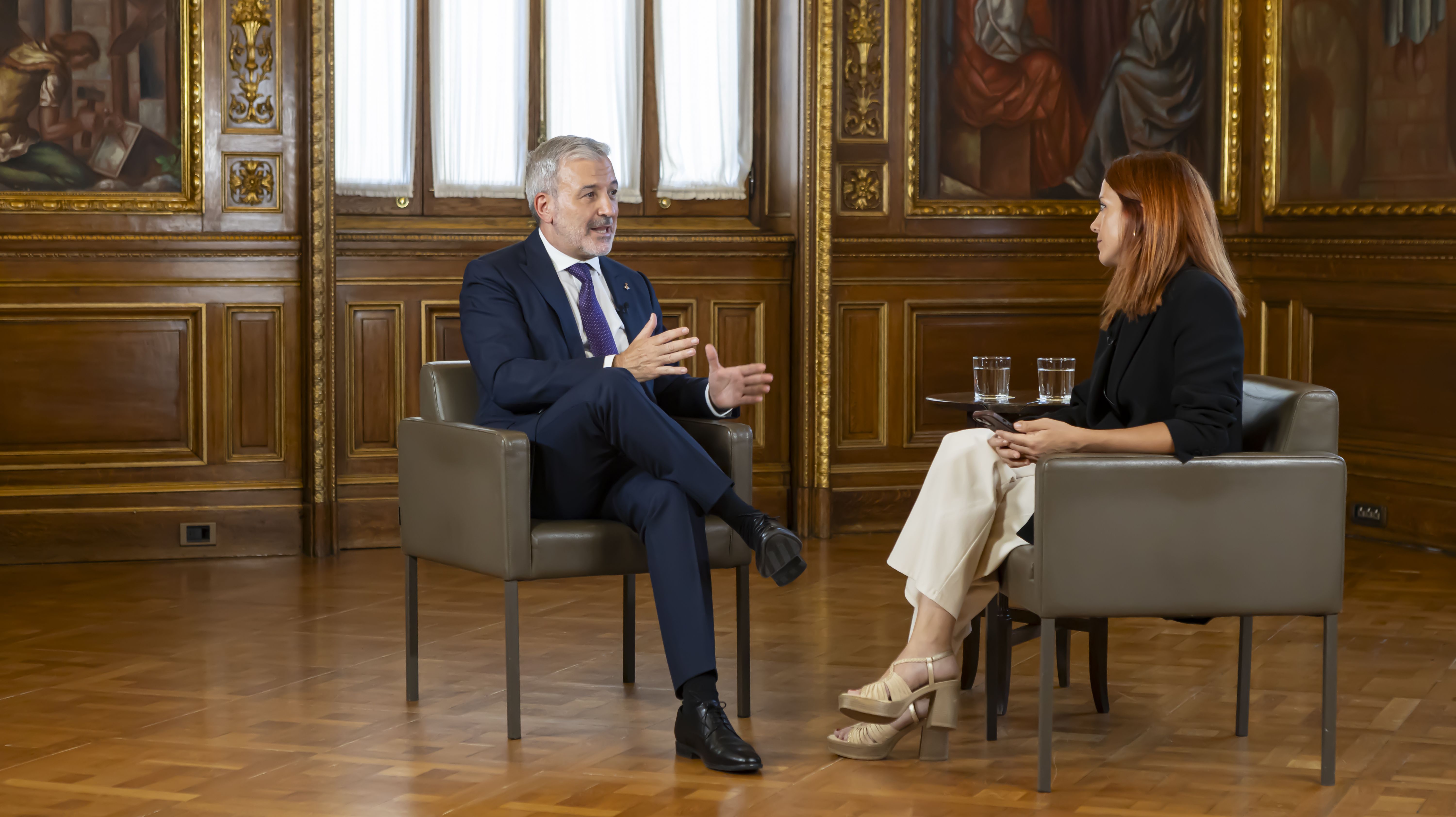
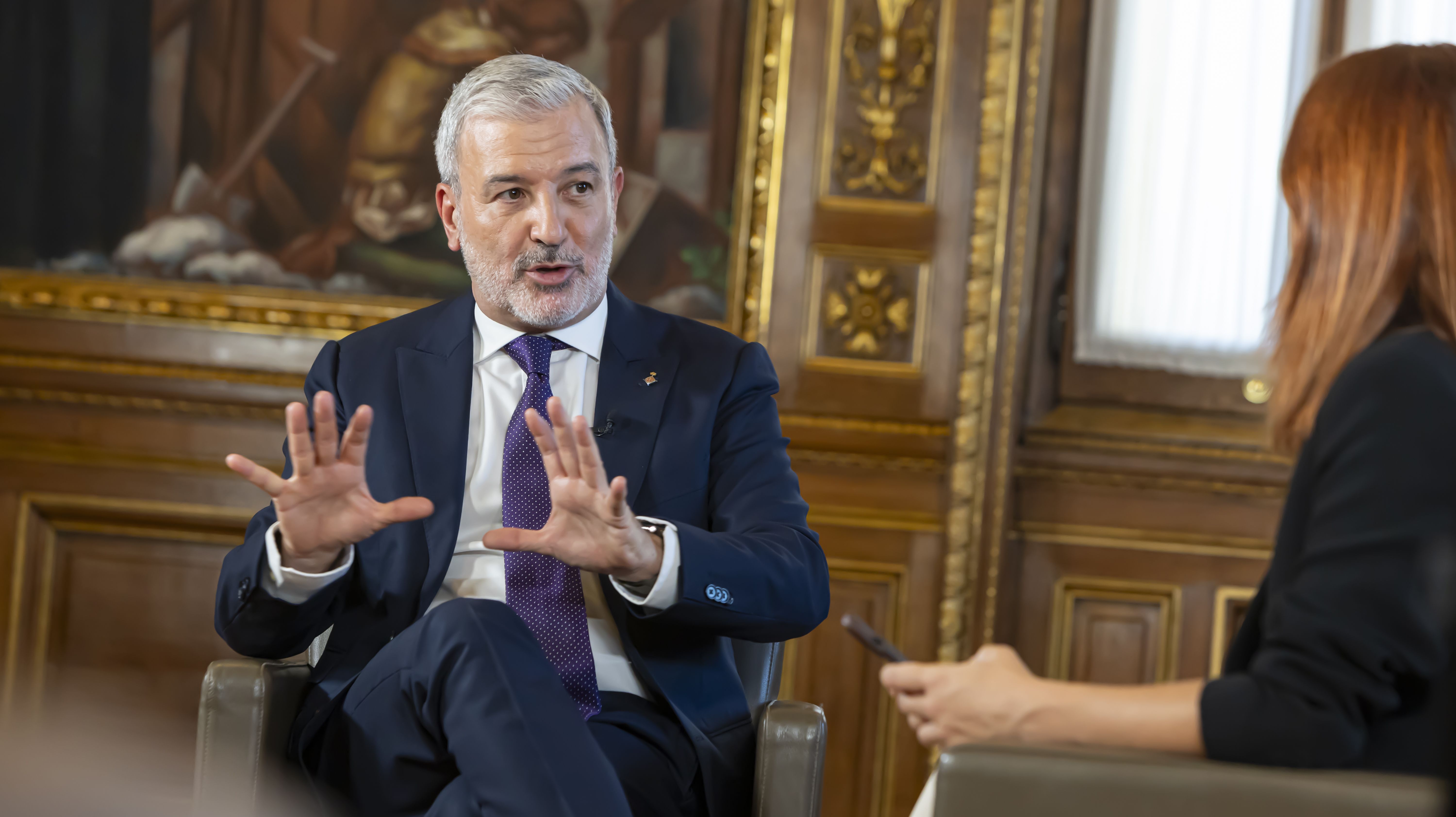
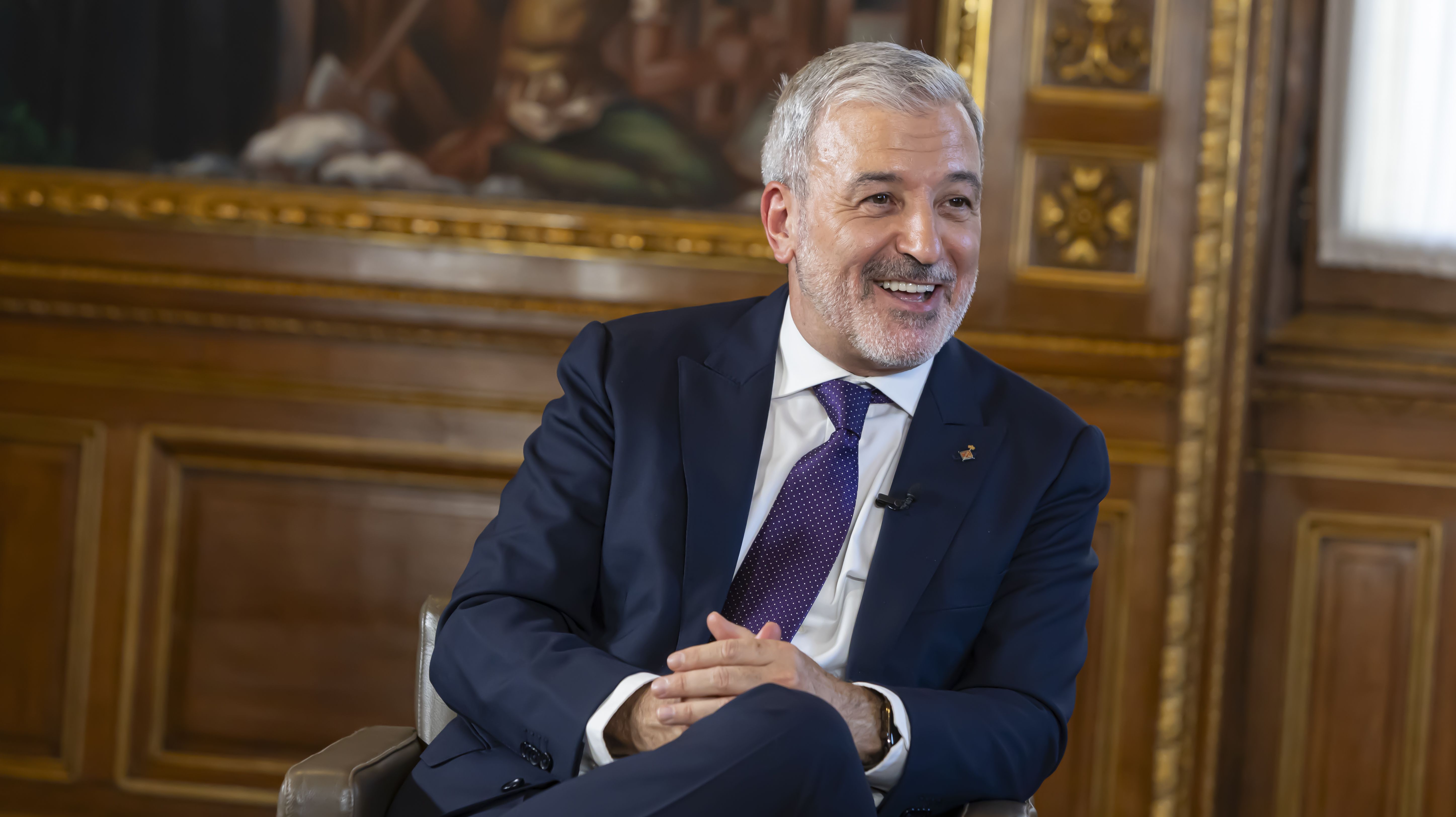
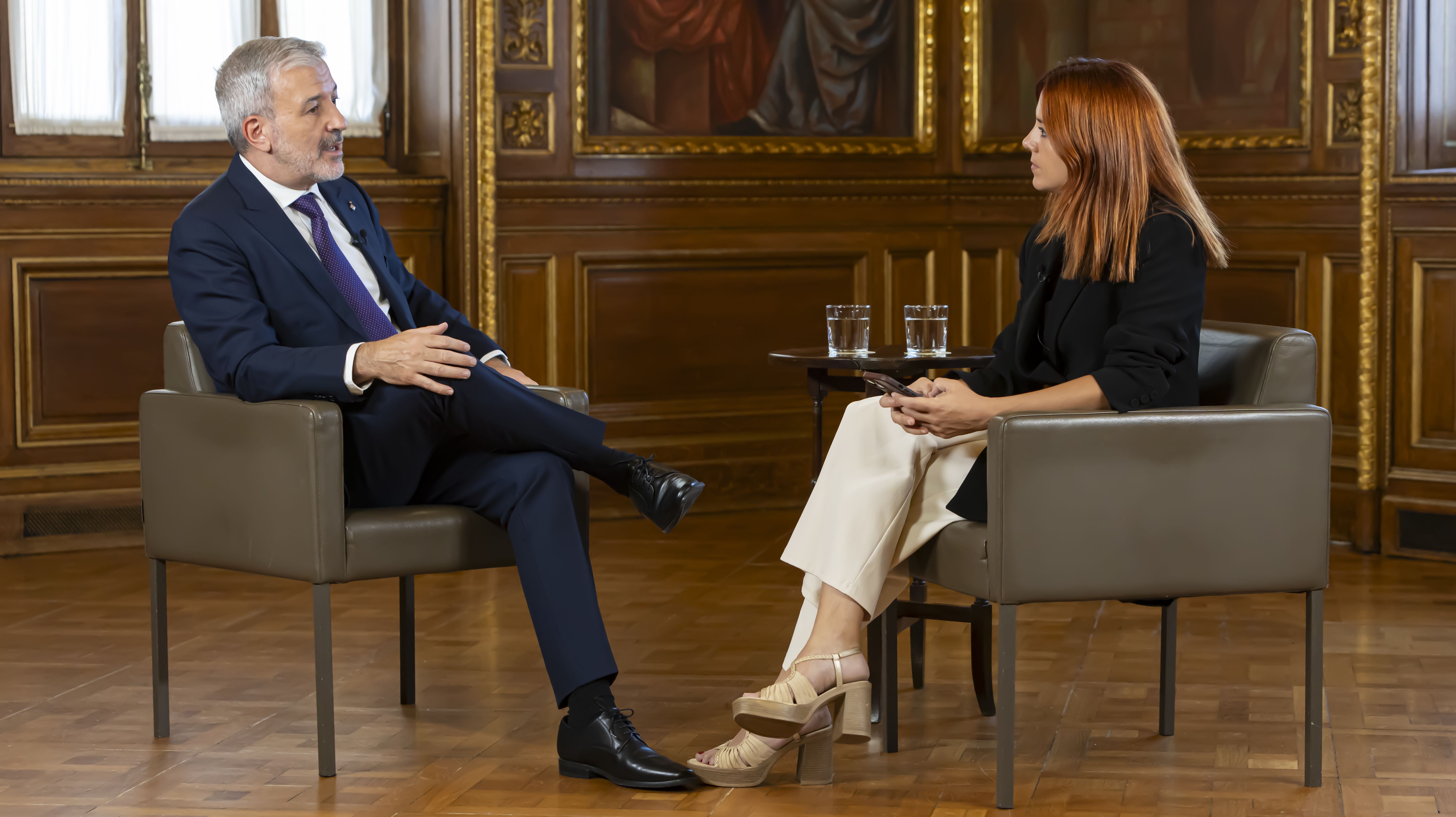
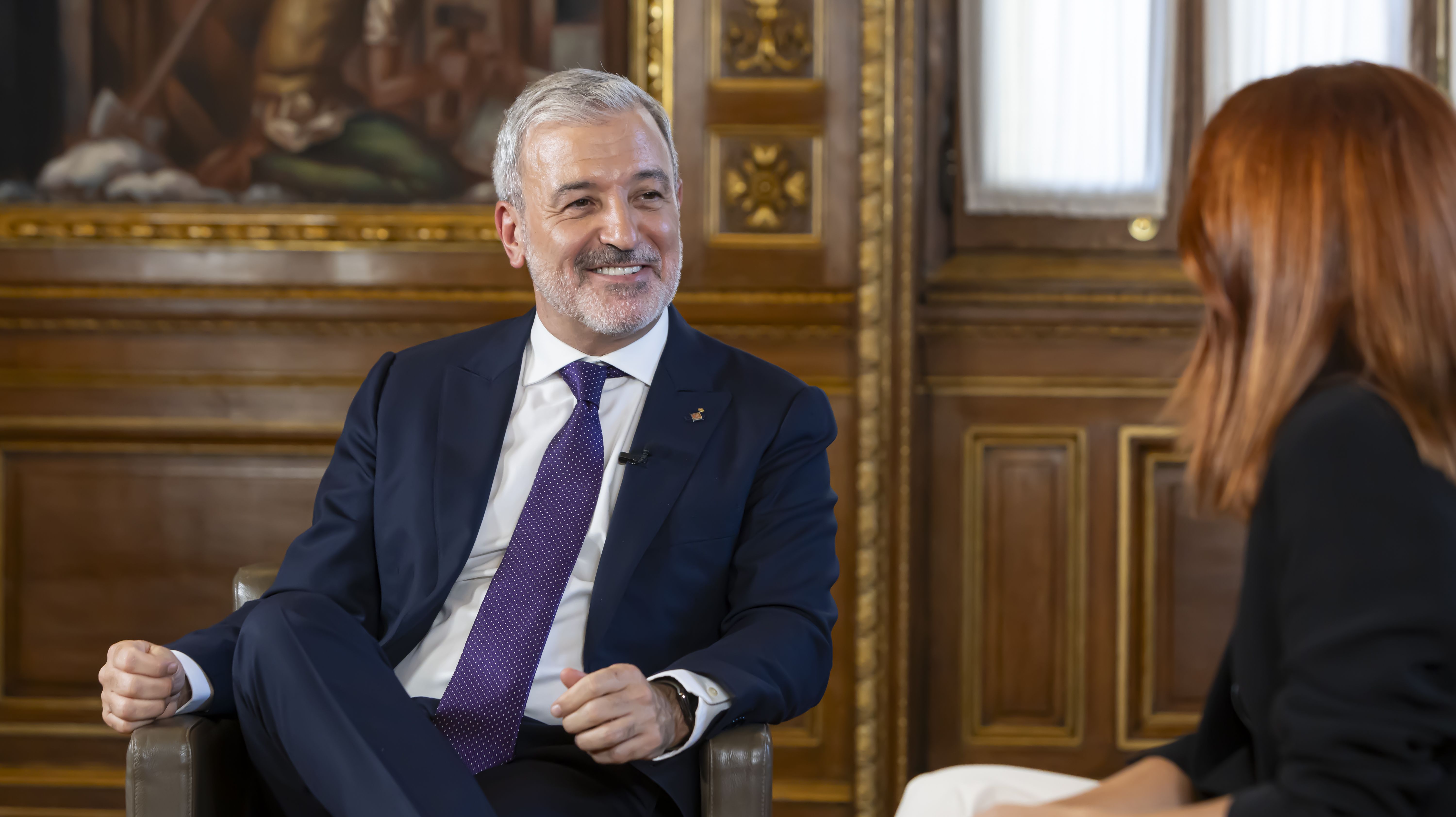
The Mayor of Barcelona, Jaume Collboni, welcomes us at Barcelona City Hall, in the Saló de la Ciutat. Collboni has been Mayor of Barcelona since June 2023. Previously, he served as First Deputy Mayor and Government Spokesperson, after spending a significant part of his political career in the Parliament of Catalonia and the Catalan Socialist Party (PSC). With the next municipal elections scheduled for Sunday, 23 May 2027, Collboni is now entering the final stretch of his first term as Mayor of Barcelona. Three years after taking office, there is now enough perspective to begin to assess what has changed, what his main priorities have been and which challenges remain unresolved.
– Mayor, thank you for receiving us. What is the price of Barcelona’s success?
– For me, success, as the city’s mayor, and I think it is also the case for many Barcelona residents, is for Barcelona to have, for example, a network of more than 500 public facilities spread across its 73 neighbourhoods. Success is having 43 public libraries. Success is having 40 municipal markets that guarantee the supply of fresh, locally sourced food throughout the city. Success is also having around 40 public sports centres that make Barcelona one of the cities in the world with the highest levels of participation in sport. For me, all of these are the ideas behind what, for me, constitutes Barcelona’s success.
– Also, therefore, success lies in the well-being of citizens. And a good thermometer to see this well-being of citizens is the municipal barometer. How do you evaluate the latest municipal barometer?
– Well, I believe that the challenge, indeed, of this success you asked me about, is for the city to continue being attractive, for example, for investments or for international talent, and that this does not go to the detriment of the city's identity, or that the success we also have from the point of view of economic growth —and which is recognized in the barometer— is distributed equitably, and that quality jobs are established for the people of the city.
In this sense, the assessment made by citizens in municipal barometers and in the surveys that have been published in these last three years is that the management of the City Council is approved and supported by a large majority.
– It is approved with a 6 out of 10.
– Indeed. And that is asking how the metro works, how the bus works, your neighborhood library, the market, public space. People appreciate that the City Council does a very important job to guarantee the quality of public service.
And I believe that this is what most unifies a city: feeling that the city protects you, that the city gives you the services you need and that these services are close to home. This is the great success of the city and, indeed, citizens appreciate and value this, although, obviously, we have problems and challenges that we must face collectively.
– In fact, in the municipal barometer, citizens approve the management of the City Council, but point out several concerns. Housing is the first and insecurity is the second, although with less and less distance. How do you assess these perceptions?
– To begin with, the concerns of the citizens are ours. And in both aspects, both with housing and with security, there is an evolution, good results from the work done in these three years.

Regarding housing and thanks to the application of the regulation of rent price caps, we are the only large city in the State that has stopped the rise in rental prices. In fact, it has fallen by 5% in the last two years. It is true that it is still at very high levels, but if we had not applied these caps, today the rental price in the city would probably be 300 or 400 euros on average more expensive.
And from a security point of view, although I am aware of many people's concern, the truth is that we have also had two years of continuous decline in crimes. Multi-offending is steadily decreasing and, furthermore, we have made it possible to increase judicial and police action that resolves part of this problem.
These are not things that are resolved in a day — I think everyone understands that; the housing problem is so big and so global that it will not be resolved in one term, nor probably in two — but we can say today that we are building twice as much protected housing as three years ago. We can say today that if we add up all the decrease in minor crimes in the city, we have accumulated a decrease of almost 35%. We are going in the right direction.
– Let's talk about housing. You pointed out that you have managed to control housing prices, but the sector continues to suffer from a lack of available supply. There is less and less supply of available flats on the market.
– That is not entirely true.
– That's what real estate agencies say...
– Well, of course. Here everyone explains it as they see fit… Our long-term and medium-term goal in the city is to guarantee the right to stay in the city. And that means, to begin with, building affordable housing, regulating and building more protected housing. And we are doing it. This year we will deliver 1,000 homes, next year 1,200, and we will double the previous average...
– The goal is to reach 15,000 by 2027 according to the Living Plan.
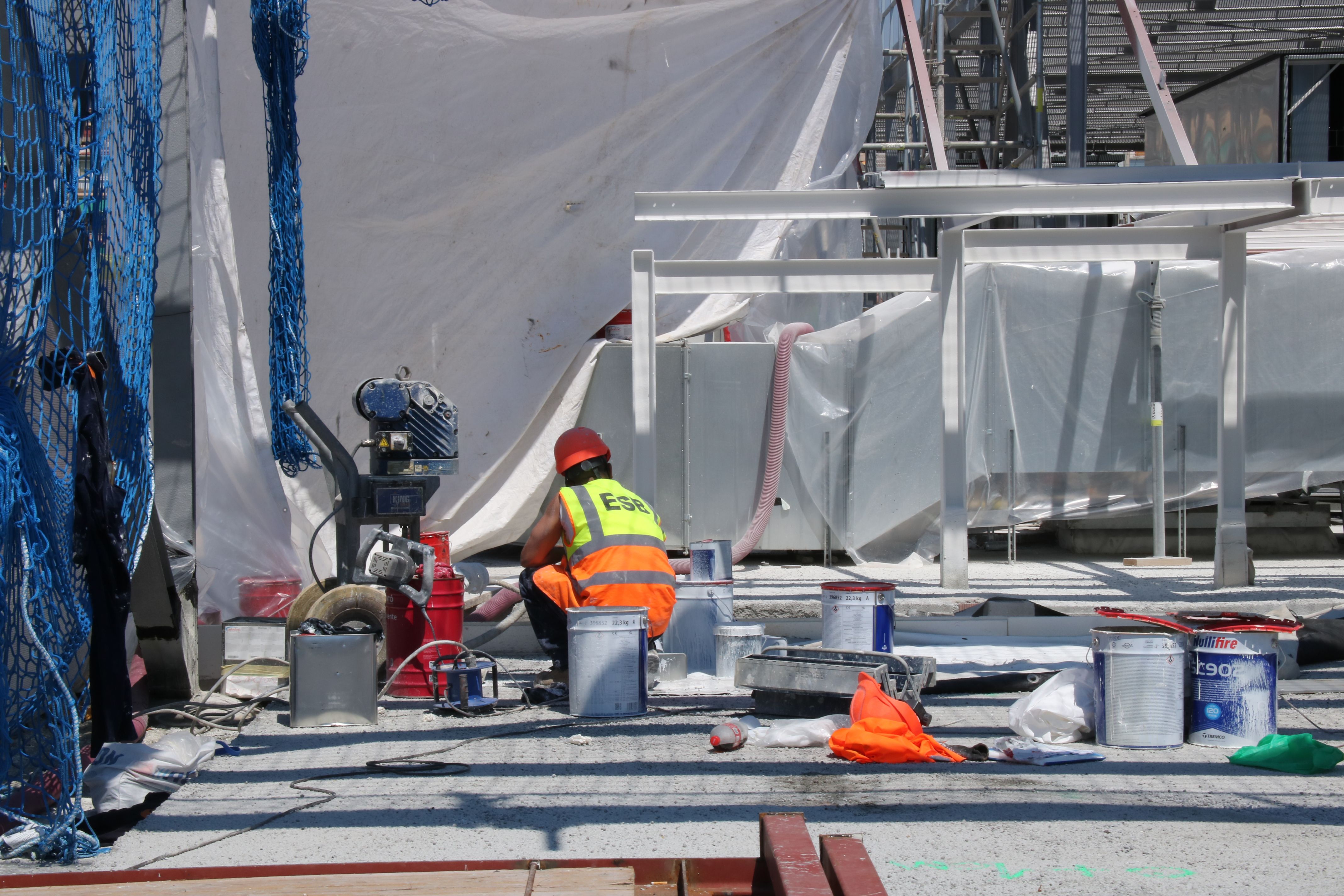
– Indeed. Therefore, we want to reach 15,000 homes to increase the protected rental housing stock, and also boost the private market. And on this we have two good graphic examples: two new neighborhoods that are currently being built in Barcelona: La Marina del Prat Vermell and La Sagrera. In La Marina del Prat Vermell, a neighborhood of almost 10,000 new homes is being built. And the cranes are not yet visible, or some are, but in the Sant Andreu area, in the new neighborhood of La Sagrera station, about 3,000 new homes are already being built. Only in these two areas, between public and private, more than 25,000 homes have already begun to be built. That is, there is light at the end of the tunnel.
“Tourist apartment licenses should never have been granted”
– Before your term ends, how many protected homes will be ready to hand over the keys?
– We will have delivered about 3,000, there will be 5,000 under construction and, in anticipation, with the land prepared, about 10,000. And, very important: 10,000 more at once in 2028 when we do not renew the licenses for tourist apartments. We will be the first city in the world to do it, and we do it because we believe that tourist apartments are violating or harming the right to housing. And putting 10,000 tourist homes to residential use is the equivalent of practically a decade of housing construction in the city of Barcelona.
– Well, because little has been built in recent years.
– Yes, little has been built both by the public and private sectors.
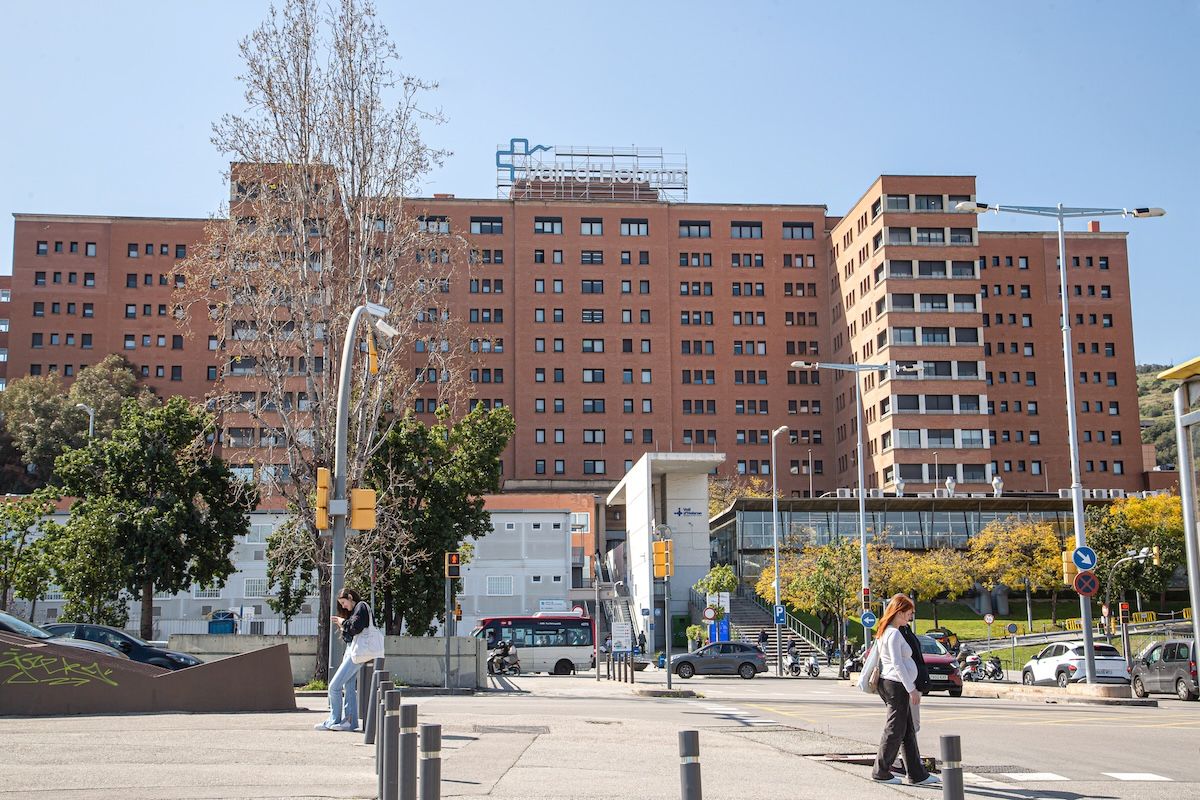
– In the case of the private sector, due to the 30% reservation of new construction for HPO?
– And because the 2008 crisis greatly affected the real estate sector and stopped construction, and the sector took a long time to reactivate. Also because in Barcelona we don't have too much land, we are a city of 101 km² and we have few spaces to grow. But now we are doing it. And we are also following many other strategies, such as rehabilitation.
– And change of use from offices to housing?
– Also. These are other strategies we are following, apart from the elimination of tourist apartments, which are part of the Viure Plan policy. Like the debate that has opened about commercial ground floors and their conversion into housing. There is room for the supply to still grow in the city and also in the metropolitan area as a whole. And therefore, it is also important to improve public transport...
“Homes are for living in”
– Let's go back to tourist apartments. Will eliminating tourist apartment licenses solve the housing problem?
– It will contribute a lot. 10,000 homes for residential use means 25,000 people who can stay and live in Barcelona. 10,000 homes that return to residential use is the equivalent, as I told you before, of a decade of new housing construction. It will also help solve coexistence problems both for homeowner communities and in some neighborhoods, and it will also be noticed in terms of the city's identity.
That's why we have fought this very important battle in Brussels. And we have made a great step with the approval of the European Affordable Housing Plan, because we want to shield and ensure that this path we have started has no turning back.
– Regarding the coexistence problem: if tourist flats in Barcelona were concentrated in buildings, all together, and were not bothering the neighbor on the same landing, then it wouldn't be such a serious problem for Barcelona?
– It wouldn't be as serious, but we start from the premise that the most relevant aspect of the proposal and the decision we have made to eliminate tourist flats is because flats are for living. If it is a dwelling, residential use is the priority in a housing emergency situation like the one we are experiencing in the city of Barcelona. And, therefore, any flat that does not have a use for living, the City Council must make it possible, within its competencies, for it to be a place to live.
“When a public policy does not yield the result you are looking for, you have to change it”
– But if the housing emergency is resolved, could rethinking giving licenses again be considered? Perhaps it was that too many licenses were given at one point…
– My view is that tourist flat licenses should never have been given. That's what hotels or guesthouses or youth hostels are for.
– Let's analyze another measure. That of the 30% reservation for protected housing in new constructions in Barcelona, which has resulted in very few new flats, and even fewer social housing units. Should this regulation be reviewed?
– Yes. I am very clear and very practical about this: when a public policy does not yield the result you are looking for, you have to change it.
– And it hasn't yielded it.
– No, it hasn't yielded it, or it has yielded it very minimally. And we supported it, like most of the groups that are now in the City Council, because the intention is good. That is, for 30% of new construction to be reserved for affordable housing has good intentions.
– Has it failed because it relies too much on private capital?
– No, what happens is that the rule as it stands now forces the reservation to be made in the same building, and this discourages promotion. Developers don't see this clearly for many reasons and don't do it. And we have a lot of investment frozen. With this, what we are proposing is to take this 30% and apply it to entire buildings of affordable housing. That is, to add this 30% to affordable housing developments.
– But this means that that developer must have many developments...
– No. For example, if I do a promotion of 10 free homes as a private developer and I have to reserve three for protected housing, these three do not need to be within the promotion. They can be built in a building that we will make for official protection.
– But whose building is this?
– Public.
– So the private entity pays the costs but in a public building.
– Exactly. This is what is done in many European cities. This is called passing on the 30%.
– And what does the sector say?
– The sector is in favor. The problem is that for political reasons in the City Council we have not been able to achieve a sufficient majority at the moment, but I don't want to get into political controversies. But I believe the agreement was very reasonable.
– Is there a plan to reduce this percentage from 30% to 20%?
– No, because it is a quantity that the private sector was already willing to do and give and pass on in protected housing promotions.
– Let's talk about inequalities. Barcelona is a city very rich culturally, entrepreneurially, but it suffers from strong inequalities; it suffers from historical socioeconomic differences between some neighborhoods and others. How does the Barcelona City Council detect the inequalities in this city?
– First, the first way to fight against poverty and inequalities is to generate wealth. And, therefore, for the economy to work, for companies to do well, for companies to hire, for us to have companies in sectors that pay good salaries. And fortunately, this is happening in Barcelona.
One of Barcelona's successes is that at the moment we have a minimal unemployment rate. There is, but it is minimal. That's why people come to the city to work, that's why talent arrives from large multinationals, and engineers and scientists, and also from people who work in the service sector or in the hospitality sector, because the city is growing economically.
What should the Administration do? Guarantee that everyone receives the same public services under equal conditions. And Barcelona is a city that has in all its neighborhoods –or very close to everyone's home– a library, a primary care center, a municipal market, a metro stop, a bus service... This is the first guarantee of a city's cohesion.
– The 15-minute city.
– But for everyone. Not because they live on the right side of the Eixample or in Sant Andreu de Palomar or in Navas should they have different services than those in the Eixample Esquerra or in Sant Gervasi. That is, to equalize services for everyone. This is the idea of a social democratic city, a city that grows and invests in the economy, but that distributes services equally to all citizens.
However, of the inequalities that exist in the city, the one that worries me most and is most difficult to resolve is child poverty. It is poverty of origin, often from migrant families, for whom we strive to ensure that from the beginning, from nursery school, they have the same opportunities to escape situations of poverty or chronic inequality. This is where we focus, especially the Neighborhood Plan, which is a plan that also distributes almost 400 million to the 27 most vulnerable neighborhoods in Barcelona.
– I wanted to ask you precisely about three indicators for detecting inequalities in the city. You mention one, which is child poverty. What other two indicators could we identify?
– The school dropout rate. Normally, when a child drops out of school early, it is due to a social and economic origin. Fortunately, we are improving these figures thanks to the neighborhood plans we are implementing, especially in education. And then we can also observe income inequality, which is evident, but here the City Council can do less. What we can work on more is practical, everyday equality.
– Of accessibility to services and infrastructures.
– Like, for example, sports. We invest 15 million euros a year in sports scholarships so that all children in the city can participate in extracurricular sports activities.
We also provide aid with the Guaranteed Minimum Child Income, a kind of voucher that guarantees food and school supplies for the most vulnerable families. We are the first city in the State to implement it.
We have been adopting rebalancing measures so that the prosperity of this city is shared. In this city where congresses come and large investments from large companies are announced – and it is very good that it is so and must continue to be so – we do not want anyone to be left behind.
– Let's talk about major transformations. Superblocks have celebrated their first 10 years in Barcelona. What is the assessment 10 years later?
– Superblocks have been around for much longer.
– But the first one?
– Absolutely. The first was Portal de l'Àngel. The next was Avinguda de Gaudí. And then came the superblocks, which weren't called that then, which were the pacifications made in Vila de Gràcia, Sant Andreu, Sants, in the Sarrià area. That is, the towns that are part of the city of Barcelona were the first great superblocks because they were pacified areas where the human dimension of the city had more relevance to the detriment, indeed, of the automobile, which occupied a lot of space in these towns.
However, what is known as the Consell de Cent superblock, I believe it is the first that directly intervenes in the Cerdà grid horizontally (because the diagonals had already been intervened, with Avinguda de Gaudí) and this produces a disruption in mobility...
– And some resistance.
– And therefore, some resistance. We have tried not to make these pacification processes conflictive, for example in Meridian. We have tried, and I believe we have succeeded, to dialogue with all affected sectors, because many times there are people who are harmed by these pacifications or at least have to change mobility habits, shops that are in that area...
My conclusion is that from each stage of pacification that the city has undertaken in the last 30 or 40 years, we have learned things. And I believe that the great lesson, surely from Consell de Cent, which has resulted in a magnificent work that many people are enjoying right now, is mainly about two characteristics: the first is whether we have really reduced global mobility in the Eixample or not, and the data tells us that rather not because it has been diverted to other streets.
– And it has caused greater congestion in these streets.
– That's right, and that was not the objective. And another effect that we will also have to keep very much in mind in future pacifications is how this has impacted housing prices.
– Of course, when we improve the city or specific areas, but what we are causing is that area to become more expensive, it causes that in the next cycle the people we wanted to help can no longer live there, right?
– Indeed. And I admit that this is a paradox.
– An urbanistic paradox.
– To which I don't have an answer yet, or a clear solution. I just point out that there is a paradox here that the city must reflect on together. Because indeed the objective was not to expel people, or for people to sell their apartment because they were making a lot of money.

– Therefore, this reflection is not yet resolved, but the mobility one is, right? It is clearly seen that congestion has been caused in the confluent areas. For the current superblocks or pacifications, is this being taken into account?
– In each pacification project, there is an impact on mobility. On Meridiana, which we are finishing now, which is practically 5 km, we have converted one of the city's main arteries into what will be a rambla. Or the pacification project of Les Rambles, which if all goes well we will inaugurate in February, greatly reduces mobility, leaving it practically only for goods and public transport.
Therefore, the plan, indeed, is for there to be a public transport service that can supplement what we are reducing in private transport. A private transport that will always exist and against which I will not wage any war, because a man or a woman who works in an industrial estate in Baix Llobregat and who has to get up at 4 in the morning because they start work at 5 in the factory, sometimes has no other alternative but to take the car. And we must keep this in mind. We cannot ignore it or think that one day they will stop taking or using it. But here comes the importance of investing more in the metro, which is being done, and the debate about Rodalies, which affects us especially. and which I hope will go much better in the coming years.
– I'm making a big jump because we have little time left, and I'm jumping from the Rodalies debate to the airport expansion debate. What kind of airport does Barcelona need?
– More connected. We need to be more connected, especially with the United States and Asia. And that means having more direct flights so that investments and higher value-added companies can arrive. Because if we want better jobs in Barcelona, we need people who create companies in these areas of the world to be able to connect directly with Barcelona. And also from a tourist point of view: the tourism we seek and want for Barcelona – which is not more tourism, but better tourism – is also what comes from the United States and Asia. And therefore, to the extent that you have a direct connection, you have more possibilities for this type of tourism to come to our city.
“Barcelona no longer needs big events either to promote itself or to have big transformation projects"
– What return does Barcelona expect or seek from the major international events it hosts, such as the Pope's visit or the Tour de France?
– The Pope's visit is an institutional visit, it is not a planned visit...

– An institutional visit with significant public expenditure...
– Evidently, if the head of the Catholic Church, which is the majority church in our country, comes to inaugurate the culmination of such an emblematic and iconic work as the Sagrada Família, then the city, the State, Catalonia, must provide the means for this to work well. And it worked perfectly, as everyone could have seen.
– We know the expense. But do we know the return?
– The return is not entirely an economic return. That is, there has been no increase in the number of tourists for either the Tour or the Pope's visit, according to what the hotels have told us.
– We were also already in high season at that time...
– Yes. We were at 90-something percent occupancy, and that's not what we were looking for either.
With the Sagrada Família, Barcelona has experienced a wow moment, a moment of seeing the city shine again...
– This self-esteem we were talking about, right?
– Indeed. And in some way, it has reconciled us with the Sagrada Família as the icon of the city that it is.
"We have already reached the limit of the number of tourists in the city"
But it was not a promoted visit, but a visit that we had to attend to. And about the Tour, it is one of those great events that sports sectors often ask for, and that they have the right to promote, and that they propose to us, and that we, if we think they are suitable for the city, we do them and we will do them. However, Barcelona no longer needs great events either to promote itself or to have great transformation projects.
– No, but it has them.
– And that's why we are no longer obliged to look for great events. What we have to take care of is our international reputation. What we have to take care of is that the Barcelona that is projected to the world is a city that offers culture, that offers gastronomy, that offers economic opportunities, that offers security, and that the tourism sector continues to function.
However, we have already said that we have reached the limit of the number of tourists in the city, and that is why we have taken measures such as those for tourist flats or the taxation of cruises, which we will implement from January 1, because we want to de-massify tourism and we want to improve the experience of the person who comes to visit us.
Or with the congresses themselves, like the Mobile, those who come for us are not only visitors, they are people who make decisions in their companies and, the fact that they come, has often meant that companies are implemented in Barcelona, which then generate quality jobs in the city.
– A small personal leap: You have dedicated a good part of your professional career to politics. It's been quite a few years. What remains of that Jaume Collboni?
– What remains? Everything. In fact, I entered politics before entering politics. I have been in politics since I was old enough to reason. Since I was 13, I became a school councillor at my high school, because I wanted to improve the educational system and I wanted to improve my high school. Here in the Fort Pienc neighborhood. That was my first responsibility, and since then I have been involved in politics.
I joined a political party, however, much later, and I have been dedicated to politics as such for 10 years. I have always had political commitment, and when I stop being mayor, I will surely have political commitment too.
– The way of doing politics has changed a lot during these years, but also the way of communicating politics. Today many politicians are content creators on social media, but also very professionalized. What do we gain and what do we lose with this way of doing politics?
– I believe it's a matter of adapting. When I started in politics or when I did campaigns at university, there was no internet, and everything was posters and direct contact. Therefore, it's about adapting, without going crazy, and without falling into the traps of permanent communication and noise. In fact, I think we have also learned to separate ourselves from the noise of social media, which is very important.
"I want to leave a better Barcelona, and a Barcelona that guarantees people the right to stay"
– Not to respond or get involved in everything, right?
– No, because our job requires concentration and reflection. And, therefore, I don't live glued to social media, far from it. In fact, I don't even have them on my phone. But I understand that it is a very important communication channel and a way to reach many people. Especially Instagram, because I left Twitter because I consider that it has become an absolutely toxic place manipulated by a gentleman who has very perverse intentions. And I'm sure I lose opportunities by not being there, but I think we also have to make decisions like these.
– The municipal elections are just around the corner. What kind of Barcelona do you want to leave behind?
– A better Barcelona, and a Barcelona that guarantees people the right to stay. That is the will with which I began to dedicate myself to political life and to the City Council many years ago.
I am very happy with the progress and changes we have made, and with these results I was talking about: housing, security, public space and the transformation of the city. I am happy to be able to say that we have once again had great transformation projects in the city, which is what gives us great opportunities. Like the new La Sagrera station or the new La Marina neighborhood; I am also particularly proud of this. And also of small works that may be very annoying but are necessary, to improve the sewage system to cope with the rains, to have more sustainable lighting, to have a better public space and more adapted to climate change…
This is the Barcelona we want and above all the Barcelona we deserve.
– Thank you, Mayor.
Add The New Barcelona Post as your preferred Google source for free
Stay informed with the latest news.