"This city of ours, this open city that is Barcelona, is today your city, the city of everyone." There would be no need to say who uttered these words or at what historical moment, as the reader will already know that they correspond to the inaugural speech of the Barcelona Olympic Games delivered by Pasqual Maragall in 1992. He spoke of this city which, that summer, represented Catalonia, all of Spain and "very especially Europe, our new great homeland."
Three decades later we also speak of that Barcelona, of the transformation it experienced in those years, of its transformative will, of the legacy it left, of the projects that became reality and of those that were left by the wayside. And, in short, we continue to speak of Mayor Maragall's Barcelona. Although perhaps he would not have liked this denomination, rather possessive. "The city is its people," he would say. However, the question remains valid: What remains today of Pasqual Maragall's Barcelona —and its people—?
And we ask ourselves this precisely at a time when Barcelona is undergoing a complete transformation. La Sagrera, Glòries, Montjuïc, the Ciutadella del Coneixement or the Front Marítim are just some of the scenarios that are currently in a process of strategic transformation. And although they mark the day-to-day life of today's Barcelona, their roots go back a long way, and often lie in another moment of profound transformation that the city experienced, which has its own name: Pasqual Maragall.
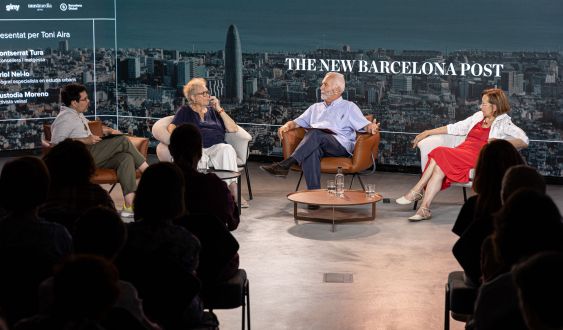
For this reason, this Monday, July 6, The New Barcelona Post celebrated at Casa Cupra Raval the last Moments Estel·lars of the season, hand in hand with the Fundació Catalunya Europa, having a conversation about a figure who keeps appearing, again and again, every time the future of Barcelona is discussed: Pasqual Maragall.
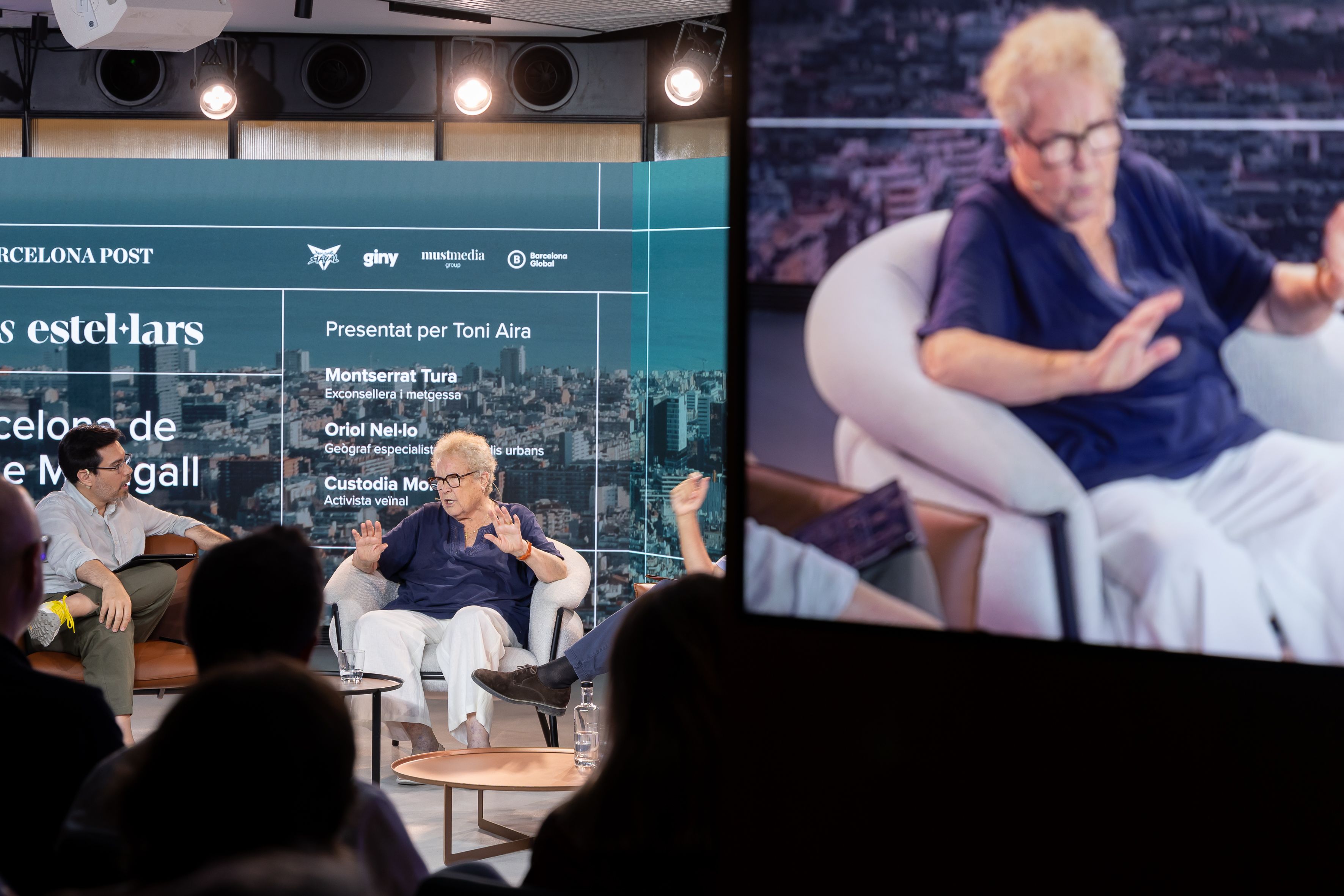
And while the objective was to talk about that Barcelona he imagined, or the legacy he left, it is true that the conversation, led by Toni Aira, also focused on the man who imagined it. Or the men. Because curiously, not a single Pasqual Maragall appeared on stage. Many appeared.
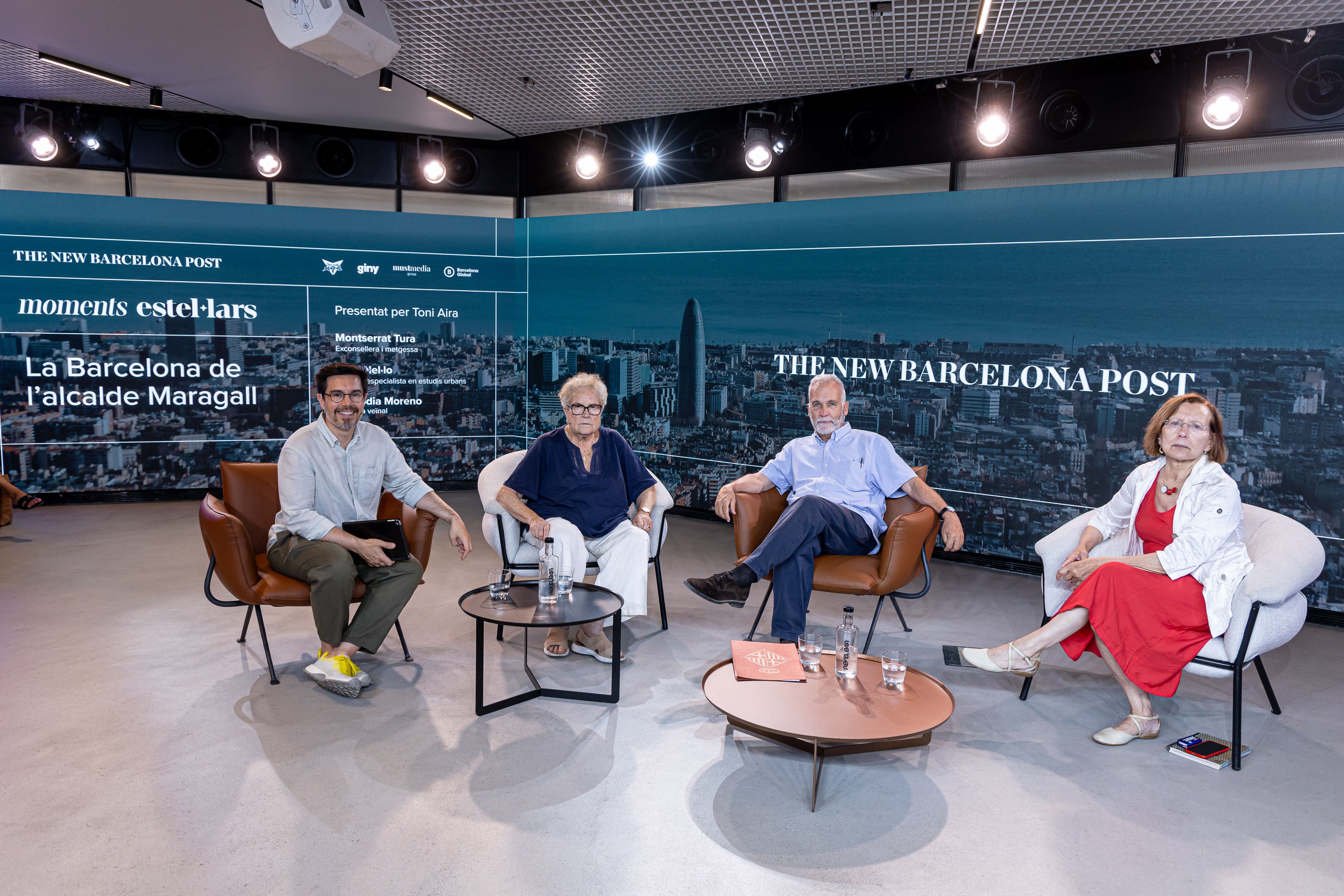
The intellectual Maragall, formed in anti-Francoism and a solid tradition of thought, as well described by former mayor and former councilor Montserrat Tura. Or the Maragall of the neighborhoods, who discovered Barcelona by walking through Carmel, Clot, or Trinitat, or even l'Hospitalet and Cornellà. This is recalled by neighborhood activist Custodia Moreno and geographer and urban planner Oriol Nel·lo.
The Maragall who defended the "sewer revolution" before the big projects. Because before the big works, he saw the need to channel wastewater, eliminate shantytowns, and dignify the neighborhoods. Sewers as the first urban revolution.
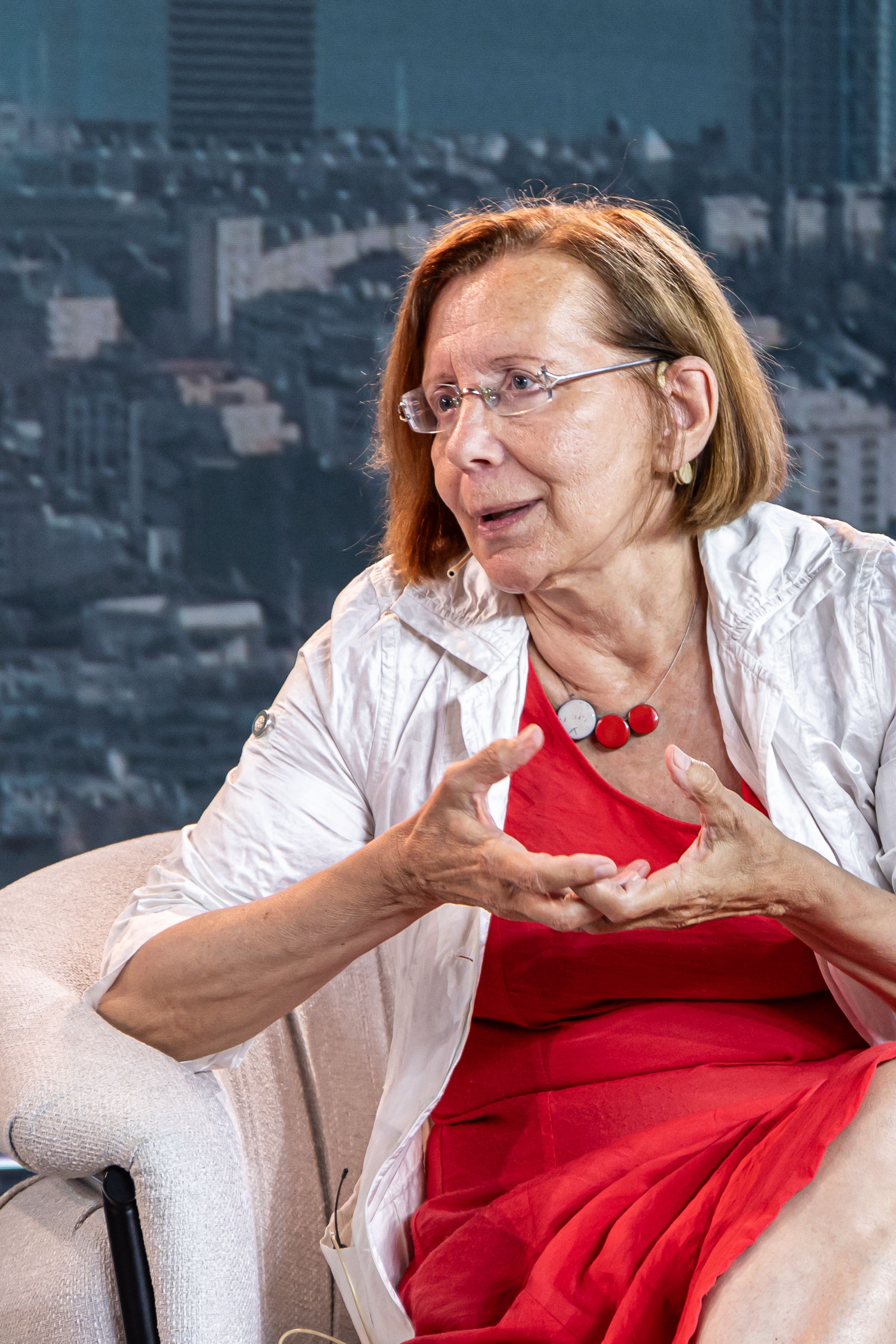
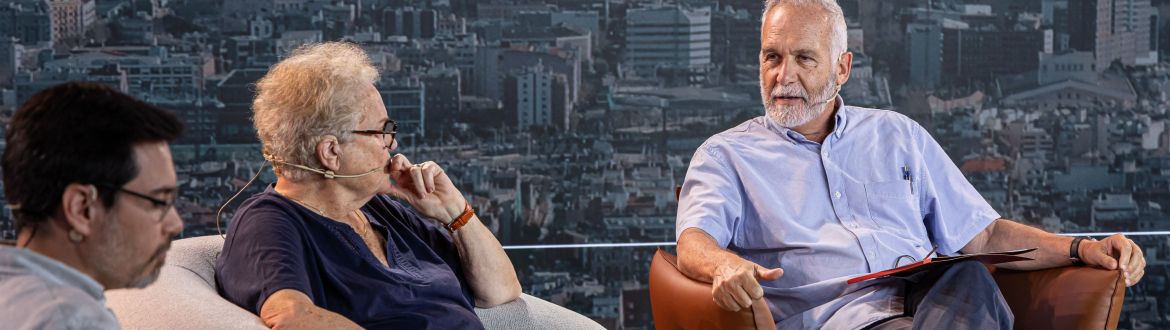
The Europeanist Maragall. And Olympic. Who had a city project. Reformist. Who raised complex problems and doubts, "because he spoke to the citizens as if they were intelligent," explains Nel·lo. Who was president, but above all mayor.
The Maragall who built teams, who surrounded himself with good people and trusted them. The reformist who shunned victimism. Who didn't need cameras, who looked people in the eye, who distinguished when someone spoke from real need, and who was accessible, who didn't distance himself from the citizen. And the politician who, above all, understood that the city did not belong to the mayors, but to its citizens.
The legacy and the non-legacy
Of his legacy in Barcelona, curiously, an intangible, almost invisible part is also highlighted: a way of understanding the governance of the city. But first there is the most evident legacy, the one that can still be walked on. A transformed Barcelona that recovered the coastline, opened up to the sea, reconnected historically isolated neighborhoods, promoted the Rovira tunnels, the Olympic Village, new public spaces, facilities, and a city that left behind shantytowns and open-air wastewater. It is no coincidence that Montserrat Tura claimed during the debate the "sewer revolution" as the first great transformation of Maragall's Barcelona. A way to channel wastewater, dignify neighborhoods, and guarantee living conditions that today seem obvious, but were not in the 1980s.
But the three speakers agreed that Maragall's deepest legacy goes beyond an infrastructure. He left a certain way of thinking about Barcelona: with planning, with metropolitan ambition, with a long-term vision and with the will to build consensus. A city project that went far beyond major works and placed social cohesion at the same level as urban transformation.
However, "if that was so good... why haven't we continued it?", Custodia Moreno questions, without receiving any obvious answer.
Perhaps, the current moment does not allow for a simple copy of the Maragallian model. The city has changed and, as Nel·lo points out, the same formulas no longer work. "To what extent today can we improve our cities and, at the same time, make the conditions of those who live in them better?", he wondered, pointing out the following paradox. "The financialization of the housing market means that the market identifies the improvements we make in neighborhoods and immediately translates them into price increases." The risk, he warned, is evident: "We have to improve the neighborhoods, but, at the same time, depending on how we do it, the improvement ends up meaning that the neighbors we want to help can no longer live in them."
Nel·lo, in fact, far from advocating a copy of the Maragallian model, precisely defends the spirit that defined it, the reformist philosophy, which led him to have a "will to measure his thought against reality again and again to modify reality, which is stubborn, like his thought, which perhaps is even more so." And he concludes: "it seems to me that this is his main legacy."
And if we question his legacy, the main legacy, many would point directly to the Olympic Games and the transformation of Barcelona that they brought about. But for Tura, reducing Maragall to the Olympic Games would be an absolute mistake. "Pasqual is much more than the Olympic Games," she insisted. That is why she claimed that the transformation of Barcelona was not an "Olympic miracle," but "an ideological decision," capable of enduring over time.
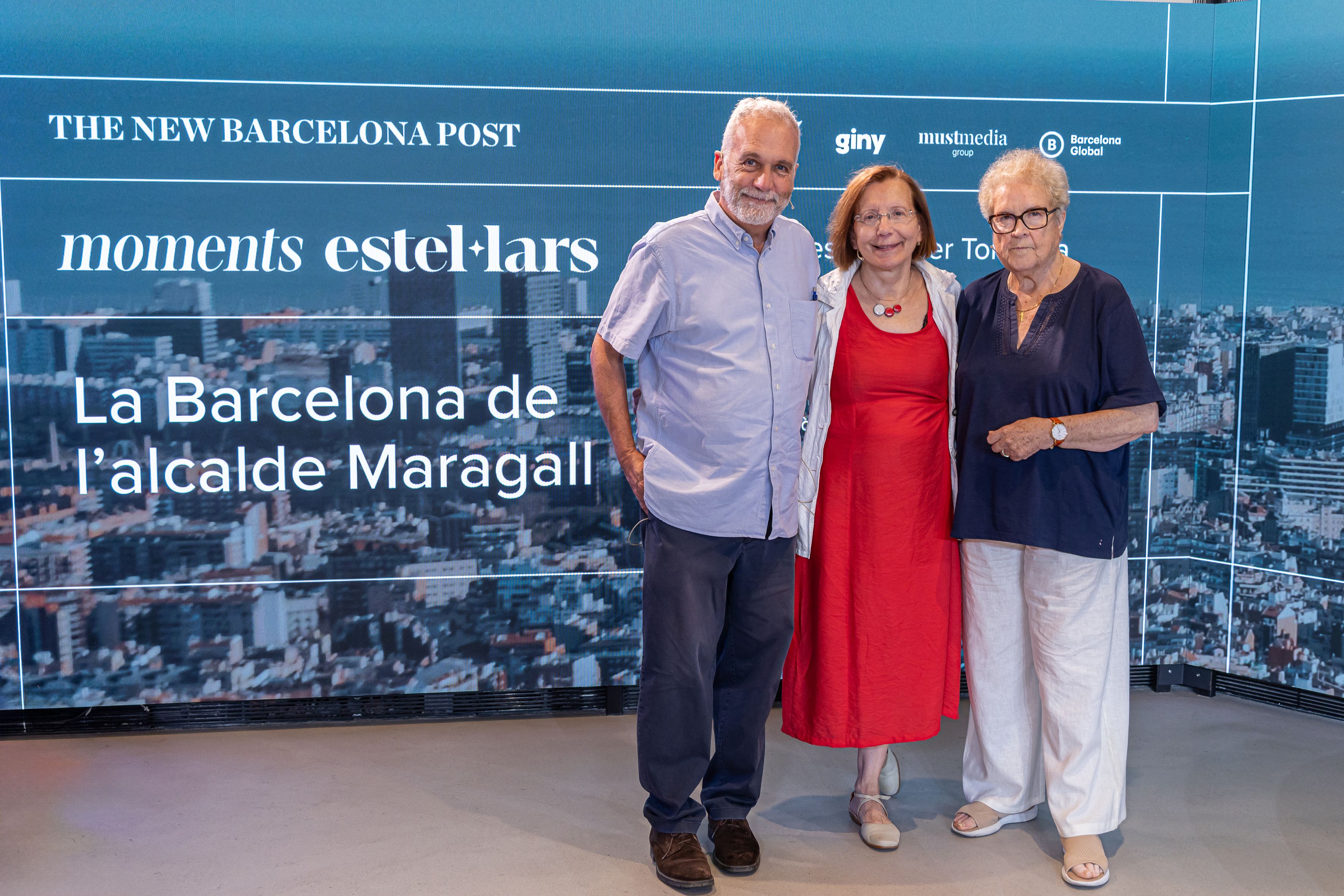
Perhaps that is why, more than thirty years after that Olympic speech, Pasqual Maragall's legacy continues to challenge Barcelona. Not so much for the works he left behind, but for the capacity—or the need—to imagine the city again with the same ambition. Who is imagining the Barcelona of the next three decades today? And how are they doing it?
PS. And today, how is he, Maragall?
Curiously, the last question of the meeting was not addressed to any of the speakers, a rather atypical fact. It went to the front row, to Cristina Maragall. Beyond the city, beyond the political legacy, someone from the audience wanted to know how Pasqual Maragall is today.
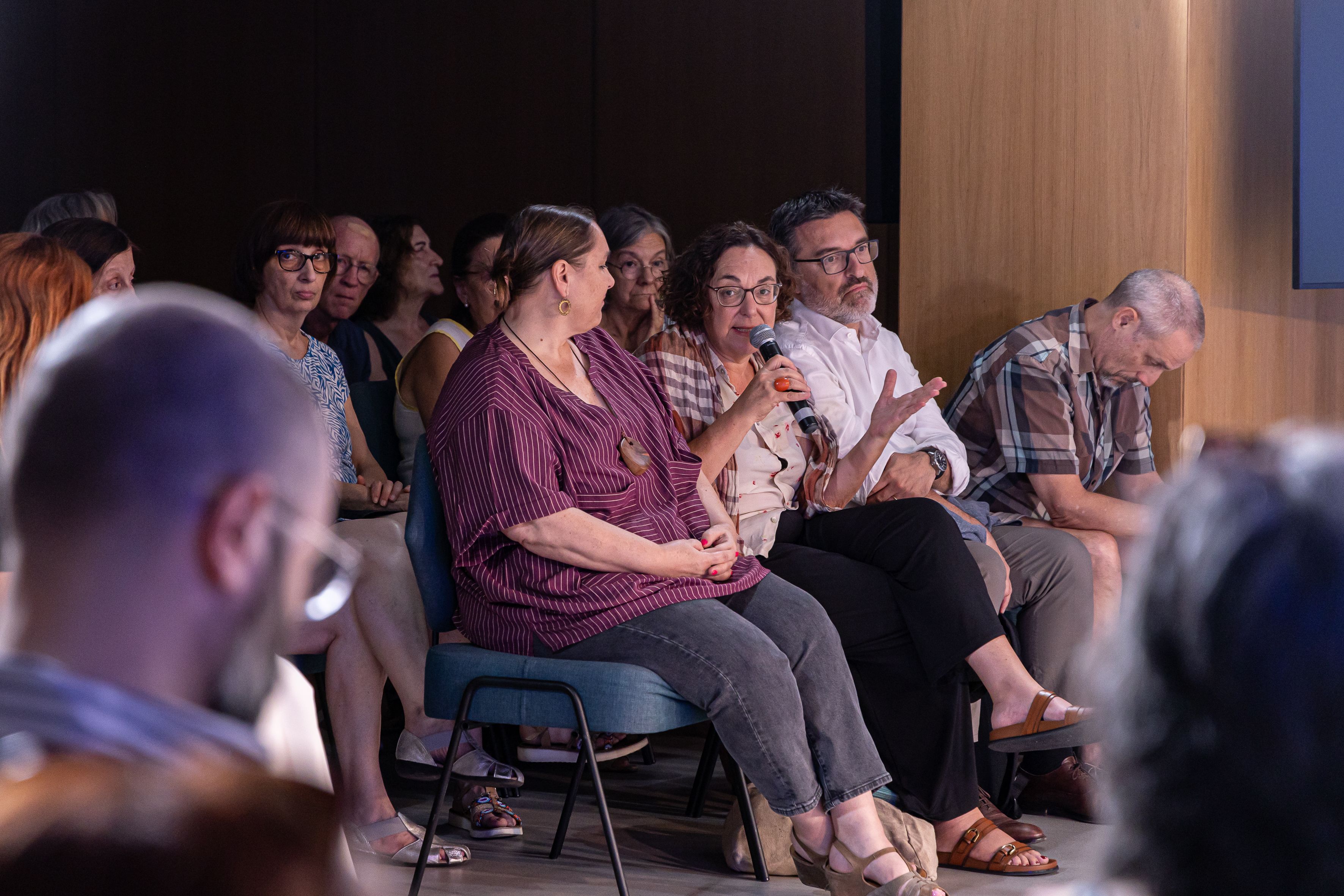
And her answer was brief and emotional. "Pasqual is well. He was diagnosed with Alzheimer's nineteen years ago and we are taking care of him as best we can." Cristina Maragall recalled that this is also one of her father's great legacies: the Pasqual Maragall Foundation, created to promote research against a disease that for too many years "has been undervalued." "We want to live longer, but we want to have quality of life," she summarized, advocating for the need to continue researching and also to transform the social perception of Alzheimer's.
A different way to end a conversation about the future of Barcelona. Simply returning to one of the people who imagined it.
Add The New Barcelona Post as your preferred Google source for free
Stay informed with the latest news.