Ensuring access to affordable housing, bringing services and facilities closer to people to curb daily commutes, and confronting extreme weather events are among the defining challenges facing Barcelona. Complex though they are, these hurdles are not unique to the Catalan capital. Worldwide, cities are searching for answers, and all too often the experiences of one can help another chart its own path. This is precisely one of the primary goals of Smart City Expo World Congress: sharing ideas, experiences, and solutions to advance towards more liveable and sustainable cities.
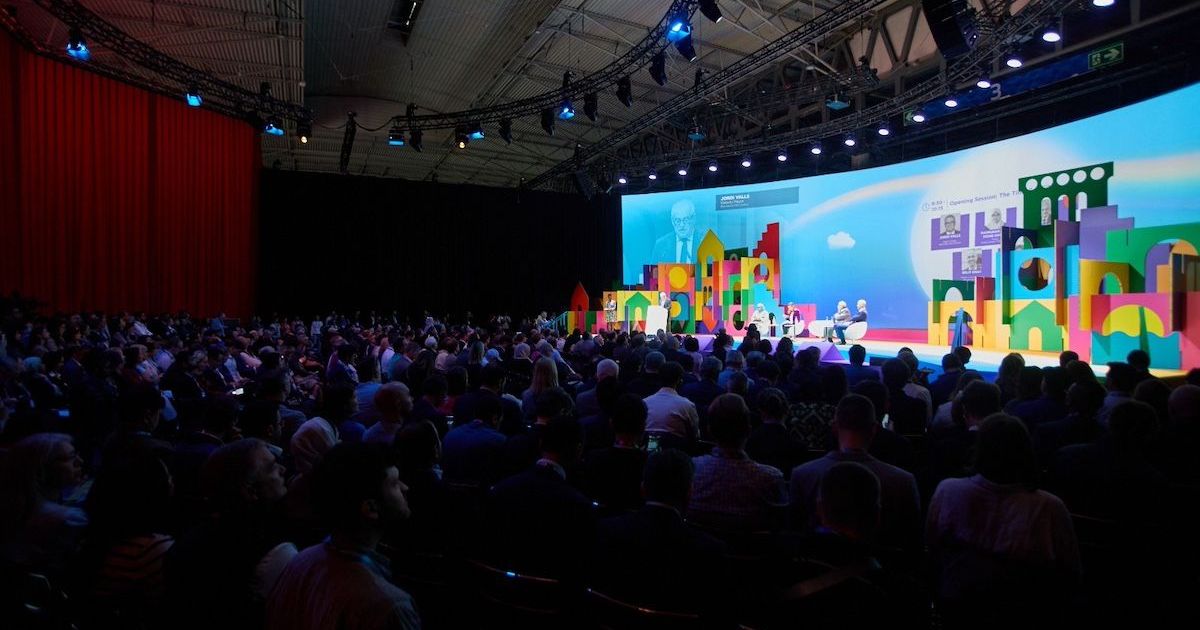
For, as argued by Ugo Valenti, the event’s director general, a smart city is not merely one that incorporates more technology, but one that knows how to harness every available resource to improve its citizens’ lives. And Barcelona, according to Valenti, ranks among the ten cities in the world that achieve this best. It is no coincidence, therefore, that the Catalan capital serves as the stage for a summit conceived to pool experiences and solutions to confront the urban challenges of tomorrow. From 3 to 5 November at Fira de Barcelona’s Gran Via venue, more than 1,100 exhibitors will showcase their proposals, while 600 speakers debate them across a programme of 150 sessions.
— When we use the term smart city, what exactly do we mean? What makes an urban centre truly intelligent?
— In short, a smart city is one that does everything within its power to improve its citizens’ quality of life. To achieve that, it can turn to a variety of resources and solutions: from technology, naturally, to new forms of governance, decision-making, planning, and urban management.
— Can a city therefore be smart without necessarily relying on technology?
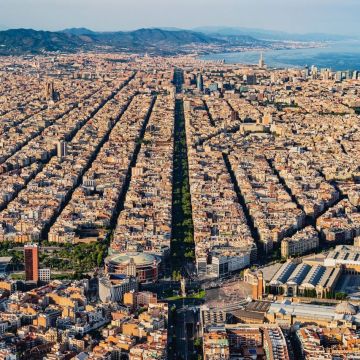
— Technology can help improve a city, but there are countless other ways to do so. Barcelona’s superilles (superblocks), for instance, are an excellent solution for moving towards a smart city, because they reclaim space previously monopolised by vehicles and return it to residents so they can stroll, play, and make the street their own again. It is an initiative that has nothing to do with artificial intelligence or big data.
There are also simple solutions that do incorporate technology, such as knowing how long until the next bus arrives at the stop. Ultimately, technology is not an end in itself, but an instrument to enhance citizens’ lives. If it fails to do that, it serves no purpose.
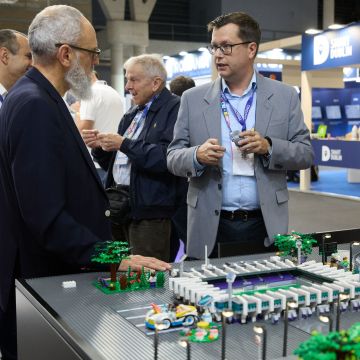
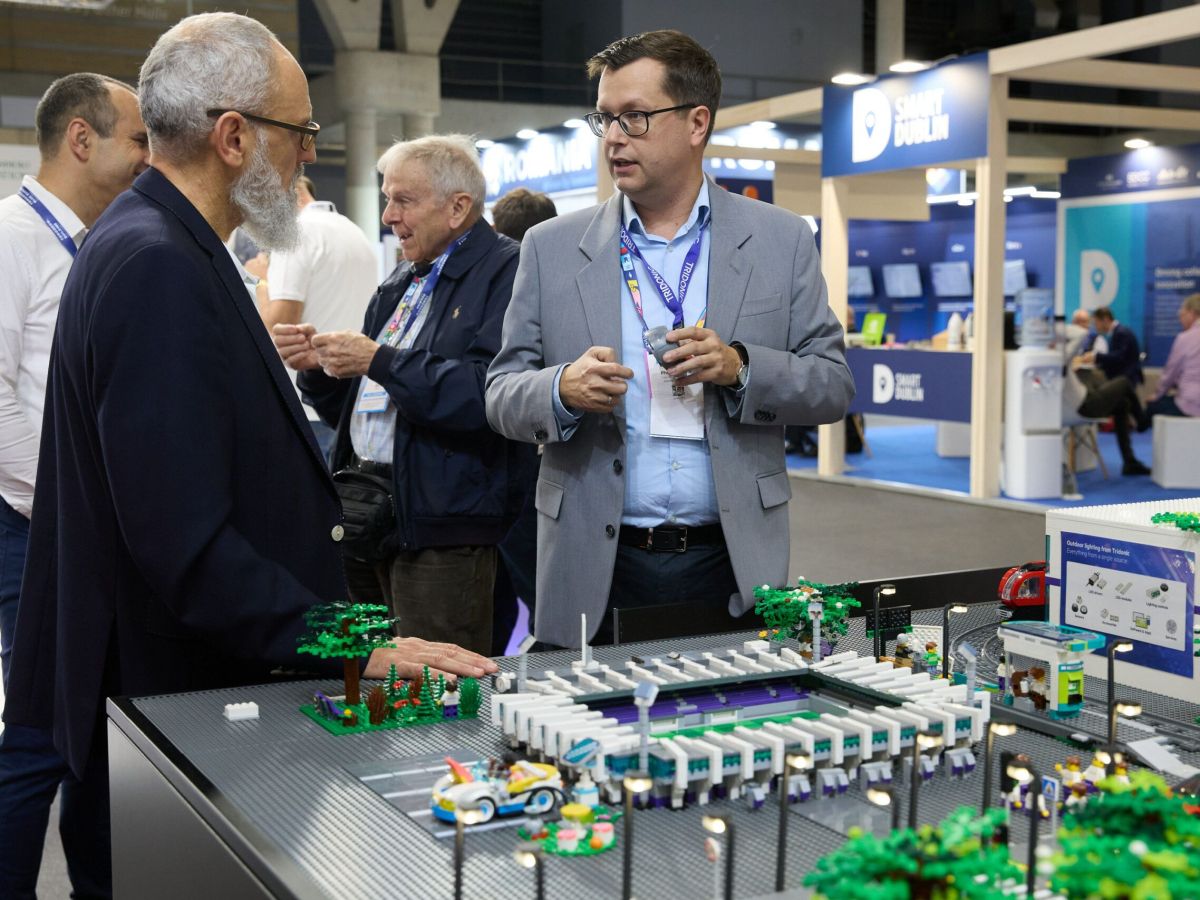
For this reason, alongside tech heavyweights like Google, Microsoft, and NVIDIA, the more than 1,100 exhibitors gathering at Smart City Expo World Congress feature firms presenting solutions tied to public transport, energy, air and water quality, and construction. A smart city is not built on technology alone, but on a comprehensive range of solutions tailored to human needs.
— While technology can help build smarter cities, it also carries inherent risks. How do you address that other side of the coin?
— Two areas concern us in particular: cybersecurity and data privacy. The more devices and systems we connect, the greater the security risks become. For this reason, framed within Smart City Expo World Congress, we also host the Barcelona Cybersecurity Congress, which tackles precisely this issue. As for privacy, how it is understood varies widely across geographies: it is heavily regulated in Europe, whereas in China or the Middle East it is viewed in more relative terms. Because the congress is a global gathering, it allows us to examine these distinctions and learn from one another.

— Despite these risks, do you remain optimistic about technology’s ability to improve cities?
— Much like nuclear power, technology can be harnessed for constructive or destructive ends. But I firmly believe we need it to confront the major challenges facing cities. More and more people live in urban areas, intensifying pressure on resources, housing, energy, water, infrastructure, and mobility. We must find solutions to these major hurdles, and technology can play a decisive role; that is why I am an optimist. If we fail to tackle them – including through the deployment of technology – cities will face severe hardship.
This does not mean turning a blind eye to its risks, such as a totalitarian regime using technology for blanket surveillance. The key lies in leveraging it to build better cities and elevate people’s quality of life.
“Much like nuclear power, technology can be harnessed for constructive or destructive ends. But we need it to confront the major challenges facing cities”
— And what, specifically, are the defining challenges cities must confront in the years ahead?
— Housing is undoubtedly one of the paramount global tests: ensuring that everyone has access to decent, affordable housing. It is a crisis affecting Barcelona, but equally New York, Shanghai, Amsterdam, Rome, and Paris. For this reason, this year we are launching the Housing World Summit, a dedicated forum within the congress to spotlight global best practice and help cities learn from each other.
Climate change is another major challenge. We must prepare cities to withstand the extreme weather events heading our way and alert residents with sufficient notice so they can protect themselves. We must also tackle mobility dilemmas, from the sweeping shifts autonomous vehicles might usher in to everyday operational headaches, such as commuter rail service reliability on Rodalies.
Cities face numerous tests, but we are not starting from scratch. Across the globe, solutions are already being engineered that could prove invaluable elsewhere. We must identify and implement them, and that is precisely the mission of Smart City Expo World Congress. This year we are bringing together over 600 speakers representing public administrations, the private sector, and academia. We want the event to be an arena where these three spheres can pool insights and speak openly about urban challenges. This convergence between the public sector, business, and academia is quite unique.
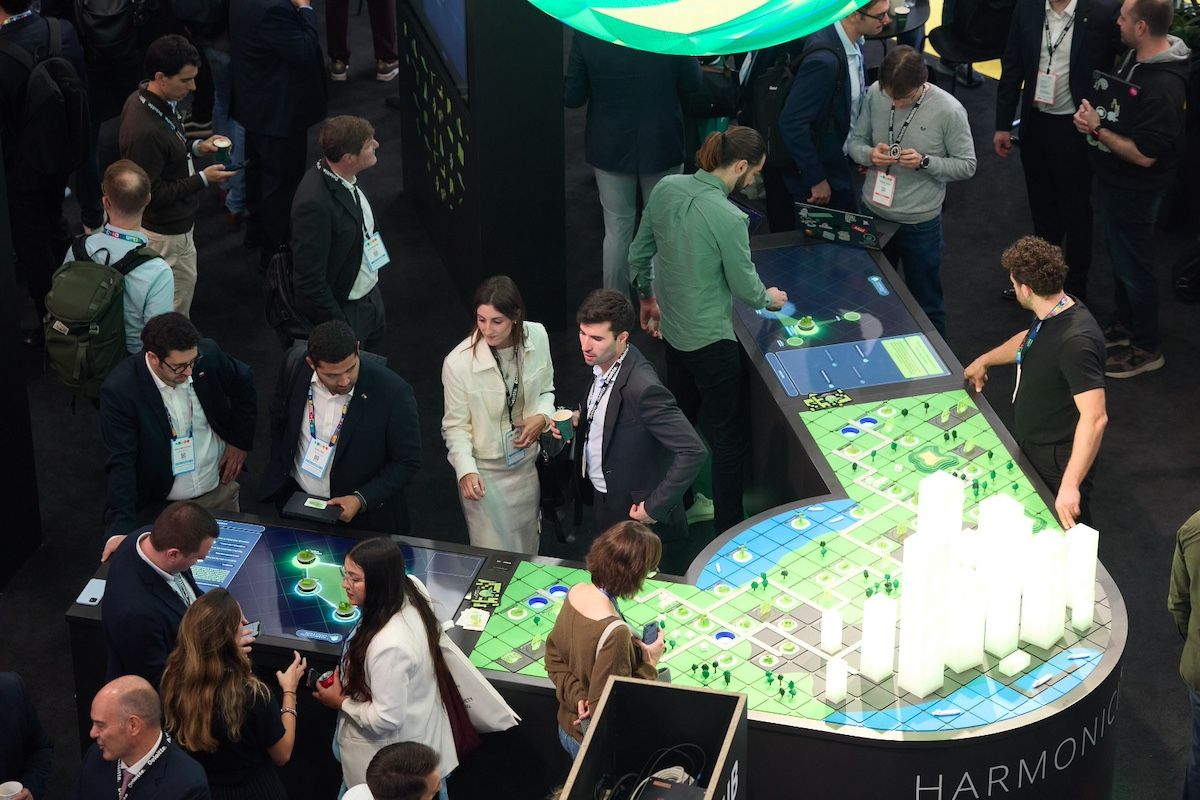
— How do you address the future of cities without straying into overly futuristic or detached scenarios?
— Smart City Expo World Congress is not an exercise in futurology to daydream about what cities might look like fifty years from now, although we certainly have specialists who bring strategic, visionary insight. What we do is assemble cities and companies from around the world that are actively deploying solutions or gearing up to do so. We talk about tangible solutions, not prototypes that might never see the light of day. You will not find flying cars, for instance, but you will see drones. The objective is for the solutions showcased across the exhibition floor to be ready for rollout tomorrow in any city across the world.
— What specific solutions could be implemented in Barcelona to move towards a smarter city?
— This year, for example, we are presenting the fifty best climate adaptation and mitigation solutions identified worldwide, under the Terra50 initiative. These are schemes already operating in other cities that could readily be replicated in Barcelona across areas such as water management and energy efficiency. We will also see mobility solutions like autonomous drones capable of transporting passengers or supporting emergency services – delivering medicine, for example, or assisting first responders during a fire.
— Turning to one of the most pressing urban dilemmas, housing: what solutions applied elsewhere could serve as a model for Barcelona?
— There is no silver bullet, but there are compelling models across the globe. In Vienna, for example, 50% of the housing stock is municipally owned, allowing it to be offered at affordable rates. Singapore, by contrast, stands out for having planned urban expansion so that new residential developments are systematically paired with public transit, retail, and local services. This reminds us that building more homes or lowering prices is not enough: we must also ensure they are seamlessly connected to the rest of the city so residents can live well, commute easily, and access the services they need.
— To what extent can technology help solve the housing crisis?
— Technology can help, but I do not believe it is the primary catalyst. Innovation in building materials and construction methods, for example, can produce more energy-efficient homes and curb heating and cooling expenses. Well-planned infrastructure and transit links to the wider city are equally essential. Yet beyond technology, I believe the decisive factors are political will, legal frameworks, and financing.

— And conversely: what Barcelona initiatives could serve as a blueprint for other cities?
— The superilles are a textbook case. Barcelona committed to this model well ahead of other cities, such as New York, which has also reclaimed spaces like Times Square. Another clear example is our network of climate shelters – public libraries and municipal facilities offering refuge from extreme heat. Other cities are increasingly adopting this measure as they confront climbing temperatures.
— Is there a single city that serves as the gold standard for the rest, or must each municipality forge its own path?
— I am often asked which city represents the ultimate smart city, but how can one compare New Delhi with Barcelona or Amsterdam? Every urban centre has its own reality and distinct tests. Assessing whether a city is intelligent involves numerous variables: air quality, noise pollution, population density, residents’ perceived wellbeing, or economic momentum... Rather than pursuing a single template, the goal is to share experiences and learn from one another. A South Korean city can learn from Santiago de Chile, just as Medellín can take inspiration from Shanghai. It is equally vital to maintain clear objectives and sustain a long-term strategy that survives political turnover, backed by the ability to turn concepts into real-world solutions.
This is precisely the purpose of Smart City Expo World Congress: a global platform where municipalities and professionals from across the globe can exchange lessons learned and practical solutions. This year we anticipate 25,000 attendees from more than 130 countries, with upwards of 80% of exhibitors hailing from outside Spain.
“The goal of a smart city is for the technology to go unnoticed and for you to love living in it”
— And how does Barcelona measure up as a smart city?
— While we might hesitate to claim Barcelona is the single smartest city in the world, I have no doubt it ranks among the top ten. We see it every year at the congress: international professionals arrive eager to study the initiatives taking place here. They are drawn to projects in waste management and sustainable construction, as well as specific developments like the 22@ district or the revamp of the Port Olímpic.
— Are Barcelona residents aware that their city is an international benchmark?
— Probably not, because many of the solutions other cities view as innovative have long been woven into our daily routines here, and we take them for granted. Knowing when the next bus is due, for example, feels entirely routine today, but fifteen years ago we had no access to that information.
To my mind, that is the ultimate test of a smart city: that the technology goes virtually unnoticed and you simply think, "I love living here." That is the finest indicator: that you have no desire to leave. That solutions prove genuinely useful, blend into everyday life, and help people feel at home in their city.
Add The New Barcelona Post as your preferred Google source for free
Stay informed with the latest news.