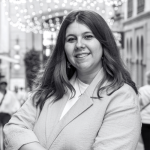
Bàrbara Martínez learned to ride a bicycle at 60 years old and, three decades later, still gathers a hundred elderly people every morning to exercise on Bogatell beach. Verónica Pàmies, after growing up hearing that she wouldn't be able to go far due to her disability, has ended up competing with the Spanish boccia team in a Paralympic Games. Ana Lus Santisteban has left behind her administrative job to start her own farm, raise alpacas, and turn their wool into her professional and life project. And Lorena García has transformed a very specific need, like finding a specialized veterinarian for her dog, into a technological tool that can now help other pet owners.
These are four very different trajectories, but united by the same determination: to change, take the reins of their own lives, and set their own course. And that is also the starting point of GIRA Mujeres, the program promoted by Coca-Cola together with entities such as Dona Activa, AlmaNatura, Nantik Lum, or Autónomas por la Igualdad, which for a decade has supported women in their processes of professional development, entrepreneurship, and employability, even when that path has meant reinventing themselves, changing course, or starting anew, offering them training, tools, accompaniment, and networks to advance their projects.
Ten years after its launch, more than 23,000 women have participated in the program in Spain, 1,826 of them in Catalonia. A figure that allows understanding the dimension of the program, but that does not manage to tell what is hidden behind the numbers: the decisions, the obstacles, the changes of direction, and the stories of each of these women. Because, as Carme Portaceli, artistic director of the Teatre Nacional de Catalunya (TNC), has claimed, "the stories that seem small are, in reality, the big stories": those that happen every day, far from the big headlines, and that, one by one, end up changing the world.
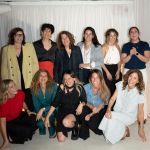
And these stories, those that happen far from the big headlines, are precisely what give meaning to a figure like that of GIRA Mujeres. In Catalunya, that figure also has concrete names and projects: Gemma Saltó, María Celina Seoane, and Anna Riera are three of the women who have gone through the program and who have turned a concern into a project. Saltó has done so from ecology and urbanism, bringing vertical gardens to facades and patios; Seoane, from inclusion, with an adapted tactile software to facilitate digital learning for students with disabilities; and Riera, from gastronomy, promoting a project to advance towards greater gender equality in the sector.
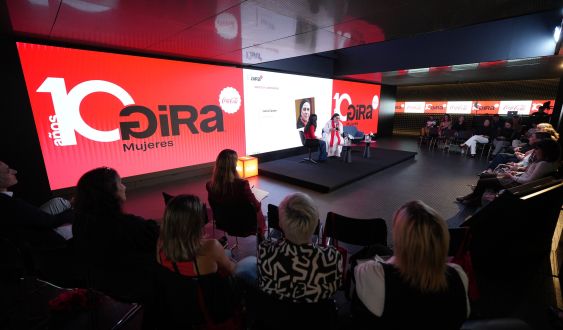
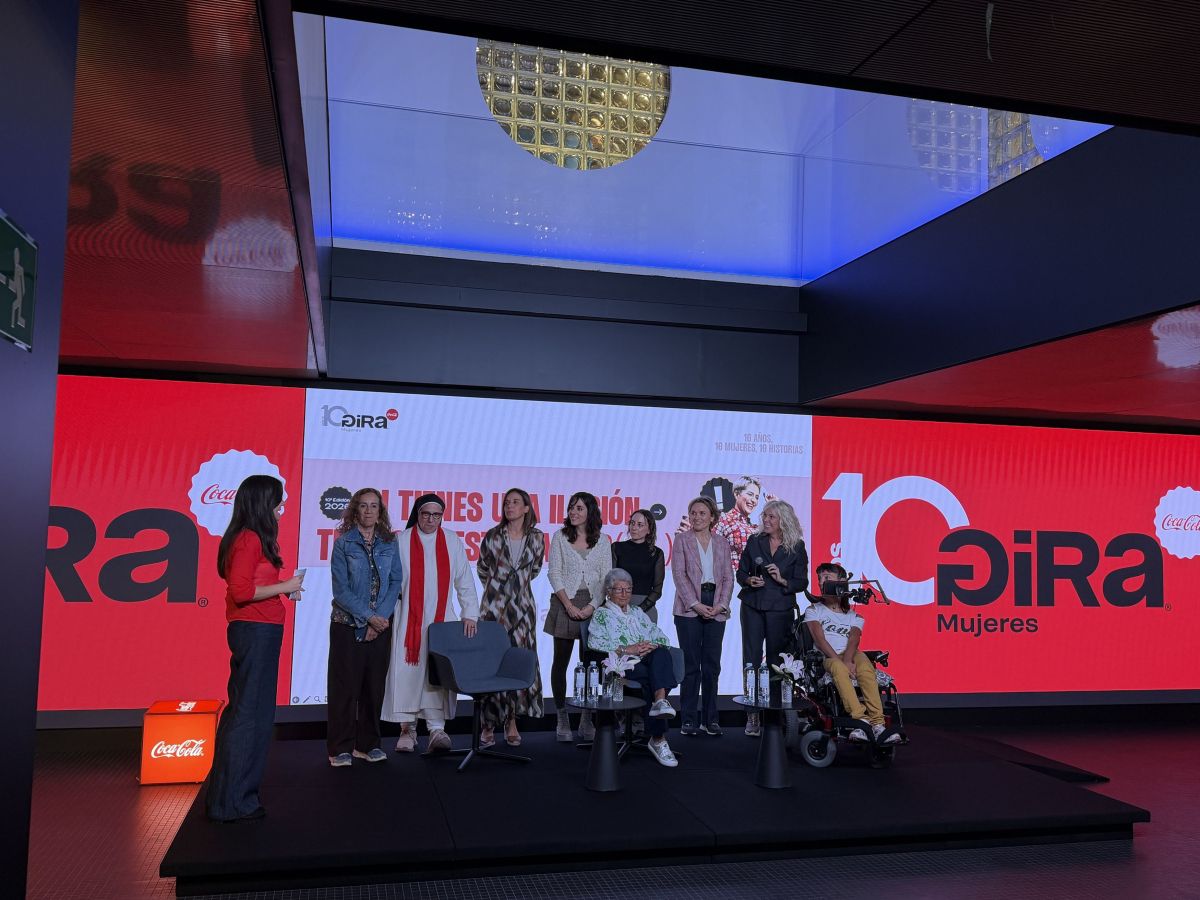
These are just a few examples of a journey that GIRA Mujeres celebrated this Wednesday at the Roca Barcelona Gallery with a conference under the motto 10 years, 10 women, 10 stories. The meeting was not conceived as a balance of what has been achieved, but as a look at ten very different leadership trajectories, starring women who have blazed a trail in fields such as culture, gastronomy, sports, business, or social action, but united by the same idea: the importance of speaking up and deciding one's own path. Sister Lucía Caram summarized it from the stage: “Let's not wait for anyone to give us the floor, let's take it.” And it is precisely this impulse that gives meaning to the GIRA Mujeres program: to offer the necessary tools, knowledge, and networks so that each woman can take that word and turn it into decisions, projects, and new professional opportunities.
Ten women, ten ways to blaze a trail
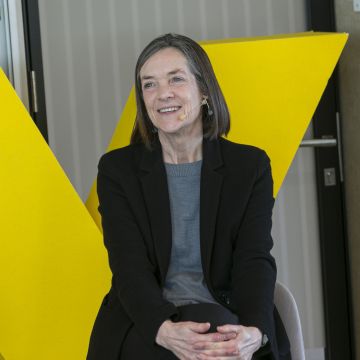
This conference celebrating the tenth anniversary of the initiative has showcased different ways of understanding leadership. Not so much as a position of power, but as the ability to make decisions, take risks, and persevere when the path gets complicated. Portaceli, artistic director of the Teatre Nacional de Catalunya, spoke precisely about what it means to make your way when the rules have not been made equally for everyone. “Being born with a female sex deeply discriminates against you from birth,” she stated, recalling the difficulties she has encountered throughout her career.
For decades, she has occupied leadership positions where there were hardly any women and, in 2016, she became the first woman to direct the Teatro Español in Madrid, founded in 1583. More than four centuries after its creation, a woman arrived for the first time to its direction. In 2021, Portaceli also became the first woman at the helm of the TNC. However, the director has preferred to qualify that condition of "first": "I am not the first woman, I am the one who has resisted," she pointed out, before warning that women should not have to become "mules," as she has done throughout her career, to be able to make their way.
The obstacles on the path, however, are not always external. As gastronomic journalist Carme Gasull has pointed out, women also face doubts, insecurities — such as the well-known impostor syndrome — and the weight of an environment that can make them question their own voice. In her case, she explained that these fears have led her at times to feel small and to hide behind others.

In the case of Verónica Pàmies, the limits arrived much earlier than the doubts. She was born with cerebral palsy as a result of a lack of oxygen during childbirth and, since childhood, had to hear that she would not be able to do many of the things she wanted to do. Far from assuming these limits, Pàmies has turned them into a reason to keep moving forward, even competing with the Spanish boccia team in a Paralympic Games. "Disability is not in the lack of capacity, but in prejudices," she recalled.
But perhaps the leadership furthest from the spotlight has been embodied by Bàrbara Martínez. At 90 years old, she continues to gather dozens of people every morning to do gymnastics in Bogatell. "I give them mine and they give it back to me," she explained about the energy she receives from those who attend her classes. A way of leading from closeness that has found other reflections in the stories shared during the day. This is the case of Núria Coll, scientist and popularizer; Elisabeth Font, head of learning and development at Roca Group, and Silvia Martínez, vice president of Commercial Development for Spain at Coca-Cola Europacific Partners, who have taken that conversation to the field of science and business. They were joined by Alejandra Conto (Dona Activa) and Conce Macías (AlmaNatura), from supporting other women. Together they have drawn a map of very different leaderships, but united by the same impulse to occupy their space, raise their voice and open the way, without needing to ask permission.
Add The New Barcelona Post as your preferred Google source for free
Stay informed with the latest news.